
2025 Box Trucks For Sale
Shop 2025 box trucks with dry van bodies, liftgate options, diesel power, and Class 4-7 GVWR choices for delivery and route work.
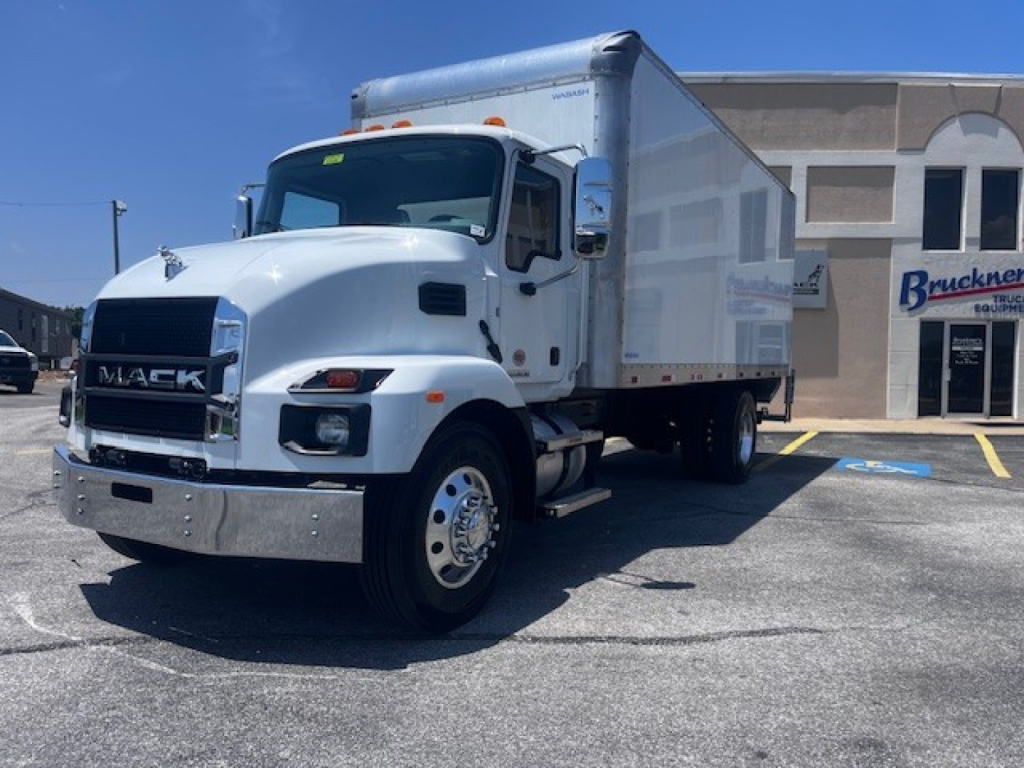
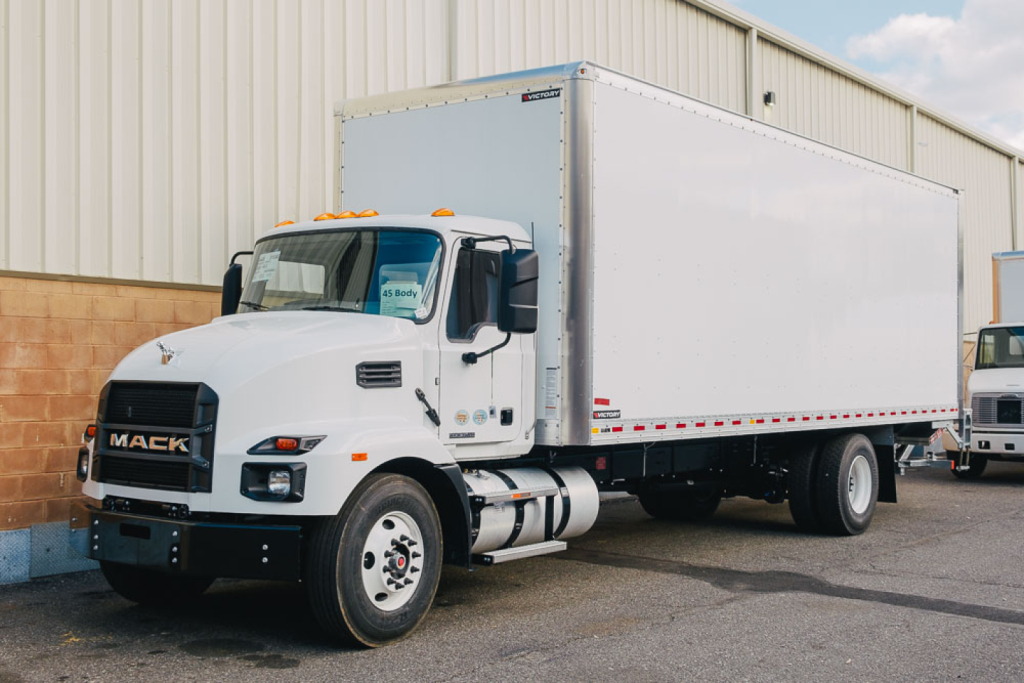
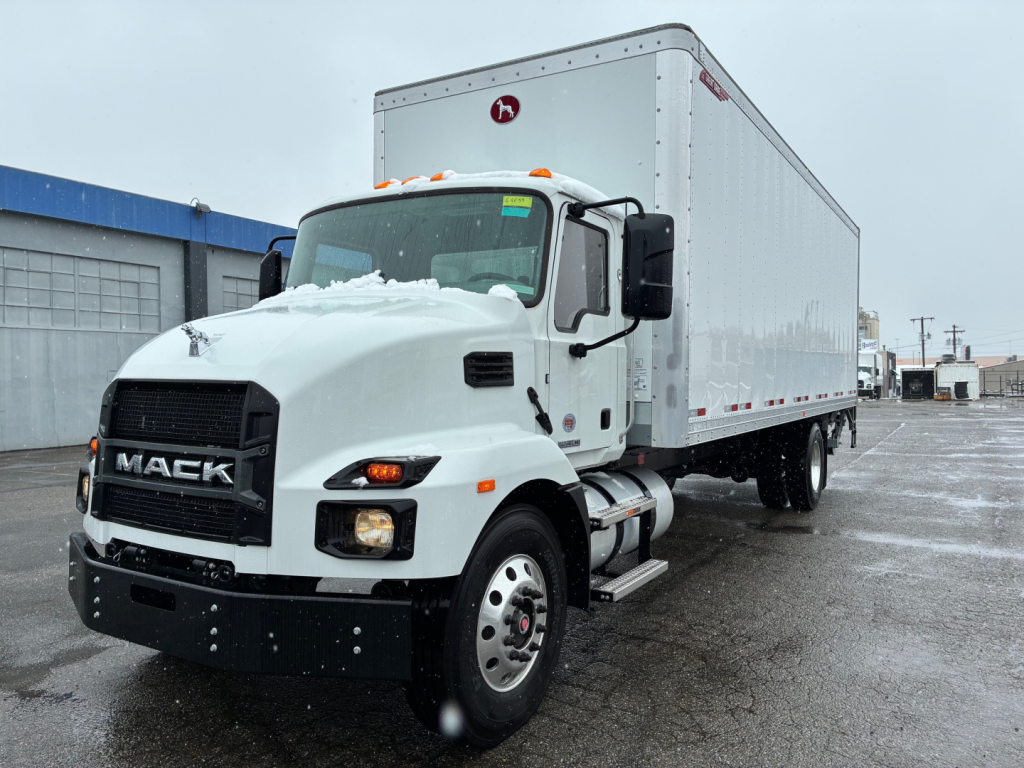
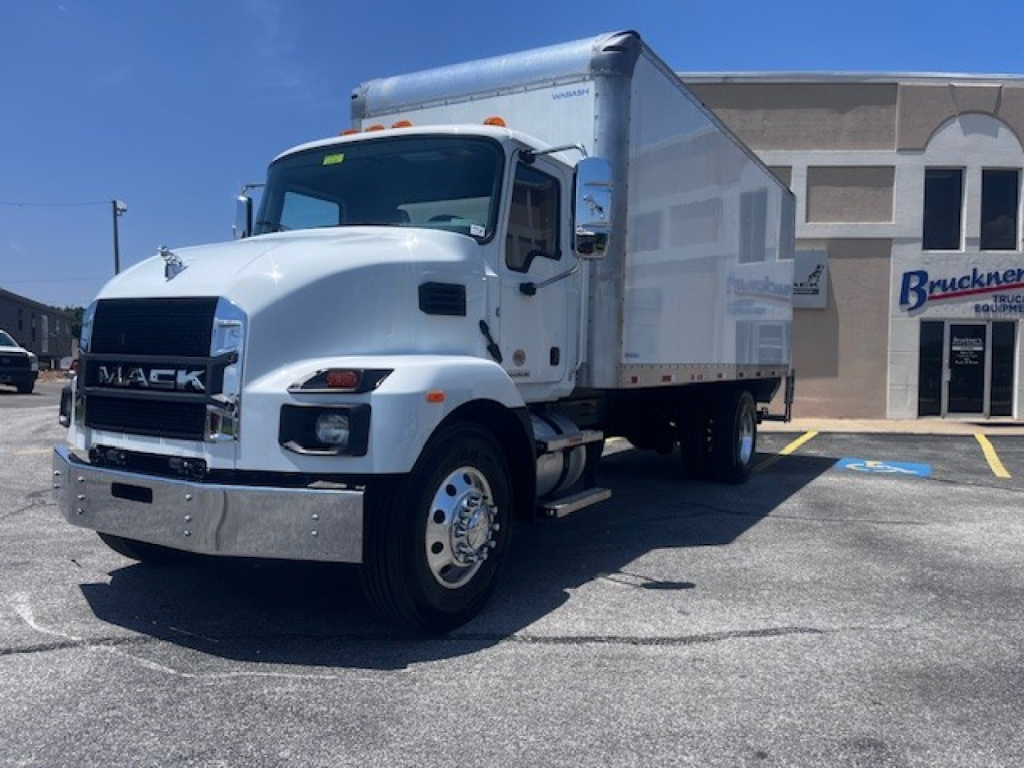
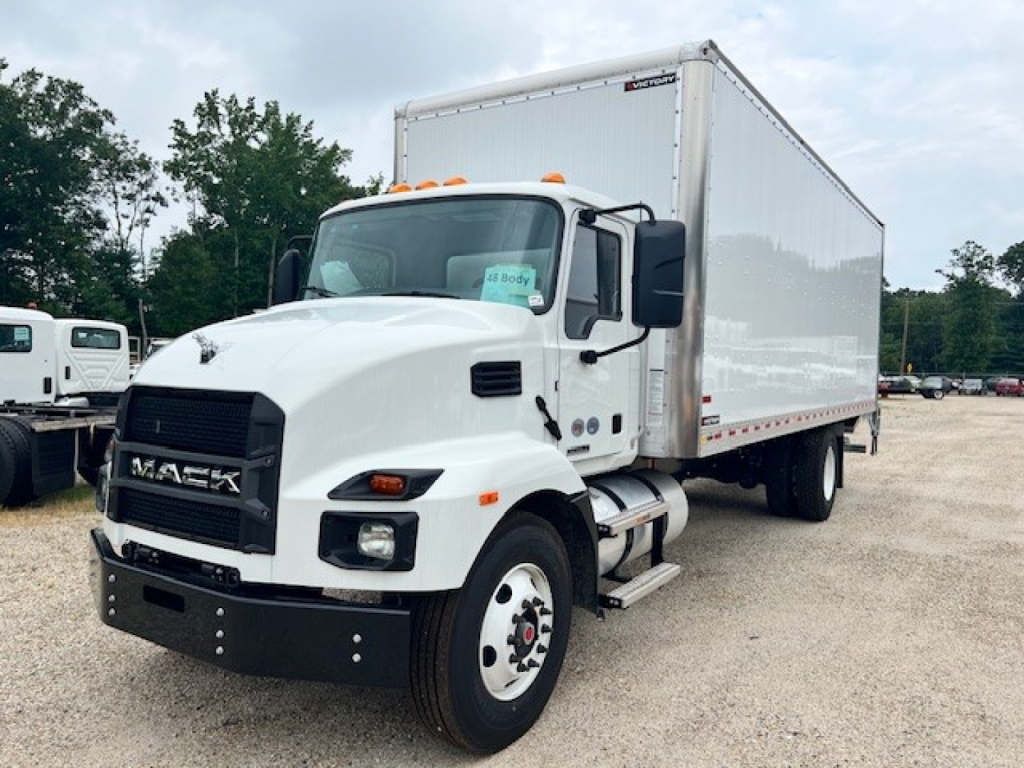
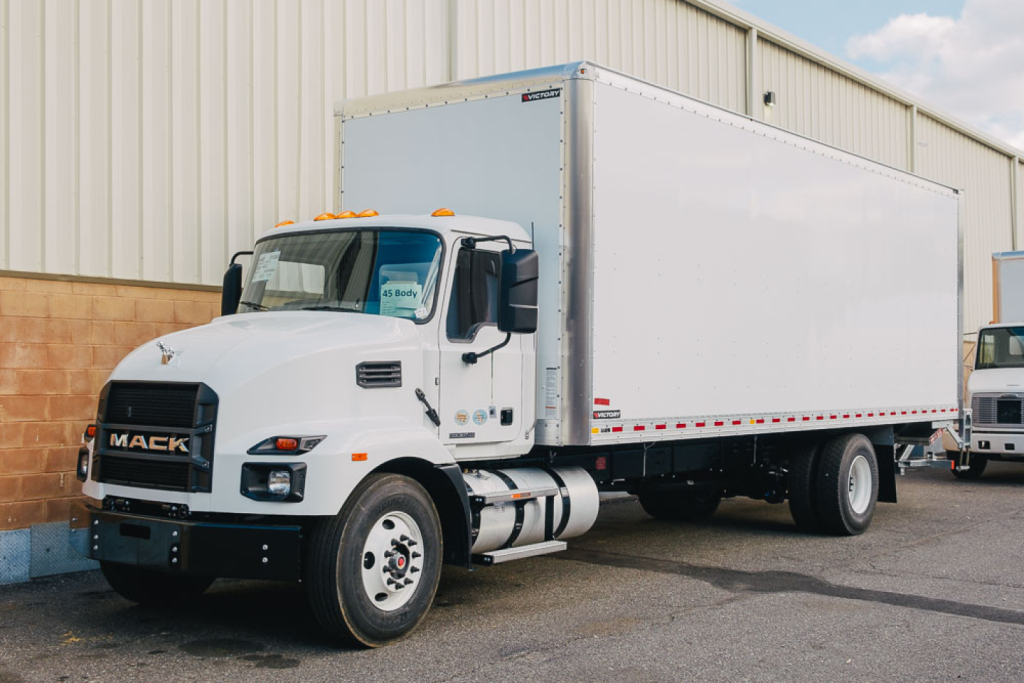
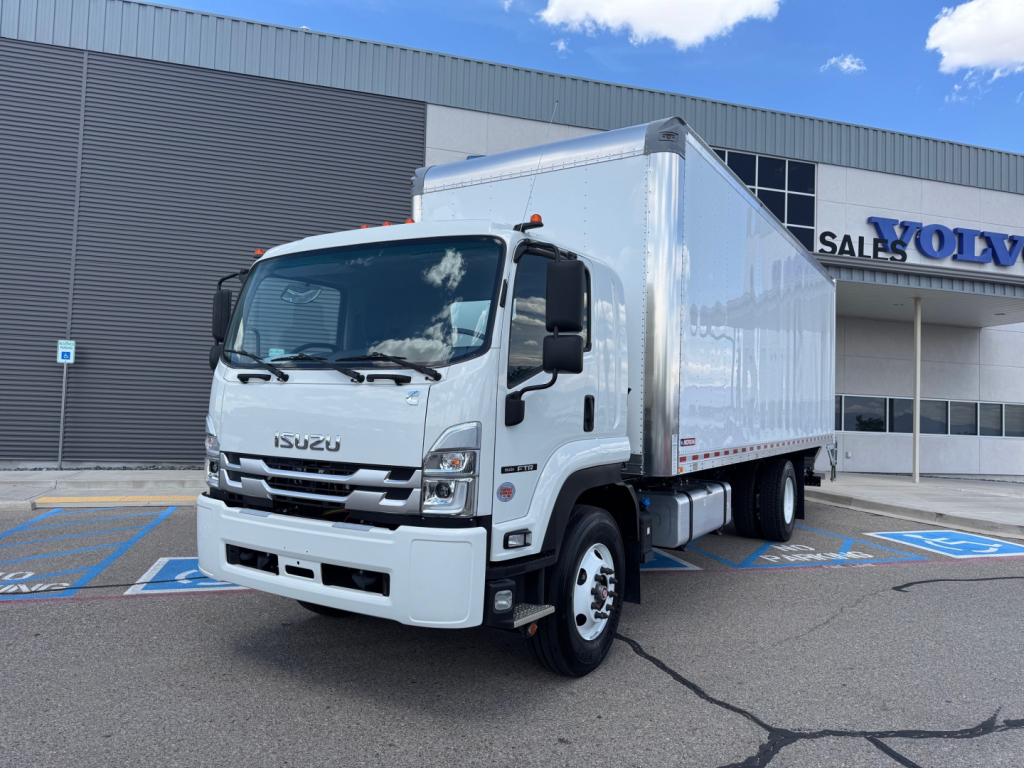
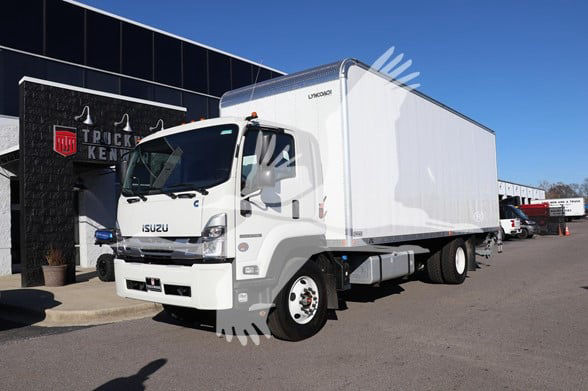
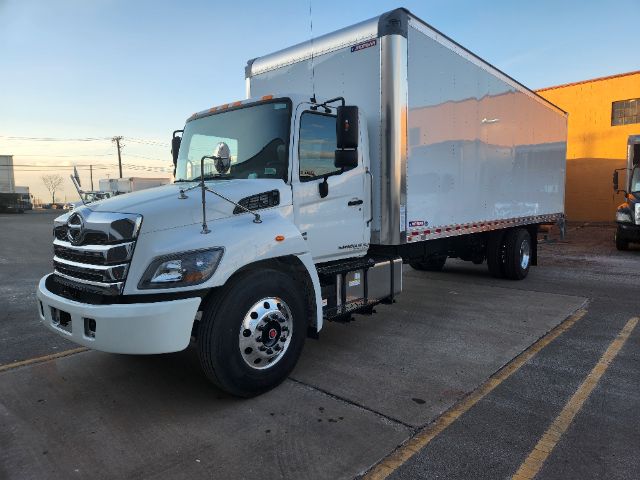
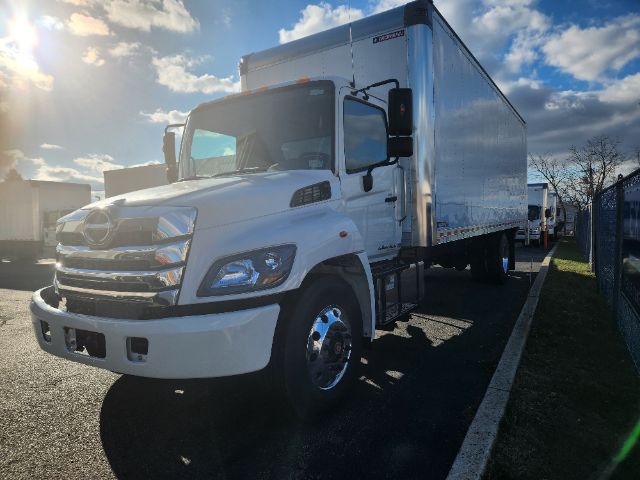
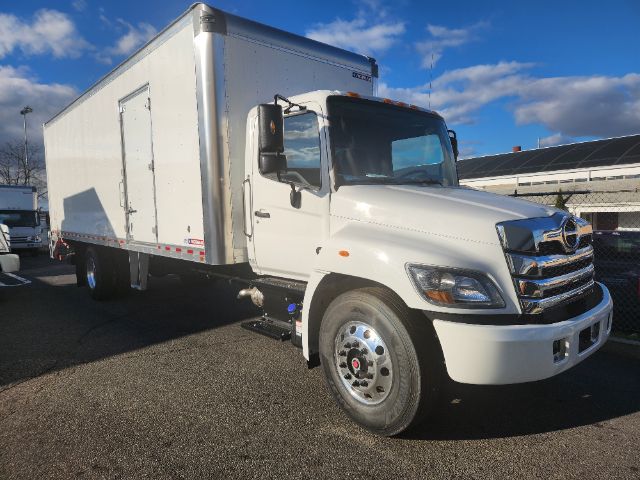
Selling a 2025 box truck? List your 2025 box truck for sale and reach thousands of commercial buyers.
2025 Box Trucks
The chassis and powertrain matter just as much as the box. Current 2025 box trucks are commonly built on platforms such as the Ford F-550, Isuzu FTR, Freightliner M2, and Mack MD6, with diesel engines from Cummins and Isuzu paired to Allison automatic transmissions on many medium-duty specs. For city delivery, a low cab height, tight wheel cut, and favorable turning radius can make a noticeable difference on congested routes. For heavier payloads or frequent dock work, air brakes, higher rear axle ratings, 22.5-inch rubber, and stronger spring suspensions are worth prioritizing. Body construction also varies. Buyers should compare aluminum versus steel substructures, interior height, sidewall material, scuff liners, hardwood or laminated floors, E-track, and rear roll-up door dimensions to match the freight profile.
Liftgate selection is one of the most important upfit decisions in this category. A tuck-under gate preserves rear access at docks, while a rail gate can be a better fit for repeated palletized deliveries and heavier platform use. Dry freight, furniture, appliances, parcel, retail replenishment, and final-mile distribution are all common box truck applications, but each one stresses the truck differently. Furniture and white-glove work often benefit from a clean interior, logistics posts, and lower deck height. Beverage, paper, and dense pallet freight demand close attention to payload, axle balance, and floor durability. Reefer bodies are a separate category, so a standard box truck buyer should focus on dry cargo specs unless temperature control is required.
A good 2025 box truck decision comes down to matching body cube, payload, door configuration, and service access to the route. Check wheelbase against body length, confirm clear inside dimensions instead of nominal body size, and verify liftgate capacity if pallet jacks or heavy carts are part of the job. On medium-duty models, review rear axle ratio and transmission programming for the amount of stop-and-go work versus highway miles. If the truck will spend its life in dense metro delivery, visibility, entry height, and cab ergonomics can affect productivity as much as engine output. If it will run regional lanes, fuel tank size, cruise speed, and ride quality move higher on the list.
Frequently Asked Questions about 2025 Box Trucks
What size box truck is best for local delivery work?
The right size depends on cube requirements, payload, and where the truck has to operate. A 16-foot to 20-foot box truck is often a strong fit for tighter urban routes, residential deliveries, and jobs with frequent stops. A 24-foot to 26-foot box truck is more common when cubic capacity is the priority, especially for palletized freight, furniture, and retail replenishment. Buyers should compare usable interior dimensions, not just advertised body length, and make sure wheelbase and turning radius still fit the delivery environment.
Do I need a CDL to operate a 2025 box truck?
In many cases, a box truck rated at 26,000 GVWR can be operated without a CDL, while trucks over 26,000 GVWR typically require one, subject to state rules and the type of operation. That is why 26-foot medium-duty box trucks are commonly spec'd right at the 26,000-pound threshold. Buyers should still verify license, medical card, air brake, and registration requirements for their specific state and application before choosing a chassis.
What should I look for in a box truck liftgate?
Liftgate choice should match the freight and delivery method. A tuck-under liftgate works well when dock access is common and the gate needs to stay out of the way. A rail liftgate is often better for repetitive ground-level pallet work and heavier loading cycles. Capacity, platform size, and compatibility with pallet jacks matter more than brand alone. It is also important to confirm that the liftgate does not compromise rear opening access or reduce the truck's practical use at standard docks.
Which specs matter most on a 2025 box truck for pallet freight?
For pallet freight, focus first on payload rating, rear axle capacity, floor strength, interior width between wheel housings if applicable, and liftgate capacity. A durable hardwood or laminated floor, scuff liners, logistics track, and a full-height rear opening can make daily loading easier and reduce body wear. Buyers should also confirm tire size, suspension rating, brake type, and gear ratio because dense freight can quickly expose an under-spec'd chassis even when the box itself has enough cube.
What is the difference between a box truck and a straight truck?
In most commercial truck listings, the terms box truck and straight truck are closely related. A straight truck means the cab and cargo body are mounted on one chassis rather than being a tractor and trailer combination. A box truck is a straight truck fitted with an enclosed dry freight body. The exact listing language varies by seller, but buyers searching either term are often looking at the same general equipment class.