
2025 Box Trucks For Sale in Colorado
Shop 2025 box trucks in Colorado. Compare under-CDL van bodies, liftgates, payload-focused specs, and delivery-ready configurations.
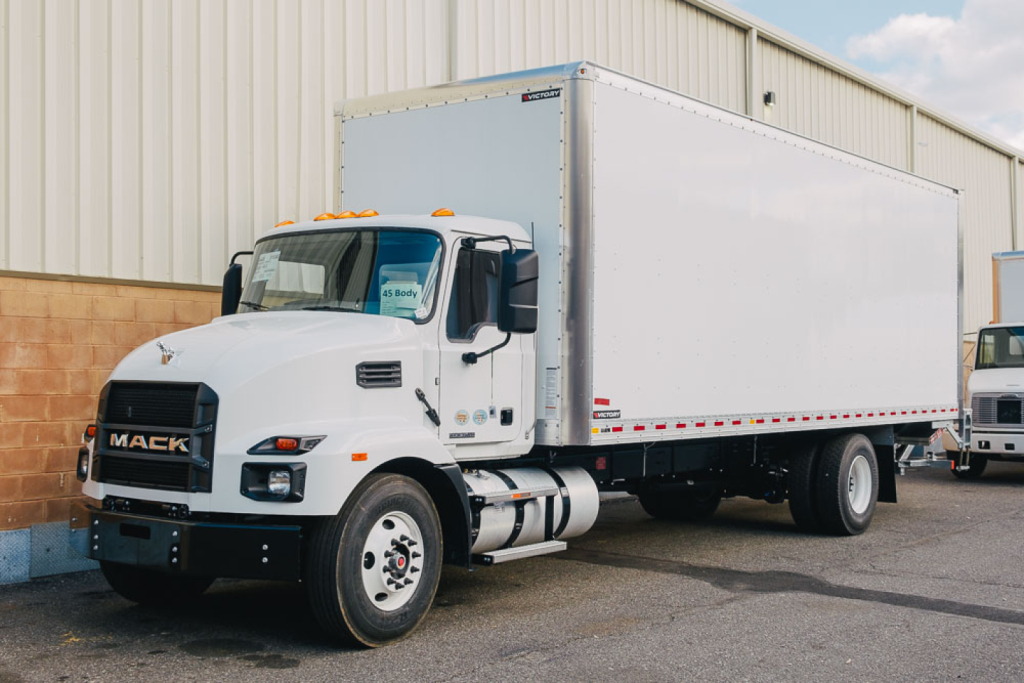
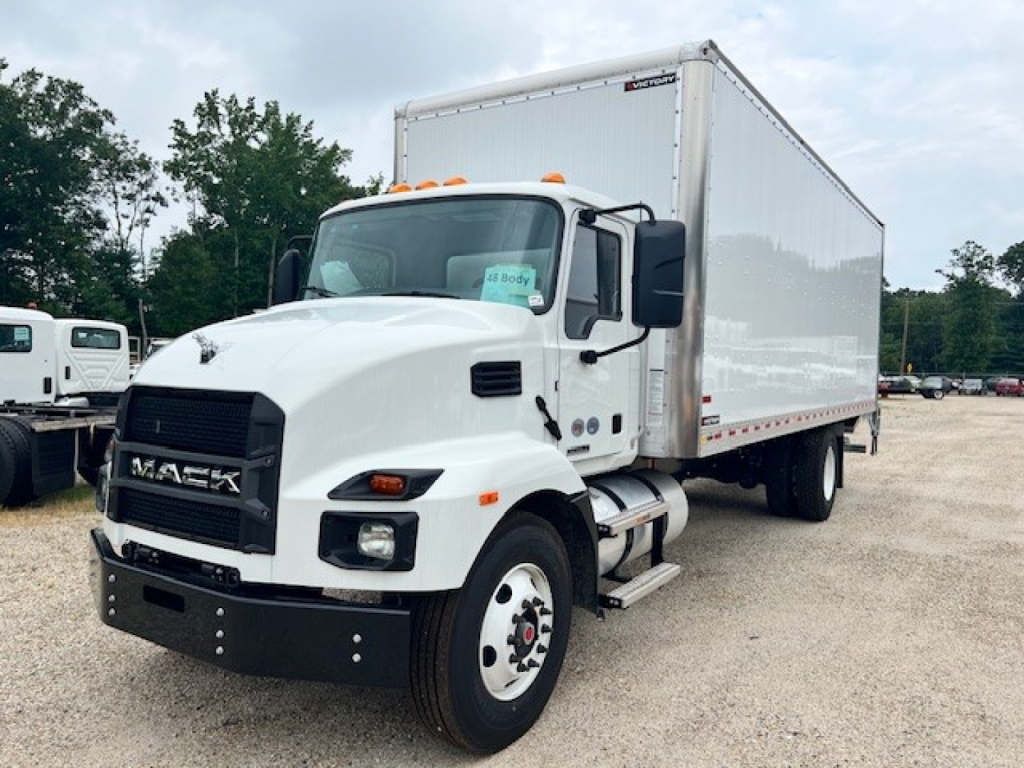
Selling a 2025 box truck? List your 2025 box truck for sale and reach thousands of commercial buyers.
2025 Box Trucks in Colorado
Body configuration matters as much as the chassis. Common 2025 box truck setups include 24-foot and 26-foot cargo bodies, 102-inch exterior width, hardwood or laminated wood floors, composite or aluminum wall construction, rear roll-up doors, and scuff protection for high-cycle loading. Interior cargo control is another key decision point. E-track on the side walls, bulkhead reinforcement, and dome lighting improve day-to-day usability, while a liftgate in the 3,000 to 3,300 pound range is often essential for palletized freight and deliveries without dock access. Buyers hauling carts, appliances, or mixed retail freight should pay close attention to platform size, rear frame construction, and floor durability.
Most 2025 medium-duty box trucks in this class are powered by engines such as the Cummins ISB6.7 paired with an Allison automatic transmission, a combination widely used because it is straightforward to operate, well supported, and well suited to stop-and-go work. For Colorado operators, horsepower and drivability matter on grades as much as payload does. Routes along the Front Range, mountain-adjacent corridors, and higher-elevation delivery areas can expose underpowered specifications quickly, so buyers should compare rear axle ratio, body length, and loaded operating weight together rather than looking at engine output alone. Cab equipment like power windows, heated mirrors, and backup alarms can also make a real difference on daily multi-stop routes.
The best 2025 box truck for sale is the one matched to freight density, delivery method, and driver requirements. A lighter cube body may maximize payload for general freight, while a heavier-duty body with stainless rear framing, galvanized scuff liners, and a robust liftgate may hold up better in demanding delivery service. Check inside height, door opening dimensions, floor thickness, and tiedown layout before comparing price. Those details affect how efficiently the truck loads, how often freight gets damaged, and how well the body holds up after years of dock bumps, pallet jack traffic, and repeated city-route use.
Frequently Asked Questions about 2025 Box Trucks in Colorado
What is the advantage of a 25,995 GVWR box truck?
A 25,995 pound GVWR box truck is commonly specified to stay under CDL requirements in many applications, which can expand the available driver pool and simplify hiring. It still offers enough chassis capacity for many local and regional delivery operations, especially when paired with a 24-foot or 26-foot van body. The tradeoff is that payload must be evaluated carefully once body weight, liftgate weight, fuel, and driver are factored in.
What body size is most common for a 2025 box truck?
For medium-duty straight trucks, 24-foot and 26-foot box bodies are among the most common configurations. A 24-foot body can be easier to route in tighter urban areas and may leave more room in the weight budget, while a 26-foot body provides more cube for lighter freight. The right choice depends on whether your operation cubes out first or weighs out first.
Do I need a liftgate on a box truck?
A liftgate is a major advantage if deliveries are made to locations without docks, if freight is palletized, or if drivers handle heavy products such as appliances, beverages, or commercial supplies. Capacities around 3,000 to 3,300 pounds are common in this class. Buyers should confirm not only capacity, but also platform dimensions, gate style, and how the gate works with the rear door and loading pattern.
What features inside the box matter most for cargo control?
E-track, scuff liners, bulkhead protection, interior lighting, and durable flooring are among the most important box features for daily freight handling. E-track gives drivers flexible tiedown points for mixed loads. Scuff and wear protection help the body stand up to pallet contact and shifting freight. Floor construction matters because repeated pallet jack traffic can shorten body life if the floor is underspecified for the work.
Are 2025 box trucks suitable for Colorado routes and elevation?
Yes, but Colorado buyers should pay close attention to powertrain and operating weight. Stop-and-go delivery on flatter Front Range routes may perform well with a standard under-CDL setup, but heavier loads and mountain-adjacent work can make engine output, transmission calibration, and rear axle ratio more important. A truck that looks adequate on paper can feel strained at elevation if the body is long and the payload runs heavy.