
2006 Box Trucks For Sale
Shop 2006 box trucks for delivery, moving, and dry freight work. Compare GVWR, box length, liftgates, door types, and drivetrains.
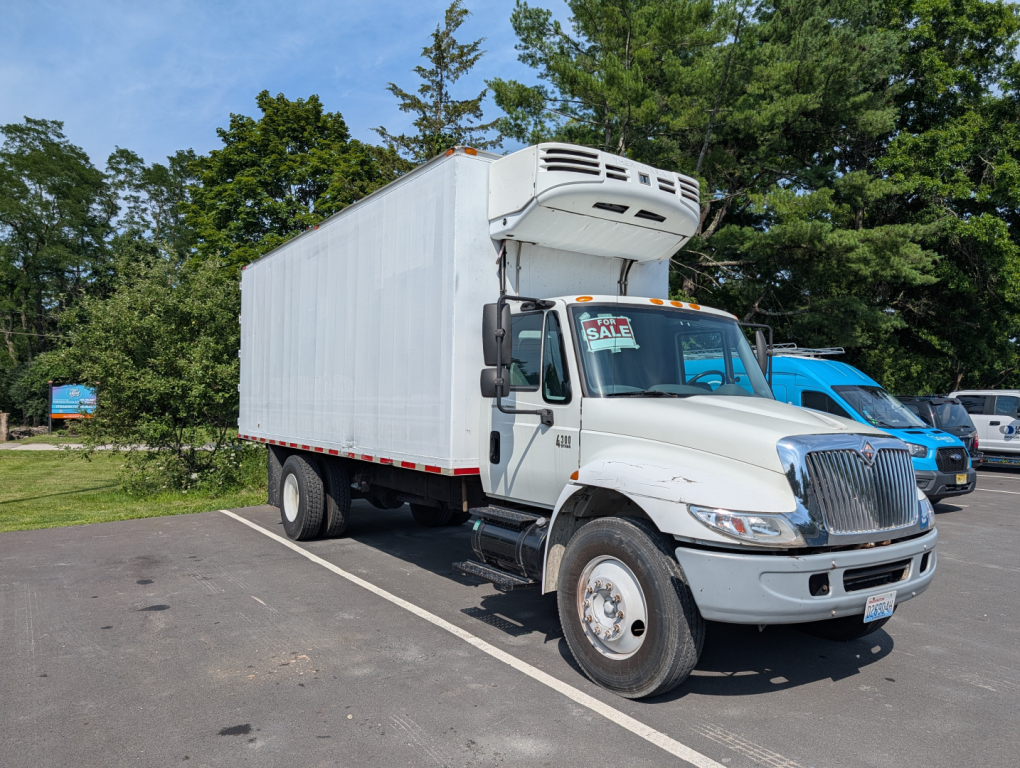
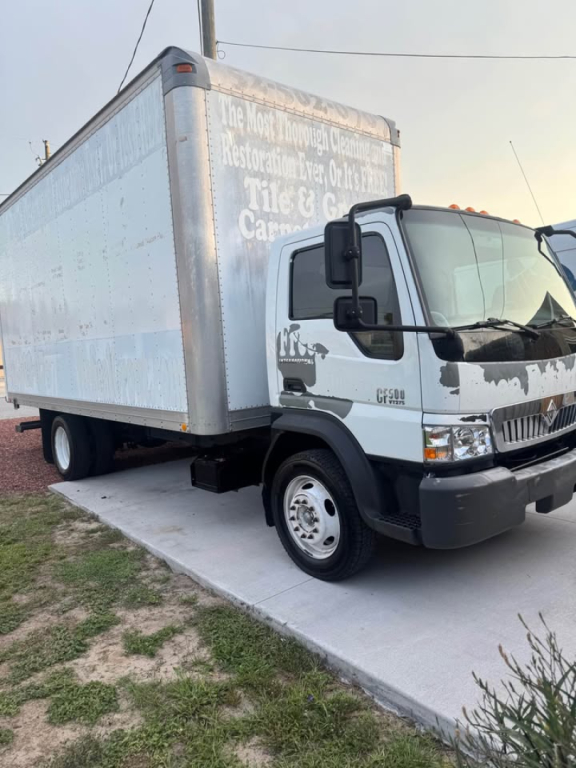
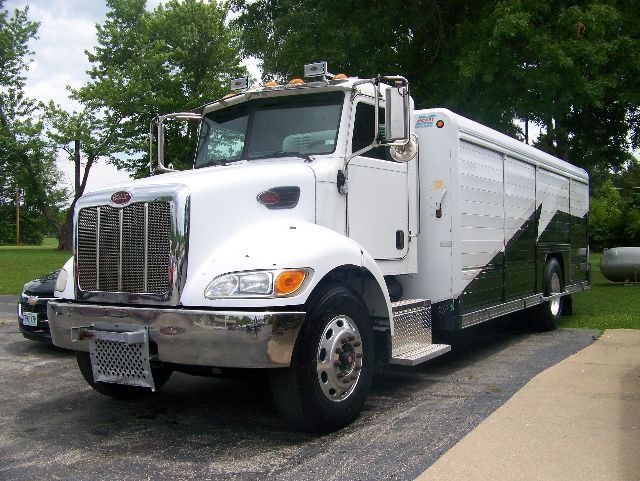
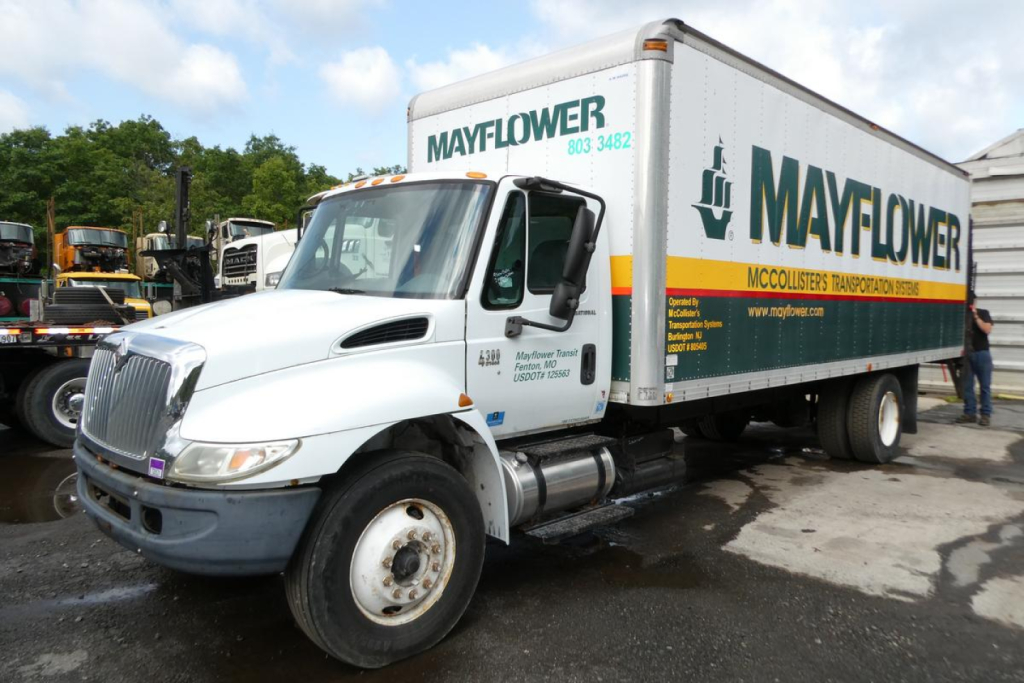

Selling a 2006 box truck? List your 2006 box truck for sale and reach thousands of commercial buyers.
2006 Box Trucks
The biggest dividing line in this year range is platform and powertrain. Smaller 2006 box trucks are often built on Ford E-Series, GMC, Chevrolet, or Isuzu chassis and are common in city delivery and moving applications. Larger units may be found on International, Freightliner, or similar medium-duty platforms with higher-capacity suspensions, larger brakes, and 22.5-inch rubber. Gas engines can make sense for lighter local routes and lower upfront cost, while diesel power is typically favored for heavier payloads and higher annual mileage. Transmission type, rear axle ratio, brake system, and cab access all matter because a truck that spends its life on tight urban stops has different needs than one running longer suburban or regional routes.
Body configuration is just as important as the chassis. Common features on 2006 box trucks include roll-up rear doors, swing doors, pull-out ramps, tuck-under liftgates, translucent roofs, e-track, plywood or composite scuff liners, and hardwood or laminated floors. Interior height and door opening dimensions can affect route efficiency as much as rated payload, especially for appliance, beverage, records, and final-mile freight. Buyers should also inspect the condition of the box itself, including roof bows, front wall seams, floor wear, door tracks, and evidence of water intrusion. On older trucks, corrosion around body mounts, cab corners, step areas, and frame surfaces is often as important as engine hours or odometer reading.
For a 2006 box truck, service history and current operating condition should carry more weight than brand alone. A well-maintained older unit can still be useful for local fleets, seasonal overflow, church or municipal work, and startup delivery operations, but it needs close review of brakes, tires, suspension, steering components, cooling system, liftgate operation, and any emissions-related equipment fitted to that chassis. Confirm axle ratings, cargo body manufacturer, wheelbase, and actual box dimensions before comparing listings. The right 2006 box truck is the one that matches the freight, route density, dock conditions, and driver requirements without leaving you short on payload or overbuilt for the job.
Frequently Asked Questions about 2006 Box Trucks
What is the typical box length for a 2006 box truck?
A 2006 box truck is commonly found with bodies from about 14 feet to 26 feet, depending on the chassis and intended use. Smaller cutaway-based trucks are often configured with 14-foot to 20-foot bodies for local delivery and moving, while medium-duty straight trucks are more often set up with 24-foot to 26-foot dry freight bodies. The best length depends on cubic capacity needs, loading dock access, and whether maneuverability in urban areas is a priority.
Can a 2006 box truck be operated without a CDL?
Many 2006 box trucks can be operated without a CDL if the GVWR is 25,950 lb or 26,000 lb and below, subject to state rules and the specific application. Non-CDL box trucks are common in 24-foot to 26-foot configurations on medium-duty chassis, but buyers should verify the exact door-jamb rating and any combined weight implications if towing is involved. Air brakes alone do not automatically require a CDL in every jurisdiction, so local licensing rules should always be confirmed.
What should I inspect first on an older 2006 box truck?
Start with the cargo body, frame condition, and maintenance records. Water leaks, soft flooring, rust at body mounts, worn roll-up door hardware, and liftgate issues can quickly turn an older truck into a costly repair unit. After that, inspect engine performance, transmission shift quality, brake wear, tire age, suspension bushings, steering play, and cooling system condition. On a 2006 truck, overall upkeep usually matters more than brand badge or mileage alone.
Is a gas or diesel 2006 box truck better?
Gas engines are often a good fit for lighter payloads, shorter routes, and buyers looking for a lower initial purchase price. Diesel engines are usually better suited to heavier loads, longer operating cycles, and higher annual mileage because they generally deliver stronger low-end torque and longer service life when maintained properly. The better choice depends on route profile, payload, repair budget, and local technician support for that engine platform.
What body features matter most on a 2006 box truck?
The most important body features depend on how freight is handled at each stop. A tuck-under liftgate is valuable for palletized freight without dock access, while a pull-out ramp is common for hand-truck delivery and moving applications. Roll-up doors help in tight spaces, and interior equipment like e-track, scuff liners, and durable flooring can improve cargo control and reduce damage. Buyers should also verify inside dimensions, rear door opening height, and the structural condition of the roof and floor.