
Box Trucks For Sale in Texas
Browse box trucks for sale in Texas, including light and medium-duty dry van trucks for delivery, moving, route service, and general freight.
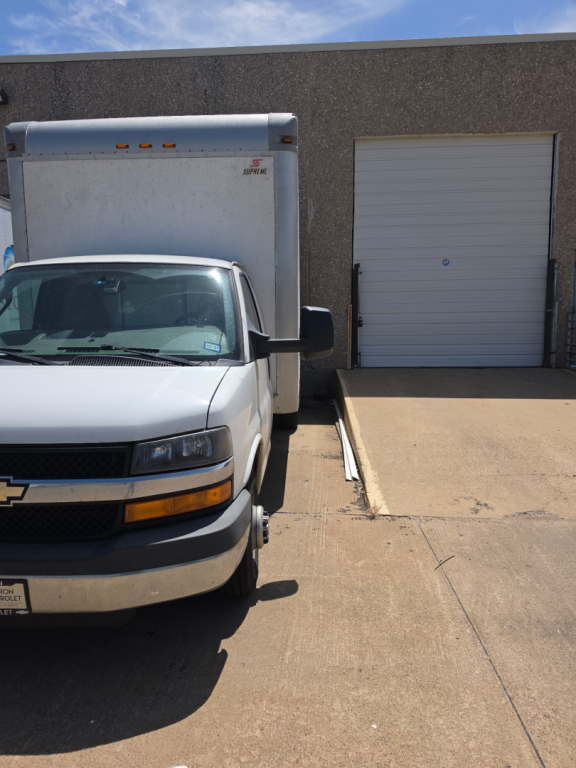
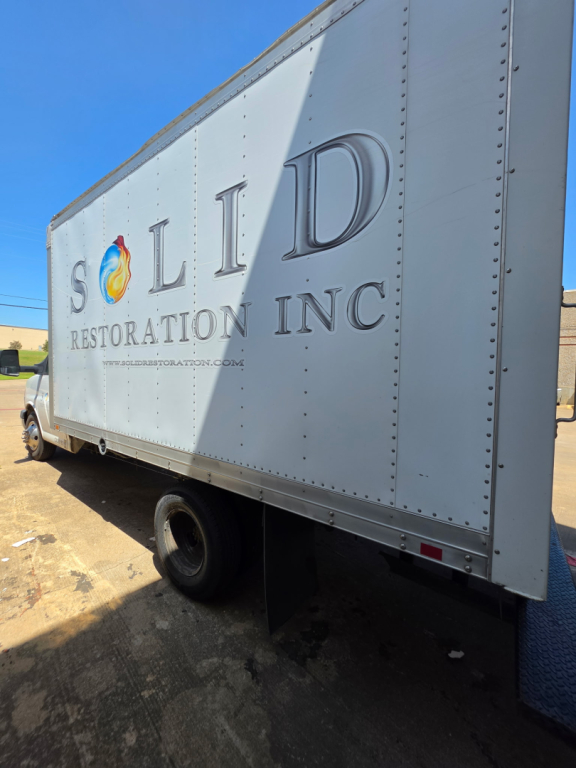
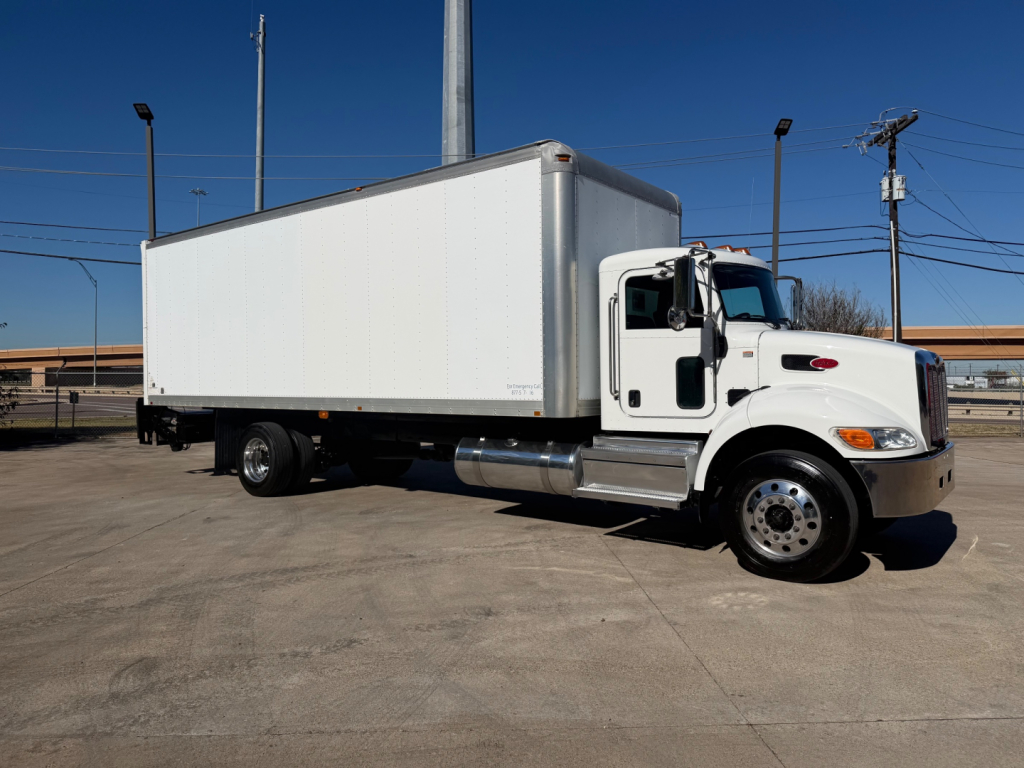
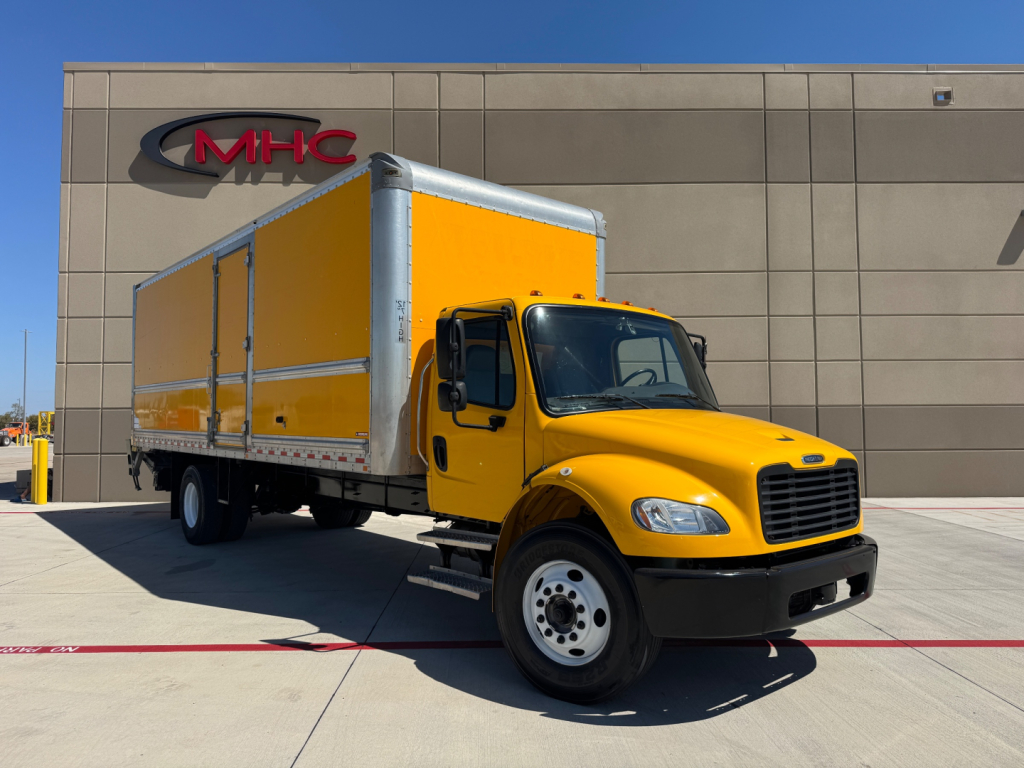
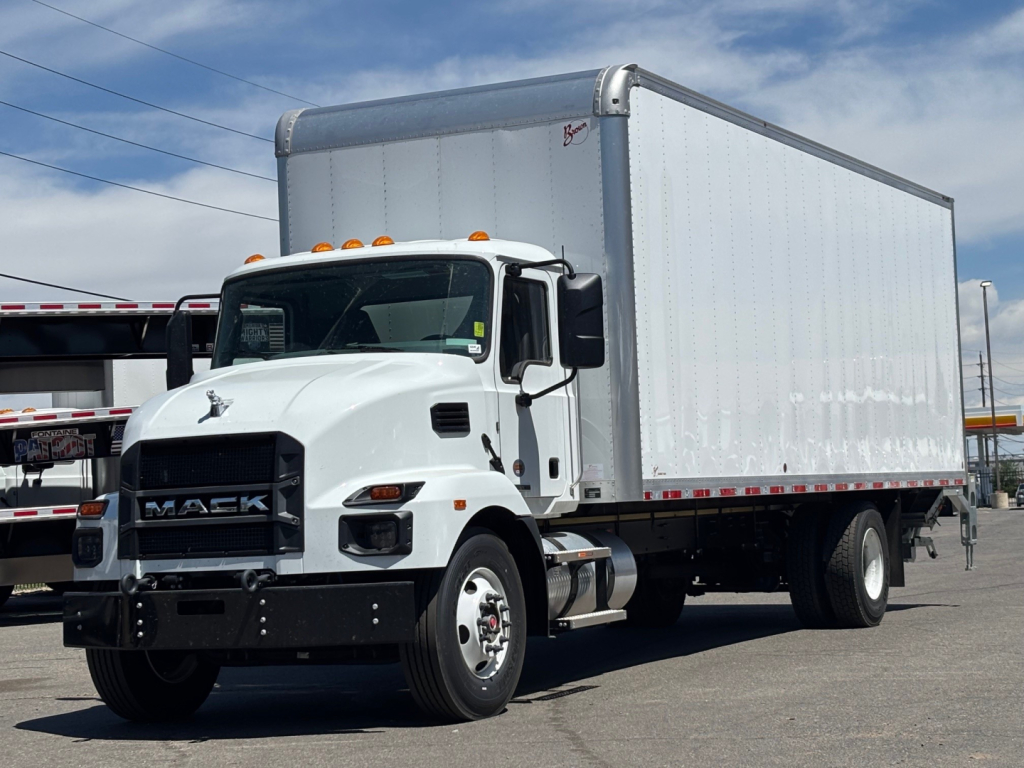

Selling a box truck? List your box truck for sale and reach thousands of commercial buyers.
Box Trucks in Texas
Frequently Asked Questions about Box Trucks in Texas
What size box truck is best for local delivery work in Texas?
For dense urban and suburban delivery, many buyers look at 14-foot to 20-foot box trucks on light or medium-duty chassis because they balance cargo volume with maneuverability. For furniture, appliance, route distribution, and dock work, 24-foot to 26-foot bodies are common because they maximize cube and often support liftgates, pallet loading, and heavier payloads. The right size depends on cargo dimensions, stop frequency, docking conditions, and whether the truck will operate mainly in city streets or on longer regional highway routes.
What should I check first when comparing used box trucks?
Start with GVWR, body length, wheelbase, and actual axle ratings because those numbers determine payload capacity and handling. Then review engine type, transmission, service history, body condition, roof and corner integrity, floor wear, roll-up door operation, and liftgate function if equipped. On used box trucks, buyers should also inspect the cargo box for leaks, delamination, corrosion, frame rust, and damage around the bulkhead, scuff liners, and rear threshold because body repairs can add up quickly.
Are diesel or gas box trucks better?
Gas box trucks are often a practical fit for lighter-duty local routes with lower acquisition cost and simpler emissions systems. Diesel box trucks usually make more sense for heavier payloads, longer routes, and higher annual mileage because they typically offer more torque and stronger performance in medium-duty applications. The best choice depends on route length, idle time, maintenance capability, fuel availability, and total cost of ownership over the life of the truck.
What features matter most on a box truck body?
The body matters as much as the chassis. Buyers usually focus on inside height, door opening dimensions, floor material, E-track or logistics posts, scuff liners, translucent roof panels, and liftgate capacity. For multi-stop delivery, a low load height, durable roll-up rear door, grab handles, and a well-matched liftgate improve productivity. For freight protection, pay attention to box seal condition, wall construction, and how well the body has held up around hinges, roof caps, and corner posts.
Do I need a CDL to operate a box truck?
Not always. Many box trucks are spec'd below the 26,001-pound GVWR threshold and can be operated without a CDL in many applications, assuming no other CDL-triggering conditions apply. Larger medium-duty box trucks can be rated above that threshold, especially 24-foot to 26-foot units built for heavier freight. Buyers should confirm GVWR, air brake configuration, licensing rules, and intended cargo before purchase because registration and driver qualification requirements can change with the truck's rating and use.