
2024 Box Trucks For Sale
Shop 2024 box trucks for sale, including dry freight and moving bodies with liftgates, roll-up doors, GVWR options, and delivery-ready specs.
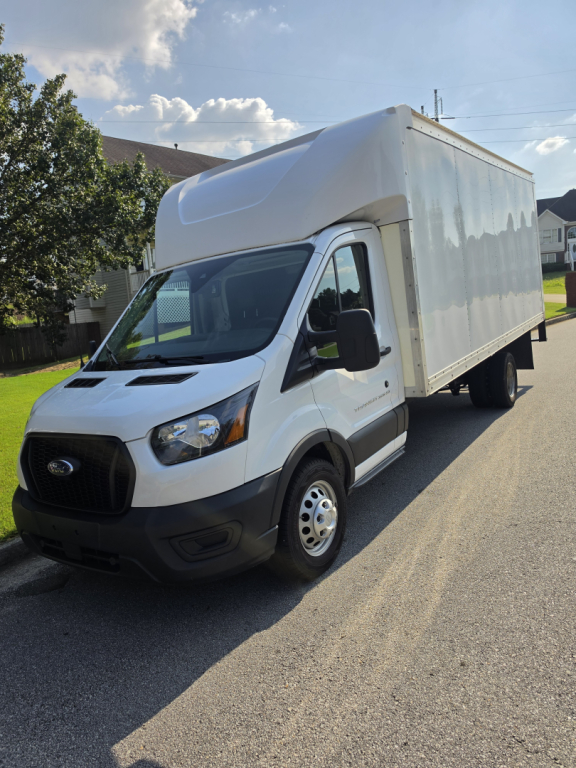
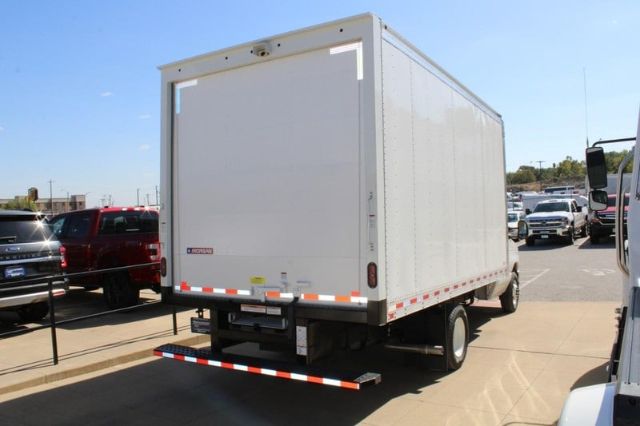
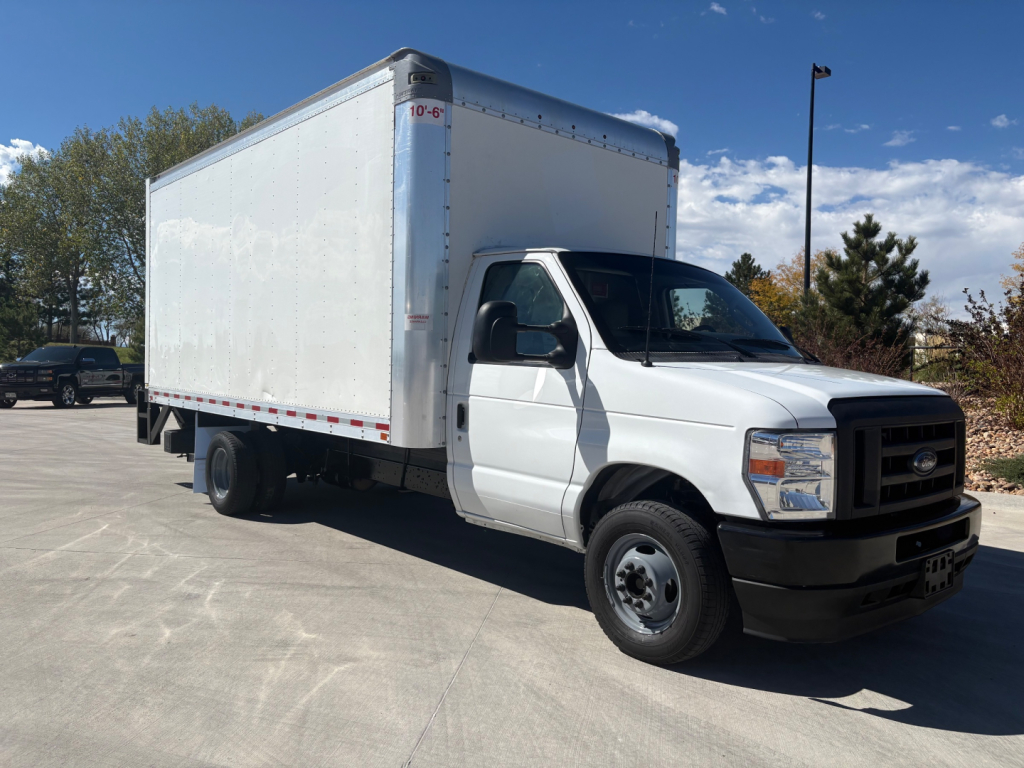
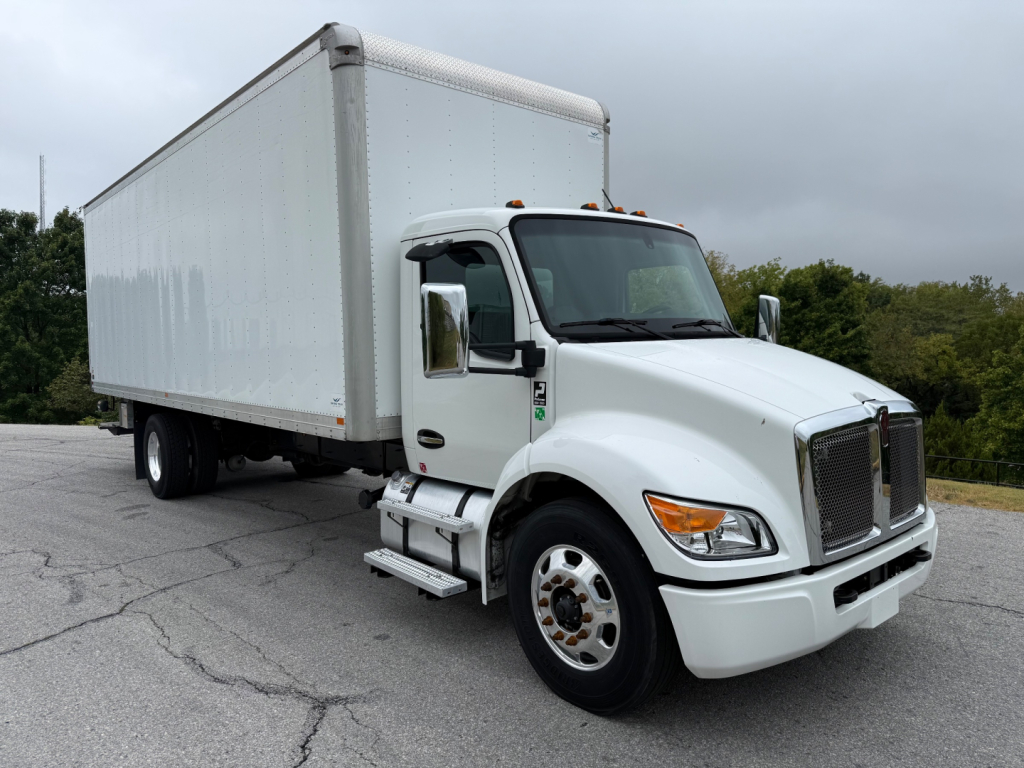
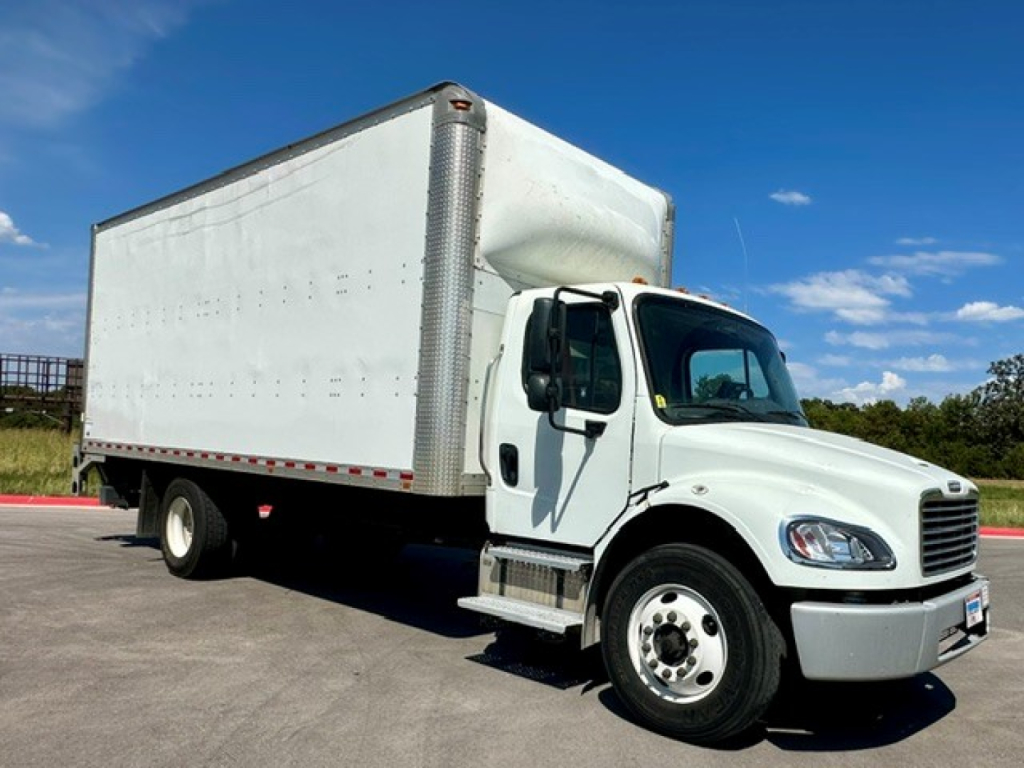
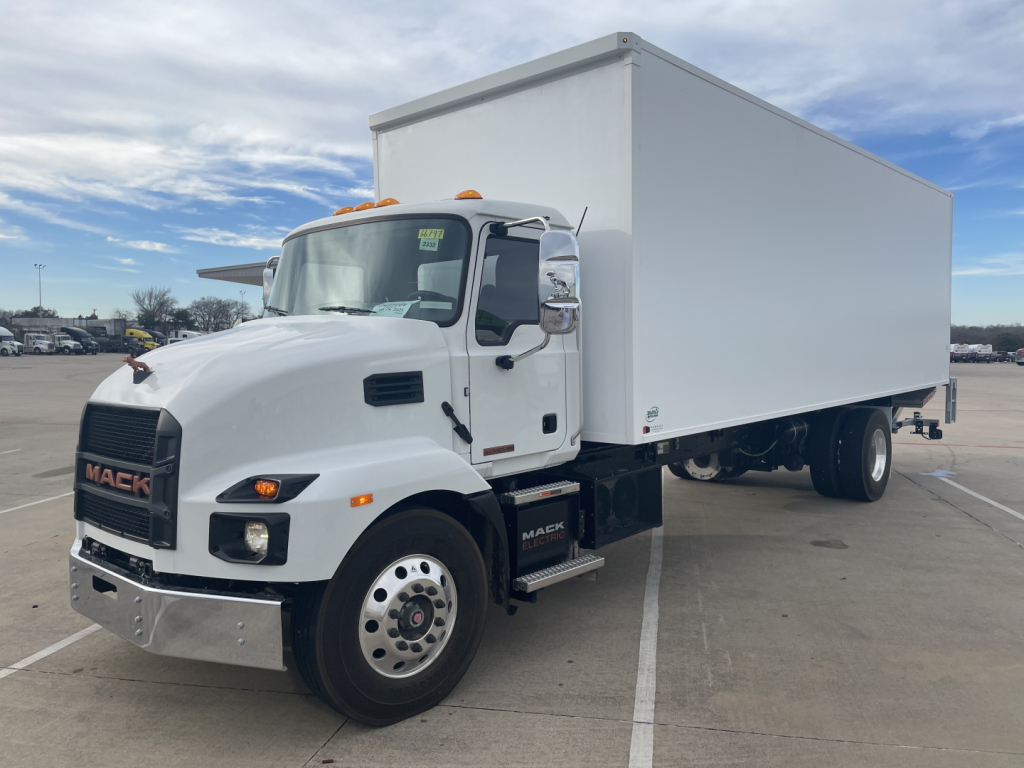
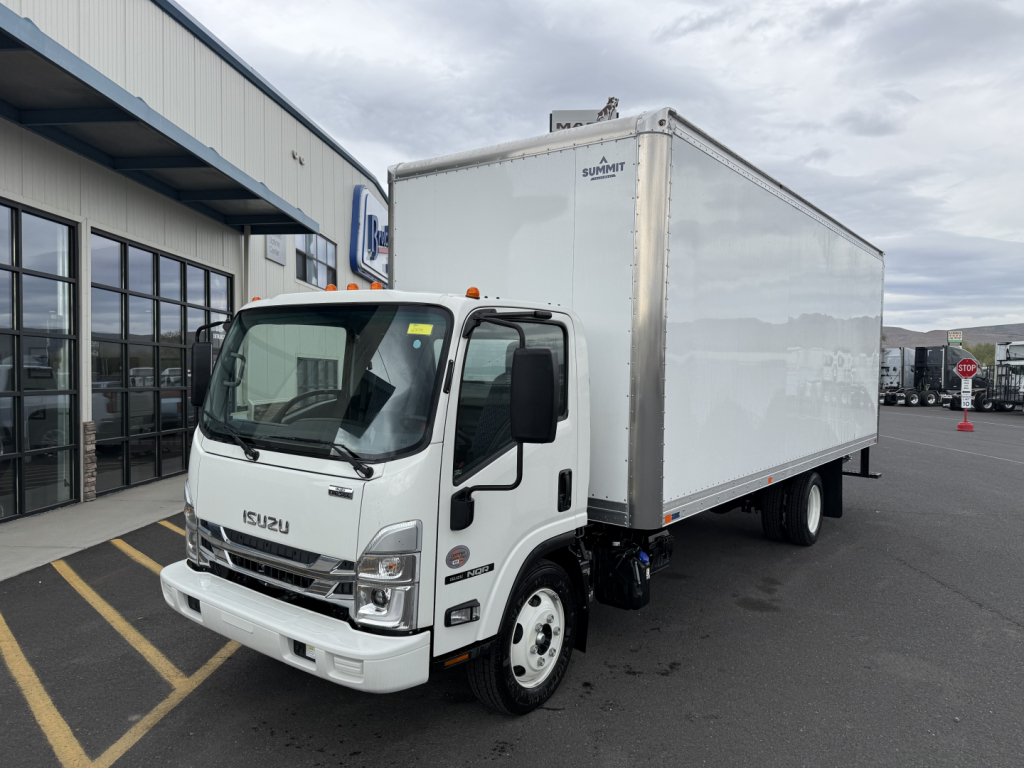
Selling a 2024 box truck? List your 2024 box truck for sale and reach thousands of commercial buyers.
2024 Box Trucks
The chassis and powertrain decision affects operating cost as much as payload. In the 2024 model year, many box trucks in this class use diesel engines in the 220 to 280 horsepower range paired with Allison automatic transmissions such as the 2200RDS or 2500RDS. Medium-duty buyers should compare spring suspension versus air ride, wheelbase, rear axle ratio, brake type, and tire size because those details change ride quality, dock approach, and stop-and-go efficiency. Air brakes are common on heavier 25,999-pound and 26,000-pound applications, while hydraulic brakes still appear on lighter builds. If the truck will spend most of its life in dense city work, a tighter wheelbase and lower deck height can be more valuable than a few extra cubic feet.
Body specification is where a box truck either fits the job or becomes a daily compromise. Dry freight bodies are commonly 96 or 102 inches wide, with interior heights around 96 to 103 inches. Roll-up rear doors remain the standard for multi-stop work, while tuck-under liftgates in the 2,500 to 3,500 pound range are a major advantage for palletized freight, appliances, and final-mile delivery. Buyers moving carts, furniture, or mixed freight should pay attention to logistics track or E-track, slat lining, scuff liners, hardwood or laminated flooring, translucent roofs, forklift reinforcement, and rear frame construction. Composite sidewalls can reduce weight and resist corrosion, while steel or stainless rear frames hold up better at the door opening, which is one of the highest-wear areas on any van body.
For a 2024 box truck, the best buying decision usually comes down to matching cube, payload, and unloading method to the route. A local beverage, janitorial, or foodservice operation may prioritize liftgate performance, body durability, and turning radius. A moving or rental application may put more value on interior height, walk ramps, and wall protection. Regional dry freight and dedicated delivery fleets often look closely at cab ergonomics, camera visibility, service-network support, and upfit quality because downtime on a straight truck is often caused by body components as much as by the chassis. When comparing listings, focus on GVWR, cab-to-axle, wheelbase, body length, door opening dimensions, liftgate rating, and interior cargo spec before looking at cosmetics.
Frequently Asked Questions about 2024 Box Trucks
What size box truck is best for local delivery work?
The best size depends on product density and stop frequency, but 20-foot to 26-foot box trucks are the most common for local delivery. A 24-foot or 26-foot body gives strong cubic capacity for furniture, appliances, and parcel routes, while a shorter 20-foot or 22-foot truck can be easier to maneuver in urban streets and tight docks. Buyers should balance cargo cube with wheelbase, turning radius, and legal GVWR because a truck that carries enough volume but is difficult to park or load can slow the route every day.
Is a 26,000 GVWR box truck considered under CDL?
In many applications, yes. A box truck rated at 25,995 pounds or 26,000 pounds GVWR is commonly purchased to stay below the federal CDL threshold, assuming the operation does not trigger other licensing requirements such as passenger or hazardous materials endorsements. Buyers should still verify state rules, combined vehicle weight, and any company-specific insurance or hiring standards, because legal compliance depends on the full operating setup, not just the number on the door sticker.
What features matter most on a dry freight box body?
The most important body features are the ones that reduce daily handling time and protect cargo. Roll-up doors are preferred for frequent stop work, while a tuck-under liftgate is critical for palletized deliveries without dock access. Inside the body, E-track or logistics track, scuff liners, slat lining, durable flooring, and adequate interior height all affect how safely and efficiently cargo can be secured and moved. Rear frame construction, roof design, and wall material also matter because those areas directly affect body life and repair cost.
What is the difference between a box truck and a straight truck?
A box truck is a type of straight truck. Straight truck means the cab and cargo body share one chassis and are not separated like a tractor and trailer combination. In the market, buyers often use box truck, dry van truck, cube truck, and straight truck interchangeably when referring to an enclosed cargo body used for general freight, moving, or delivery service. The exact configuration still varies by GVWR, body length, and cargo equipment.
Should I choose a liftgate on a 2024 box truck?
A liftgate is one of the most valuable options if the truck will handle pallets, heavy appliances, commercial equipment, or deliveries to locations without docks or forklifts. Capacities around 3,000 to 3,500 pounds are common on medium-duty box trucks and suit many final-mile applications. The tradeoff is added weight, maintenance, and rear overhang considerations, so buyers hauling only hand-loaded cartons may prefer the extra payload of a truck without one. The right choice depends on unloading conditions, freight type, and how often drivers need independent ground-level access.