
2005 Box Trucks For Sale
Shop 2005 box trucks for delivery, moving, and service work. Compare GVWR, box length, liftgate, engine, and CDL requirements.
Selling a 2005 box truck? List your 2005 box truck for sale and reach thousands of commercial buyers.
2005 Box Trucks
The biggest buying decision is usually chassis type and powertrain. In 2005, common gas options included Ford V10 and GM V8 platforms, while diesel choices often came from International, Freightliner, Ford, Isuzu, and Hino-based medium-duty trucks. Gas trucks can be simpler for low-mileage local use, but diesel trucks usually make more sense when payload, longevity, and stop-and-go commercial work are priorities. Check transmission type, rear axle ratio, brake system, wheel size, and suspension setup because those details affect acceleration, serviceability, and ride quality when the truck is loaded. On medium-duty units, air brakes and 22.5-inch rubber are common indicators of a more work-oriented spec.
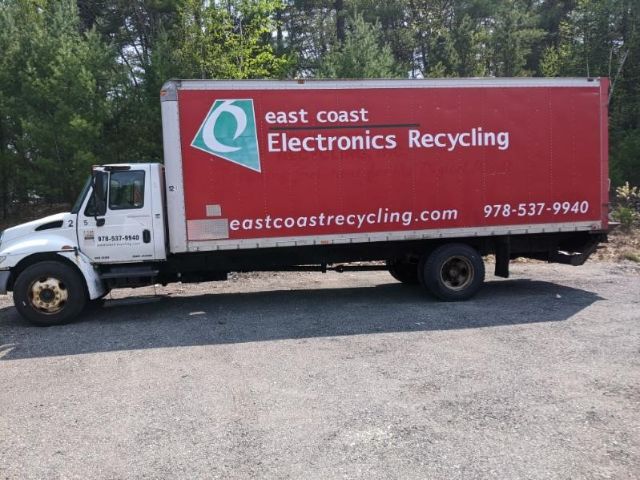
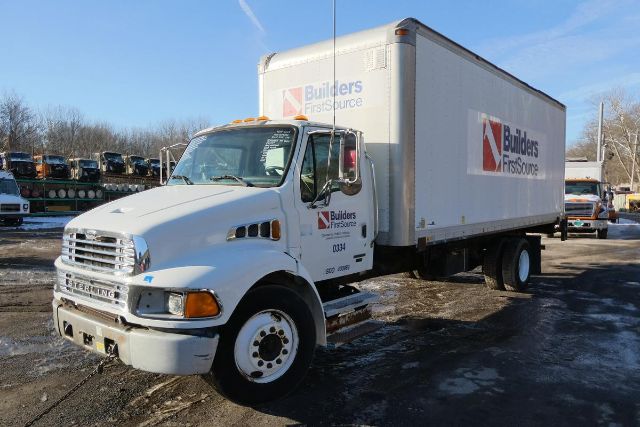
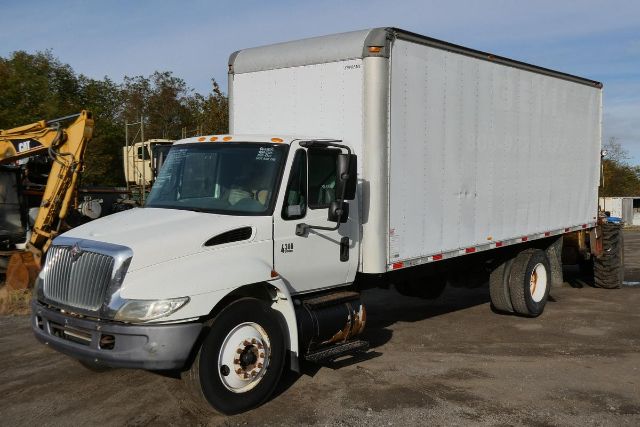
Body condition is just as important as drivetrain condition on a 2005 box truck. Pay close attention to box length, inside height, door opening dimensions, floor material, roof condition, crossmembers, and signs of moisture intrusion. A roll-up rear door is standard on many dry freight bodies, but some trucks also carry pull-out ramps or tuck-under liftgates for route delivery. E-track, scuff liners, translucent roofs, cargo lighting, and bulkheads can add real day-to-day value depending on the freight. If palletized freight is part of the plan, verify liftgate capacity, floor rating, and dock height compatibility. For moving applications, interior wall condition and tie-down layout matter as much as miles.
Because these are older commercial trucks, buyers should evaluate maintenance history and parts support before comparing price alone. A well-kept 2005 box truck with documented engine, transmission, brake, suspension, and body repairs can be a better buy than a newer truck with deferred maintenance. Look closely at frame corrosion, fuel system condition, tire date codes, steering wear, and any evidence of hard city use. Emissions requirements can also matter by state and metro area, so confirm registration and compliance rules before purchase. The right 2005 box truck is usually the one that matches your route density, payload needs, loading method, and service budget without forcing unnecessary complexity.
Frequently Asked Questions about 2005 Box Trucks
What size box truck is common for a 2005 model year?
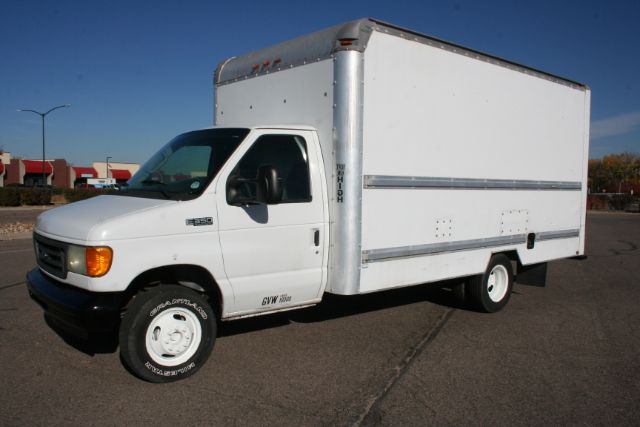
A 2005 box truck can range from smaller cutaway-based units around 10 feet to 16 feet up to medium-duty straight trucks with 20-foot, 24-foot, and 26-foot bodies. The most common commercial configurations are 16-foot to 26-foot dry freight bodies. Smaller trucks are easier in urban service and tighter delivery environments, while 24-foot to 26-foot trucks are more common for moving, palletized freight, and higher cube applications.
Can a 2005 box truck be operated without a CDL?
Many 2005 box trucks were built with a GVWR of 25,950 pounds specifically to stay under the federal 26,001-pound CDL threshold, but not every truck in this category is non-CDL. The correct answer depends on the truck's door-sticker GVWR, brake system, cargo, and state regulations. Buyers should verify the exact GVWR and intended use before assuming a truck can be legally operated without a CDL.
Is a gas or diesel engine better in a 2005 box truck?
Gas engines in a 2005 box truck are often a good fit for lighter payloads, lower annual mileage, and simpler local operations. Diesel engines generally suit heavier freight, longer service life expectations, and medium-duty commercial use where torque and durability are priorities. The better choice depends on route length, idle time, maintenance capability, and how much payload the truck will carry on a regular basis.
What should I inspect on an older box truck body?
Focus on water leaks, roof seams, front wall damage, floor rot, rear frame corrosion, crossmember condition, and the operation of the roll-up door. If the truck has a liftgate, inspect platform wear, cylinders, wiring, and rated capacity. Interior features like E-track, scuff liners, cargo lighting, and a sound bulkhead can add value, but structural condition matters most because body repairs on an older box truck can quickly outweigh a lower purchase price.
What is the best use for a 2005 box truck?
A 2005 box truck is usually best suited for local and regional work such as final-mile delivery, moving, furniture hauling, contractor supply runs, event support, and mobile service applications. The enclosed body protects freight from weather and theft better than an open platform. Buyers should match body size, payload rating, and loading equipment to the actual freight because a truck that is oversized or undersized for the route will cost more to run and be less productive.