
2015 Box Trucks For Sale
Browse 2015 box trucks with common specs, GVWR ranges, body lengths, liftgate options, and delivery-ready features for freight use.
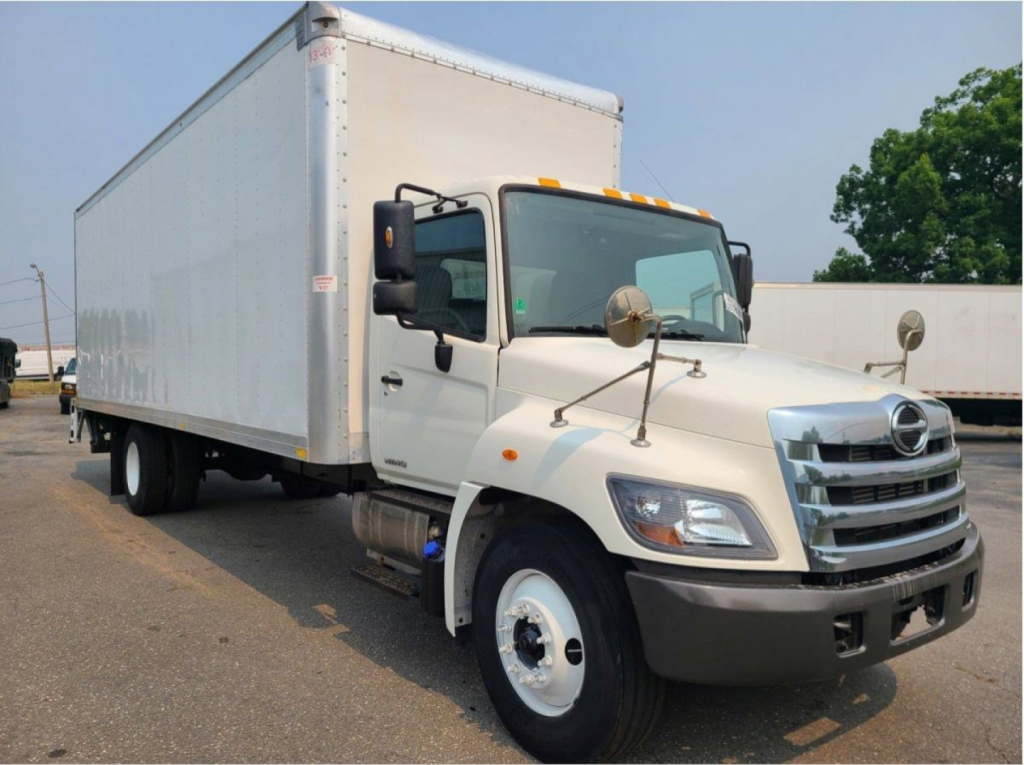
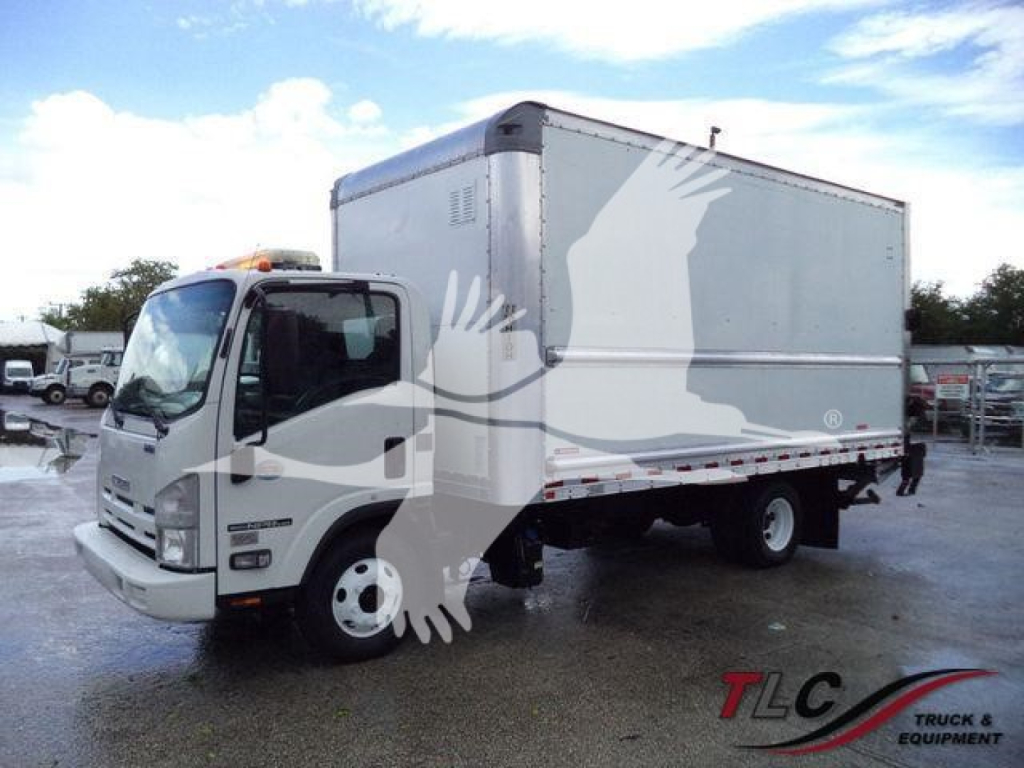
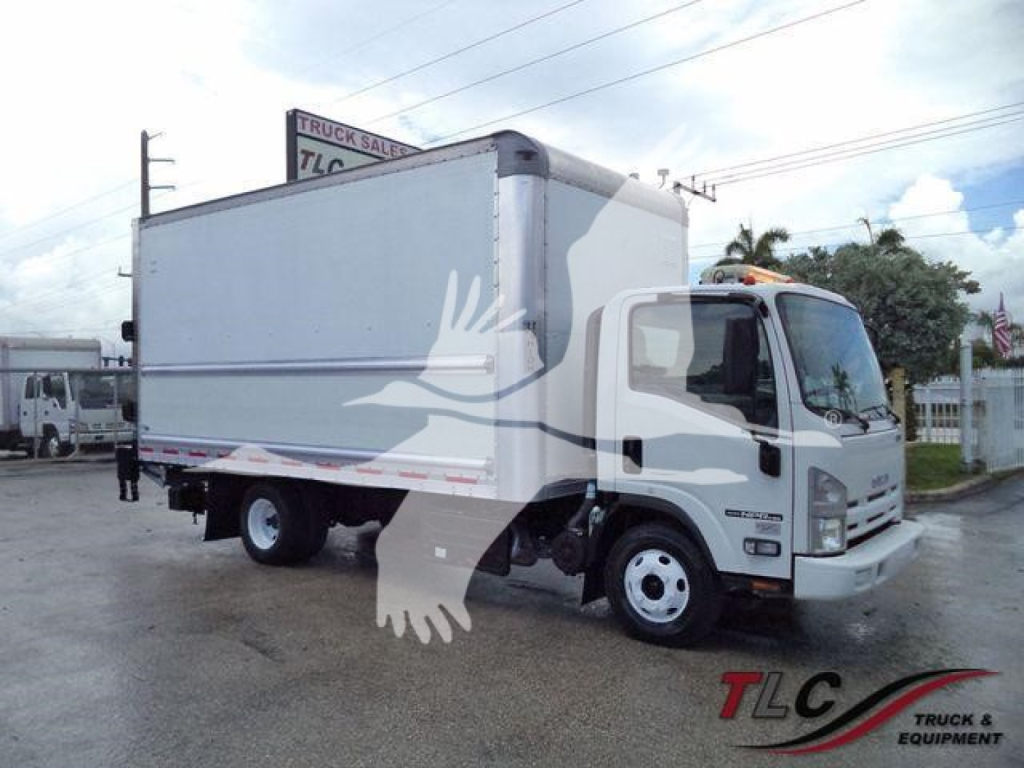
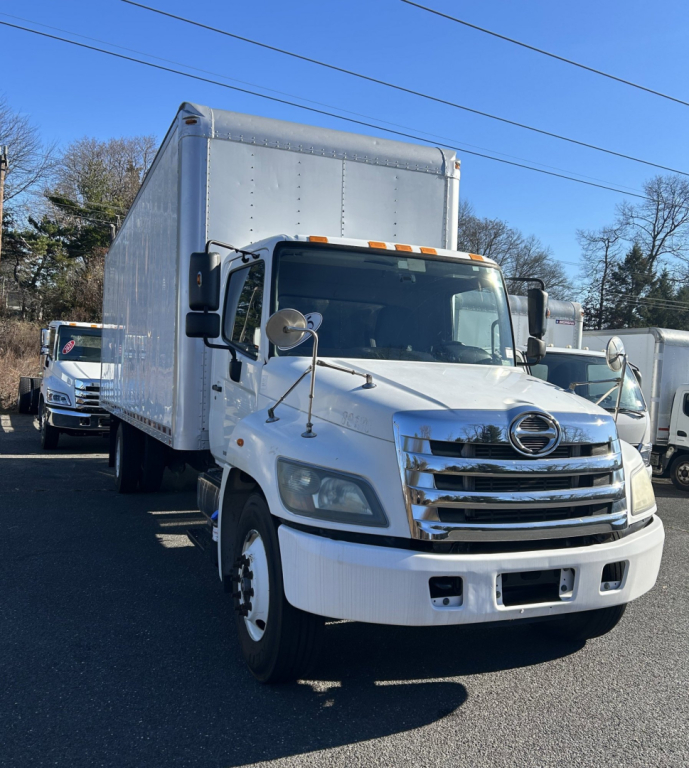
Selling a 2015 box truck? List your 2015 box truck for sale and reach thousands of commercial buyers.
2015 Box Trucks
Frequently Asked Questions about 2015 Box Trucks
What should I check first when buying a 2015 box truck?
Start with GVWR, body length, and powertrain because those three factors determine licensing, payload, route suitability, and service costs. Many buyers target non-CDL trucks under 26,000 pounds GVWR, but payload can vary widely depending on the chassis, body material, liftgate, and prior upfitting. Confirm the box dimensions, door opening height, and whether the truck has a roll-up door, swing doors, ramp, or liftgate. After that, review engine hours, transmission type, maintenance records, tire size, brake type, and any signs of water intrusion or floor damage inside the box.
Is a 2015 box truck likely to be non-CDL?
Many 2015 box trucks were built specifically to stay under the 26,001 pound CDL threshold, especially 24 to 26 foot dry freight trucks on medium-duty chassis rated around 25,950 pounds GVWR. That said, not every 2015 box truck is non-CDL. Smaller cutaway units are well below that limit, while some heavier straight trucks exceed it. The only reliable way to confirm is to check the door sticker or chassis rating plate and compare it to the truck's actual configuration, including any liftgate or refrigeration equipment.
Which is better in a 2015 box truck, gas or diesel?
Gas engines are common in lighter cutaway box trucks and are often preferred for shorter routes, lower upfront cost, and simpler service access. Diesel engines are more common in medium-duty 2015 box trucks and usually offer better torque, stronger performance under load, and longer life in high-mileage delivery applications. The right choice depends on payload, annual mileage, idle time, and service network. A diesel truck often fits heavier urban freight and regional delivery, while a gas truck can be a solid match for lighter parcel, retail, and service routes.
What body and equipment options matter most on a used 2015 box truck?
The most important body features are box length, interior height, floor condition, roof condition, and the type of rear access. A tuck-under liftgate adds versatility for palletized freight without a dock, while a pull-out ramp can be useful for carts, appliances, and hand-loaded deliveries. Buyers should also look for E-track, scuff liners, translucent roof panels, side doors, and condition of the roll-up door hardware. On the chassis side, air brakes, suspension type, wheel size, and cab ergonomics matter because they affect driver comfort, uptime, and operating cost.
How many miles is acceptable on a 2015 box truck?
Mileage has to be judged alongside engine type, maintenance history, idle time, and application. A well-maintained medium-duty diesel box truck can still be a viable fleet unit at mileage levels that would be considered high on a lighter gas cutaway. The better question is how the truck was used and serviced. Delivery trucks with regular PM records, transmission service, brake work, and documented body repairs can be stronger buys than lower-mileage units with deferred maintenance or structural box issues.