
2016 Box Trucks For Sale
Shop 2016 box trucks with common specs, GVWR ranges, body lengths, liftgate options, and buying tips for delivery and route work.


Selling a 2016 box truck? List your 2016 box truck for sale and reach thousands of commercial buyers.
2016 Box Trucks
Frequently Asked Questions about 2016 Box Trucks
What body size is most common on a 2016 box truck?
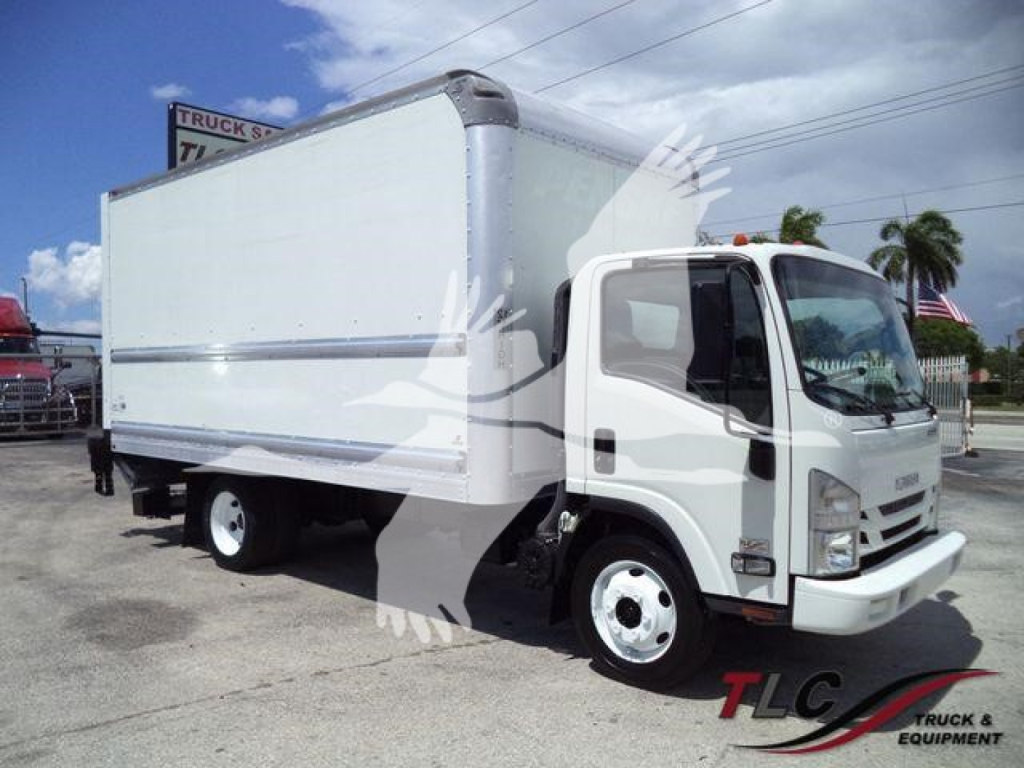
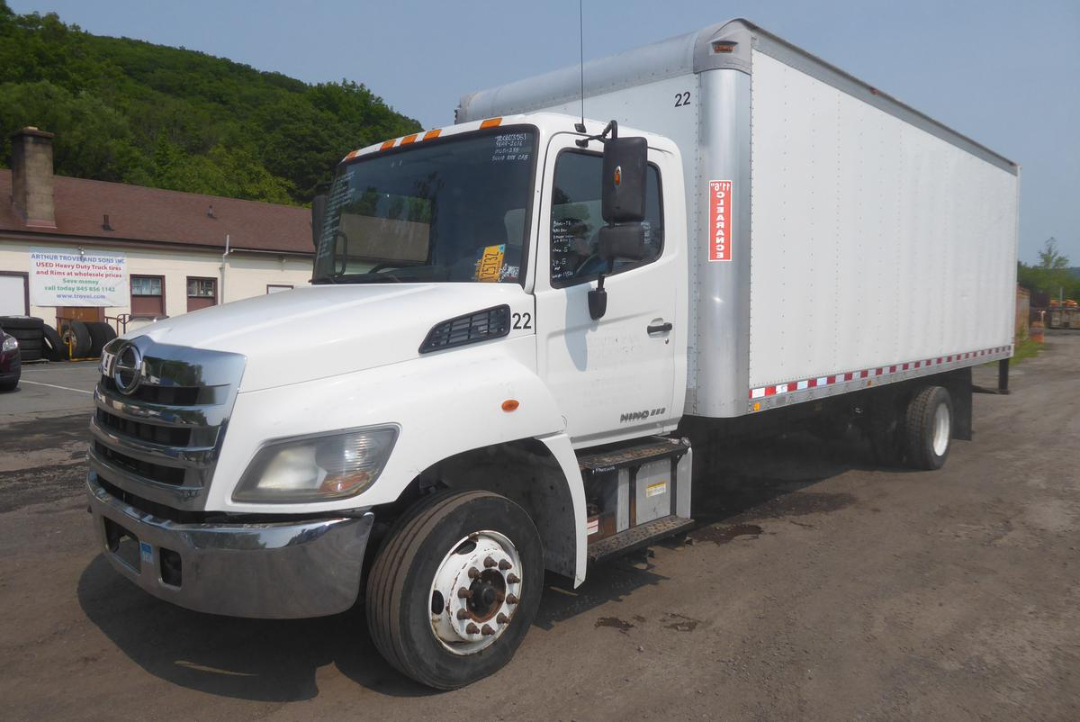
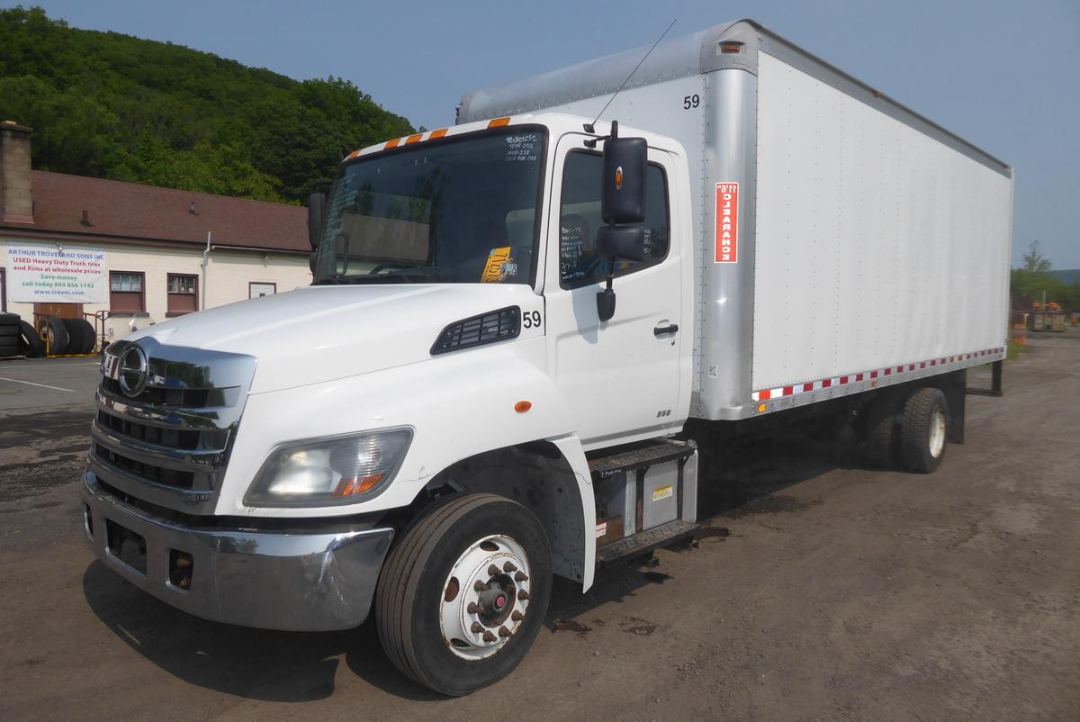
The most common body lengths on a 2016 box truck are 14 feet, 16 feet, 20 feet, 24 feet, and 26 feet. Smaller cabover models often carry 14-foot to 18-foot bodies for urban delivery, while medium-duty conventional chassis commonly run 24-foot to 26-foot dry freight bodies. The right size depends on freight cube, dock access, turning radius, and payload target. A longer body adds cargo volume, but it can also reduce maneuverability and increase the chance of overloading a lighter chassis.
Is a 2016 box truck usually under CDL?
Many 2016 box trucks were spec'd under CDL, especially units with GVWR ratings from 14,500 to 25,999 pounds. That said, plenty of 26,000-pound and heavier box trucks from 2016 are in the market, particularly 24-foot and 26-foot units with liftgates. Buyers should verify the door sticker GVWR, registered weight, axle ratings, and body upfit because two trucks with similar box lengths can fall on different sides of the CDL threshold.
What should I check first on a used 2016 box truck?
Start with the chassis and body match. Confirm GVWR, front and rear axle ratings, wheelbase, cab-to-axle measurement, and actual box length. Then inspect the box structure, roof, front wall, crossmembers, floor condition, rear frame, roll-up door hardware, and any liftgate operation. On the truck side, pay close attention to engine hours versus miles, transmission shift quality, brake type, tire date codes, suspension wear, DEF and aftertreatment history on diesels, and signs of water intrusion inside the cargo area. A clean body on a tired chassis, or a strong chassis under a damaged box, can change the truck's value quickly.
Are diesel or gas engines better in a 2016 box truck?
Diesel is still common in 2016 box trucks, especially in Isuzu, Hino, Freightliner, and International applications where torque, longevity, and payload matter. Gas engines can make sense for lighter-duty urban routes, lower annual mileage, and fleets trying to reduce emissions system complexity. The better choice depends on duty cycle. Frequent stop-and-go operation with light loads may favor gas in some applications, while heavier delivery routes, reefer work, and higher-mileage service generally favor diesel torque and fuel efficiency.
What options add the most value on a 2016 box truck?
A working liftgate, good cargo body dimensions, and a clean dry box usually have the biggest impact because they directly affect daily usability. Buyers also look for aluminum or hardwood flooring in good condition, translucent roof panels, E-track, slats, step bumpers, backup cameras, air ride seats, and power accessories. For route work, automatic transmission, low step-in height, and tight turning radius matter. For freight handling, dock-height compatibility, rear door opening dimensions, and liftgate capacity are often more important than cab trim.