
2018 Box Trucks For Sale
Shop 2018 box trucks for sale, including delivery vans with liftgates, roll-up doors, and medium-duty specs for local and regional use.
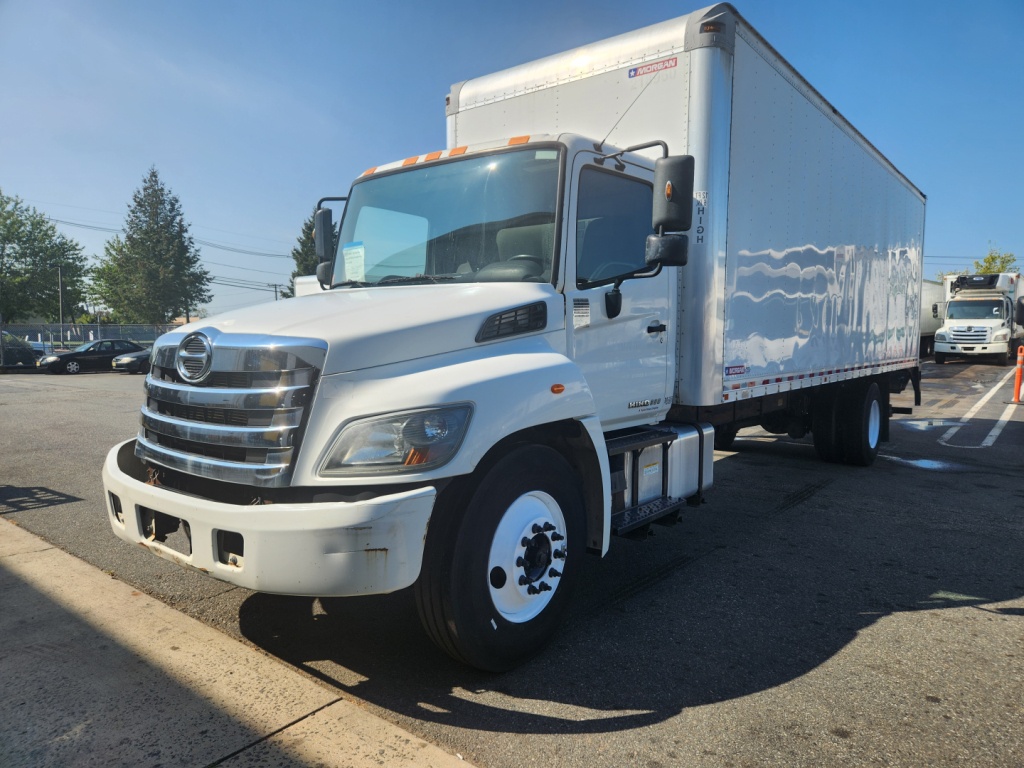
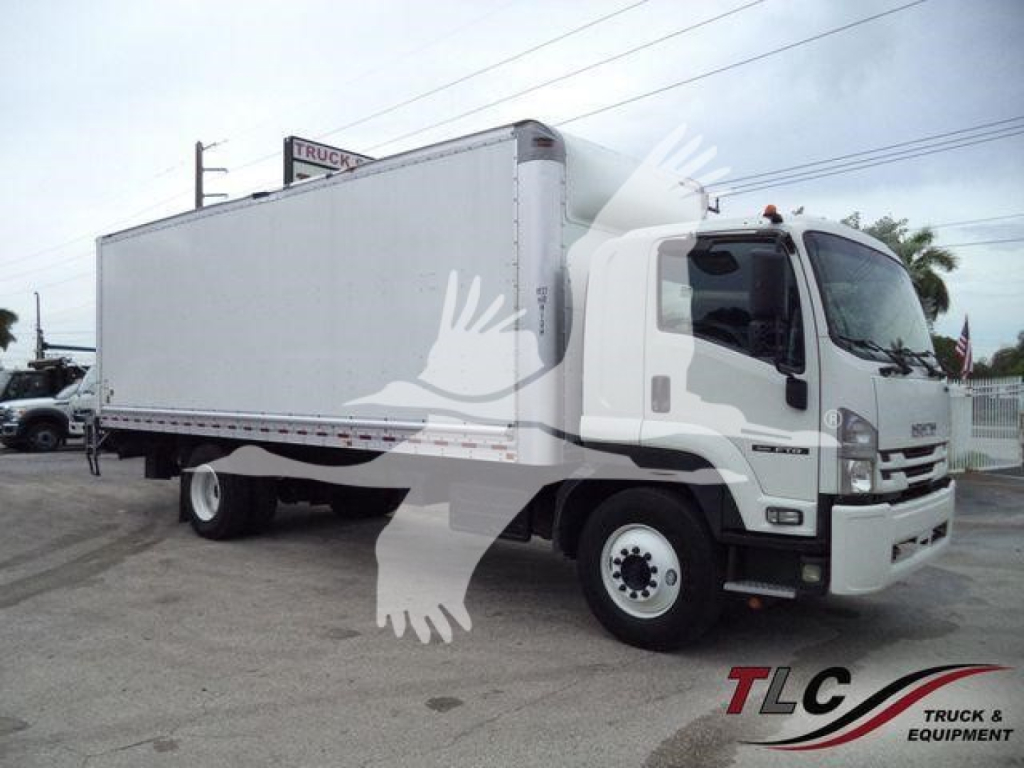
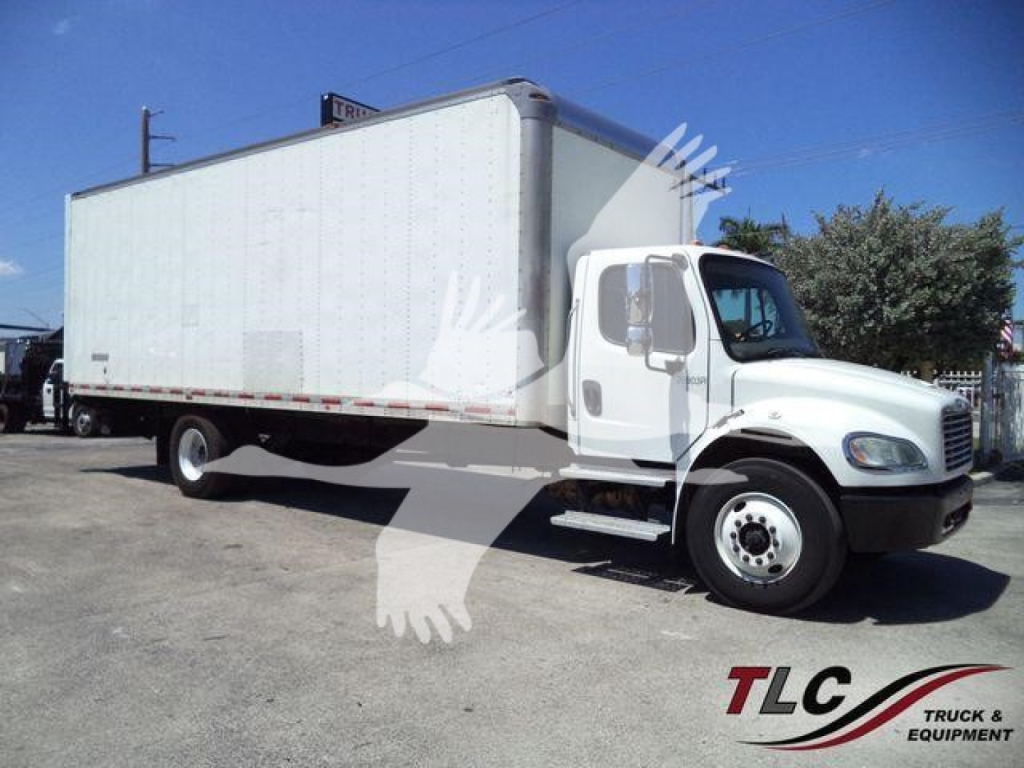
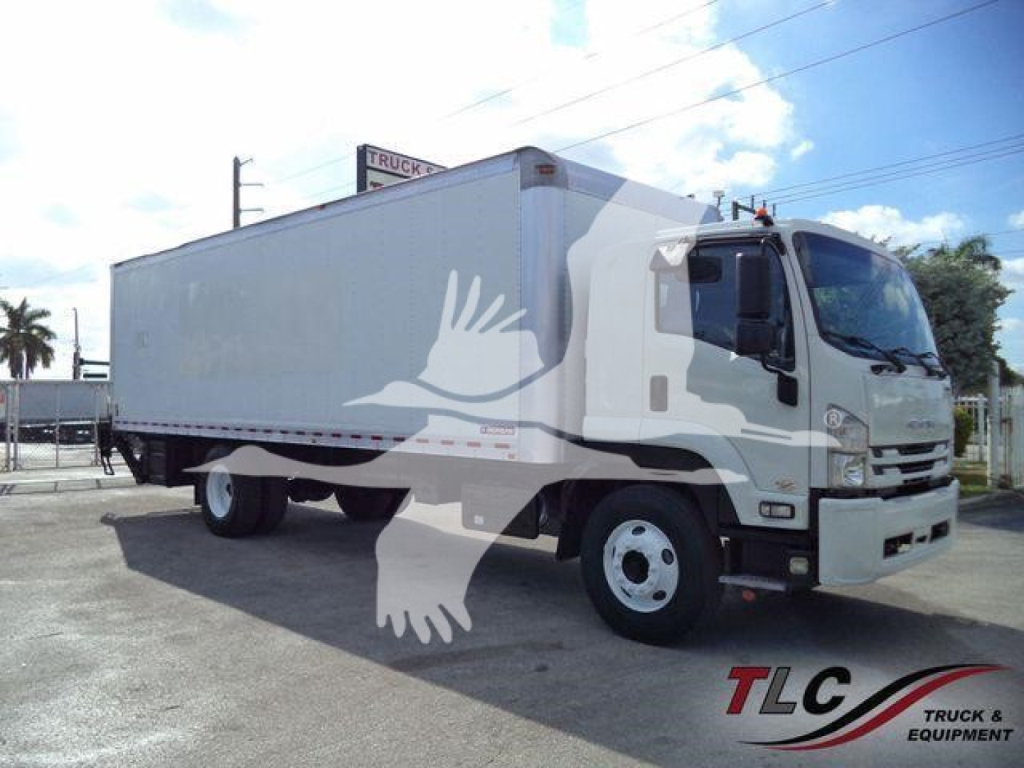
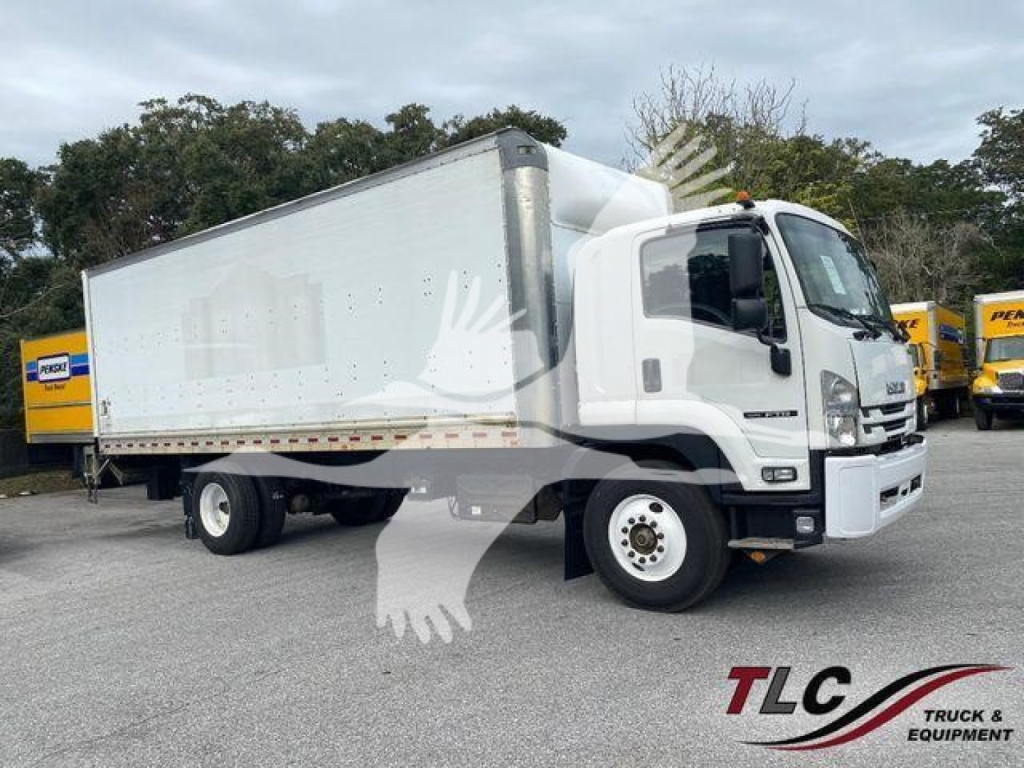
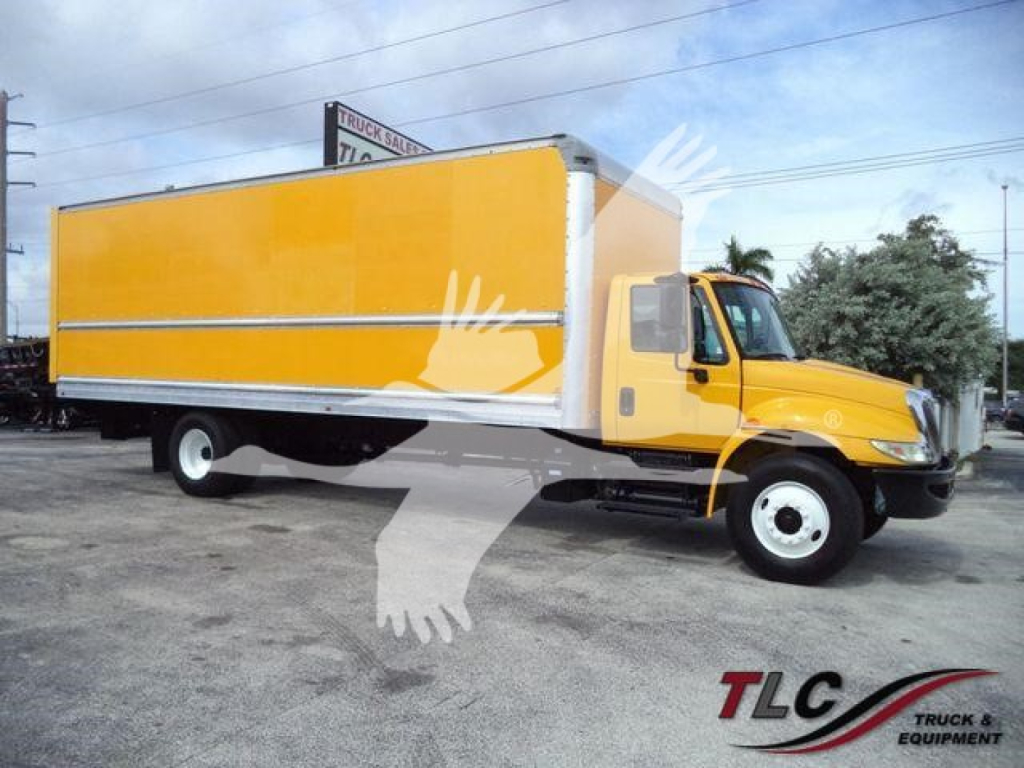
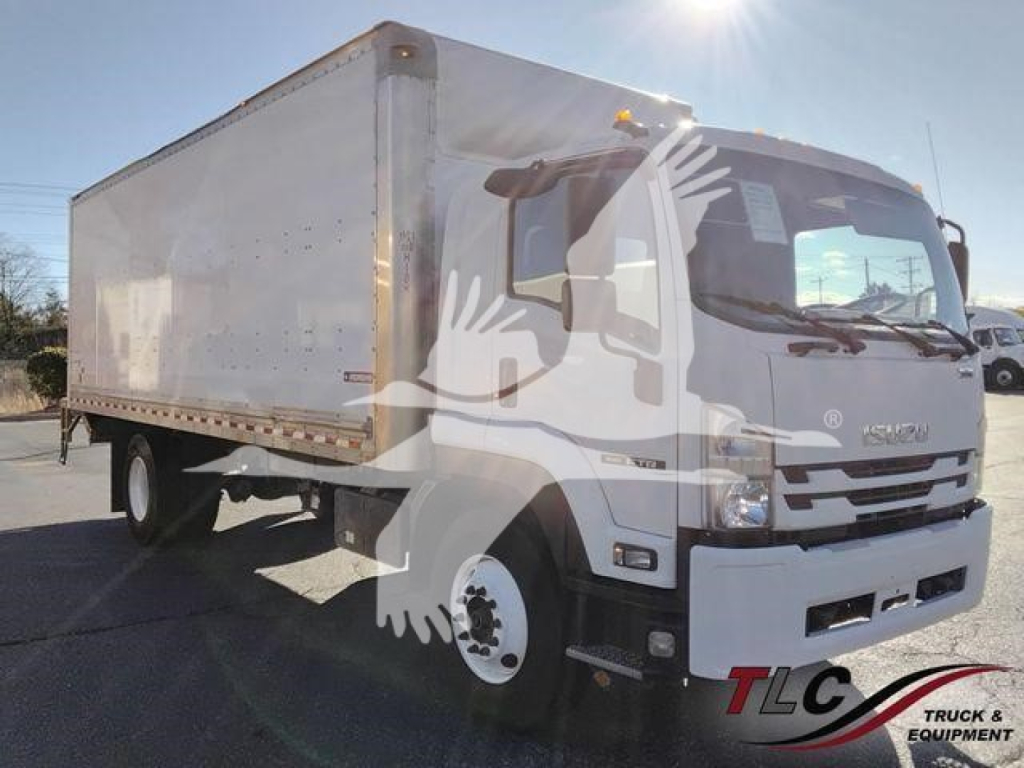
Selling a 2018 box truck? List your 2018 box truck for sale and reach thousands of commercial buyers.
2018 Box Trucks
Body configuration matters as much as the chassis. Common 2018 box truck setups include 14-foot to 26-foot van bodies, roll-up rear doors, wood or laminated hardwood floors, translucent roofs, E-track or slat-lined walls, and tuck-under or rail liftgates. A 16-foot to 18-foot body is a popular choice for urban delivery because it balances cargo space with maneuverability. A 22-foot to 26-foot body gives more cube for appliance, beverage, and commercial freight work, but axle ratings, wheelbase, and dock access become more important. If the truck will be loaded by pallet jack or forklift, pay close attention to floor condition, rear frame height, and liftgate capacity.
On 2018 models, buyers will often see diesel platforms from Hino, Isuzu, Freightliner, International, and Ford, usually paired with an Allison automatic or similar automatic transmission. Key chassis considerations include gas versus diesel power, hydraulic brakes versus air brakes, spring versus air suspension, and tire size. Lower-GVWR box trucks can be attractive for operators trying to stay under CDL thresholds, while 25,950-lb GVWR trucks remain a common choice for maximizing payload without moving into a heavier class. Cab comfort also matters on route trucks, so features like air conditioning, heated mirrors, Bluetooth radio, and air ride seating can have a real effect on driver productivity.
The best 2018 box truck for a buyer depends on route density, freight type, and loading method. High-stop local delivery usually favors a shorter wheelbase, automatic transmission, and easy step-in cab. Appliance, final-mile, and commercial moving work often benefit from a larger box, logistics track, and a liftgate rated for the product being handled. For reefer conversion or specialty body work, confirm frame condition, PTO needs, and available payload after body and equipment weight. A careful review of body construction, door opening height, maintenance history, and emissions service records will usually tell more about long-term value than mileage alone.
Frequently Asked Questions about 2018 Box Trucks
What size 2018 box truck is best for local delivery work?
For local delivery, a 14-foot to 18-foot box truck is often the most practical choice because it offers good cargo capacity without becoming difficult to park or route through tight urban streets. A shorter wheelbase improves turning radius and driver efficiency on high-stop routes. Buyers handling palletized freight should still verify the interior width, rear door opening, and liftgate rating so the truck matches the actual freight profile.
Do 2018 box trucks usually require a CDL?
Many 2018 box trucks do not require a CDL if the GVWR is 26,000 pounds or less and the truck is not used in a configuration that triggers other licensing requirements. That is why 25,950-lb GVWR trucks are so common in this category. Buyers should still confirm state rules, endorsement requirements, and the truck's actual door-sticker GVWR before purchase, especially if the truck will cross state lines or be used in regulated commercial service.
What should I check on a used 2018 box truck body?
The body deserves a close inspection because repair costs can add up quickly. Check the floor for soft spots, forklift damage, and patchwork, inspect the front wall and roof for leaks, and look at the roll-up door tracks, hinges, and seals. Inside the body, review scuff liners, E-track or slat lining, and any signs of impact damage. If the truck has a liftgate, verify platform condition, cylinder operation, control function, and the posted weight capacity.
Is diesel or gas better in a 2018 box truck?
Diesel is usually preferred in medium-duty box trucks that run heavier payloads, longer daily routes, or higher annual miles because it generally provides better torque and long-term durability. Gas engines can make sense for lighter-duty operations with lower mileage, simpler maintenance priorities, or shorter urban routes. The better choice depends on duty cycle, payload, service access, and total operating cost rather than fuel type alone.
What features add the most value on a 2018 box truck?
The most valuable features depend on the application, but buyers consistently look for an automatic transmission, a well-sized van body, a working liftgate, clean cargo walls, and a solid floor. Air brakes, air ride suspension, and higher axle ratings can add value on larger trucks. In city delivery, cab condition, cold air, camera systems, and easy entry can matter just as much as engine specs because they affect driver retention and route productivity.