
Peterbilt Box Trucks For Sale
Shop Peterbilt box trucks for sale. Learn common specs, GVWR, body lengths, engine options, and what to inspect before you buy.
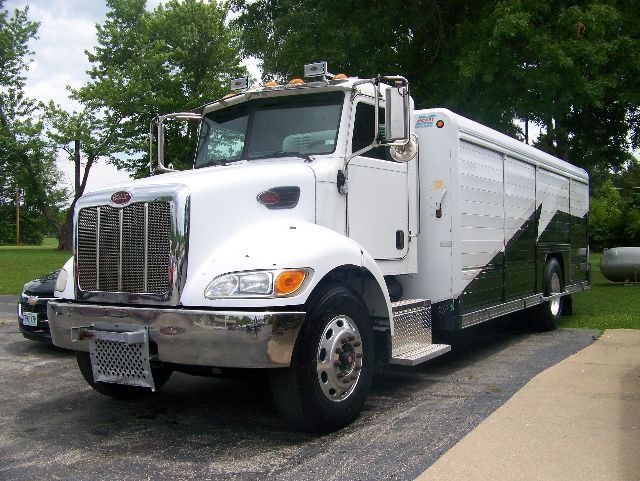
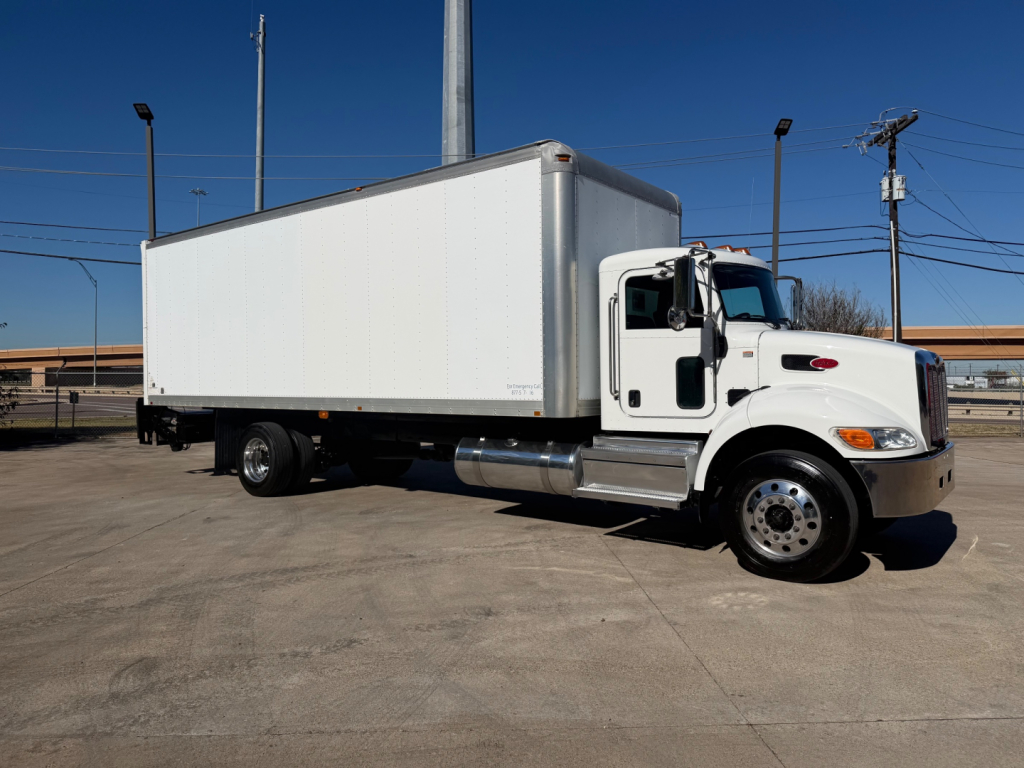
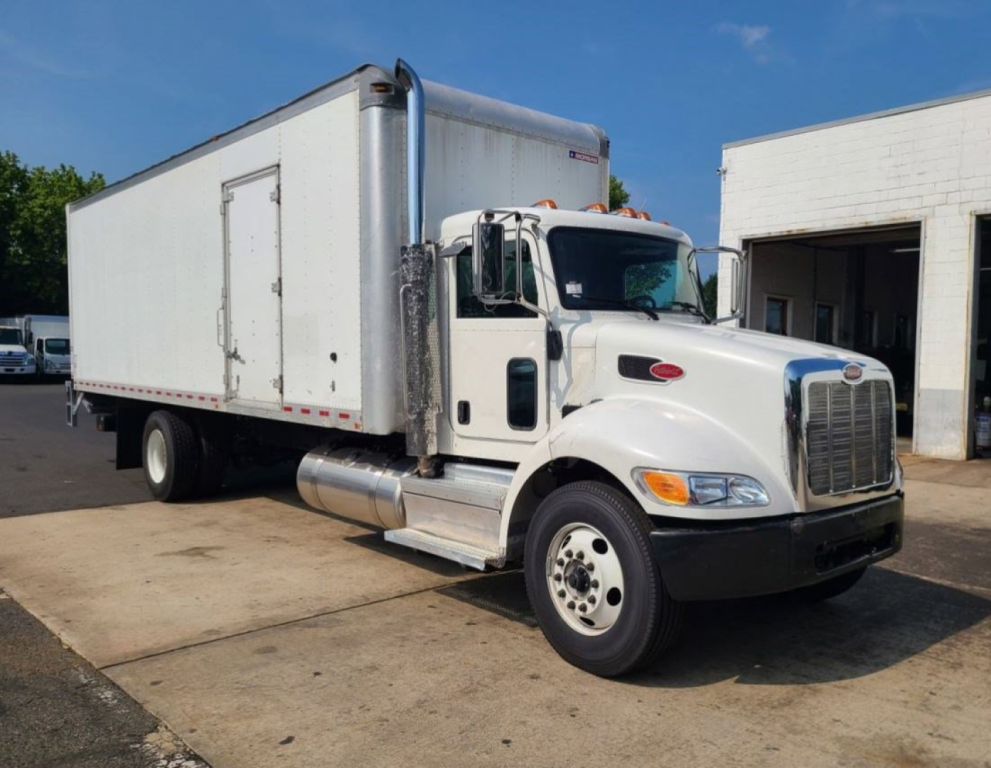
Selling a peterbilt box truck? List your peterbilt box truck for sale and reach thousands of commercial buyers.
Peterbilt Box Trucks
A typical Peterbilt box truck in this class may carry a 16-foot to 26-foot van body, often with a roll-up rear door, optional curbside access doors, liftgate, E-track, shelving, or scuff liners depending on the prior application. Many are spec'd with Cummins diesel engines such as the ISC, ISB, or later B6.7, paired with Allison automatic transmissions that are well-suited for stop-and-go delivery work. Common wheelbases, rear axle ratios, and tire sizes vary by body length and payload target, so it is worth matching the truck to the route instead of buying purely on box size. A 20-foot body can be easier to maneuver in tight commercial zones, while a 24-foot or 26-foot body may improve cube for lighter freight where space matters more than gross weight.
The body itself matters as much as the chassis. Buyers should inspect roof condition, front wall integrity, floor wear, door frame alignment, and any signs of water intrusion or forklift damage. If the truck was used for route delivery, check the condition of side doors, shelving mounts, and step-up access points. If it was used for appliance, furniture, or final-mile work, look closely at the liftgate capacity, platform operation, and hinge wear. On the chassis side, pay attention to brake type, suspension, frame condition, turning radius, and maintenance history on the engine, transmission, cooling system, and emissions equipment. Peterbilt's aluminum cab construction and driver-focused layout are a plus for fleets that value durability and operator comfort over long workdays.
A well-matched Peterbilt box truck can serve as a straight truck, van body truck, dry freight delivery truck, or non-CDL box truck if the GVWR and final spec support that use case. The best choice depends on freight density, dock height, route miles, and how often the truck works in congested urban settings versus open regional lanes. Buyers comparing listings should weigh body configuration, liftgate presence, engine and transmission pairing, and actual payload capacity rather than focusing only on model year. In this segment, the right spec will usually outperform a newer but poorly matched truck over the long term.
Frequently Asked Questions about Peterbilt Box Trucks
What are the most common Peterbilt box truck models?
The most common Peterbilt box truck models are medium-duty chassis such as the 330, 335, and 337. These platforms are widely used for van bodies in local delivery, distribution, moving, and service applications. Exact specs vary by year and body builder, so buyers should confirm GVWR, axle ratings, body length, and engine-transmission configuration on each truck rather than relying only on the model number.
Is a Peterbilt box truck good for city delivery routes?
Yes, many Peterbilt box trucks are well-suited for city and suburban delivery work, especially when paired with an Allison automatic transmission and a body length matched to tight streets and dock access. Shorter wheelbase trucks with 16-foot to 22-foot bodies are generally easier to maneuver, while longer 24-foot to 26-foot bodies offer more cargo cube but may be less practical in dense urban areas. Turning radius, door configuration, and liftgate setup often matter as much as horsepower on city routes.
What should I inspect on a used Peterbilt box truck?
Focus on both the chassis and the box body. On the chassis, inspect engine service records, transmission operation, brake condition, suspension wear, tires, frame condition, and any emissions-related repairs. On the body, check the roof, floor, front wall, rear frame, roll-up door, side access doors, and signs of leaks or impact damage. If the truck has a liftgate, verify rated capacity and test its full operation under load if possible.
What body length is best for a Peterbilt box truck?
The best body length depends on freight type and operating environment. A 16-foot to 20-foot box is often preferred for tighter city work, mobile service, and routes with difficult parking or alley access. A 24-foot to 26-foot box is more common for higher-cube freight, retail distribution, furniture, and appliance delivery. Buyers should consider not just cargo volume, but also wheelbase, payload, dock compatibility, and local route restrictions.
Can a Peterbilt box truck be configured as a non-CDL truck?
Yes, some Peterbilt box trucks are configured to stay within non-CDL limits, typically with a GVWR of 26,000 pounds or less, depending on jurisdiction and application. That said, many Peterbilt medium-duty box trucks are spec'd above that threshold for added payload. Buyers should verify the door sticker, VIN-based weight ratings, and any body or liftgate additions that affect legal operating weight before assuming a truck qualifies as non-CDL.