
2017 Box Trucks For Sale
Shop 2017 box trucks for delivery, moving, and route work. Compare GVWR, box length, liftgates, engines, and CDL requirements.
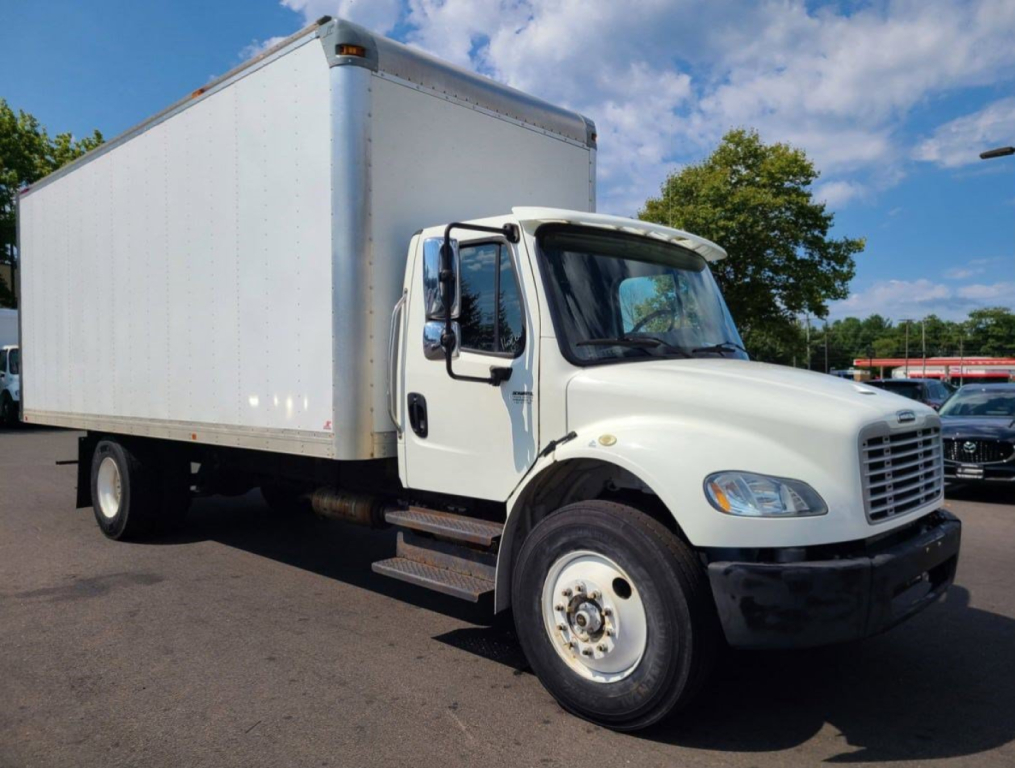
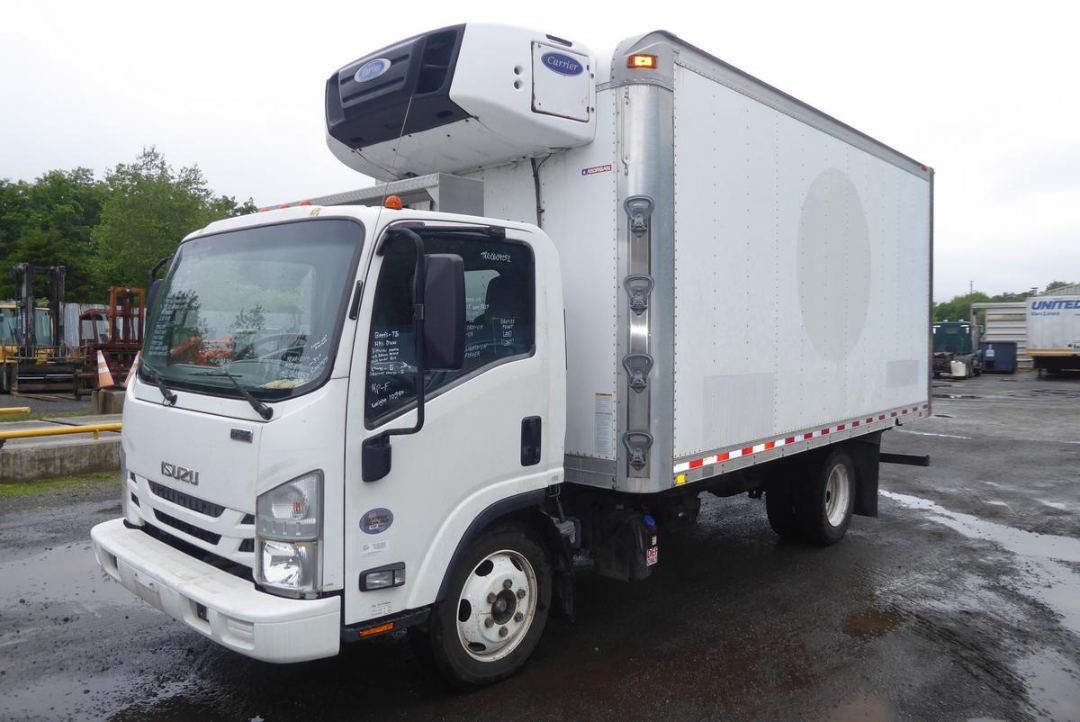
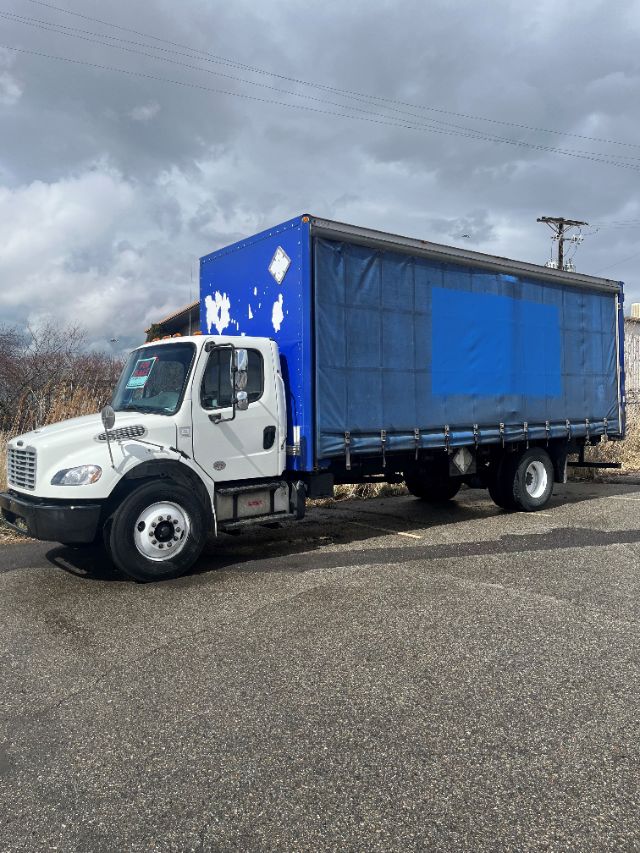
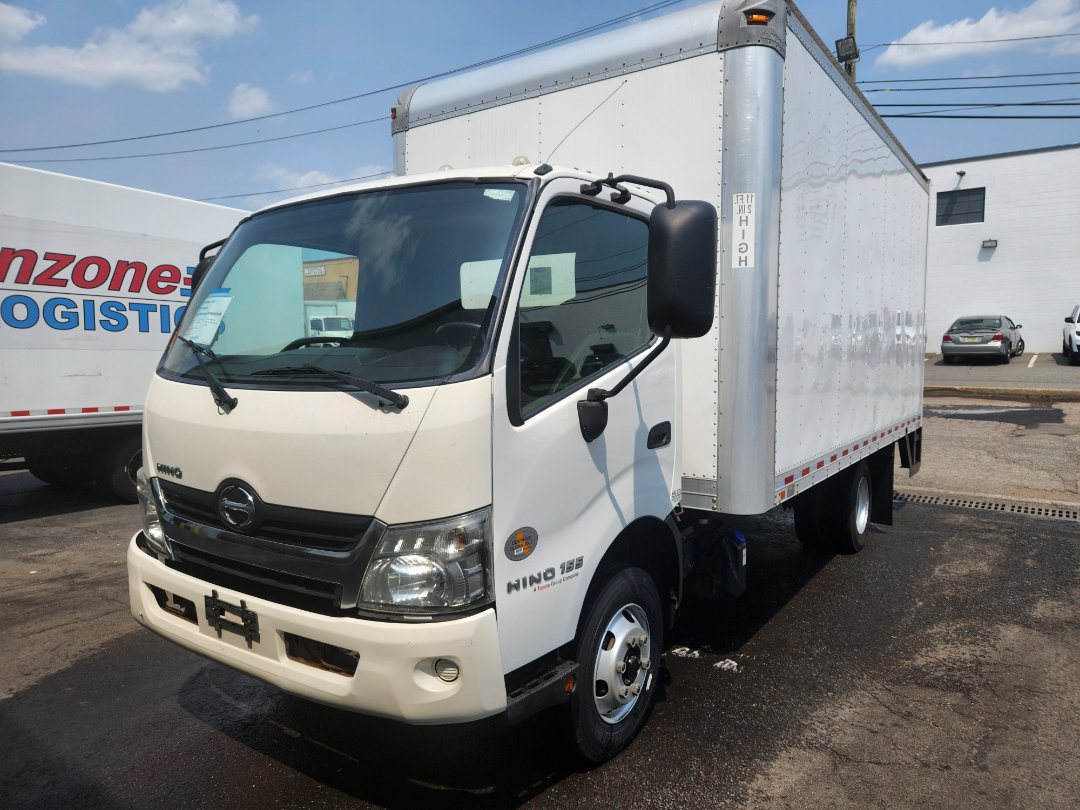
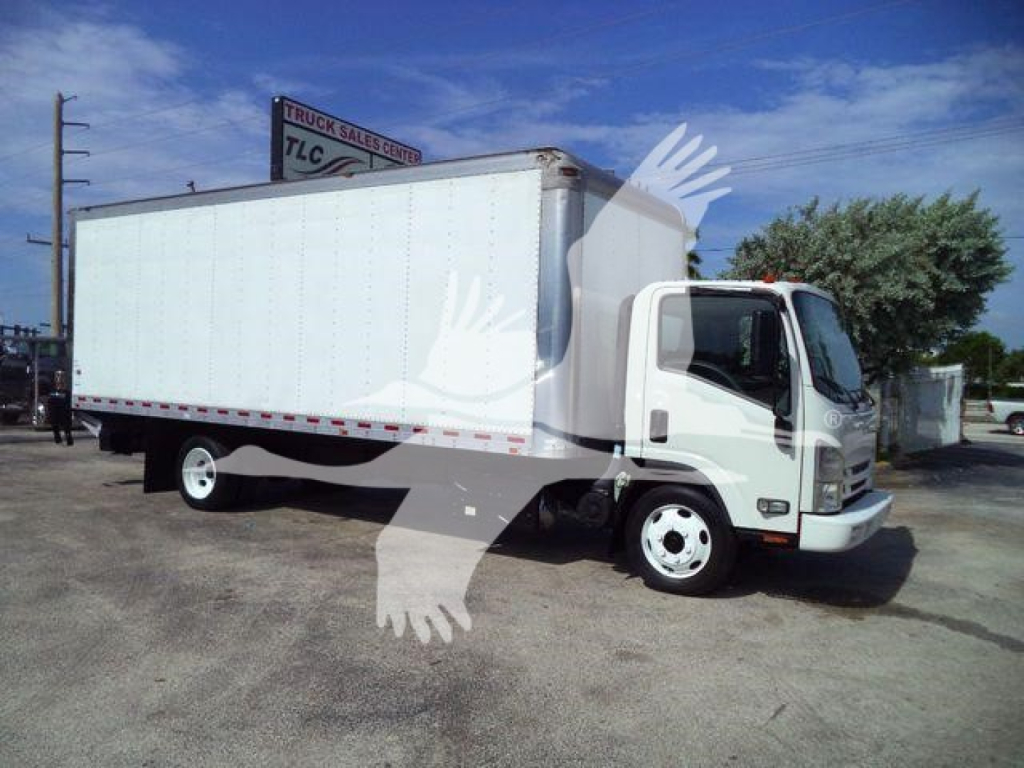
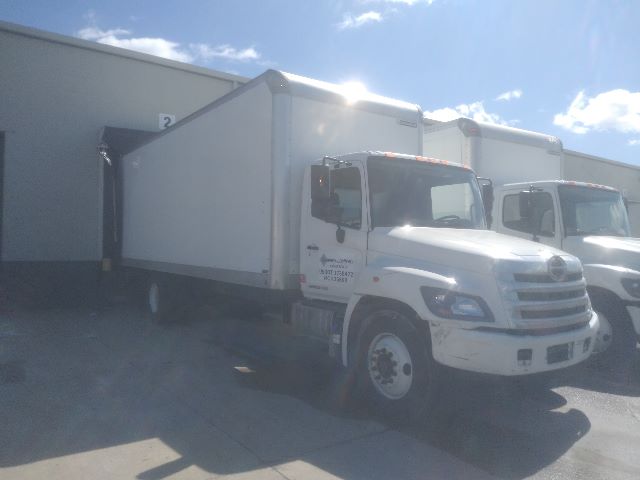
Selling a 2017 box truck? List your 2017 box truck for sale and reach thousands of commercial buyers.
2017 Box Trucks
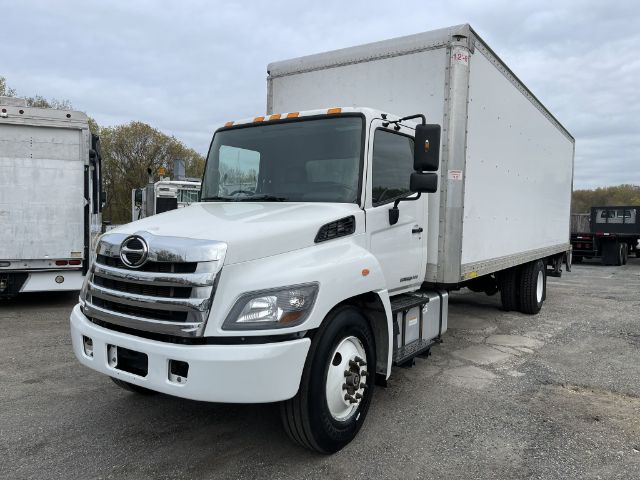
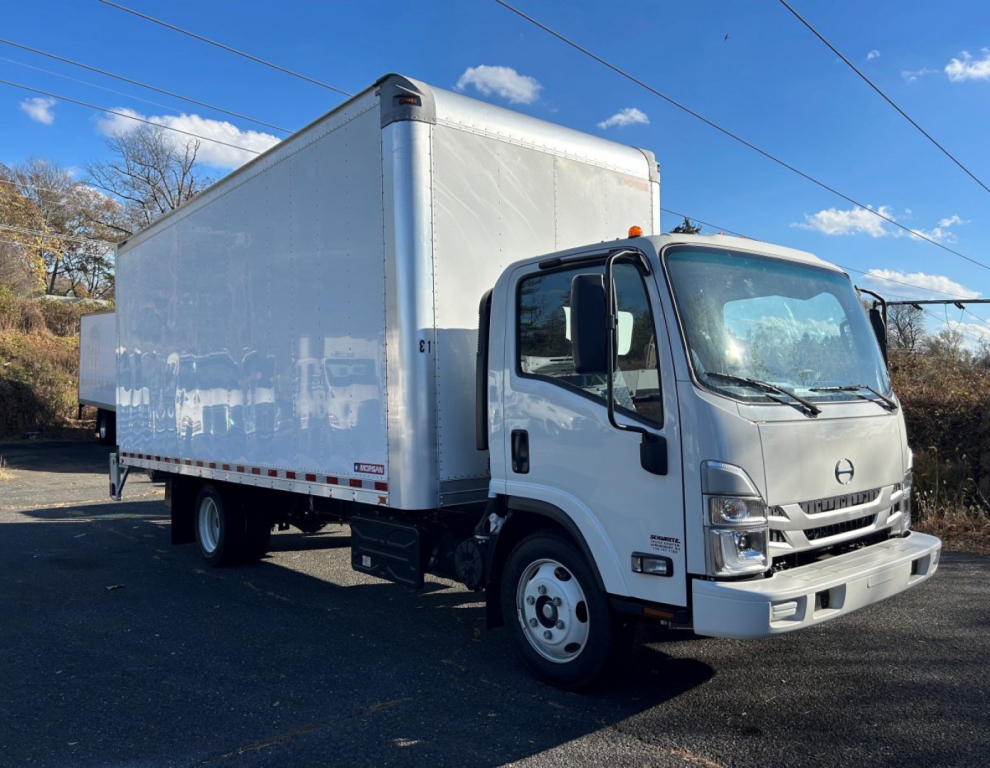
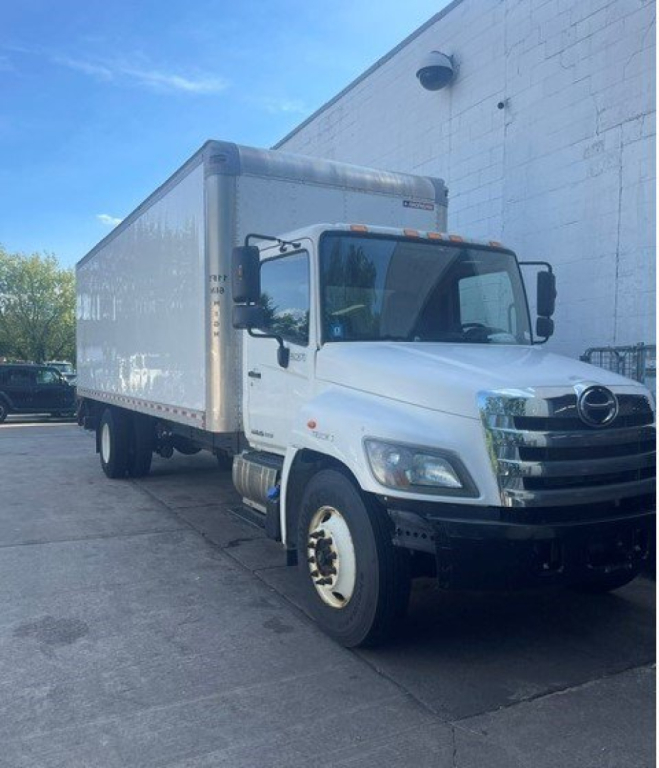
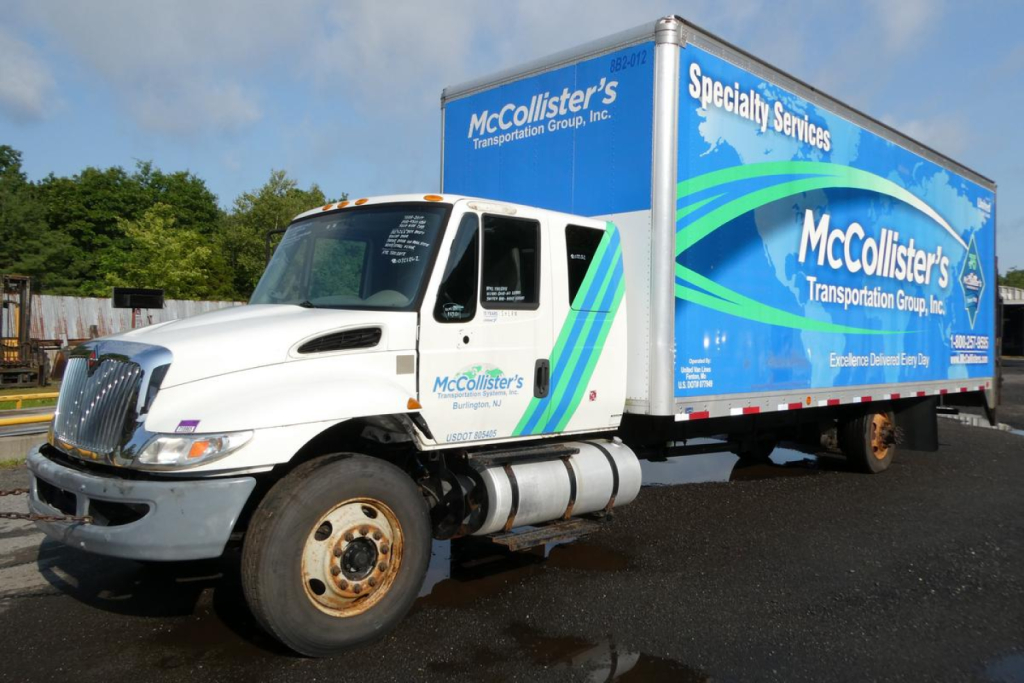
Common configurations in 2017 included 16-foot to 26-foot bodies, roll-up rear doors, optional curbside doors, and liftgates in the 2,500 lb to 4,000 lb range. Popular chassis in this model year often include Hino 268, International Durastar 4300, Freightliner M2 106, Isuzu NPR and NRR, and similar medium-duty platforms. Diesel engines and Allison automatic transmissions are common, especially in urban stop-and-go service where ease of operation matters. Buyers should match body length, door opening height, and liftgate size to the freight. A 26-foot body works well for final-mile and moving applications, while shorter 16-foot to 22-foot bodies can be easier to route in tight city streets and loading docks.
The body matters as much as the chassis. Check floor type, crossmember condition, roof integrity, and wall construction, especially on high-cycle route trucks that have seen repeated dock contact and pallet jack traffic. Wood floors are common and serviceable, but aluminum and laminated hardwood options can change repair cost and long-term durability. Look closely at roll-up door operation, hinge wear on side access doors, scuff liners, e-track, shelving, and cargo tie-down setup. If refrigerated service is not required, a standard dry freight body is simpler and cheaper to maintain than a reefer body.
For a 2017 model, buyers should pay close attention to emissions system history, service records, and route type. Diesel particulate filter maintenance, SCR performance, idle hours, and PTO or liftgate electrical condition can tell you a lot about real operating cost. Suspension type, brake system, tire size, wheelbase, and cab-to-axle measurement all affect how the truck carries a load and what replacement body options fit the chassis later. A well-matched 2017 box truck can still be a strong asset for regional delivery fleets, independent operators, rental use, and businesses that need enclosed cargo space with predictable operating costs.
Frequently Asked Questions about 2017 Box Trucks
What size 2017 box truck is best for non-CDL use?
Many buyers look for a 2017 box truck with a GVWR of 25,950 or 25,999 pounds because that typically keeps the truck under CDL threshold in many situations. These trucks are often equipped with 24-foot to 26-foot bodies and can still handle substantial payload for delivery, moving, and route work. You still need to confirm local licensing rules, cargo weight, and any air brake or medical card requirements that may apply to your operation.
What should I inspect first on a used 2017 box truck?
Start with the body and the maintenance history. Check the box floor for soft spots, the roof for leaks, the front wall for impact damage, and the roll-up door for smooth operation and track wear. On the chassis side, review engine hours, DPF and SCR service, transmission shifting quality, brake condition, tire wear pattern, and liftgate function. A delivery truck can look clean but still have expensive deferred maintenance in the body, emissions system, or rear suspension.
Are Allison automatic transmissions common in 2017 box trucks?
Yes. Allison automatic transmissions are very common in 2017 box trucks, especially in medium-duty delivery applications. They are popular because they are easy to operate in stop-and-go traffic, work well with vocational duty cycles, and are widely supported for service. Pairing an Allison transmission with a medium-duty diesel engine is one of the most common setups in this category.
How important is liftgate capacity on a 2017 box truck?
Liftgate capacity is critical if the truck will handle palletized freight, appliances, vending equipment, or deliveries without dock access. A 2,500-pound liftgate may be enough for general route work, but heavier freight or frequent pallet jack use may justify a larger platform and more capacity. Buyers should also inspect the gate structure, hydraulic or electrical operation, platform size, and how well it matches the rear door opening and loading height.
What is the difference between a box truck and a straight truck?
In most trucking and marketplace use, the terms box truck and straight truck are often used interchangeably when describing a truck with a cab and permanently mounted cargo body on the same chassis. Box truck usually refers to the enclosed dry freight body itself, while straight truck is the broader vehicle class. On a 2017 model, that can include anything from a smaller city delivery unit to a larger Class 6 or Class 7 dry van body truck.