
Box Trucks For Sale in Arkansas
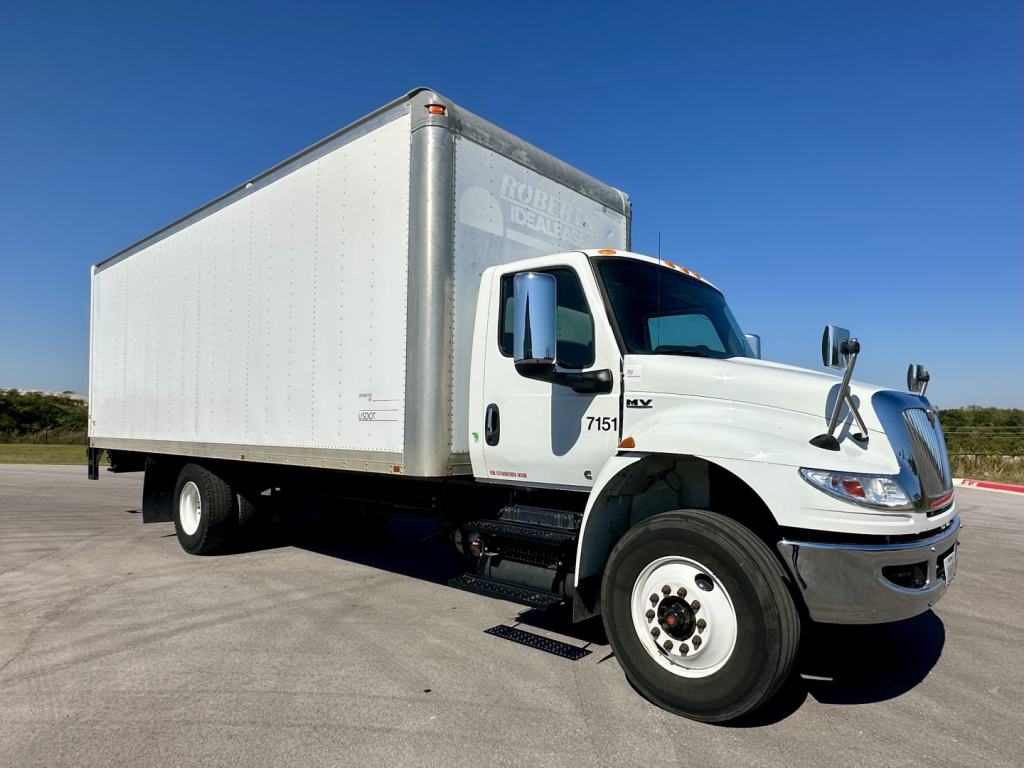
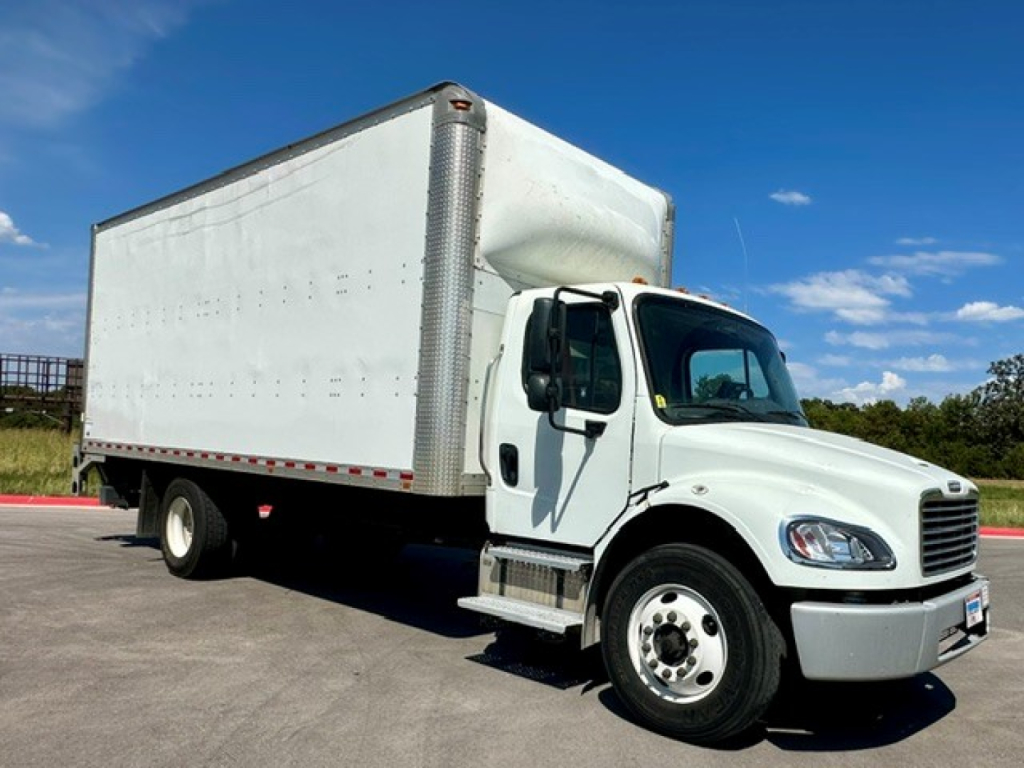
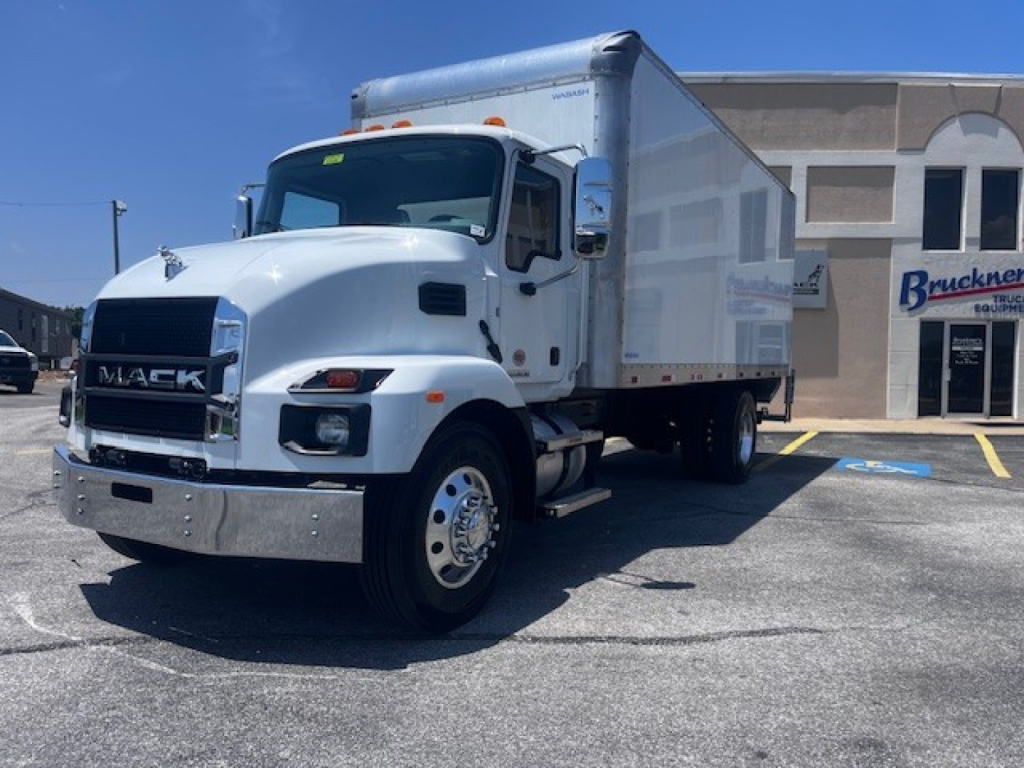
Browse box trucks for sale in Arkansas, including straight trucks with van bodies, liftgates, diesel power, and Class 5 to Class 7 GVWR options.
Selling a box truck? List your box truck for sale and reach thousands of commercial buyers.
Box Trucks in Arkansas
Chassis layout matters as much as body size. Cab-forward models give a shorter overall length for the same cargo box, which helps in downtown deliveries and tighter lots. Conventional cab trucks usually offer a more familiar driving position, easier highway manners, and wider service familiarity across dealer networks. Common powertrains in this class include medium-duty diesel engines such as the Cummins ISB 6.7L or Hino 4HK1 series paired with 6-speed automatic transmissions from Allison or Aisin. In real-world fleet use, buyers pay close attention to horsepower, rear axle ratio, wheelbase, and suspension setup because those specs affect launch feel, gradeability, cruising rpm, and ride quality under changing payloads. Single-axle configurations with spring suspension remain standard for durability and lower maintenance cost.
The body itself deserves a close look. Wabash Duraplate-style van bodies are popular because they balance low tare weight with good wall durability, and interior dimensions matter more than many first-time buyers expect. Inside height and width determine pallet count, stackability, and whether bulky freight can be loaded without wasting cube. Liftgates are often essential on box trucks that deliver to locations without docks. A tuck-away or rail-style gate in the 2,500 to 3,300 pound range is common for palletized freight, appliances, and route deliveries, but the right choice depends on cart use, pallet jack approach angle, and platform size. Buyers should also inspect door opening dimensions, floor type, roof construction, scuff liners, cargo tie rails, and the condition of the rear frame where liftgate stress is concentrated.
For Arkansas operations, spec the truck around route density, terrain, and service access. A higher numerical rear ratio can help a fully loaded truck move easily in stop-and-go work, while a lower ratio may improve road speed and fuel economy on longer regional runs. Drum brakes, 22.5-inch rubber, and straightforward spring suspensions are still common on medium-duty box trucks because they are proven and easy to maintain. The best box truck is not just the one with the biggest body. It is the one with the right cube, payload, liftgate capacity, wheelbase, and cab layout for the freight you handle every day.
Frequently Asked Questions about Box Trucks in Arkansas
What size box truck is best for local delivery work?
For many local delivery fleets, 16-foot to 20-foot box trucks cover the widest range of applications. A 16-foot body is easier to maneuver in neighborhoods, alleys, and tight commercial lots, while a 20-foot body typically gives better pallet capacity and route efficiency for denser freight. The right size depends on the dimensions and weight of the cargo, how often you back into tight spaces, and whether your stops are dock-high or curbside.
Do I need a liftgate on a box truck?
A liftgate is highly valuable if deliveries are made to customers without loading docks. It allows one driver to handle palletized or heavy freight safely and efficiently, especially for final-mile, beverage, appliance, and route delivery work. The important details are lift capacity, platform size, and gate style, because a small or poorly matched liftgate can slow unloading and limit what the truck can actually do.
What is the difference between a cab-forward and a conventional box truck?
A cab-forward box truck places the cab over the front axle, which shortens overall vehicle length and improves maneuverability in tight areas. A conventional cab truck has the engine in front of the cab, which many drivers prefer for highway comfort, service access, and a more familiar feel behind the wheel. The better choice depends on route type, driver preference, turning space, and local service support for the chassis brand.
How important is GVWR when buying a box truck?
GVWR is one of the most important specs because it defines the truck's legal maximum operating weight, which affects payload, body selection, and in some cases licensing requirements. A truck with a larger box does not automatically carry more usable freight if the chassis GVWR is too low. Buyers should compare empty weight, expected cargo weight, liftgate weight, and any additional equipment to make sure the truck will handle the job without sacrificing legal payload.
What body features should I inspect on a used box truck?
The body should be checked for floor wear, roof leaks, sidewall damage, rear frame cracking, door seal condition, and liftgate operation if equipped. Interior height and width should match your freight profile, and buyers should verify whether the body has scuff liners, tie rails, translucent roof panels, and a floor material suitable for pallet jacks or carts. A clean-looking box can still hide expensive structural repairs, so the body deserves the same attention as the engine and transmission.