
New Trucks For Sale
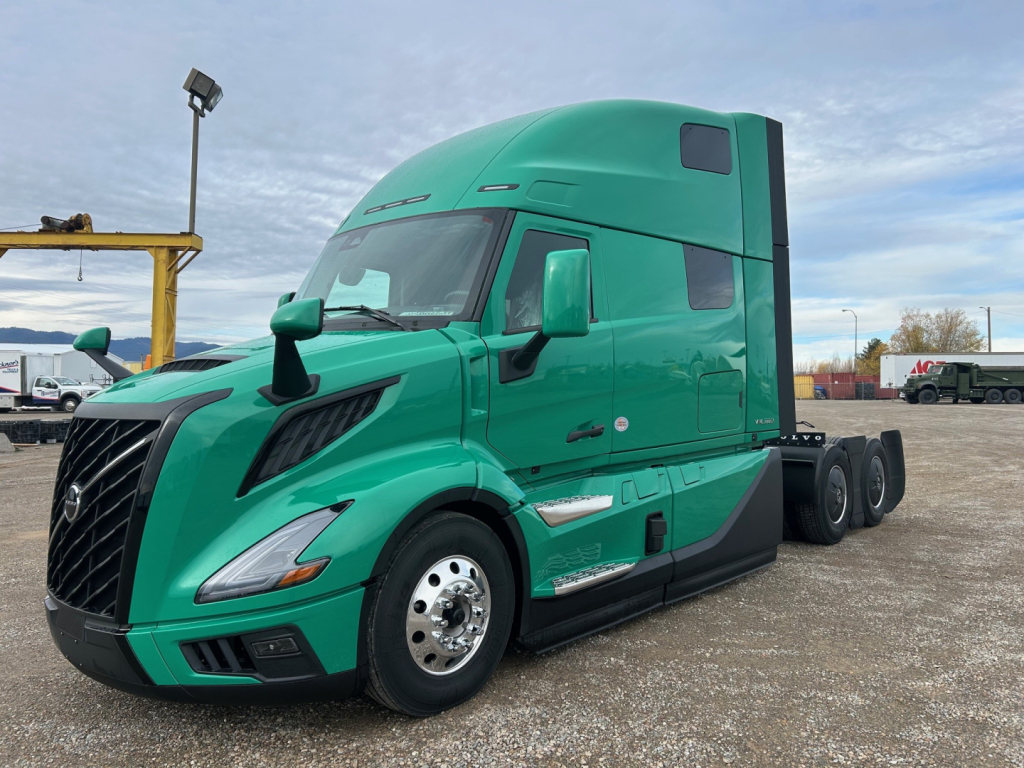
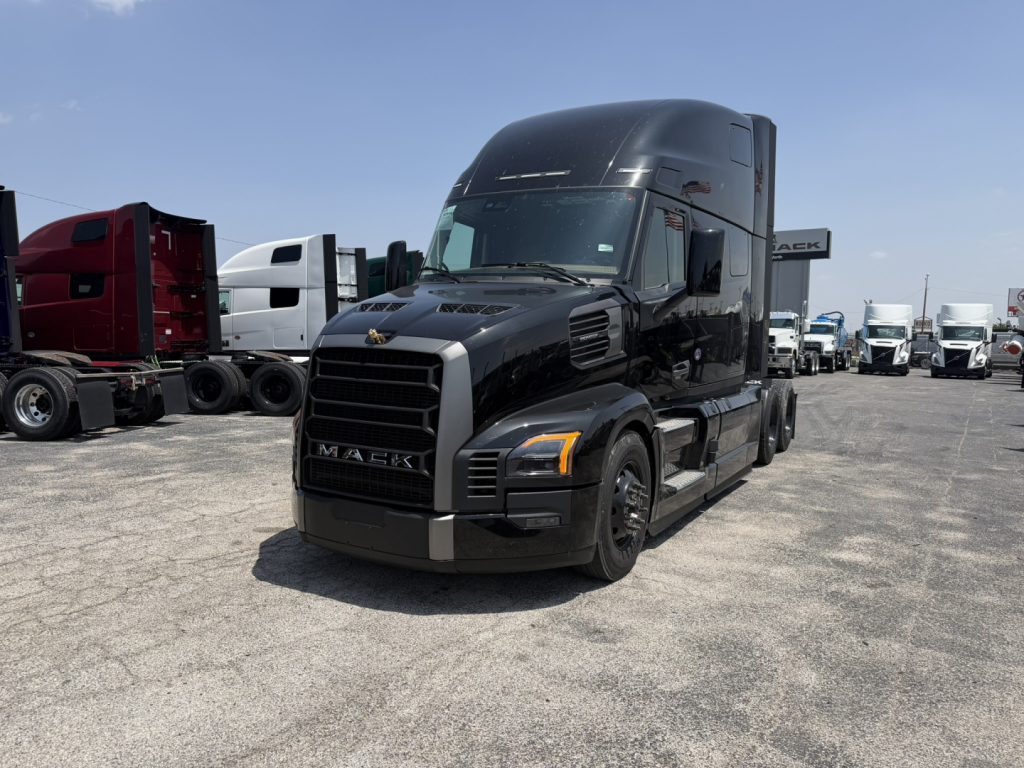
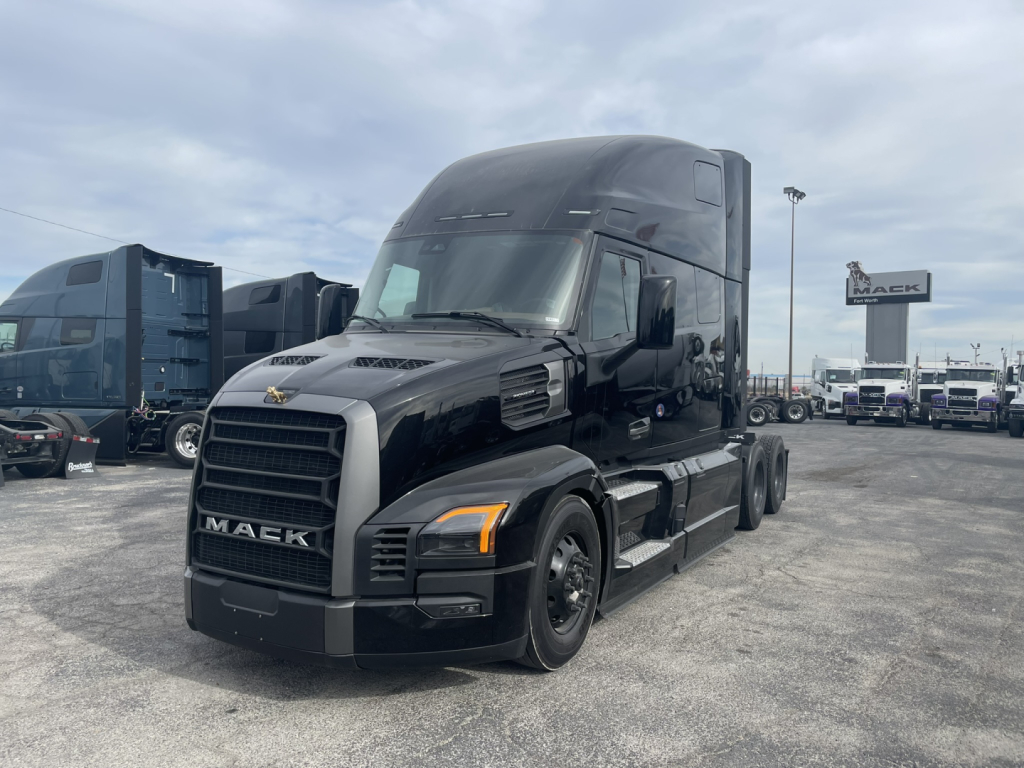

Showing 1 to 24 of 1,256 results
Have new truck to sell? List it here to reach thousands of buyers.
New Trucks
For on-highway tractors, new truck buyers typically focus on engine ratings, automated or automatic transmissions, sleeper size, rear axle ratio, and fuel-efficiency packages. Models in the conventional sleeper class are often spec'd for regional or long-haul work with aerodynamic hoods, collision mitigation systems, adaptive cruise, and integrated telematics. Buyers should look closely at wheelbase, fifth wheel setup, fuel tank capacity, fairings, and front axle loading, especially if the truck will be used in specialized lanes or with heavy trailer kingpin weights. A new truck also gives fleets access to the latest emissions hardware, factory warranty coverage, and current safety technology, which can improve uptime and reduce driver onboarding issues.
Medium-duty and vocational new trucks are usually purchased around payload, body length, and jobsite requirements. Box trucks commonly center on cargo body dimensions, liftgate rating, floor construction, E-track layout, and door configuration. Tow trucks and rollbacks are driven by deck length, wheel-lift capacity, winch rating, underlift design, and chassis GVWR. Cab chassis models are often the most flexible choice because they allow the buyer to match a fresh chassis to a purpose-built body. In these applications, engine output is only part of the equation. Brake type, turning radius, cab-to-axle measurement, and the availability of spring or air suspension can have a bigger impact on daily usability.
Buying new also means evaluating total operating fit instead of just sticker price. Factory warranty terms, emissions warranty coverage, service network depth, lead time for body installation, and availability of diagnostic support all matter. Many buyers compare Cummins, Detroit, Volvo, or other powertrain platforms based on dealer support and technician familiarity in their region. Interior layout, visibility, camera systems, and driver-assist features have also become important spec points, especially for fleets dealing with tight labor markets. The right new truck is the one that matches route, payload, body equipment, maintenance support, and regulatory requirements from day one, with enough spec discipline to avoid carrying cost and capacity the job does not need.
Frequently Asked Questions about New Trucks
What should I compare first when shopping for a new truck?
Start with the truck's intended application, then compare GVWR, axle ratings, wheelbase, cab style, and body or trailer compatibility. A highway tractor, a 26-foot box truck, a rollback, and a cab chassis all solve different problems, so the right spec begins with payload, route length, operating terrain, and required equipment. Once the basic chassis class is correct, compare engine horsepower and torque, transmission type, suspension, braking system, and warranty coverage.
Is a new cab chassis a better choice than buying a completed truck body?
A new cab chassis is often the better choice when the work requires a specific upfit or when the buyer wants control over body dimensions and equipment layout. It allows the chassis to be matched to the exact cab-to-axle, frame length, PTO setup, and weight distribution needed for the final application. A completed truck can shorten delivery time, but a cab chassis gives more flexibility for service bodies, van bodies, dump bodies, hooklifts, cranes, and other vocational builds.
What matters most on a new sleeper tractor?
The key items are engine rating, transmission, rear axle ratio, sleeper size, wheelbase, fifth wheel position, and fuel capacity. These specs determine how the truck performs with typical trailer weights, terrain, and operating radius. Buyers should also pay attention to aerodynamic packages, collision mitigation, adaptive cruise, and telematics integration because those features affect fuel economy, safety, driver acceptance, and fleet management.
How do I choose the right new box truck or straight truck spec?
Focus on body length, payload capacity, liftgate requirements, floor construction, cargo securement features, and door type. Matching the body to the product being hauled is critical, especially for delivery fleets handling pallets, carts, appliances, beverages, or route freight. The truck's GVWR, wheelbase, rear axle rating, and engine-transmission pairing should support the loaded body without overbuilding the chassis and giving up maneuverability or useful payload.
Why do warranty and dealer support matter so much on a new truck?
Warranty value is tied directly to uptime. A strong dealer and service network can reduce downtime for emissions issues, electronics diagnostics, recall work, and routine repairs. For many buyers, the best new truck is not just the one with the preferred badge or engine, but the one backed by parts availability, trained technicians, and service access along the lanes or inside the local market where the truck will actually operate.