
New 2014 Commercial Trucks For Sale
Shop new 2014 trucks for sale, including vocational and highway models with details on GVWR, axles, powertrain, body setups, and applications.
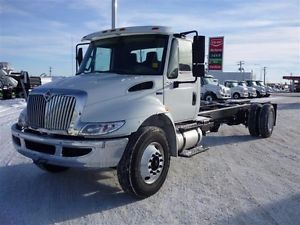
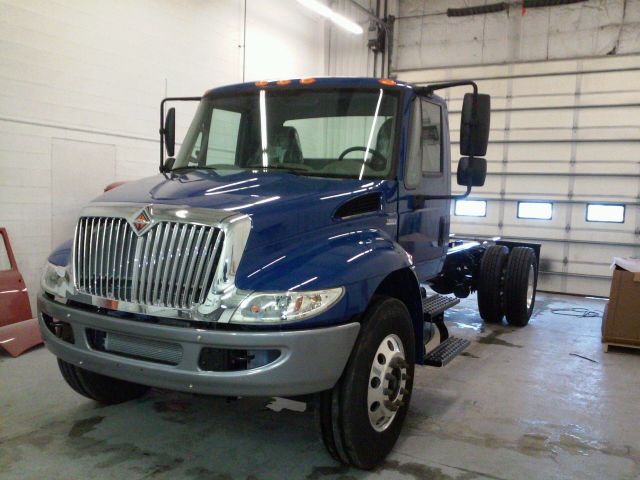
Selling a new 2014 commercial truck? List your new 2014 commercial truck for sale and reach thousands of commercial buyers.
New 2014 Commercial Trucks
Specs vary widely in this class, but common decision points include single-axle versus tandem-axle layouts, diesel engine ratings, automatic or manual transmissions, and GVWR or GCWR capacity. Vocational 2014 trucks often use heavier front axles, shorter or application-specific wheelbases, and PTO-ready transmissions for hydraulic equipment. Highway-focused trucks tend to prioritize fuel economy, rear axle ratio, aerodynamics, and fifth wheel setup. For buyers evaluating new 2014 trucks, it is worth confirming emissions configuration, brake type, suspension design, fuel tank capacity, and whether the truck is equipped for body installation or trailer service right away.
Body and equipment compatibility matter as much as the chassis. A hooklift or roll-off truck needs the right frame strength, hoist integration, and axle placement for container work. A conventional day cab needs the proper wheelbase, fifth wheel travel, and rear suspension for the trailer lengths and weights it will handle. Cab style also affects usability. Standard cabs can maximize body length on vocational units, while larger day cabs improve driver comfort for regional hauling. If the truck is intended for severe-duty work, buyers should pay attention to frame section, driveline ratings, locking differentials, and cooling package capacity.
A well-matched new 2014 truck should fit the work without being over-spec'd or under-spec'd. Too much chassis can add unnecessary weight and cost, while too little truck leads to poor durability and limited payload. The strongest listings in this category usually provide engine make and horsepower, transmission model, axle ratings, wheelbase, brake type, suspension, and any installed upfit details. Those are the details that determine how the truck will perform in real service, what body options it can accept, and how efficiently it will earn its keep.
Frequently Asked Questions about New 2014 Commercial Trucks
What should I look for first when comparing new 2014 trucks for sale?
Start with the intended application. A truck built for regional highway use should be evaluated differently than a vocational truck for hooklift, dump, utility, or roll-off work. The most important early checks are truck type, axle configuration, GVWR, wheelbase, engine and transmission pairing, and whether the chassis is already upfitted or prepared for a body. Those factors determine payload, maneuverability, legal capacity, and how easily the truck can be put into service.
How do I know if a 2014 truck is correctly spec'd for vocational work?
A vocational truck should have chassis and driveline components matched to the body and duty cycle. Common indicators include heavier axle ratings, PTO capability, appropriate frame strength, suspension suited to load shifts, and wheelbase dimensions that support the planned body length. For severe-duty applications, buyers should also verify rear ratio, locking differentials, brake type, and cooling capacity. A truck can look similar on paper but still be poorly matched if those underlying specs are wrong for the job.
Are single-axle or tandem-axle 2014 trucks better?
Neither is automatically better. Single-axle trucks generally cost less, weigh less, and can be easier to maneuver in tighter urban or municipal environments. Tandem-axle trucks are typically the better choice for heavier payloads, trailer work, roll-off service, or demanding off-road conditions where added traction and legal carrying capacity matter. The right setup depends on gross weight requirements, local bridge laws, body type, and route conditions.
Why does wheelbase matter on a new 2014 truck?
Wheelbase affects turning radius, body fitment, weight distribution, and ride quality. On a straight truck, the wheelbase has to match the body length and hoist or equipment requirements. On a tractor, it influences trailer gap, bridge formula compliance, and maneuverability at docks or jobsites. Buyers should not treat wheelbase as a minor detail because it directly affects both how the truck handles and what it can legally and practically haul.
What listing details are most important when shopping this category?
The most useful listings include engine make and horsepower, transmission type and model, axle ratings, suspension, brake type, wheelbase, GVWR, number of axles, and any body or upfit details already installed. For vocational trucks, frame and PTO information are especially important. For tractors, rear ratio, fifth wheel setup, and fuel capacity matter more. These details give a much clearer picture of real-world suitability than make, model, and year alone.