
New 2014 Cab and Chassis Trucks For Sale
Shop new 2014 cab and chassis trucks with specs for body upfits, GVWR, wheelbase, cab-to-axle, PTO options, and vocational applications.
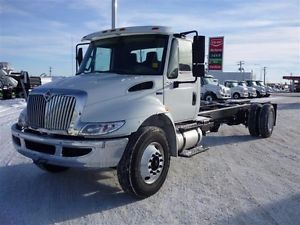
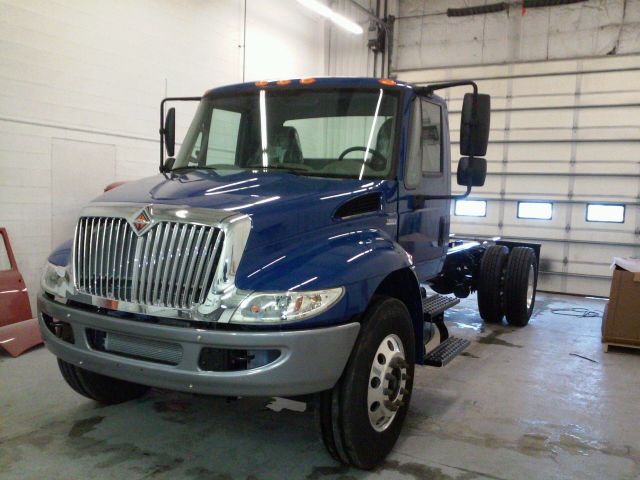
Selling a new 2014 cab and chassis truck? List your new 2014 cab and chassis truck for sale and reach thousands of commercial buyers.
New 2014 Cab and Chassis Trucks
The most important fitment numbers are cab-to-axle, frame height, rear axle capacity, and wheelbase. A short CA and tighter wheelbase help with maneuverability in city work, while a longer wheelbase supports larger bodies and better weight distribution. Many 2014 cab and chassis trucks in the medium-duty range were spec'd with diesel engines in the roughly 220 to 300 horsepower range, paired with Allison automatic transmissions for stop-and-go routes, PTO operation, and ease of driver training. GVWR commonly lands around 19,500, 25,999, 33,000, or higher depending on class, with air brakes appearing more often as you move into heavier vocational specs. Locking differentials, suspension choice, frame reinforcement, and fuel tank placement also matter if the truck is headed for rough jobsites or specialized equipment.
For buyers comparing new 2014 units, emissions and long-term service strategy deserve attention. This model year sits in a period where diesel aftertreatment systems, including DPF and often SCR with DEF, were already standard on many commercial chassis. That makes maintenance history, warranty status, and dealer support especially relevant even on unused older stock. Confirm engine family, transmission model, rear axle ratio, and available PTO openings before choosing a chassis for hydraulics, compressors, pumps, or lift equipment. If the truck is being built for a dump, hooklift, mechanic body, or aerial application, verify frame section modulus, axle spread, and body-builder clearances so the finished truck matches the job rather than just the price point.
A good cab and chassis is not just a truck, it is the foundation of a work truck. Buyers who know their planned body length, loaded operating weight, and duty cycle can narrow the field quickly. Look closely at wheelbase-to-body compatibility, front axle loading after the upfit, transmission programming for PTO use, and whether the chassis was spec'd for municipal, contractor, utility, or delivery work. The right 2014 cab and chassis truck can still be a cost-effective route into a purpose-built commercial truck if the platform, powertrain, and frame dimensions line up with the intended build.
Frequently Asked Questions about New 2014 Cab and Chassis Trucks
What is the difference between a cab and chassis truck and a pickup or straight truck?
A cab and chassis truck is sold with the cab, frame rails, drivetrain, and running gear, but without a finished rear body. That allows a buyer or upfitter to install a dump body, service body, flatbed, utility body, van body, tank, or other vocational equipment. A pickup has a factory bed, and a straight truck already has a completed body installed. Cab and chassis trucks are chosen when body type, body length, payload distribution, and PTO requirements need to be matched to a specific operation.
What specs matter most when buying a new 2014 cab and chassis truck?
The key specs are GVWR, front and rear axle ratings, wheelbase, cab-to-axle dimension, frame height, engine output, transmission type, rear axle ratio, and brake system. Cab-to-axle and wheelbase drive body fitment. GVWR and axle ratings determine legal carrying capacity. Transmission and PTO provisions matter for hydraulics or auxiliary equipment. Rear axle ratio affects launch, gradeability, and cruise speed. These numbers should be reviewed together because a chassis that looks right on paper can still be a poor match for the intended body or duty cycle.
Are 2014 cab and chassis trucks good for dump bodies and service bodies?
Yes, many 2014 cab and chassis trucks were built specifically for vocational upfits such as dump bodies, service bodies, stake beds, and flatbeds. The right match depends on frame strength, axle capacity, suspension, and PTO capability. A service body often prioritizes storage layout, wheelbase, and front axle loading from tools and compressors. A dump body usually needs stronger rear axle ratings, appropriate frame reinforcement, and a transmission or engine setup that supports PTO-driven hydraulics. The intended body size and operating weight should be confirmed before purchase.
Do new 2014 cab and chassis trucks have modern diesel emissions equipment?
In most medium-duty and heavy-duty diesel applications, yes. By 2014, many commercial cab and chassis trucks used emissions systems that included a diesel particulate filter and selective catalytic reduction with diesel exhaust fluid. That means buyers should understand regeneration requirements, DEF system service, and parts support for the engine platform they are considering. Even when a truck is new old stock, the emissions system design is still tied to the model year and engine family, so service access matters.
How do I know what body length will fit a cab and chassis truck?
Body length is primarily determined by the cab-to-axle dimension and the wheelbase, but frame layout and component placement also matter. A body builder uses the CA measurement to estimate compatible body lengths, then checks axle loading, overhang, and clearance for items like fuel tanks, DEF tanks, battery boxes, and exhaust routing. A longer body is not always better if it creates poor weight balance or pushes the rear axle past its rating. The safest approach is to match the chassis to the planned body using the body manufacturer's dimension guide and axle weight calculations.