
New 2014 International Cab and Chassis Trucks For Sale
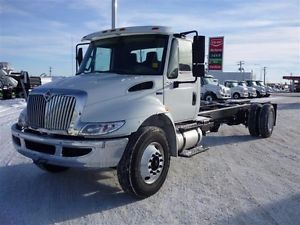
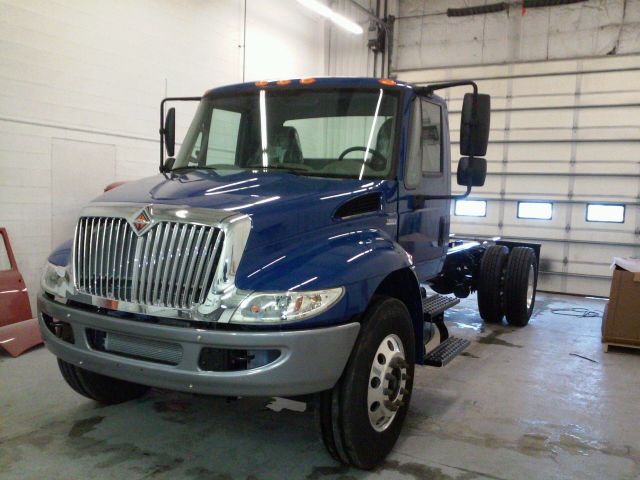
Shop new 2014 International cab and chassis trucks, including versatile 4300 models with medium-duty specs for body upfit and vocational use.
Selling a new 2014 international cab and chassis truck? List your new 2014 international cab and chassis truck for sale and reach thousands of commercial buyers.
New 2014 International Cab and Chassis Trucks
On 2014 International cab and chassis trucks, buyers will often see GVWRs around 33,000 pounds, cab-to-axle dimensions in the high-130-inch to 140-inch range, and engine ratings around 245 to 260 horsepower. Powertrain choices may include International MaxxForce 7 or MaxxForce DT diesel engines paired with an Allison automatic or a Fuller manual transmission. That combination matters in real-world use. An Allison automatic is usually preferred for pickup-and-delivery, municipal, and stop-and-go vocational work, while a manual transmission can still appeal to buyers focused on lower initial cost or driver preference. Air brakes are common in this weight class, and features like locking differentials and electronic stability programming can add value for uneven job sites, winter routes, and mixed on-road/off-road service.
Body-builder compatibility should be a major focus when comparing these trucks. Cab-to-axle length, frame height, rear axle ratio, PTO provisions, and suspension setup all affect what body can be installed and how the finished truck will perform. A 138-inch or 140-inch CA dimension can be a good fit for several common commercial body lengths, but the right match depends on overhang, weight distribution, and intended cargo. Buyers should also confirm front axle capacity, rear axle rating, frame section modulus, and clearance for tanks, toolboxes, liftgates, or hydraulic equipment. For applications that idle heavily or run auxiliary equipment, engine and transmission PTO compatibility can be just as important as horsepower.
A new 2014 International cab and chassis can make sense for fleets that want an older emissions-era truck with unused service life, especially when the truck is being purchased for a specialized upfit. Warranty coverage, remaining component support, and dealer familiarity with MaxxForce-powered medium-duty platforms are worth reviewing before purchase. The best unit is the one whose wheelbase, brake system, transmission, axle spec, and body-ready dimensions already line up with the intended job, because that reduces upfit cost, shortens downtime, and avoids compromise after the body is installed.
Frequently Asked Questions about New 2014 International Cab and Chassis Trucks
What is a 2014 International cab and chassis truck typically used for?
A 2014 International cab and chassis truck is typically used as a base platform for a vocational body rather than as a finished truck. Common applications include dry van bodies, refrigerated bodies, flatbeds, dump bodies, rollback wreckers, utility bodies, stake beds, and contractor service bodies. The chassis is purchased for its GVWR, frame length, and cab-to-axle dimension so it can be matched to a body that fits the intended payload and work cycle.
What should I check first when comparing International 4300 cab and chassis trucks?
The first things to check are GVWR, cab-to-axle length, wheelbase, engine, transmission, and axle ratings. Those specs determine whether the truck can accept the body you need and whether it will carry the finished payload legally and efficiently. After that, review brake type, rear axle ratio, PTO capability, and suspension setup, because those details affect drivability, upfit compatibility, and operating cost.
Is an Allison automatic or a manual transmission better on a medium-duty cab and chassis?
An Allison automatic is usually the better fit for urban delivery, utility, municipal, and other stop-and-go operations because it reduces driver fatigue and tends to work well with PTO and vocational body use. A manual transmission can still be a solid choice for certain fleets, especially where drivers prefer manual control or where simplicity and lower acquisition cost are priorities. The right choice depends on route density, driver pool, and how often the truck will start, stop, and maneuver under load.
Why does cab-to-axle measurement matter on a cab and chassis truck?
Cab-to-axle measurement is one of the most important body-builder dimensions because it helps determine what body length can be installed correctly on the frame. If the CA is wrong, the truck may have poor weight distribution, improper rear overhang, or fitment issues with liftgates, hoists, and accessories. A buyer should match the CA to the body manufacturer's guidelines, the expected payload center, and any equipment that needs frame space behind the cab.
Are 2014 International cab and chassis trucks a good fit for specialized upfits?
They can be a strong fit if the chassis specifications already align with the body and equipment requirements. A properly spec'd 2014 International 4300 can support many specialized upfits in the medium-duty range, especially where 33,000-pound GVWR, air brakes, and vocational drivetrain options are appropriate. The most successful purchases are the ones where frame dimensions, axle capacity, transmission choice, and PTO needs are confirmed before the body is ordered or installed.