
New 2014 International Cab and Chassis Trucks For Sale in Kansas
Shop 2014 International cab and chassis trucks for sale, including 4300 configurations with 33,000 GVW, multiple wheelbases, and body-ready specs.
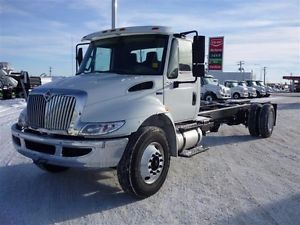
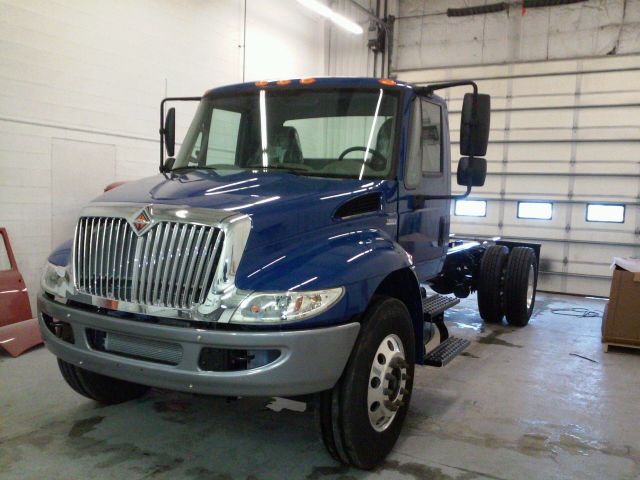
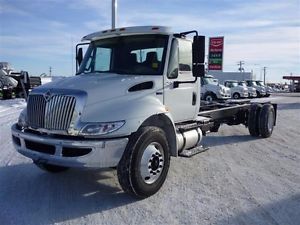
Selling a new 2014 international cab and chassis truck? List your new 2014 international cab and chassis truck for sale and reach thousands of commercial buyers.
New 2014 International Cab and Chassis Trucks in Kansas
On 2014 models, buyers will often see GVWR around 33,000 pounds, making these trucks suitable for heavier Class 7 applications without stepping into a full conventional tractor. Common powertrain choices include International MaxxForce 7 or MaxxForce DT engines, often in the mid-200 HP range up to around 260 HP, paired with either a Fuller 6-speed manual or an Allison automatic such as the 3000RDS. That transmission choice matters. An Allison automatic is typically preferred for stop-and-go delivery, utility, and municipal routes where driver turnover and PTO integration are factors. A manual can still make sense for fleets that want lower upfront cost and have drivers comfortable with a 6-speed. Air brakes are common at this GVWR, and features like locking differentials add value for dirt lots, jobsites, and winter operation in Kansas.
The most important dimension on a cab and chassis is usually cab-to-axle, because that determines body fitment. A 138-inch to 140-inch CA setup is common on trucks intended for shorter bodies or more compact vocational builds, but buyers should confirm exact body length targets, rear overhang, and axle placement before purchasing. Frame condition matters even on a new older-year unit, especially if it has been stored for an extended period. Check for corrosion on exposed chassis components, verify that wiring and air lines are intact for the intended upfit, and confirm PTO provisions if the truck will run hydraulic equipment, a dump hoist, compressor, or crane body. Wheelbase, rear axle ratio, and suspension spec should also match the route profile and payload, not just the body being installed.
For Kansas buyers, a cab and chassis in this class is often selected for grain support, contractor work, local delivery, utility service, and municipality use where a straight truck body is more practical than a tractor-trailer combination. International has long been a familiar fleet brand in this segment, and parts and service access remain part of the appeal. The right 2014 International cab and chassis is less about badge and more about fit: body compatibility, legal payload after upfit, brake and transmission preference, and how the truck will perform once fully built for its actual job.
Frequently Asked Questions about New 2014 International Cab and Chassis Trucks in Kansas
What is a cab and chassis truck used for?
A cab and chassis truck is sold as a truck frame with cab, drivetrain, and running gear but without the final work body installed. It is designed to be upfitted with bodies such as a box van, flatbed, dump body, stake bed, utility body, rollback, or service truck body. Buyers choose this configuration when they need a truck tailored to a specific application rather than a factory-finished straight truck.
What should I check first on a 2014 International cab and chassis?
Start with the cab-to-axle measurement, GVWR, rear axle rating, and frame dimensions because those specs control what body can be mounted. Then review the engine and transmission combination, brake type, suspension rating, PTO capability, and wheelbase. On older new units, it is also smart to inspect storage-related wear such as tire age, battery condition, fluid service history, and any corrosion or weathering on chassis components.
Is the International 4300 a good platform for medium-duty upfits?
The International 4300 is a common medium-duty platform because it supports a wide range of body applications and typically offers practical GVWR and wheelbase options for commercial use. It is frequently used for delivery, municipal, contractor, and service fleet work. The truck becomes a strong fit when the chassis dimensions, axle ratings, and powertrain match the intended body and route demands.
Should I choose an Allison automatic or a manual transmission on a cab and chassis truck?
An Allison automatic is often the better choice for routes with frequent stops, multiple drivers, PTO-driven equipment, or urban and municipal work because it is easier to operate and well-suited to vocational use. A manual transmission can still be a good fit for fleets with experienced drivers and simpler duty cycles. The right choice depends on driver availability, terrain, maintenance preferences, and how the truck will be used after upfit.
Why does cab-to-axle length matter on a cab and chassis?
Cab-to-axle length is one of the most important body-fit dimensions on a cab and chassis truck. It determines the usable body length, affects rear overhang, and influences weight distribution across the axles. If the CA dimension is wrong for the intended body, the truck may require costly modifications or may not accept the upfit correctly at all.