
New 2014 Cab and Chassis Trucks For Sale in Kansas
Shop 2014 new cab and chassis trucks for sale in Kansas. Compare GVWR, cab-to-axle, powertrain, brake, and upfit-ready chassis specs.
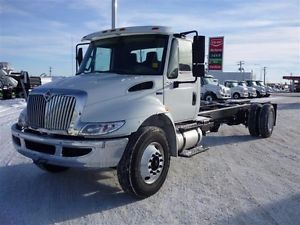
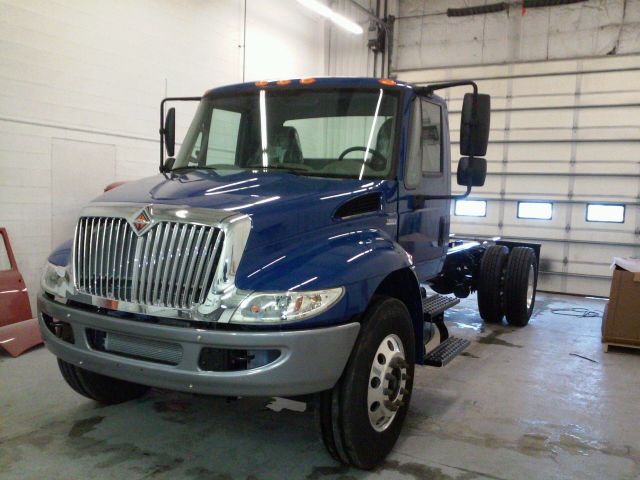
Selling a new 2014 cab and chassis truck? List your new 2014 cab and chassis truck for sale and reach thousands of commercial buyers.
New 2014 Cab and Chassis Trucks in Kansas
Powertrain choice matters because a cab and chassis truck often spends its life in stop-and-go service with PTO demands, loaded starts, and frequent idle time. In this segment, buyers will commonly see diesel engines in the mid-200 horsepower range, paired with either an Allison automatic such as a 3000RDS or a 6-speed manual transmission. Automatics are typically preferred for route work, municipal use, and mixed-driver fleets because they reduce fatigue and simplify training. Manual transmissions still appeal to operators who want lower initial complexity and more direct control in certain vocational settings. Air brakes are common at this GVWR, and features like locking differentials and electronic stability systems can be important if the truck will work on gravel, jobsites, or in winter conditions across Kansas.
Kansas buyers should pay close attention to axle ratings, suspension spec, and how the chassis will carry the intended body under real payload conditions. A service truck with tools and compressors loads differently than a box truck or a light dump. Frame strength, rear axle ratio, PTO compatibility, and clearance for tanks, liftgates, or outriggers all affect how usable the chassis will be after the upfit is installed. If the truck is intended for regional delivery, confirm that the wheelbase balances maneuverability in town with enough frame length for the body you need. If the application is utility, ag support, or construction, ground clearance, locking rear differential, and brake configuration usually matter more than top-road speed.
A new 2014 cab and chassis truck can make sense for buyers looking for an unused platform from a proven medium-duty generation, especially when the priority is body installation and application fit rather than the latest cab redesign. The value in this category comes from matching the chassis to the final job. Buyers should compare GVWR, CA, engine output, transmission type, brake system, and body-builder friendliness before focusing on cosmetic details. A properly spec'd cab and chassis will upfit cleanly, carry the load legally, and deliver better long-term service life than a mismatched truck with the wrong frame length or drivetrain.
Frequently Asked Questions about New 2014 Cab and Chassis Trucks in Kansas
What is a cab and chassis truck used for?
A cab and chassis truck is an incomplete truck built to accept a vocational body or specialized equipment. Common uses include box trucks, flatbeds, service trucks, utility bodies, dump bodies, stake beds, tow bodies, and municipal upfits. The main advantage is flexibility, because the buyer can match the chassis dimensions, GVWR, and drivetrain to the exact job instead of adapting a finished truck that was built for a different application.
Why is cab-to-axle measurement important on a cab and chassis truck?
Cab-to-axle, often abbreviated CA, is one of the most important fitment measurements on a cab and chassis. It determines what body lengths and body styles can be mounted correctly on the frame. If the CA is too short or too long for the intended body, the truck can end up with poor weight distribution, axle overload, installation problems, or reduced maneuverability. Buyers should confirm CA together with wheelbase, rear overhang, and the body manufacturer's mounting requirements before purchasing.
Is an automatic or manual transmission better for a medium-duty cab and chassis?
The better choice depends on the job cycle and the driver pool. An automatic transmission is usually the preferred option for delivery fleets, municipal service, and urban vocational work because it is easier to operate in stop-and-go traffic and reduces driver fatigue. A manual transmission can still be a solid choice for certain vocational applications where driver preference, maintenance familiarity, or lower purchase cost are priorities. The transmission should also be matched to PTO needs, startability, and expected payload.
What should Kansas buyers look for in a 2014 cab and chassis truck?
Kansas buyers should evaluate the truck based on terrain, weather, and intended upfit. Air brakes, a locking differential, and stable loaded handling are valuable for winter roads, gravel lots, and mixed rural-highway use. It is also important to confirm GVWR, axle ratings, suspension capacity, and frame dimensions so the truck can legally carry the finished body and payload. For regional delivery or contractor use, buyers should balance maneuverability with enough frame length for the upfit and enough power for loaded starts and highway travel.
What specs matter most when comparing 2014 cab and chassis trucks?
The key specs are GVWR, front and rear axle ratings, cab-to-axle, wheelbase, engine horsepower and torque, transmission model, brake type, rear axle ratio, and PTO capability. Buyers should also check for vocational features such as locking differentials, stability control, frame reinforcement, and suspension type. These details have a bigger effect on body compatibility and operating performance than appearance or trim level, because they determine how well the truck can be upfitted and how it will perform once fully loaded.