
New Commercial Trucks For Sale in Alaska
Shop new trucks for sale in Alaska, including heavy-duty dump and roll-off models built for severe service, payload, traction, and cold-weather use.
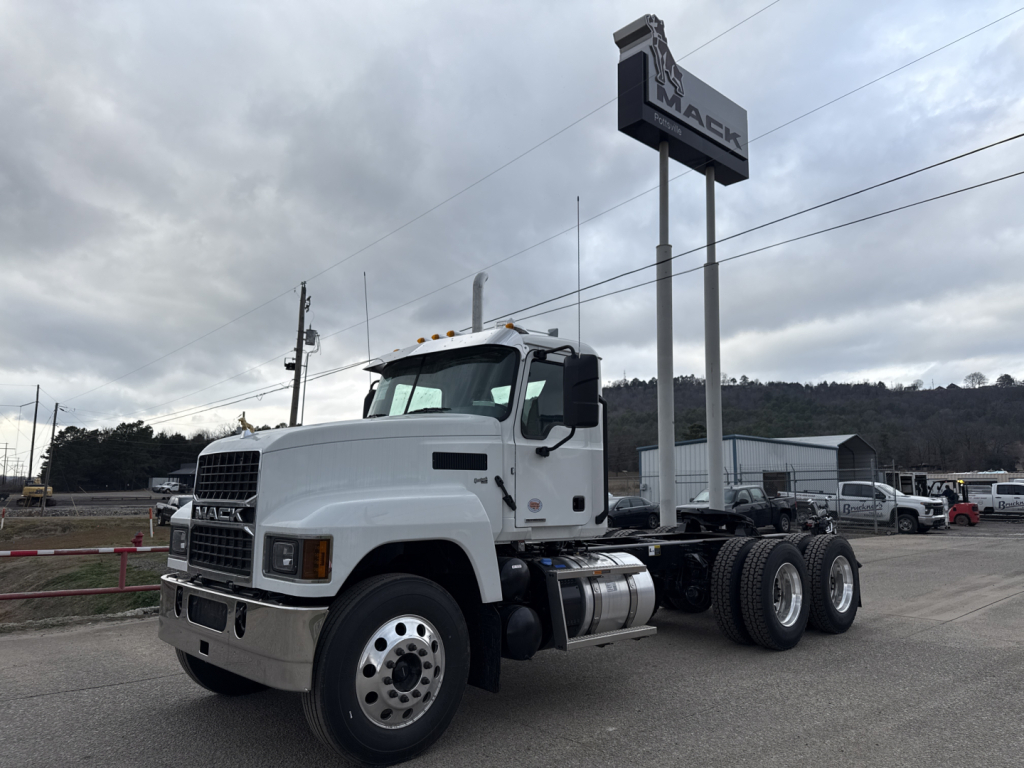
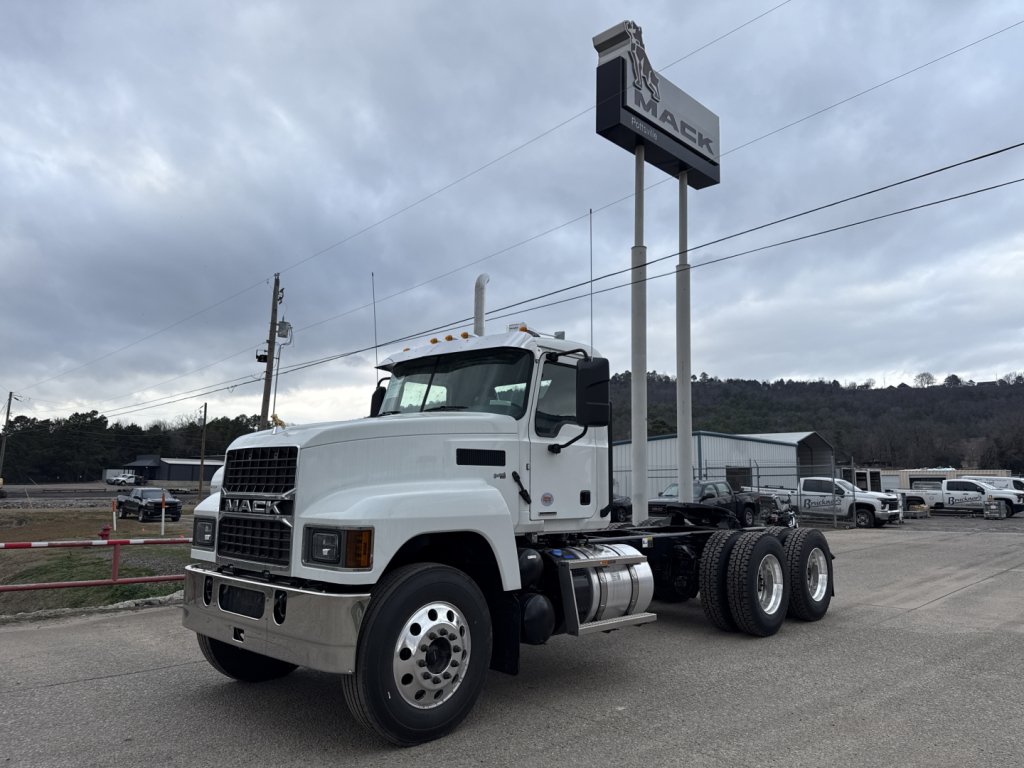
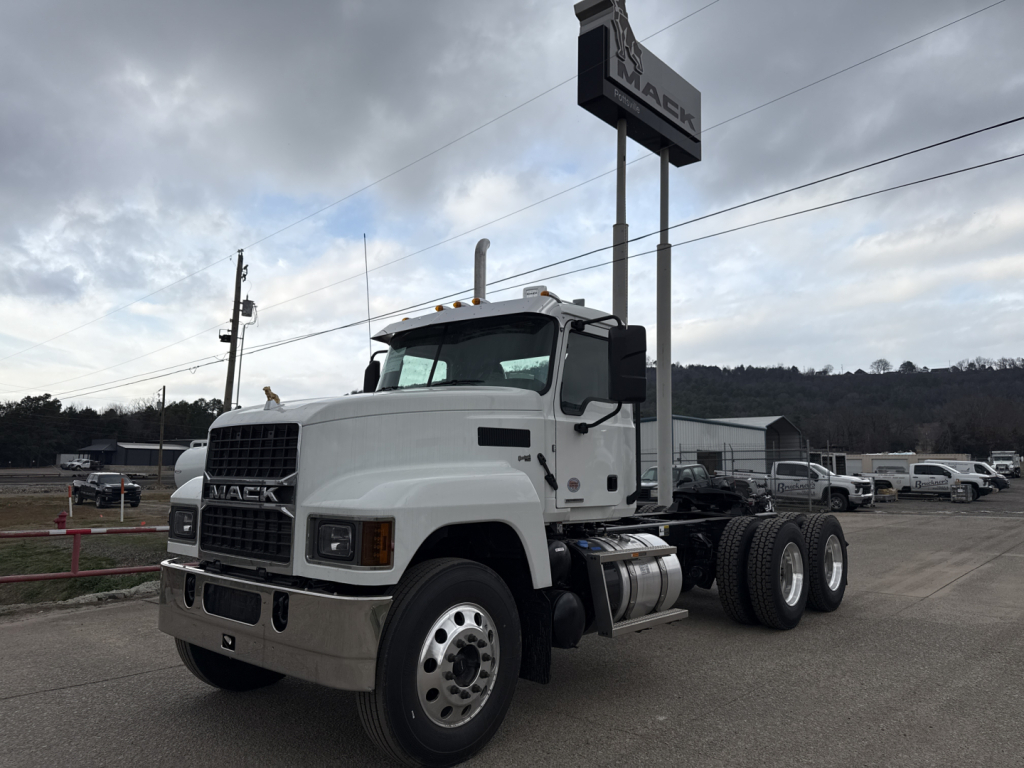
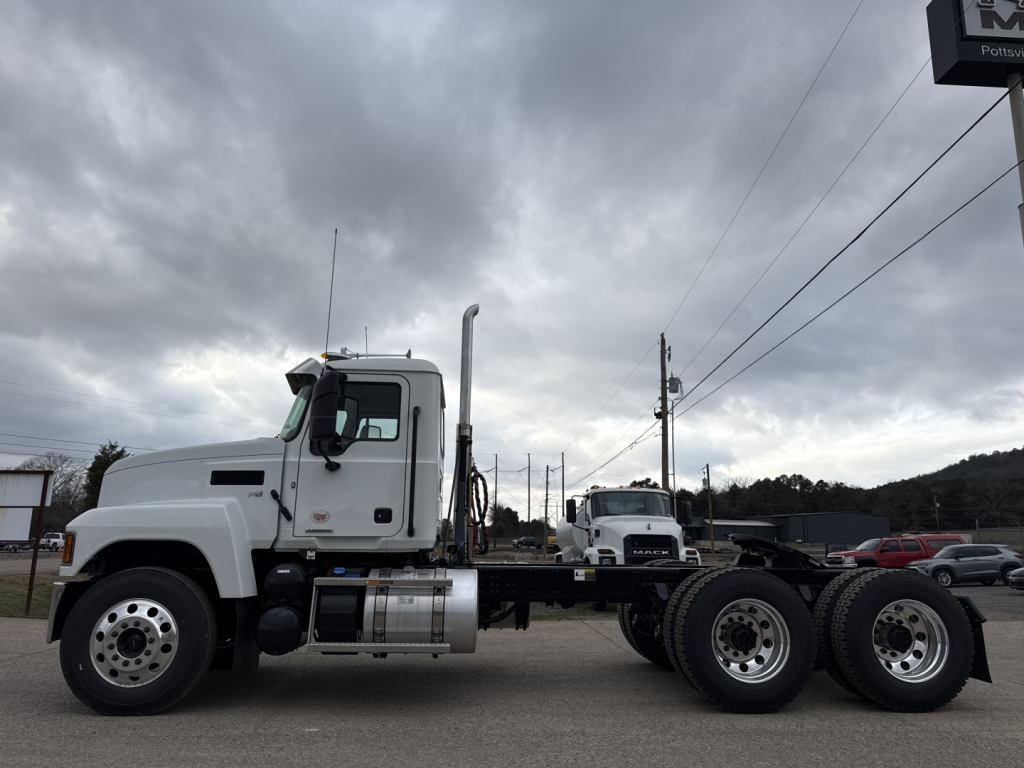
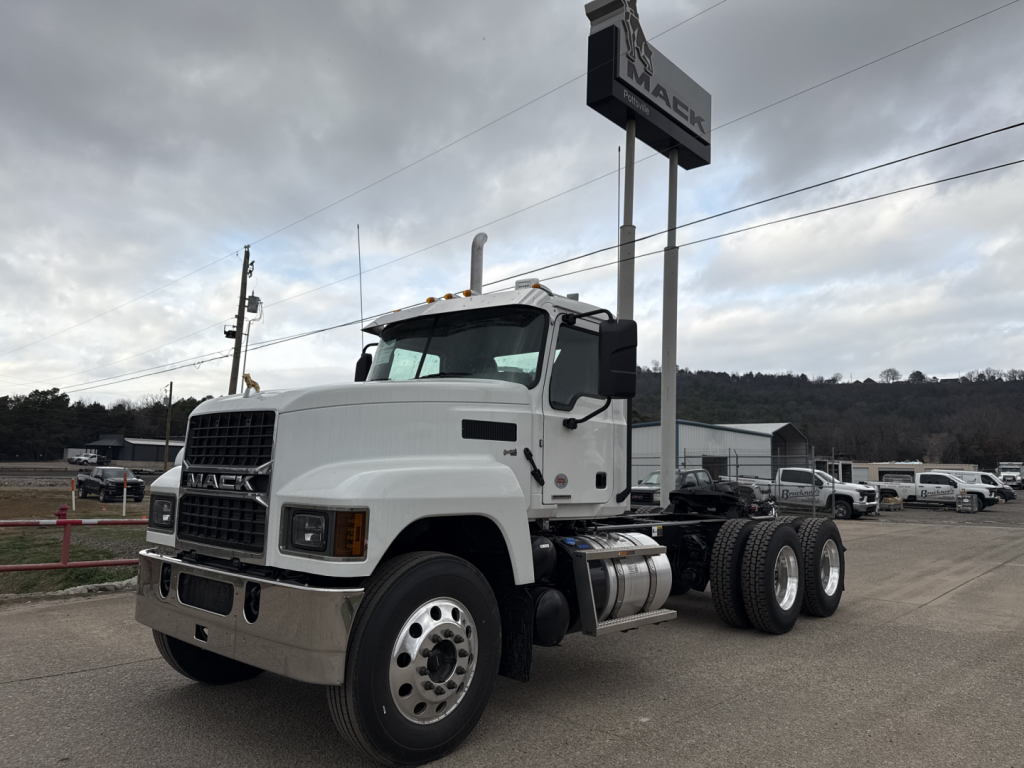
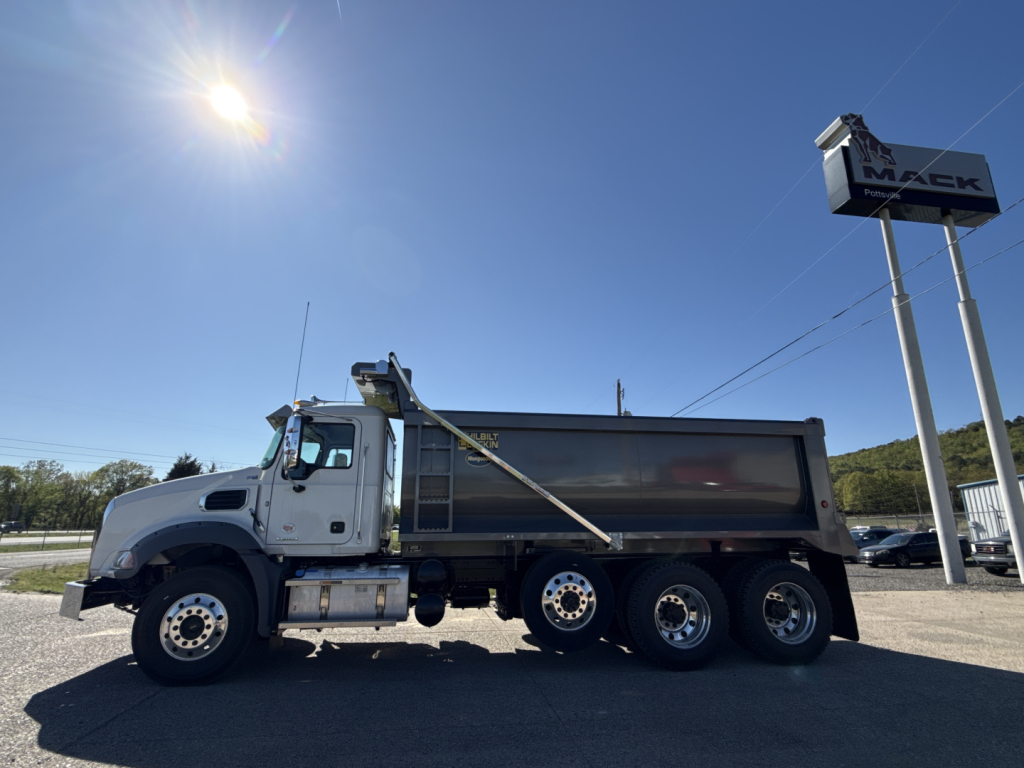
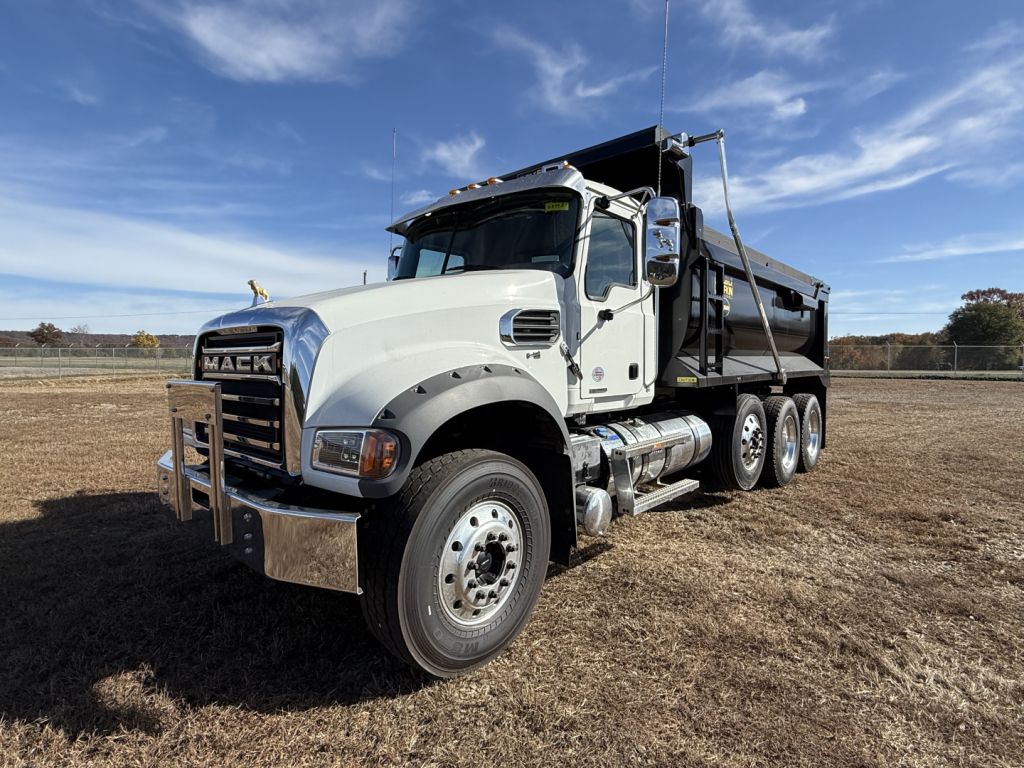
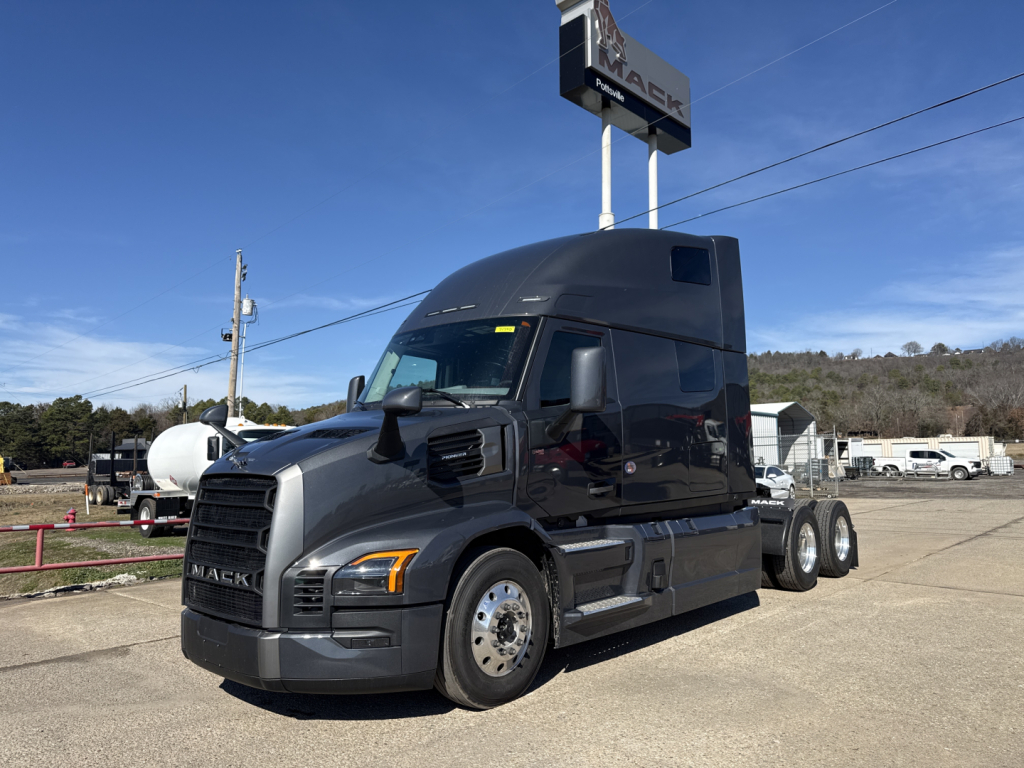

Selling a new commercial truck? List your new commercial truck for sale and reach thousands of commercial buyers.
New Commercial Trucks in Alaska
For dump truck buyers, the key decision points are body capacity, axle setup, and driveline match. A severe-duty chassis with a 20,000-lb front axle and 46,000-lb rear axle package is common for aggregate, excavation, road building, and municipal work. Mack MP8 power in the mid-400 hp range is a typical fit for this class, especially when paired with an automated manual like the Mack mDRIVE HD or a fully automatic in stop-and-go applications. Rear ratios around 3.98 to 4.50 are well suited for launch, gradeability, and low-speed jobsite performance, especially when the truck is carrying a full load on soft surfaces or in winter conditions.
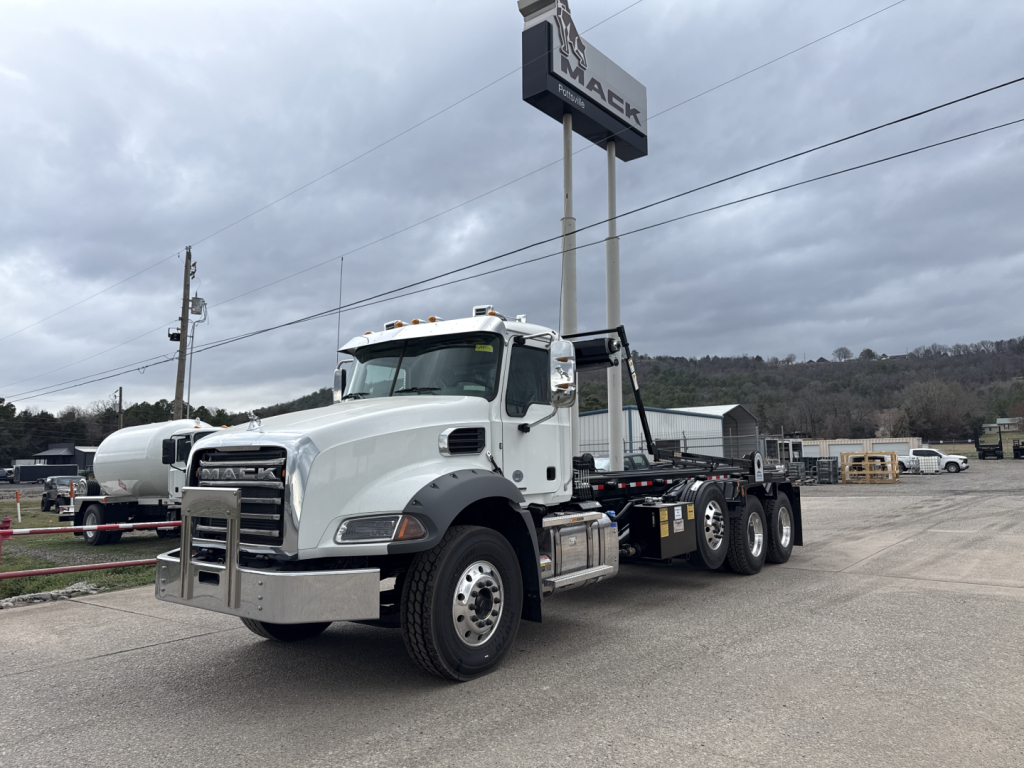
Roll-off trucks in this weight class are built around hoist compatibility, wheelbase, and legal payload. A longer wheelbase, such as the 250-inch range, is common when the chassis is designed to carry containers securely while maintaining balance across the axles. Buyers should verify hoist brand compatibility, cable or hooklift configuration, outside rail width, and clear cab-to-axle dimensions before comparing listings. In Alaska service, corrosion protection, block heater provisions, battery capacity, tire selection, and suspension durability matter as much as horsepower. Camelback and other heavy multileaf rear suspensions remain popular in severe-duty applications because they are simple, durable, and proven under heavy vocational loads.
When comparing new trucks in this category, focus on how the chassis was ordered for the intended job rather than just the badge or model year. Engine output, transmission type, axle ratio, wheelbase, and axle spread all affect productivity, legal compliance, and maintenance cost. A truck built for municipal snow and material hauling will differ from one intended for demolition, container service, or quarry work, even if both share the same cab and engine family. The right new truck for Alaska is one with a spec sheet that matches terrain, climate, payload, and body equipment from day one.
Frequently Asked Questions about New Commercial Trucks in Alaska
What specs matter most when buying a new vocational truck in Alaska?
The most important specs are GVWR, front and rear axle ratings, wheelbase, suspension type, rear axle ratio, and transmission choice. In Alaska, cold-weather starting equipment, traction, and durability on rough roads are also major considerations. A severe-service truck with the right axle capacity and gearing will usually outperform a higher-horsepower truck that was not spec'd correctly for local terrain and payload demands.
Is an automated manual or automatic transmission better for a new dump or roll-off truck?
It depends on the application. Automated manuals are often chosen for fuel efficiency, gear control, and heavy-haul durability, especially in dump work where gradeability matters. Fully automatic transmissions are popular in roll-off, refuse, and stop-and-go service because they reduce driver fatigue and offer smooth low-speed operation. The best choice comes down to route profile, driver pool, PTO needs, and how often the truck works in tight or repetitive loading environments.
Why are tri-axle configurations common on new heavy-duty trucks?
Tri-axle trucks are common because they help distribute weight more effectively and support higher legal payloads in vocational service. In dump and roll-off applications, the extra axle can improve bridge compliance, reduce overloading risk on individual axle groups, and increase overall versatility. Buyers should still confirm local weight rules, axle spacing, and intended body dimensions because legal capacity depends on the full chassis layout, not just axle count.
What engine horsepower range is typical for new severe-duty trucks?
For heavy vocational trucks such as dump and roll-off models, engines in the low-to-mid 400 horsepower range are common. That range usually provides enough torque for loaded starts, off-road traction, and grade climbing without overspec'ing the truck. Torque curve, transmission pairing, and rear ratio are just as important as the peak horsepower number because they determine how the truck actually performs under load.
What should a buyer check before purchasing a new roll-off chassis?
A buyer should confirm the cab-to-axle measurement, wheelbase, frame strength, axle ratings, PTO setup, and compatibility with the intended hoist system. It is also important to verify the truck's suspension, rear ratio, and turning radius because roll-off work often combines heavy container weights with tight urban or transfer-station access. If the truck will work year-round in Alaska, cold-weather provisions and corrosion resistance should be part of the chassis evaluation, not an afterthought.