
New 2027 Commercial Trucks For Sale in Alaska
Shop new 2027 trucks for sale in Alaska, including sleeper, day cab, and dump truck specs for long-haul, vocational, and fleet use.
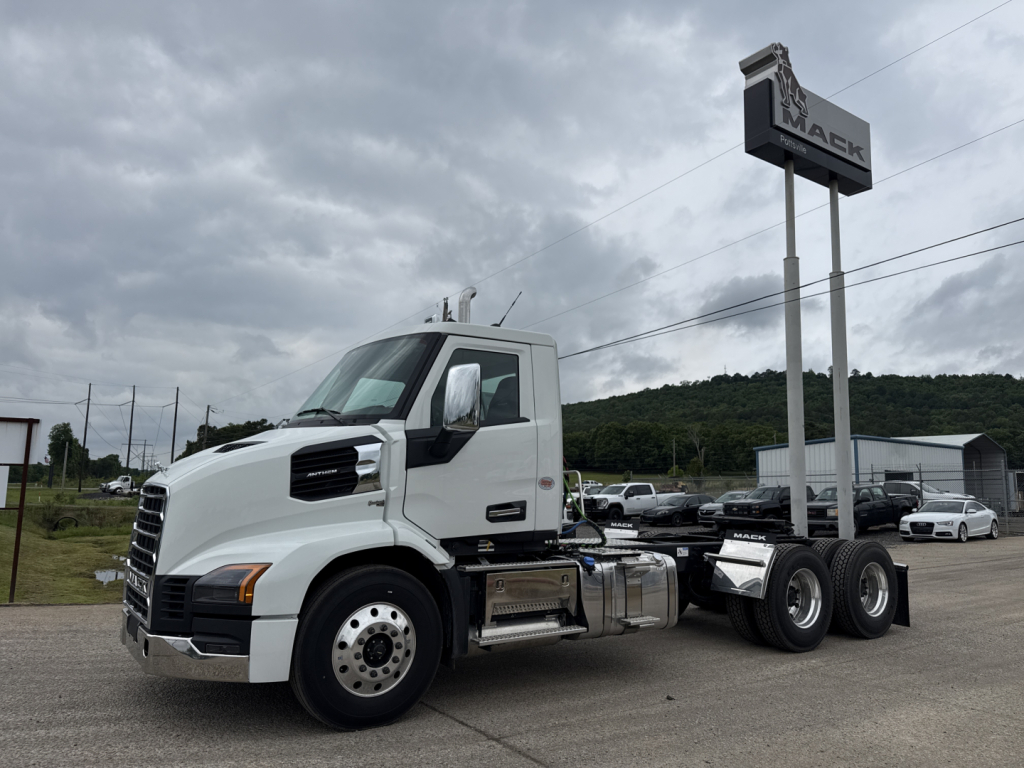

Selling a new 2027 commercial truck? List your new 2027 commercial truck for sale and reach thousands of commercial buyers.
New 2027 Commercial Trucks in Alaska
For on-highway tractors, the key choices usually come down to cab configuration, engine rating, axle package, wheelbase, and rear ratio. Sleeper trucks in this class commonly run tandem axles, around 40,000-lb rear axles, front axles in the 12,000-lb to 13,200-lb range, and 12-speed automated manual transmissions such as Volvo I-Shift or Mack mDRIVE. Horsepower in the mid-400s to 500 hp range is common, paired with torque ratings that support heavy gross weights and mountain pulls. A lower numerical rear ratio like 2.47 or 2.79 generally favors fuel-efficient highway cruising, while a ratio such as 3.08 can make sense for regional work, heavier starts, or routes with more grade changes. Wheelbase matters too. A 230-inch-plus wheelbase often fits a long-haul sleeper spec, while a shorter day cab layout improves maneuverability around terminals, ports, and tighter job sites.
Alaska buyers should pay close attention to cold-weather spec details that may not stand out in a basic listing. Battery capacity, block heaters, fuel heating strategy, cab insulation, bunk HVAC options, disc brakes versus drums, and tire selection all affect real-world operation. Driver comfort features are not cosmetic in this environment. Heated seats, premium bunks, APUs, and strong defrost performance can improve retention and reduce idle time. For vocational trucks such as new dump trucks, frame strength, axle set-back or set-forward configuration, suspension choice, PTO compatibility, body upfit readiness, and traction-focused tire specs matter more than sleeper amenities. Mack dump configurations are often chosen for severe-service durability, while Volvo and Mack highway tractors are both common in fleets that want modern aero cabs and integrated powertrains.
A good 2027 truck spec balances purchase price with operating cost over the first several years. Integrated powertrains, current emissions systems, and factory safety technology can help with fuel burn, driver acceptance, and service planning, but the right truck still depends on lane, load, and climate. Buyers comparing new 2027 trucks in Alaska should focus on gross vehicle weight rating, axle ratings, transmission programming, suspension type, and intended body or trailer match before they focus on trim. The best value usually comes from a truck that is correctly spec'd from day one for the exact work it will do.
Frequently Asked Questions about New 2027 Commercial Trucks in Alaska
What types of new 2027 trucks are most common in Alaska?
The most common new 2027 trucks in Alaska include conventional sleeper tractors for long-haul freight, conventional day cab tractors for local and regional work, and dump trucks for construction, road maintenance, and municipal applications. Sleeper trucks are typically chosen for longer routes and driver comfort, while day cabs fit operations that return to base daily. Dump trucks are built around vocational durability, body compatibility, and traction in mixed road conditions.
What specs matter most when buying a new 2027 highway tractor?
The most important specs are engine horsepower and torque, transmission type and gearing, front and rear axle ratings, wheelbase, rear suspension, and rear axle ratio. These determine startability, cruise rpm, payload support, maneuverability, and fuel economy. Many buyers in this category look for 12-speed automated manual transmissions, tandem 40,000-lb rears, and engine ratings in the 445 hp to 500 hp range, but the right combination depends on trailer type, route profile, and average gross weight.
Is a sleeper or day cab better for Alaska operations?
A sleeper is usually the better choice for long-distance runs, team operations, or routes where weather delays and overnight stops are common. A day cab is better for shorter hauls, terminal-to-terminal routes, and operations that prioritize lower weight and tighter turning. In Alaska, route length, available lodging, and cold-weather downtime all influence this decision more than purchase price alone.
What should buyers look for in a new 2027 dump truck?
For a new 2027 dump truck, buyers should focus on axle configuration, frame and suspension strength, PTO and hoist compatibility, engine torque, transmission programming, and upfit readiness for the body. Tire spec, brake package, and traction setup are especially important in Alaska because job sites can involve snow, mud, loose aggregate, and uneven surfaces. A dump truck that is under-spec'd for body weight or off-road use will cost more in downtime than it saves upfront.
Are automated manual transmissions a good choice in new 2027 trucks?
Yes. Automated manual transmissions are now a standard choice in many new 2027 trucks because they improve shift consistency, reduce driver fatigue, and can support better fuel economy when properly matched to the engine and rear ratio. Systems like Volvo I-Shift and Mack mDRIVE are common in both fleet and owner-operator specs. The key is making sure the transmission programming matches the truck's duty cycle, especially if the truck will see steep grades, heavy starts, or vocational work.