
New 2027 Mack Trucks For Sale in Alaska
Shop new 2027 Mack trucks for sale, including daycabs, sleepers, and cab & chassis models built for vocational and highway use.
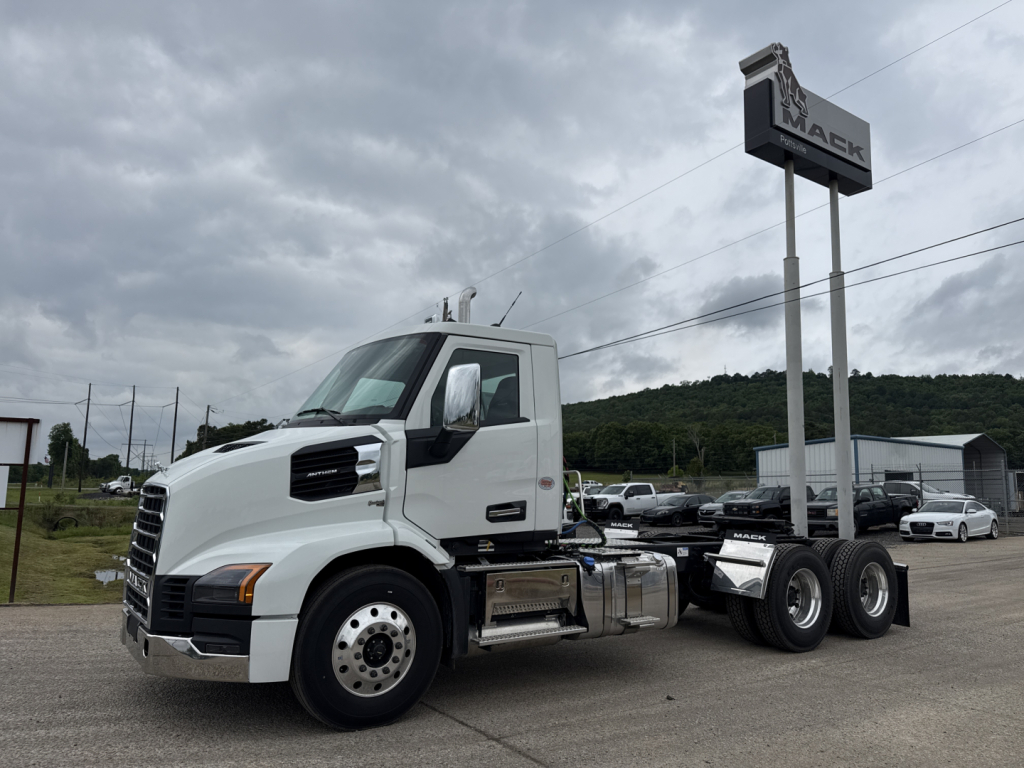

Selling a new 2027 mack truck? List your new 2027 mack truck for sale and reach thousands of commercial buyers.
New 2027 Mack Trucks in Alaska
For highway tractors, the core decisions usually center on engine rating, transmission spec, axle capacity, and wheelbase. Common configurations include Mack integrated powertrains with MP-series diesel engines and the M-Drive automated manual transmission, often paired with 6x4 tandem rears. Buyers should pay close attention to horsepower and torque ratings, rear axle ratio, and fuel capacity because those specs determine where the truck will perform best. A 445 hp class sleeper with 40,000 lb rears, for example, fits many general freight applications, while a daycab may be better suited to short-haul lanes, port work, or dedicated regional routes where lower tare weight and tighter maneuverability matter more than sleeper amenities.
For cab and chassis buyers, body-builder compatibility is the key issue. New Mack chassis can be spec'd for medium-duty and vocational work where frame strength, wheelbase options, PTO provisions, axle placement, and suspension design matter as much as engine output. In Alaska, buyers also tend to look harder at cold-weather reliability items such as block heaters, battery capacity, fuel system protection, cab insulation, and heater performance. Ground clearance, traction-oriented tire choices, and suspension spec also matter more in mixed pavement, gravel, snow, and frost-heave conditions than they might in the Lower 48.
A good Mack spec is less about the badge and more about matching the truck to payload, route profile, and body requirement. On sleeper tractors, look closely at roof height, bunk layout, HVAC, fuel tank split, and wheelbase for bridge law and trailer swing clearance. On daycabs, focus on axle spread, turning radius, frame layout, and expected trailer weights. On chassis units, verify CA dimension, frame rail sizing, front axle rating, and any PTO or electrical provisions needed for the upfit. Mack trucks are also commonly referred to by buyers as conventional daycabs, conventional sleepers, or cab and chassis trucks, and each category serves a very different job even within the same model year.
Frequently Asked Questions about New 2027 Mack Trucks in Alaska
What types of new 2027 Mack trucks are most common on the market?
The most common new 2027 Mack truck categories are conventional daycabs, conventional sleepers, and cab and chassis models. Daycabs are typically used for local and regional hauling, sleepers are built for over-the-road and multi-day routes, and cab and chassis units are purchased for body installation such as box, dump, utility, or service applications. The right category depends on route length, payload, and whether the truck needs to pull a trailer or carry a permanently mounted body.
What should I look for when comparing a Mack daycab to a Mack sleeper?
The main differences are operating range, wheelbase, driver accommodations, and intended duty cycle. A daycab usually offers a shorter wheelbase, lower weight, and better maneuverability for regional or urban work. A sleeper adds living space, more storage, and often larger fuel capacity for long-haul applications. Buyers should compare axle ratings, rear ratio, engine horsepower, bunk size, and fuel tank configuration to make sure the truck fits the lane, trailer type, and expected annual miles.
Are Mack cab and chassis trucks a good choice for vocational upfits?
Mack cab and chassis trucks are a strong fit for vocational work when the truck is properly spec'd for the body and operating environment. Buyers should confirm frame rail dimensions, cab-to-axle length, PTO capability, front and rear axle ratings, suspension type, and any electrical integration needed for the body equipment. Those details matter more than model name alone because an incorrect CA or axle setup can complicate the upfit or limit legal payload.
What Mack powertrain specs matter most for highway tractors?
For highway Mack tractors, the most important specs are engine horsepower, torque, transmission type, rear axle ratio, wheelbase, and axle ratings. Many buyers focus on MP-series engines and the Mack M-Drive automated manual because that combination is common in fleet highway service. Rear ratio affects cruise rpm and gradeability, while wheelbase influences ride, trailer clearance, and bridge compliance. Fuel capacity and sleeper HVAC also matter for long-haul use.
What should Alaska buyers pay special attention to on a new Mack truck?
Alaska buyers should put extra attention on cold-weather starting, cab heat, electrical capacity, tire selection, and chassis durability. Block heaters, strong battery systems, winterized fuel considerations, and dependable HVAC performance are practical concerns in extreme cold. For vocational and mixed-surface operation, suspension spec, ground clearance, and traction-oriented tires can be just as important as engine rating. A truck that is correctly spec'd for cold climate and rougher road conditions will usually be more reliable and easier to keep productive year-round.