
New 2027 Conventional Daycab Trucks For Sale in Alaska
Shop new 2027 conventional daycab trucks in Alaska. Compare specs for regional haul, vocational work, fuel economy, and cold-weather durability.
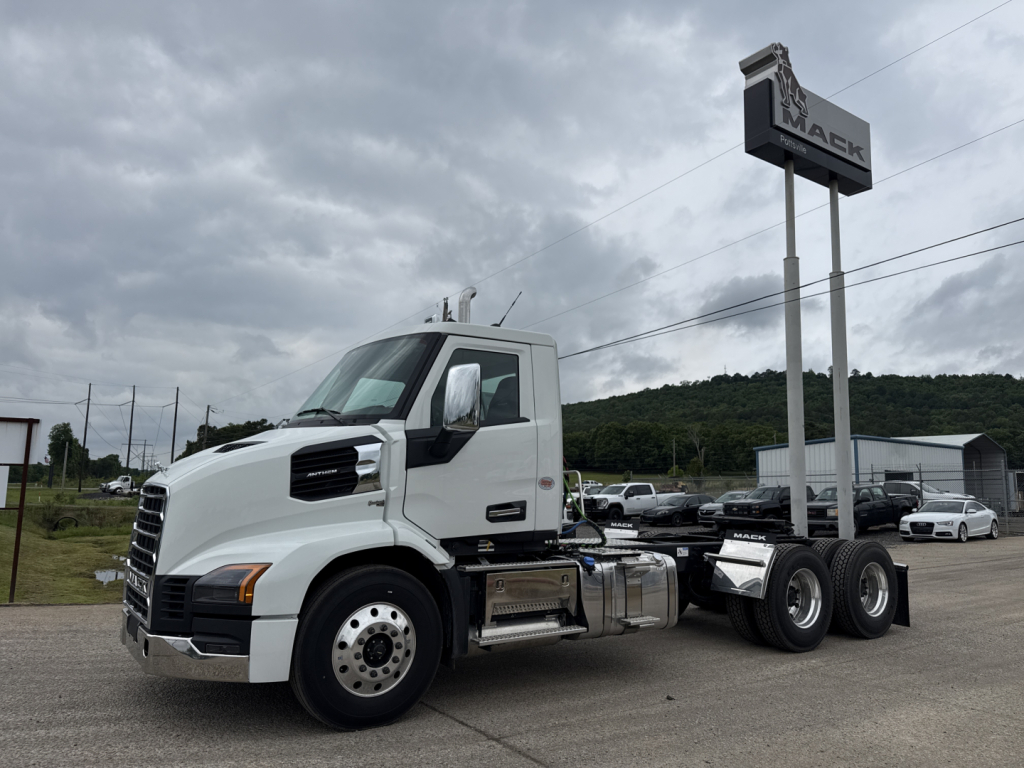

Selling a new 2027 conventional daycab truck? List your new 2027 conventional daycab truck for sale and reach thousands of commercial buyers.
New 2027 Conventional Daycab Trucks in Alaska
The main buying decision is matching axle and powertrain configuration to the work. Most conventional daycabs are spec'd as 6x4 tractors for traction and payload capability, though some fleets look at 6x2 for fuel economy in lighter linehaul service. Common engine ratings fall from the mid-300s to 500-plus horsepower, with torque output often more important than peak horsepower for heavy starts, grades, and winter road conditions. Buyers should look closely at transmission type, rear axle ratio, wheelbase, and front axle capacity. Automated manual transmissions are common in new trucks because they help with driver consistency and fuel control, while traditional manuals still appeal in severe-service or specialized applications. In Alaska, locking differentials, full fenders, block heaters, battery capacity, and proper tire selection matter as much as published engine specs.
Cab layout and chassis options affect both uptime and operating cost. Daycabs typically offer better visibility, lower tare weight, easier entry and exit, and tighter maneuverability than sleeper tractors. That matters in yards, terminals, city delivery points, and jobsite access roads. Buyers comparing new 2027 models should pay attention to frame strength, fifth wheel setup, air ride versus taper leaf suspension, fuel tank sizing, and PTO readiness if the truck may be used in vocational service. Safety and driver-assist features have become a larger part of the spec sheet as well, including collision mitigation, lane departure systems, camera integration, and improved lighting packages for dark winter conditions.
A new truck also gives the buyer the advantage of current emissions technology, factory warranty coverage, and the ability to start with a known maintenance baseline. For Alaska operations, that can be a meaningful benefit when reliability matters more than cosmetic age. The best conventional daycab is not simply the highest horsepower truck on the page. It is the one with the right cab configuration, gearing, suspension, and cold-weather equipment for the route, trailer type, and gross combination weight it will handle every day.
Frequently Asked Questions about New 2027 Conventional Daycab Trucks in Alaska
What is a conventional daycab truck best used for?
A conventional daycab truck is best suited for operations where the driver returns home or to a terminal the same day. Common applications include regional freight, drayage, local fuel or bulk hauling, municipal service, construction support, and short-haul truckload work. The lack of a sleeper reduces weight and cost, and it usually improves maneuverability and visibility compared with a sleeper tractor.
What specs matter most when buying a daycab truck in Alaska?
In Alaska, buyers should focus on cold-weather starting equipment, traction, axle capacity, and durability features before looking at appearance options. Block heaters, battery and charging capacity, differential locks, appropriate tire spec, heated mirrors, strong HVAC output, and corrosion-resistant components all matter. Rear axle ratio, wheelbase, and suspension design should also match the terrain, trailer type, and average operating weight.
How much horsepower does a conventional daycab need?
The right horsepower depends on route profile, gross combination weight, and expected road conditions. Many daycab tractors operate effectively in the 350 to 450 horsepower range for regional and local work, while heavier loads, steep grades, and specialized hauling may justify 500 horsepower or more. Torque, transmission calibration, and axle ratio often have a bigger effect on real-world performance than horsepower alone.
Is an automated manual transmission a good choice for a new daycab?
For many fleets, an automated manual transmission is a strong choice because it improves shift consistency, can help fuel economy, and reduces driver fatigue in stop-and-go service. It also helps standardize driver performance across a mixed workforce. A manual transmission may still make sense for certain vocational jobs, off-road applications, or fleets with strong driver preference for direct control.
What is the advantage of buying a new 2027 daycab instead of an older used truck?
A new 2027 daycab gives the buyer current safety technology, factory warranty support, updated powertrain efficiency, and a known maintenance starting point. That can reduce early downtime risk and make budgeting easier. Newer trucks also offer more advanced telematics, improved cab ergonomics, and better integration of emissions and driver-assist systems than many older units.