
New Dump Trucks For Sale in Alaska
New dump trucks for sale in Alaska, built for aggregate, snow, municipal and site work with durable bodies, heavy axles, and all-season spec options.
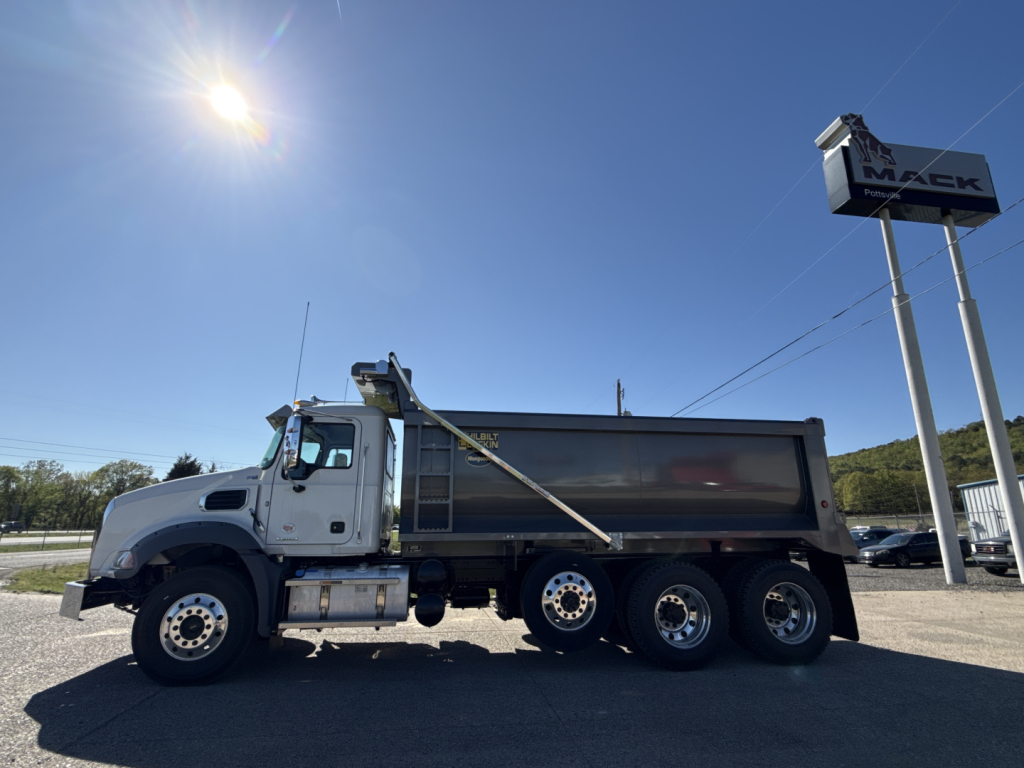
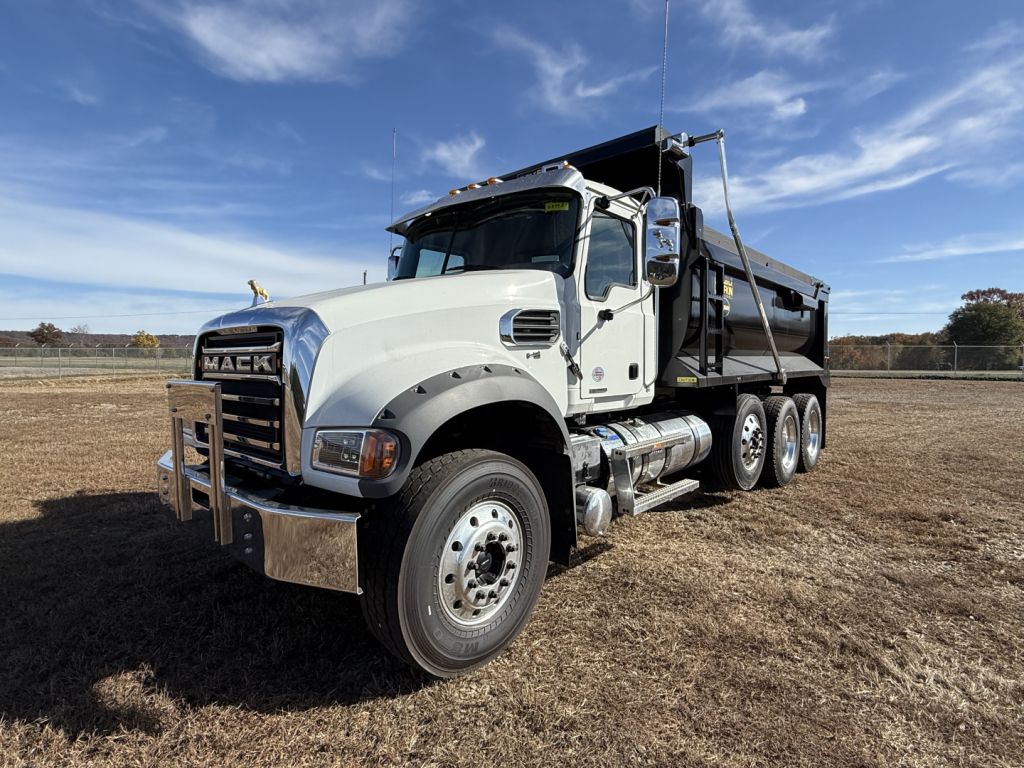

Selling a new dump truck? List your new dump truck for sale and reach thousands of commercial buyers.
New Dump Trucks in Alaska
A buyer comparing new dump trucks should look closely at GVWR, front axle capacity, rear axle ratio, suspension type, and transmission. Heavy front axles are important when running plows, wing setups, or carrying material that loads forward in the body. Rear locking differentials, deep reduction gearing, and automated manual or heavy-duty automatic transmissions can improve control on soft ground, steep grades, and winter roads. Engine ratings often fall in the high-horsepower, high-torque range for vocational work, especially when trucks are paired with 18-foot to 20-foot dump bodies, high sides, or lift gates. Body construction also matters. Steel bodies are common for rock, demolition, and abrasive material, while buyers hauling lighter bulk product may look at payload-focused configurations if legal weight and route conditions allow.
For Alaska applications, many operators prefer dump truck specs that support cold weather reliability and reduced downtime. That can include engine block heaters, battery warmers, heated mirrors, heated bodies or tailgates, severe duty cooling packages, and chassis treatments that help fight corrosion from salt, slush, and road chemicals. Tires, wheelbase, and bridge law considerations also affect how a truck performs on municipal roads, unpaved access routes, and remote project sites. A short wheelbase generally improves maneuverability in tighter work zones, while a longer wheelbase may help with body fitment and load distribution. If the truck will spend time on paving crews, utility work, mine support, or snow and ice control, the PTO setup, hydraulic capacity, and body hoist spec deserve as much attention as the engine badge.
New dump trucks also give buyers the advantage of current emissions systems, factory warranty coverage, and the ability to match the truck to a very specific application. That matters in vocational fleets where uptime depends on having the right body, tailgate, tarp system, and cab configuration from day one. Buyers in Alaska often compare set-forward and set-back axle layouts, day cab visibility, and vocational cab access for crews working in heavy boots and winter gear. Also known as dump body trucks or vocational dump trucks, these units are built to move material efficiently in conditions that are hard on frames, suspensions, and hydraulics. The best choice is usually the one with enough axle, body, and traction capacity for the work, without overspending on a spec that adds weight where it does not earn back productivity.
Frequently Asked Questions about New Dump Trucks in Alaska
What dump truck specs matter most for work in Alaska?
For Alaska, the most important dump truck specs usually include axle capacity, traction equipment, cold-weather starting support, corrosion protection, and body design. Buyers should pay close attention to front and rear axle ratings, locking differentials, suspension spec, engine torque, and transmission gearing because these affect performance on snow, mud, grades, and rough haul roads. Heated mirrors, block heaters, battery warmers, and severe duty chassis components are also valuable for reducing winter downtime.
What size dump body is common on a new vocational dump truck?
Many new vocational dump trucks run bodies in the 16-foot to 20-foot range, with body length and side height matched to the material being hauled and the truck's axle configuration. An 18-foot body is a common severe duty setup for aggregate, site material, and municipal applications. Higher sides increase cubic capacity for lighter material, but payload still depends on legal weight limits, body weight, and the chassis ratings underneath the body.
Is an automatic or manual-style transmission better in a dump truck?
Automated manual and heavy-duty automatic transmissions are both common in dump truck service, and the better choice depends on terrain, driver preference, and the type of work. Automated manuals are often chosen for fuel efficiency, torque handling, and consistent operation across multiple drivers. Heavy-duty automatics can be a strong fit for stop-and-go work, plowing, and jobs that require precise low-speed control. The transmission should be matched to rear axle ratio, engine torque curve, and PTO requirements.
How do I choose between a tandem axle and tri-axle dump truck?
A tandem axle dump truck is a standard choice for many contractors because it balances payload, maneuverability, and maintenance cost. A tri-axle dump truck can offer higher legal payload in some applications and jurisdictions, but it adds complexity, weight, and turning considerations. The right decision depends on local weight laws, the type of material hauled, route conditions, and how much time the truck will spend on paved roads versus jobsites.
Are steel dump bodies better than lighter-weight body options?
Steel dump bodies are often preferred for abrasive, high-impact materials such as rock, broken concrete, demolition debris, and riprap because they handle punishment well and tend to last in severe service. Lighter-weight body options can make sense when the application is focused on maximizing payload with less abrasive material. Buyers should weigh body durability, floor thickness, side construction, hoist design, and total empty weight against the actual material and duty cycle the truck will face.