
New Mack Dump Trucks For Sale in Alaska
Shop new Mack dump trucks for demanding haul jobs in Alaska, with Granite and MD7 models built for payload, traction, and body upfit options.

Selling a new mack dump truck? List your new mack dump truck for sale and reach thousands of commercial buyers.
New Mack Dump Trucks in Alaska
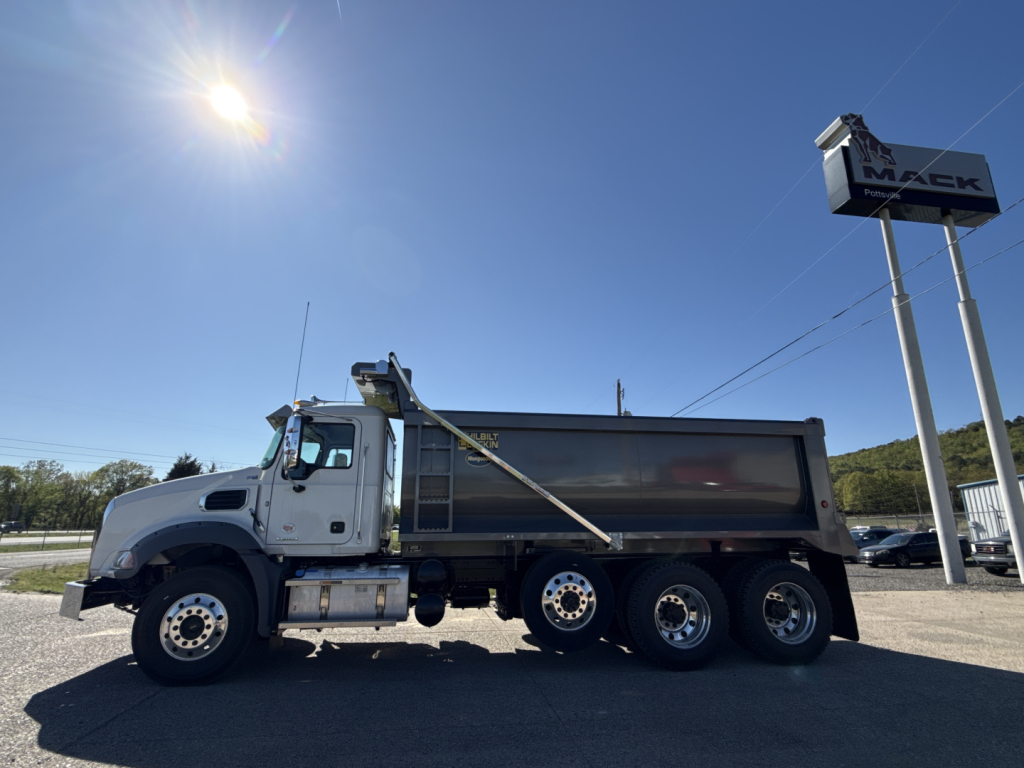
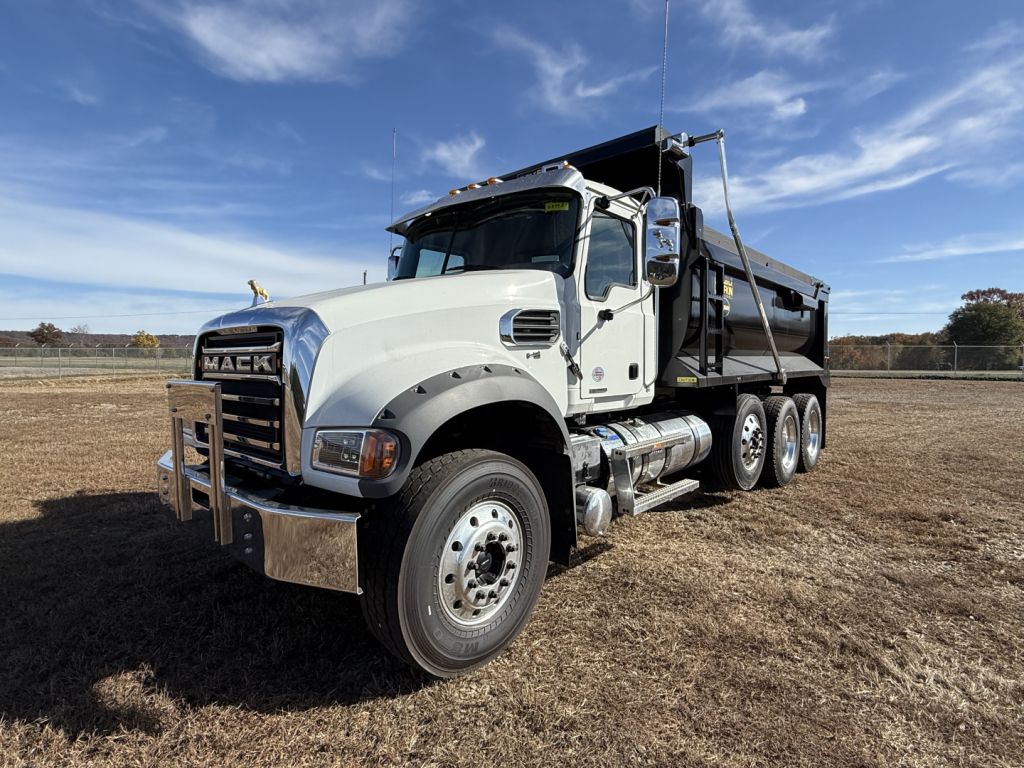
On lighter new Mack dump trucks, a 26,000-pound GVW setup can make sense for local material delivery, landscaping, property maintenance, and municipal applications where maneuverability and CDL considerations matter. These trucks are commonly paired with diesel engines in the 6.7-liter range, automatic transmissions such as the Allison 3000 or 3500 RDS series, and compact dump bodies designed for sand, gravel, mulch, or snow-related work. On the heavy side, Mack Granite dump trucks are built for higher payloads and harder ground conditions, with specs often including large-displacement diesel power, automated manual transmissions like the Mack mDRIVE, 20,000-pound front axles, 40,000-pound rears, locking differentials, and heavy vocational suspensions. For buyers hauling aggregate, riprap, shot rock, or wet material, body construction, hoist capacity, and side height deserve as much attention as horsepower.
Body design is a major buying point. Elliptical and half-round bodies generally shed sticky material better and can reduce carryback, which matters in cold climates and with wet loads. Square or traditional bodies may offer more versatility for mixed jobsite use and easier accessory mounting. In Alaska, corrosion protection, cold-weather starting equipment, block heaters, battery capacity, heated mirrors, and cab insulation can be just as important as engine output. If the truck will spend time off road or on seasonal haul roads, look closely at tire size, bridge formula requirements, fender clearance, articulation around the hoist, and the availability of PTO-driven hydraulic systems sized correctly for the body and cycle time.
A new Mack dump truck also gives buyers the advantage of current emissions systems, factory-integrated controls, and a chassis spec tailored to the body and job. The best value comes from matching wheelbase, body length, axle spread, and suspension rating to the actual material being hauled. A short-wheelbase single axle can be ideal in town and around tight jobsites, while a tandem Granite with a high-capacity body is better suited to production hauling and severe-service cycles. Mack remains a strong fit for buyers who want a vocational chassis with durable frame rails, proven drivetrain options, and the ability to be configured for municipal, construction, excavation, and aggregate work.
Frequently Asked Questions about New Mack Dump Trucks in Alaska
What is the difference between a Mack MD7 dump truck and a Mack Granite dump truck?
A Mack MD7 dump truck is typically aimed at lighter-duty work such as municipal service, landscape material delivery, snow support, and smaller construction jobs. It is often spec'd around a 26,000-pound GVW with a medium-duty diesel and fully automatic transmission. A Mack Granite is a severe-service vocational truck built for heavier payloads, tougher terrain, and more demanding duty cycles. Granite models usually offer larger engines, heavier front and rear axles, more robust suspensions, and body options better suited to aggregate, demolition, and excavation work.
What dump body style is best for hauling gravel, asphalt, or wet material?
For gravel, asphalt, and wet or sticky material, many buyers prefer an elliptical or half-round dump body because the shape promotes cleaner unloading and reduces material hang-up. That can improve cycle times and reduce carryback. A square-body design can still be a good choice for mixed applications, especially when versatility and easier accessory installation matter more than maximum material flow. The best body also depends on side height, floor thickness, steel type, hoist design, and how abrasive or dense the material is.
What should I look for on a new dump truck for Alaska work?
For Alaska, cold-weather specification is critical. Buyers should look for engine block heaters, strong battery capacity, heated mirrors, effective cab heat and insulation, and components selected for cold starts and winter operation. Traction features such as locking differentials, appropriate rear axle ratios, and tire selection matter on snow, ice, and unpaved surfaces. Corrosion protection, durable wiring protection, and a body suited to wet or frozen material can also make a major difference in uptime and long-term operating cost.
Is an automatic or automated manual transmission better in a Mack dump truck?
It depends on the job. Fully automatic transmissions, such as the Allison RDS series commonly found in lighter dump applications, are well suited to stop-and-go work, municipal routes, and drivers who need smooth operation with less shifting input. Automated manual transmissions such as Mack mDRIVE are common in heavy vocational trucks because they handle high torque efficiently and can be paired with severe-service features like crawler gears or low-speed maneuvering capability. The right transmission choice depends on terrain, payload, driver mix, and how much time the truck spends on road versus off road.
How do I choose the right axle and GVW spec for a new Mack dump truck?
Start with the material you plan to haul, the legal weight limits on your routes, and the body size required to do the job efficiently. A single-axle dump truck with a 26,000-pound GVW can be a smart fit for urban delivery, maintenance, and lighter bulk materials. A tandem-axle Granite with heavier front and rear ratings is better for construction, quarry, and excavation work where payload and durability drive profitability. Front axle capacity, rear suspension rating, frame strength, wheelbase, and bridge compliance all need to work together so the truck carries weight legally and performs well on the ground where it will actually operate.