
New Conventional Sleeper Trucks For Sale in Alaska
Shop new conventional sleeper trucks with high-roof cabs, modern powertrains, and long-haul specs built for comfort, range, and efficiency.
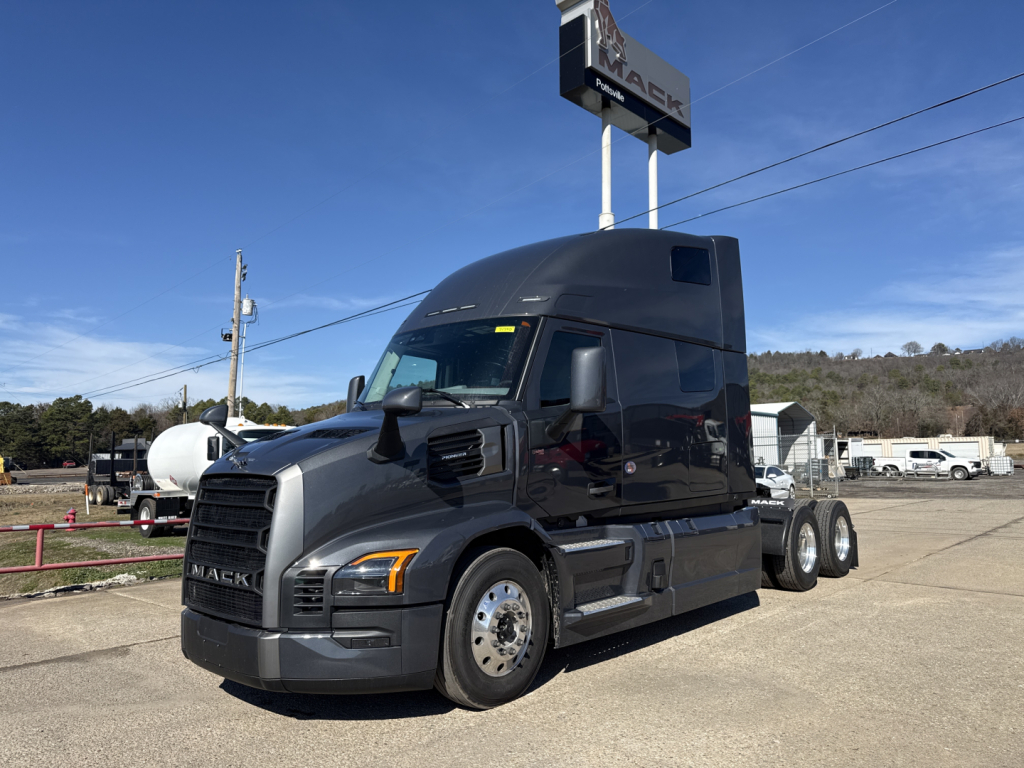
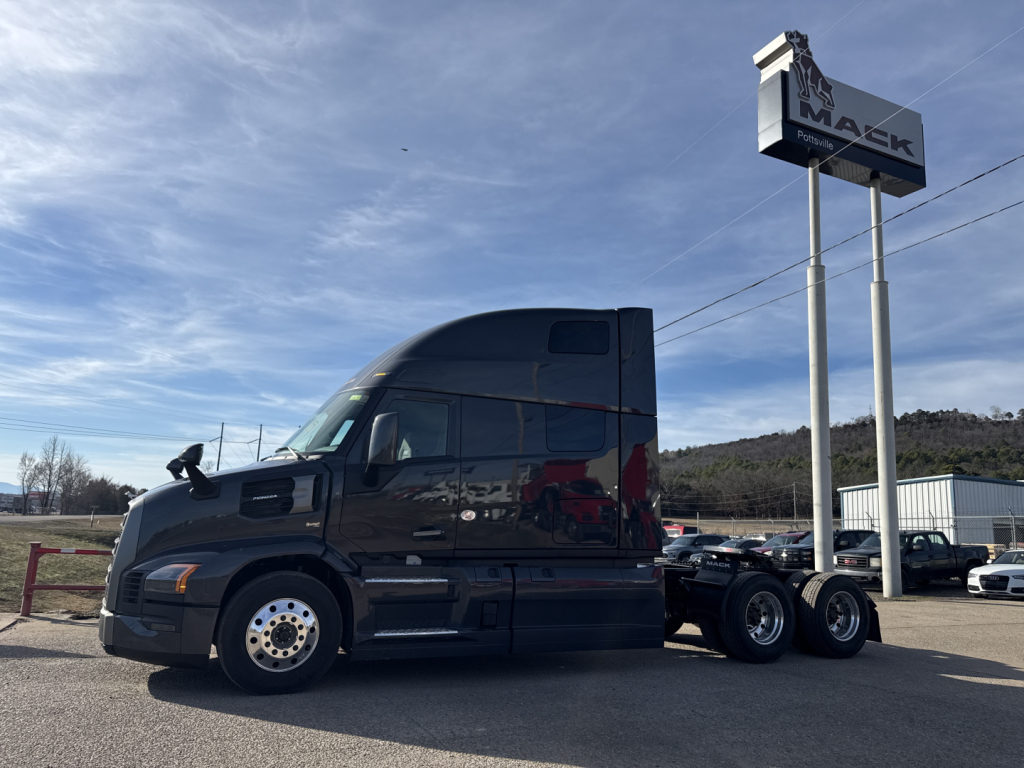
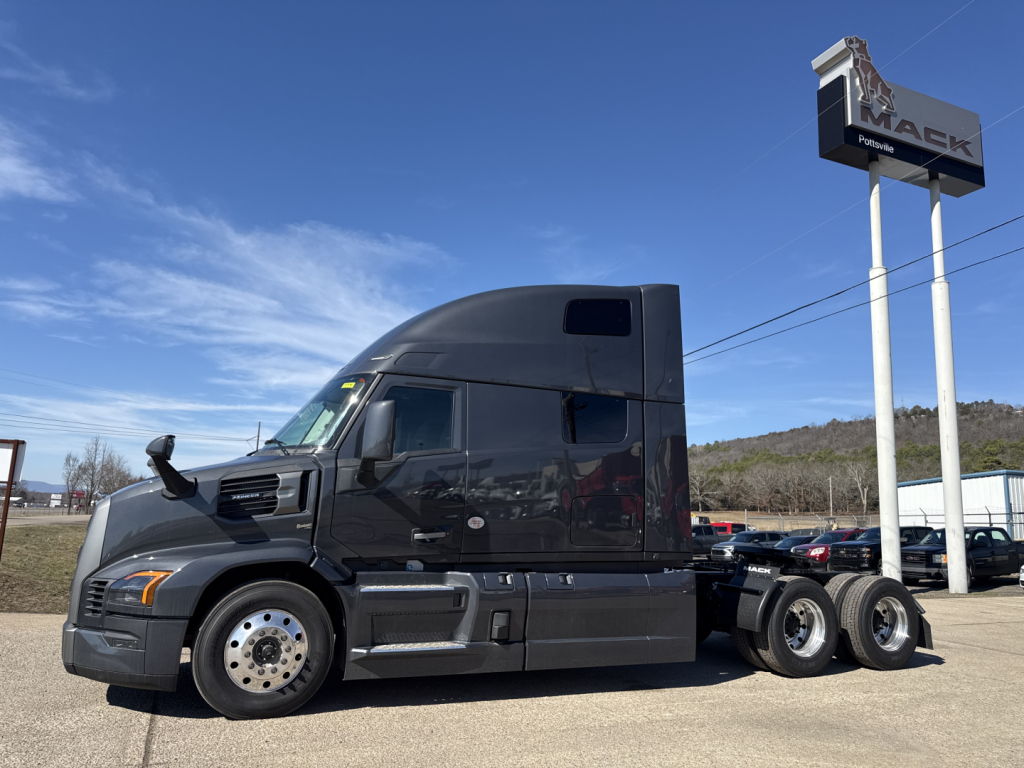
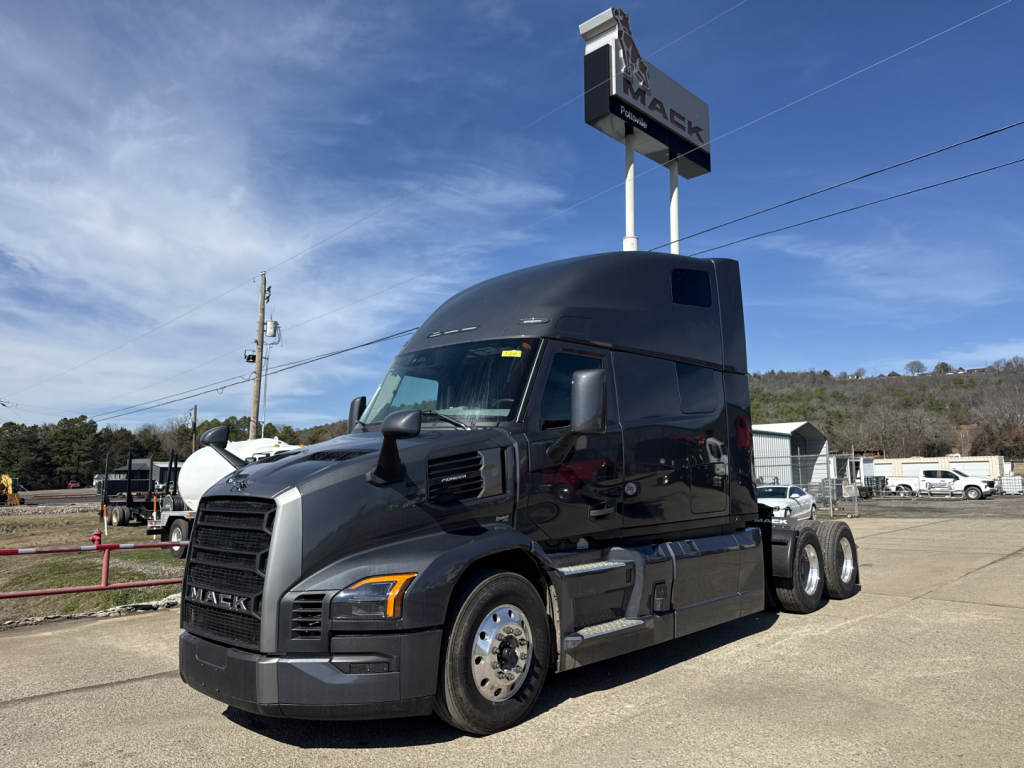
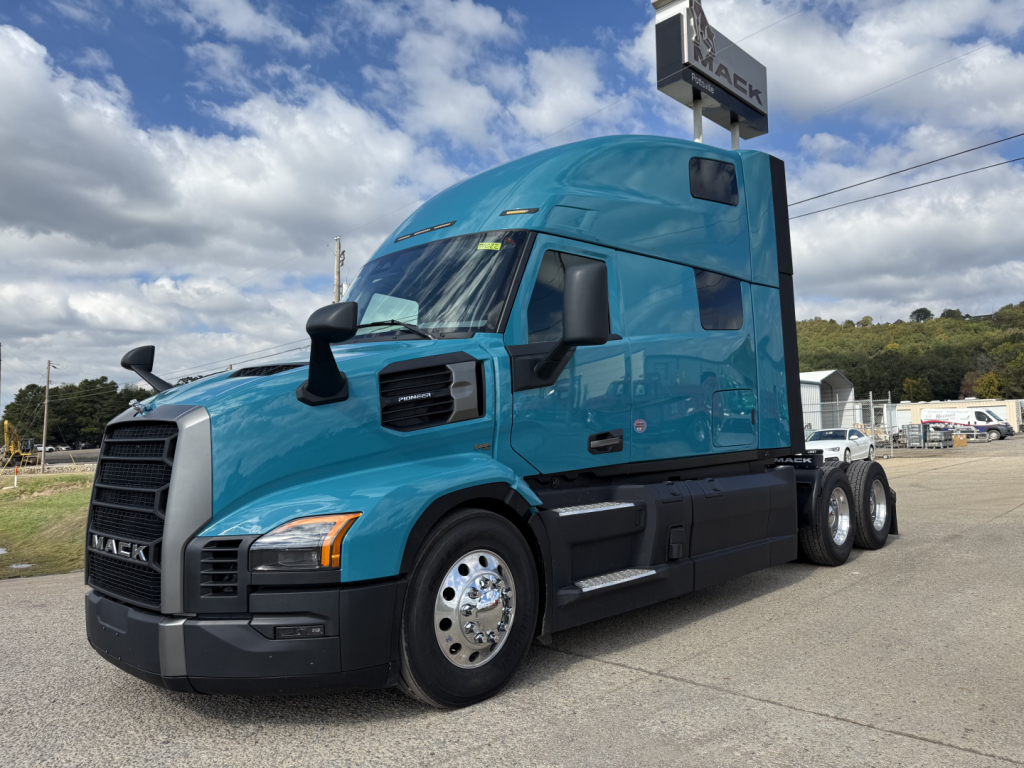

Selling a new conventional sleeper truck? List your new conventional sleeper truck for sale and reach thousands of commercial buyers.
New Conventional Sleeper Trucks in Alaska
For most fleets, the core decision starts with the engine and transmission package. Current new conventional sleepers commonly land in the 425 to 500 horsepower range with torque ratings around 1,650 to 1,850 lb-ft, paired with 12-speed automated manual transmissions such as Mack mDRIVE or Volvo I-Shift. Typical highway axle specs include a 12,000 to 13,200 lb front axle and 40,000 lb tandem rears, often matched with fast rear axle ratios like 2.47 or 2.64 for fuel-efficient cruise speeds. Wheelbases in the low 230-inch range are common on fleet specs because they balance ride, trailer swing clearance, and maneuverability while still allowing room for larger fuel tanks and fairings.
Sleeper configuration is where a truck either fits the job or creates driver complaints. A 70-inch to 76-inch high-roof sleeper is a common choice for over-the-road operations because it gives drivers stand-up room, more cabinet space, and better livability on multi-day trips. Features such as parking heaters, automatic climate control, premium bunk layouts, and optimized insulation matter in cold-weather states like Alaska, where overnight comfort and cold-start performance can affect both retention and utilization. Buyers running remote lanes should also pay close attention to total fuel capacity, battery capacity, and whether the truck is spec'd for idle reduction and reliable cab heat in extended winter conditions.
New conventional sleeper trucks also bring the latest emissions compliance, safety systems, and maintenance advantages. CARB and EPA compliant engines, disc brakes on some specs, advanced aerodynamics, collision mitigation, lane support technology, and telematics integration are now common in this category. The best buying approach is to match the sleeper size, horsepower, axle ratio, and tank setup to the freight network. A fleet-focused spec may prioritize standardized components and fuel economy, while an owner-operator may put more value on premium interior trim, larger tanks, and a higher-content sleeper. Either way, a well-spec'd conventional sleeper truck is designed to cover serious highway miles with less driver fatigue and more predictable operating cost.
Frequently Asked Questions about New Conventional Sleeper Trucks in Alaska
What is a conventional sleeper truck used for?
A conventional sleeper truck is primarily used for over-the-road and regional hauling where the driver needs a bunk area for rest between shifts. It is the standard long-nose highway tractor design, with the engine mounted ahead of the cab and a sleeper compartment behind the driver seats. This configuration supports dry van, refrigerated, flatbed, and many dedicated freight applications where comfort, fuel range, and highway efficiency are important.
What sleeper size is most common on a new conventional sleeper truck?
Most new conventional sleeper trucks are spec'd with sleepers in the 70-inch to 76-inch range, especially in long-haul service. A high-roof 76-inch sleeper is one of the most common configurations because it offers stand-up room, better storage, and improved driver comfort on multi-day runs. Smaller sleepers can work for regional applications, but fleets focused on retention and long-distance lanes usually prefer the larger high-roof layout.
What horsepower and axle specs are typical for this category?
A typical new conventional sleeper truck for highway service falls in the 425 to 500 horsepower range with torque from about 1,650 to 1,850 lb-ft. Common axle specs include a 12,000 to 13,200 lb front axle and 40,000 lb tandem rears. These trucks are often paired with fuel-efficient rear axle ratios such as 2.47 or 2.64 and automated manual transmissions to balance startability, cruise efficiency, and driver ease of operation.
Are automated manual transmissions standard in new sleeper tractors?
Automated manual transmissions are now very common in new conventional sleeper tractors and are often the default choice in fleet specifications. Systems such as Volvo I-Shift and Mack mDRIVE improve shift consistency, help protect the driveline, and reduce driver fatigue in traffic and on long runs. They also support fuel economy goals by managing shift points more precisely than many manual driving styles.
What should Alaska buyers pay attention to on a new sleeper truck?
In Alaska, buyers should pay close attention to cold-weather livability and operating support. Parking heaters, strong HVAC performance, battery capacity, insulation, fuel capacity, and dependable starting performance matter more when trucks sit in low temperatures or run remote routes. A sleeper truck with the right winter-focused spec can reduce idle time, improve driver comfort during overnight stops, and help maintain reliable service in harsh conditions.