
New Mack Conventional Sleeper Trucks For Sale in Alaska
Shop new Mack conventional sleeper trucks built for long-haul comfort, MP13 power, M-Drive efficiency, and cold-weather durability.
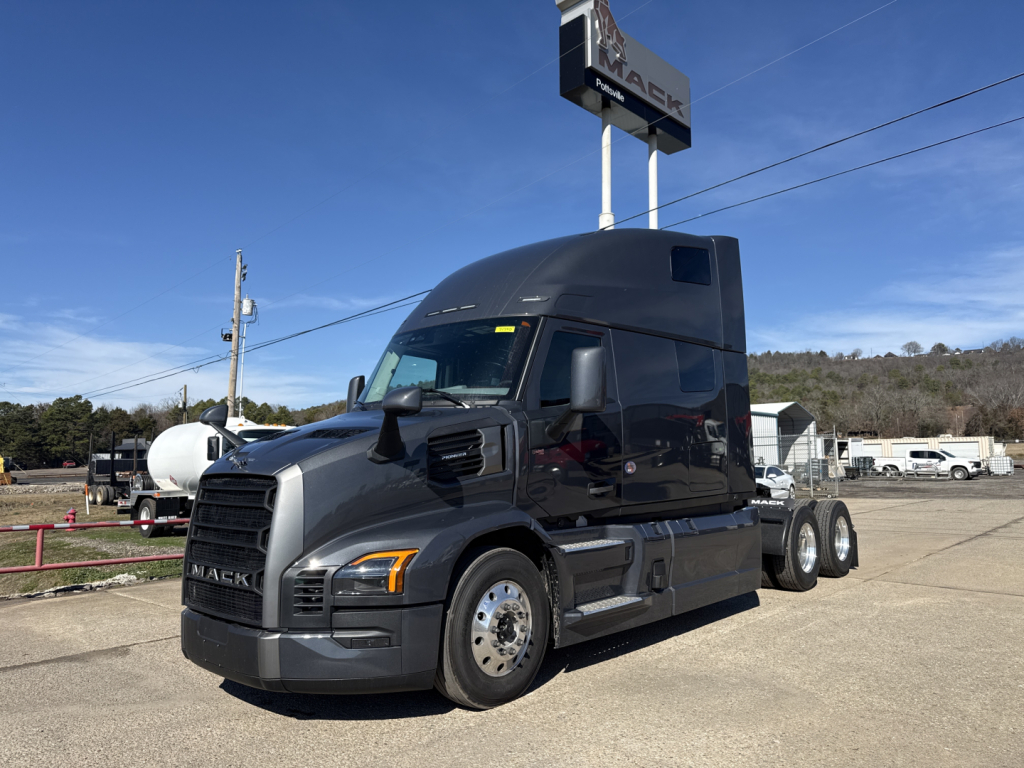
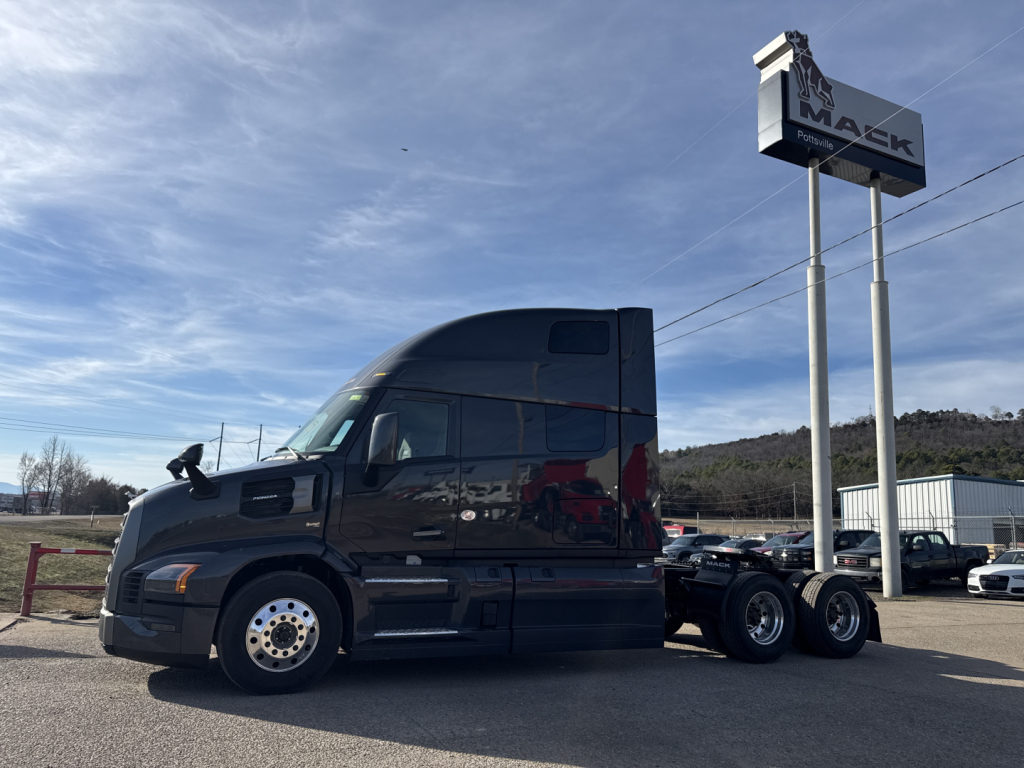
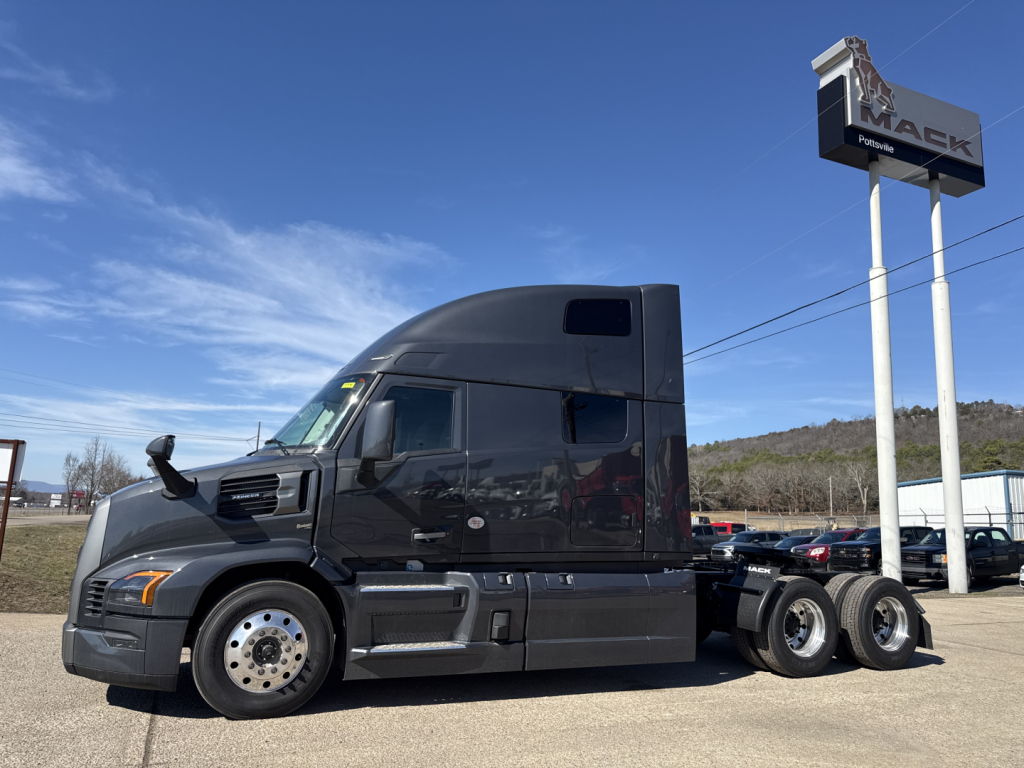
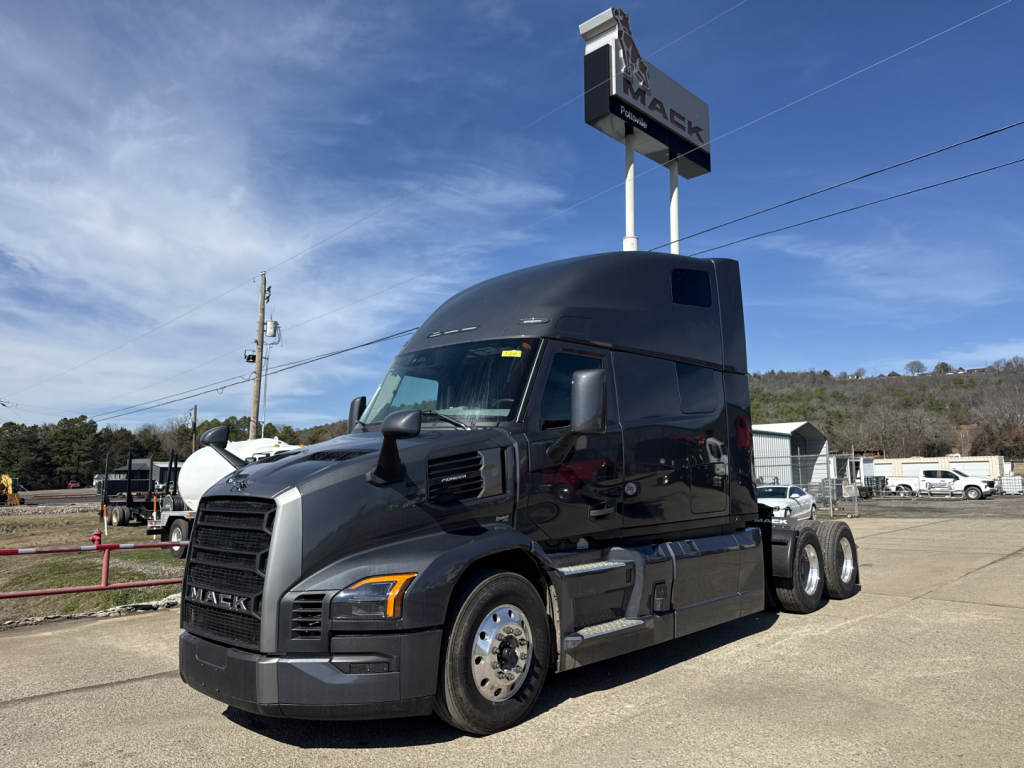
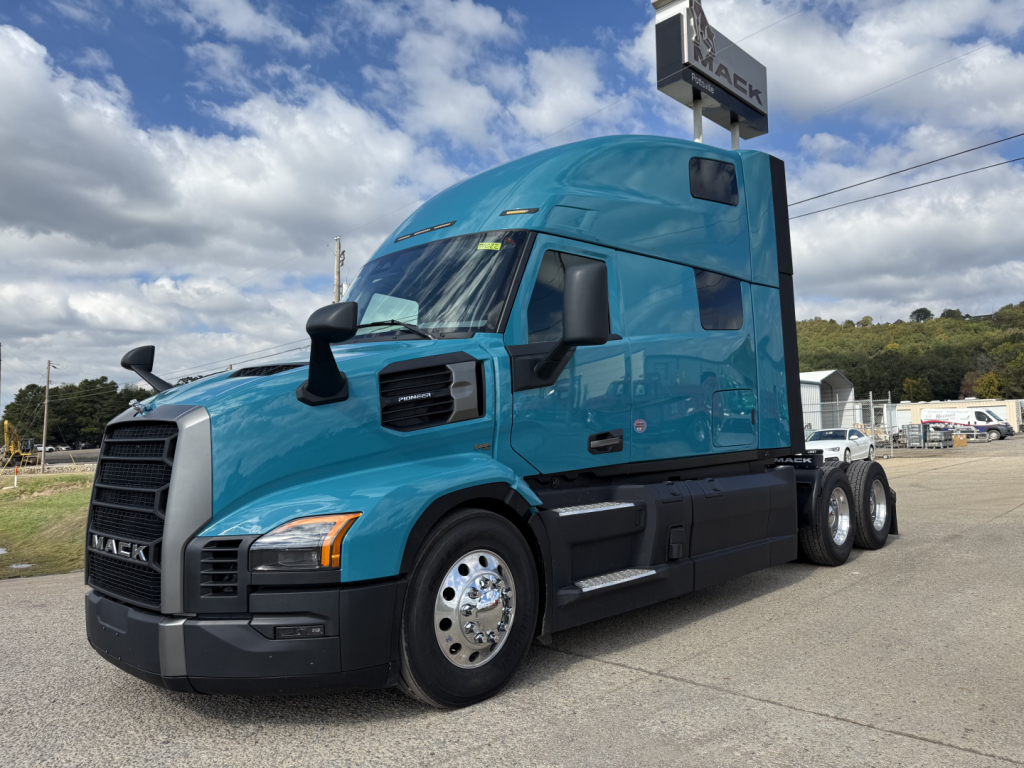
Selling a new mack conventional sleeper truck? List your new mack conventional sleeper truck for sale and reach thousands of commercial buyers.
New Mack Conventional Sleeper Trucks in Alaska
The main spec decisions usually come down to horsepower, rear axle ratio, wheelbase, and tank layout. A 445 HP Mack MP13 is a practical sweet spot for many dry van, reefer, and general freight operations, especially when paired with a tall overdrive transmission and a fuel-efficient ratio around 2.64. Buyers should match that ratio to terrain, gross combination weight, and cruise speed expectations. Longer wheelbases in the 228-inch to 238-inch range are common on sleeper tractors with larger fuel capacity and can improve ride quality, though they also affect turning radius and trailer gap setup. Front axle ratings around 13,000 pounds and tandem rears at 40,000 pounds are standard fleet-friendly numbers for a highway sleeper.
For Alaska service, the sleeper and cab environment matter as much as the driveline. Parking heaters, climate control systems, and enough onboard fuel to reduce unnecessary stops are important features in a new Mack sleeper. Dual tanks or staggered tank capacities can provide the range needed for longer stretches between fueling points, while also supporting idle reduction strategies when the truck is spec'd with a bunk heater. Buyers should also pay attention to the cab insulation package, battery capacity, alternator output, tire selection, and any cold-weather protections tied to fuel systems and aftertreatment performance. EPA and CARB-compliant engines are now standard on new units, but it is still worth confirming emissions configuration if the truck may cycle between Alaska and lower 48 freight lanes.
Mack conventional sleepers are generally chosen by fleets and owner-operators who want a straightforward aerodynamic highway tractor with a strong dealer network, modern safety systems, and a reputation for vocational-grade toughness carried into over-the-road service. When comparing listings, look closely at sleeper height, wheelbase, axle ratings, transmission spec, fuel capacity, and the exact intended duty cycle. A truck built for long, light freight at highway speed can be very different from one expected to pull heavier loads through mountain grades and extreme winter conditions. The right new Mack sleeper should balance driver comfort, operating cost, and gearing that fits the miles you plan to run.
Frequently Asked Questions about New Mack Conventional Sleeper Trucks in Alaska
What engine and transmission are common in a new Mack conventional sleeper truck?
A common current spec is the Mack MP13 engine paired with the Mack M-Drive automated manual transmission. This setup is popular because it combines strong low-end torque, efficient highway cruising, and easier operation for both experienced and newer drivers. In many sleeper applications, horsepower in the mid-400 range is enough for general freight, refrigerated freight, and regional or long-haul work without over-spec'ing the truck.
What sleeper size is typical on a Mack conventional sleeper?
A 76-inch high-roof sleeper is a common choice in this category. It gives enough interior space for multi-day runs, better storage, and improved driver comfort compared with shorter sleepers or day cabs. Buyers should still compare roof height, bunk layout, HVAC controls, and idle-management features because those details affect how usable the sleeper is in real service.
How important is rear axle ratio on a new Mack sleeper truck?
Rear axle ratio is one of the most important spec choices because it directly affects startability, grade performance, cruise RPM, and fuel economy. A ratio around 2.64 is often selected for fuel-efficient highway operation, especially with an overdrive automated manual. That said, fleets pulling heavier loads, running slower roads, or dealing with steep grades may need a different ratio to keep the truck in its ideal operating range.
What should Alaska buyers look for in a new Mack conventional sleeper?
Alaska buyers should pay close attention to cold-weather features and range. A parking heater, strong cab climate control, adequate battery and charging capacity, proper tire spec, and large fuel tanks can make a major difference in uptime and driver comfort. It also helps to evaluate wheelbase, fuel tank placement, and emissions system configuration based on how remote the routes are and how often the truck will operate in severe winter conditions.
What axle ratings are typical for this type of truck?
Many highway sleeper tractors in this class are spec'd with a front axle around 13,200 pounds and tandem rear axles rated at 40,000 pounds. Those ratings fit a broad range of over-the-road applications and align with common trailer and freight demands. Buyers should still confirm axle capacity against expected payload, fifth wheel position, and bridge-law considerations, especially if the truck will see heavier or more specialized work.