
New Conventional Daycab Trucks For Sale in Alaska
Shop new conventional daycab trucks in Alaska. Compare axle specs, engines, wheelbase, cab layout, and vocational or regional haul setups.
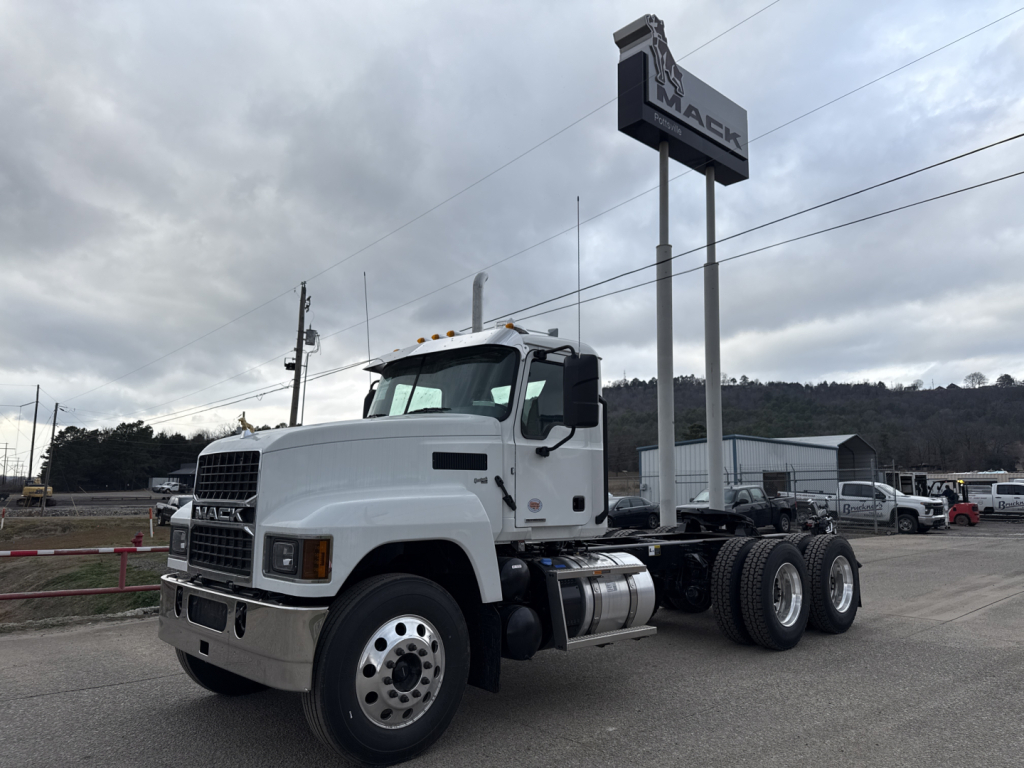
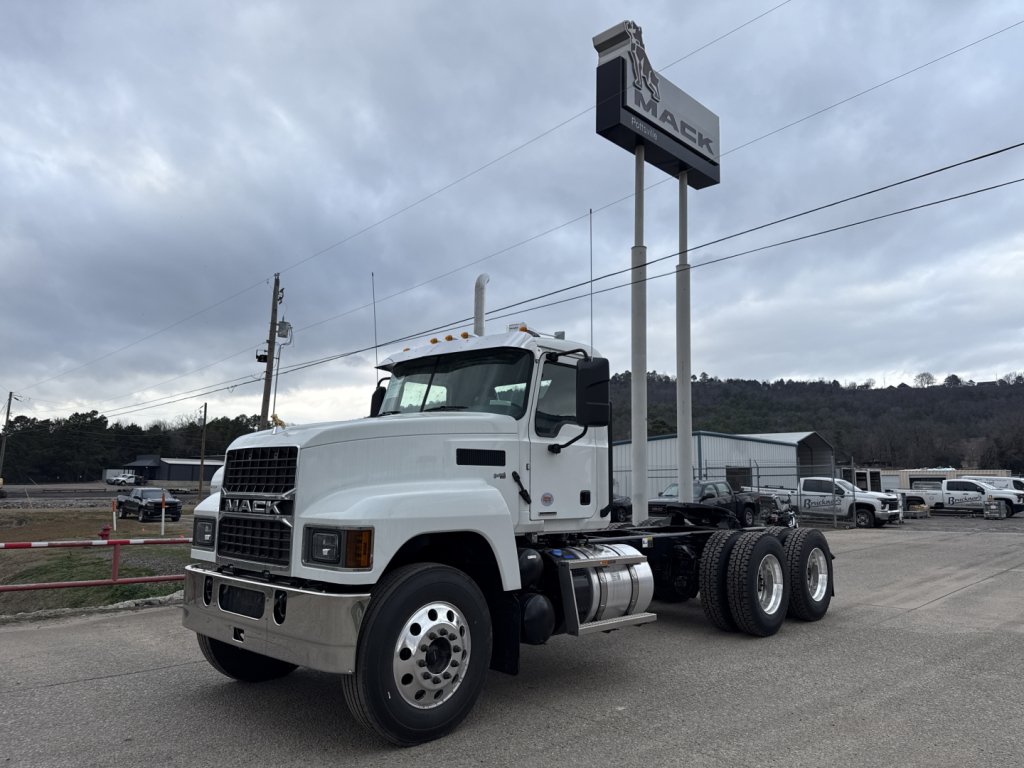
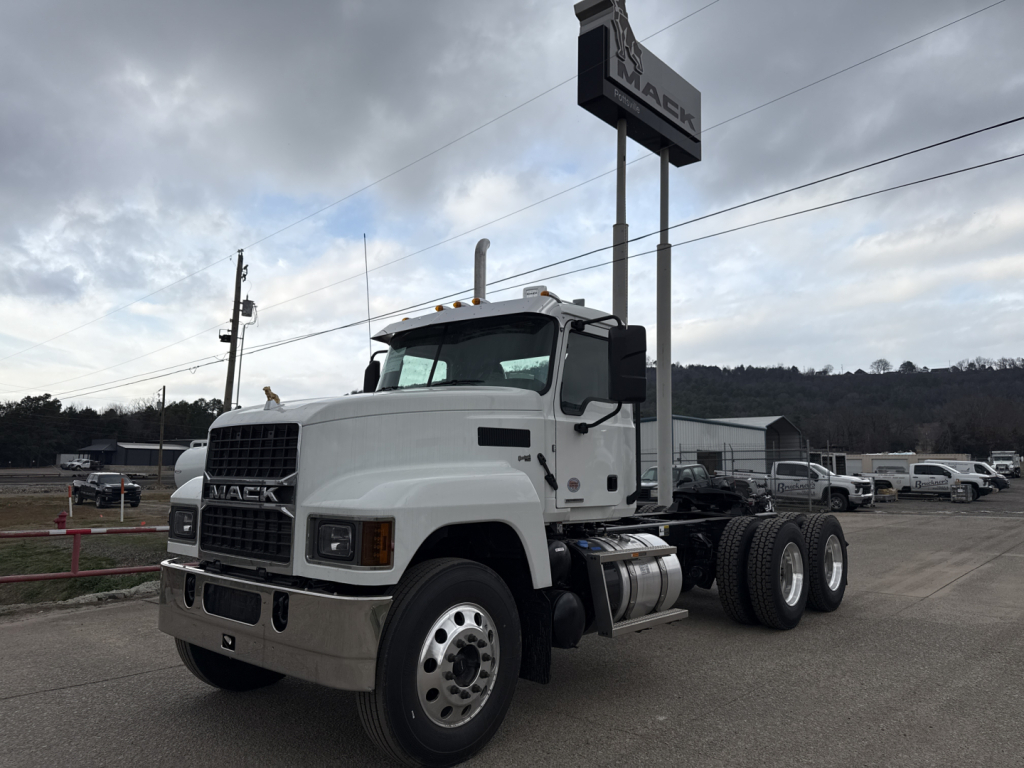
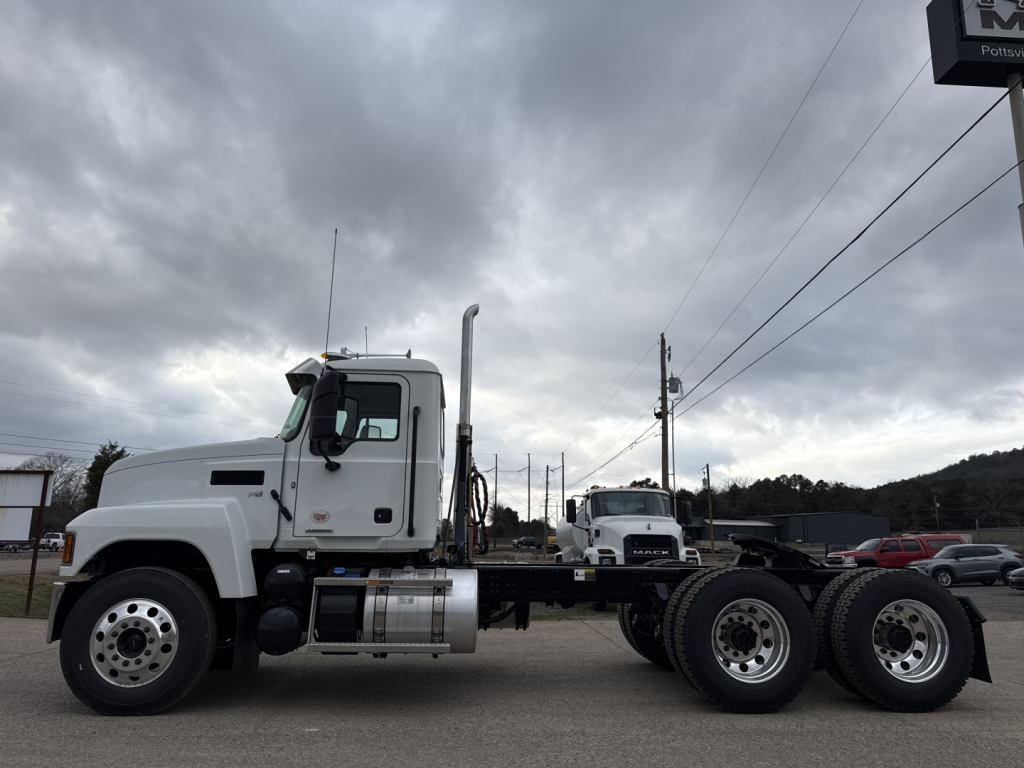
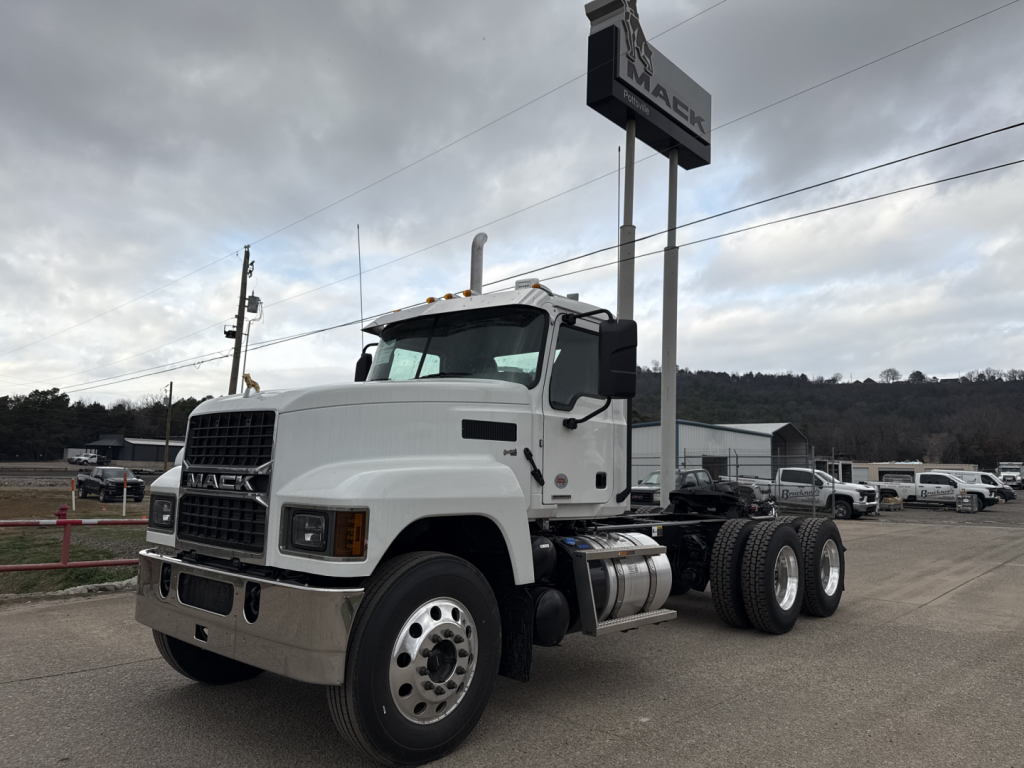
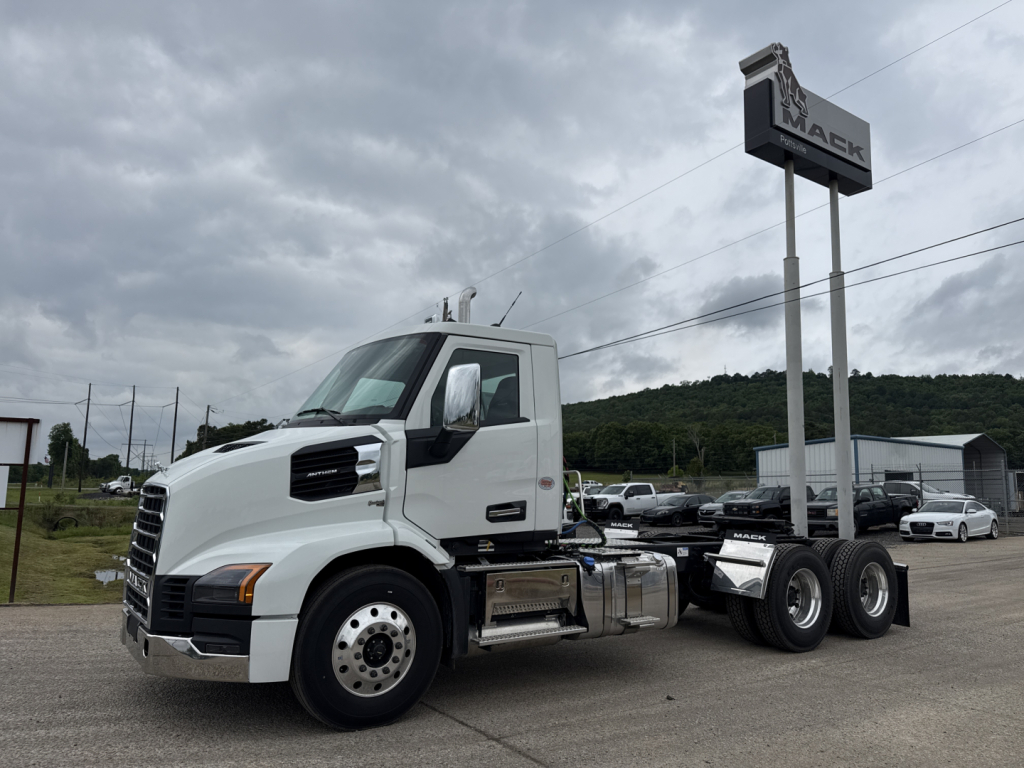
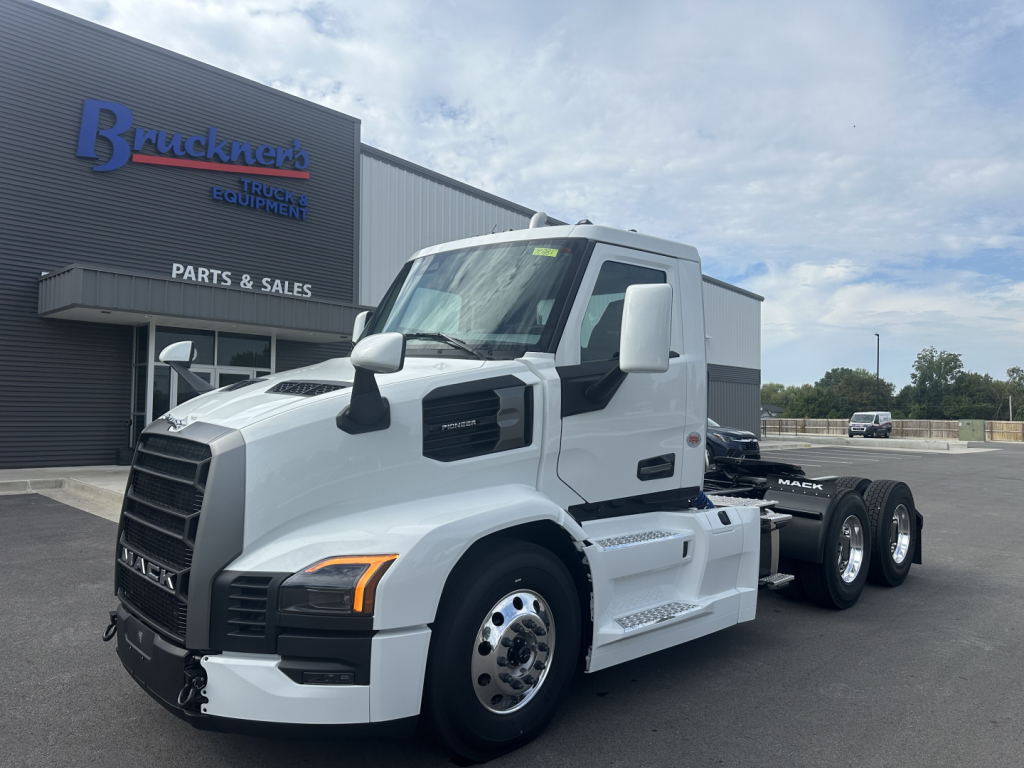

Selling a new conventional daycab truck? List your new conventional daycab truck for sale and reach thousands of commercial buyers.
New Conventional Daycab Trucks in Alaska
The biggest buying decisions usually start with axle and powertrain configuration. Most conventional daycab trucks are set up as 6x4 tandem-axle tractors, though 6x2 and specialty vocational specs appear in some applications. Buyers should compare horsepower and torque ratings, transmission type, rear axle ratios, wheelbase, and front axle capacity before looking at trim details. A shorter wheelbase can improve turning radius in yards, terminals, and tighter jobsite access, while a longer wheelbase may ride better and support fuel capacity, frame-mounted equipment, or heavier front-end components. New trucks in this class are often ordered with automated manual transmissions, engine brakes, locking differentials, and PTO provisions depending on the work.
Cab configuration and durability matter more than many buyers expect in a daycab. Since there is no sleeper, storage layout, seat spec, visibility, insulation, and dash ergonomics directly affect driver comfort and productivity. For Alaska service, common priorities include strong heater performance, cold-start capability, block heater provisions, battery capacity, fairing choices, corrosion protection, and lighting packages suited for long seasonal darkness. Buyers hauling tanker, flatbed, dry van, or bulk freight should also look closely at fifth wheel setup, sliding versus fixed position, frame height, and how the tractor is matched to trailer kingpin settings and bridge law requirements.
New conventional daycab trucks also appeal to fleet managers because they can be tailored closely to route structure and maintenance strategy. Modern emissions systems, telematics, collision mitigation, lane departure alerts, and tire pressure monitoring are common on new builds, but the right spec still comes down to payload, terrain, idling profile, and service access. A good daycab should be easy to enter and exit all day, stable under load, and simple to maintain in severe conditions. If the truck will spend its life in urban pickup and delivery, a lighter, more maneuverable spec may make sense. If it will run Alaska highways with heavier gross weights and long stretches between stops, cooling capacity, fuel range, driveline strength, and winter-ready components move to the top of the list.
Frequently Asked Questions about New Conventional Daycab Trucks in Alaska
What is a conventional daycab truck used for?
A conventional daycab truck is used for local and regional hauling where a sleeper berth is not needed. Common applications include van, flatbed, tanker, dump, intermodal, and vocational tractor work. The conventional hood design allows easier engine access than a cabover, and the daycab layout reduces overall weight and length compared with a sleeper tractor.
What specs matter most when buying a new daycab in Alaska?
In Alaska, buyers should focus on powertrain durability, cold-weather starting, axle capacity, wheelbase, fuel capacity, and cab insulation. Engine horsepower and torque need to match terrain and gross combination weight, while rear axle ratio and transmission choice affect startability, cruising rpm, and fuel economy. Heating performance, battery reserve, block heater setup, traction options, and lighting are especially important for severe winter service.
How do I choose the right wheelbase for a conventional daycab?
Wheelbase should match the work environment, trailer type, and bridge requirements. A shorter wheelbase generally improves maneuverability in terminals, city routes, and tight loading areas. A longer wheelbase can improve ride quality, allow larger fuel tanks, and create more room for frame-mounted equipment. Buyers should also verify fifth wheel position, kingpin setting compatibility, and legal axle spacing for the lanes they run.
Are new conventional daycab trucks good for regional highway freight?
Yes. A properly spec'd conventional daycab can be an excellent regional highway tractor, especially for runs where the driver returns to base the same day. New models often include aerodynamic packages, automated transmissions, advanced safety systems, and telematics that support fuel efficiency and uptime. The key is to avoid under-spec'ing the truck for terrain, payload, or weather conditions.
What is the difference between a daycab and a sleeper tractor?
A daycab does not have the extended rear sleeping compartment found on a sleeper tractor. That makes it shorter, lighter, and often easier to maneuver, which is a major advantage in local and regional operations. A sleeper tractor is better suited for long-haul routes that require overnight rest in the truck, while a daycab is typically the better fit for dedicated daytime operations and frequent trailer spotting.