
New Mack Conventional Daycab Trucks For Sale in Alaska
New Mack conventional daycab trucks for sale in Alaska, including Pinnacle-style specs for regional haul, vocational work, and heavy tractor setups.
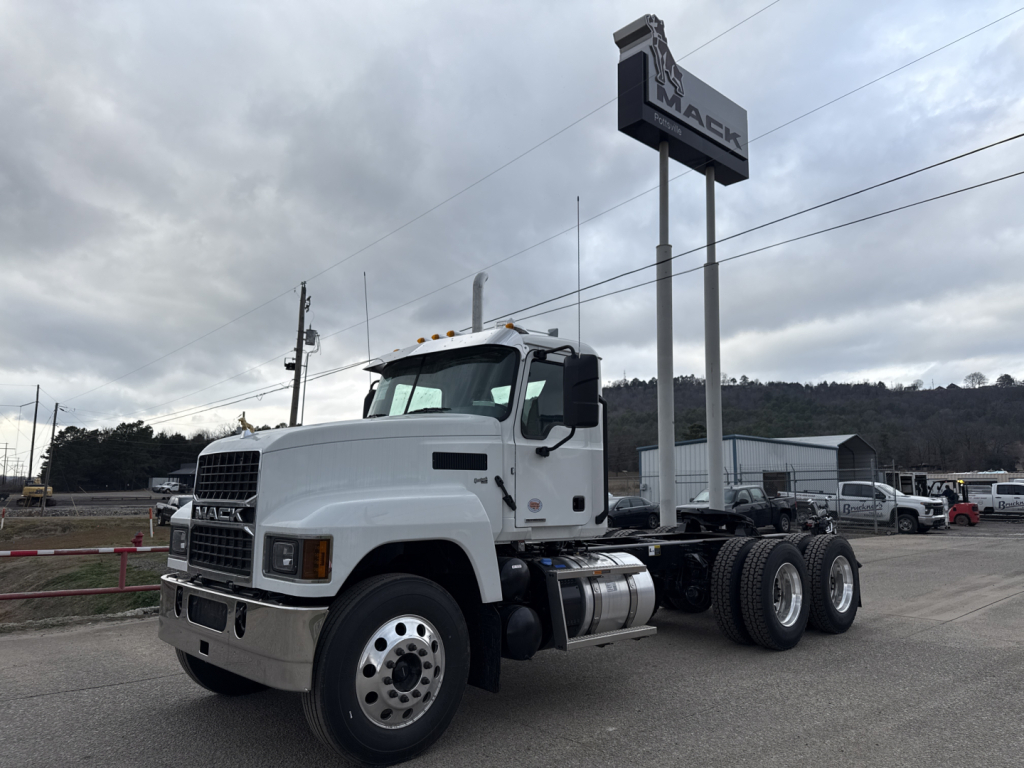
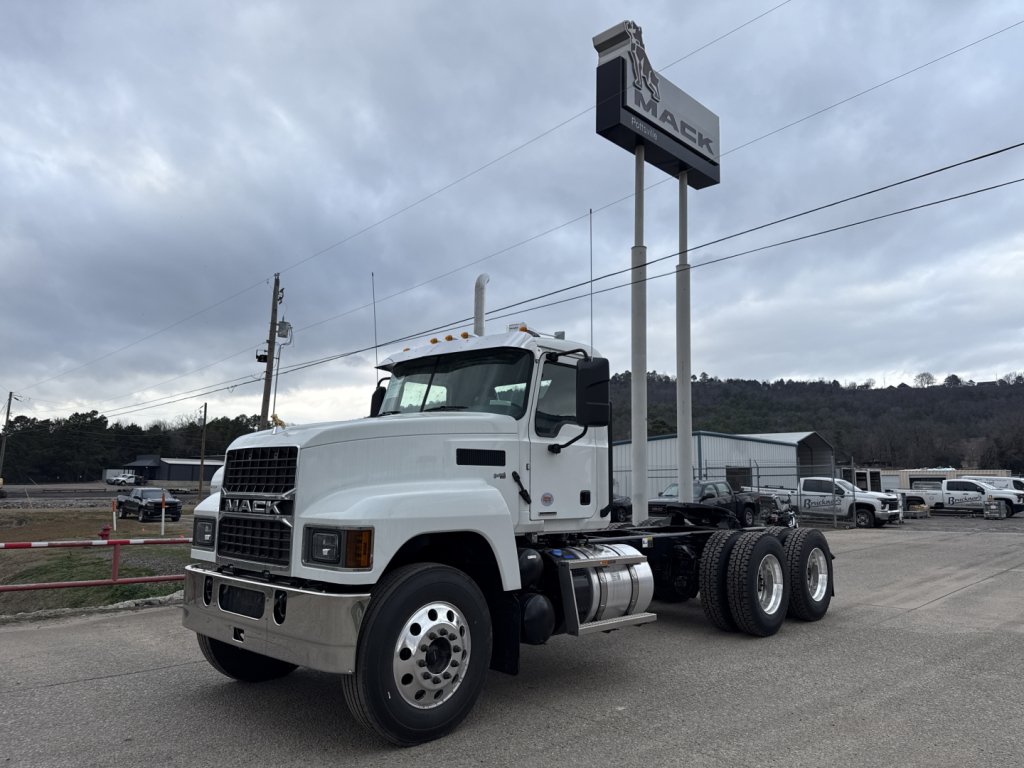
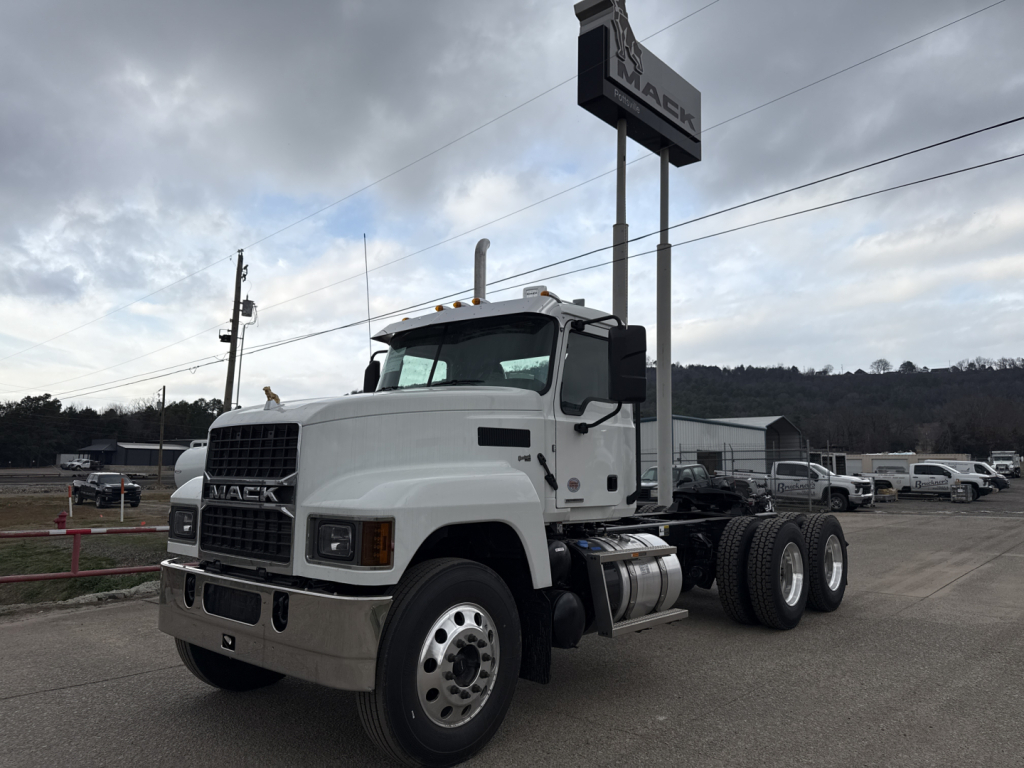
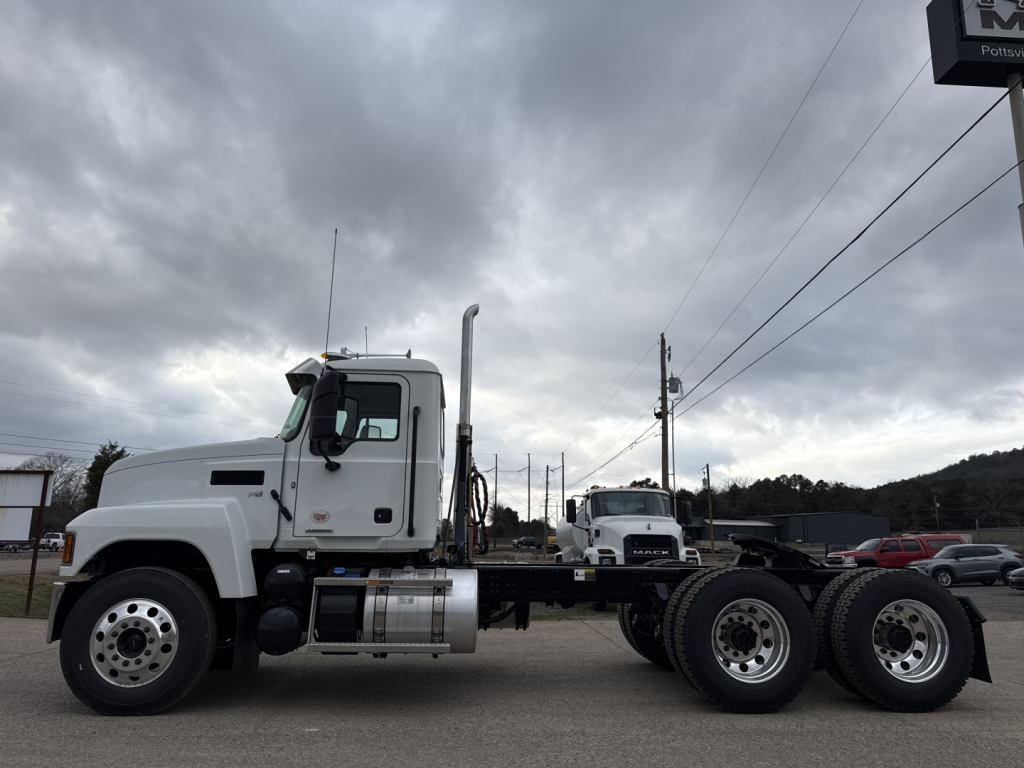
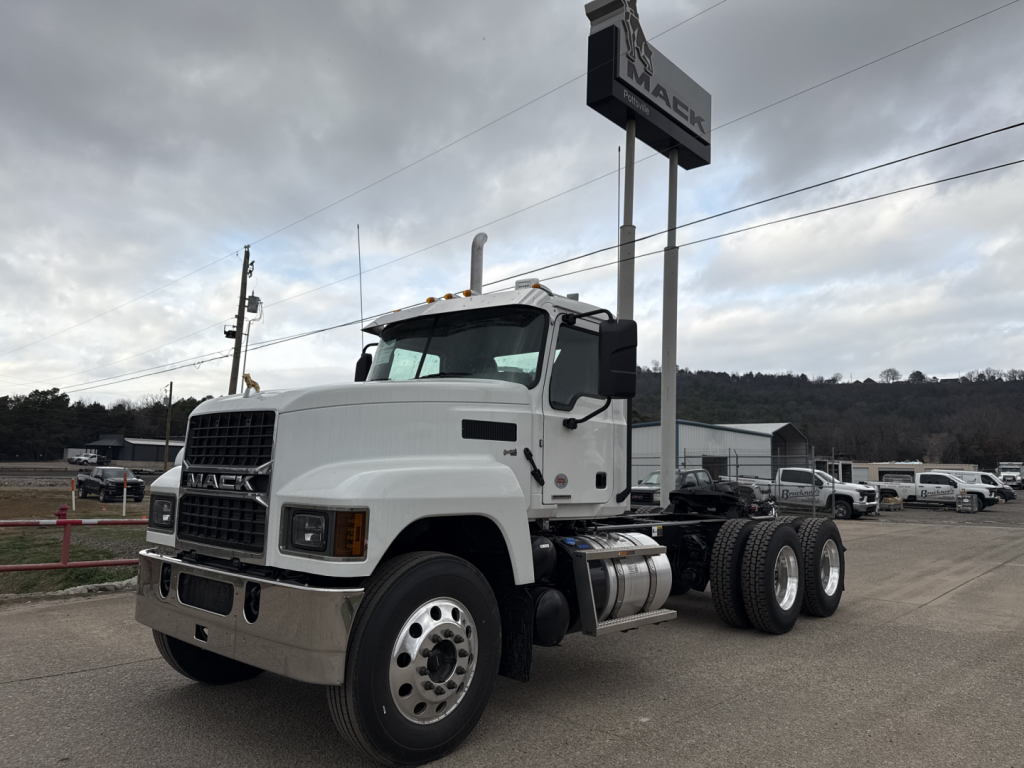
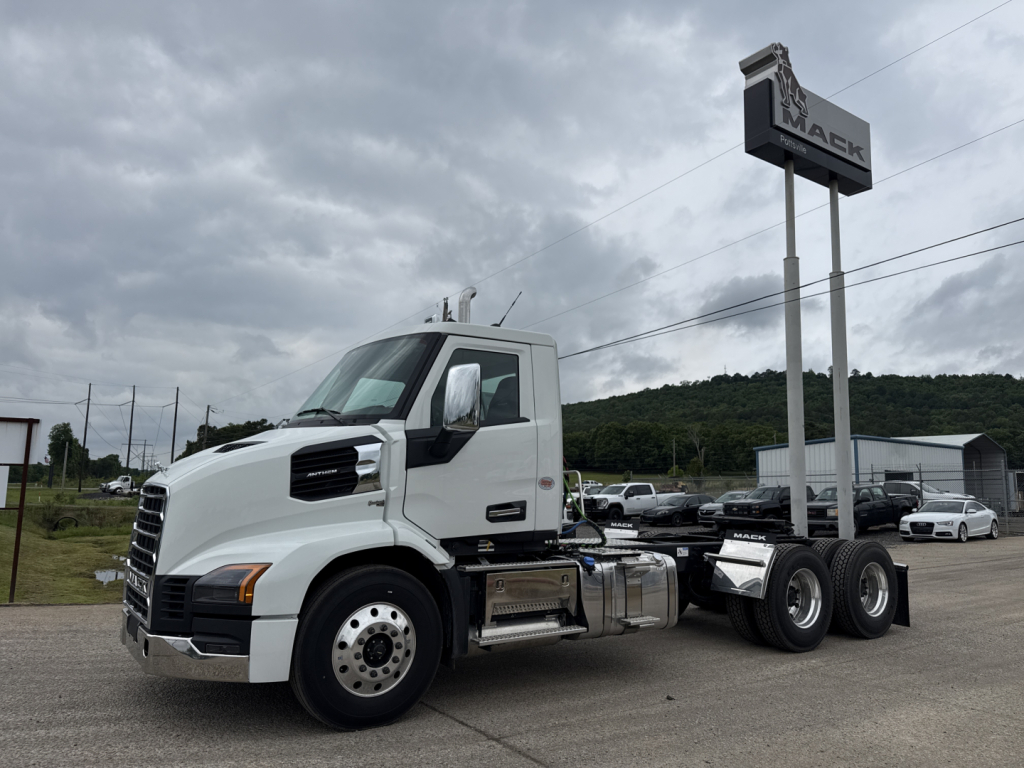
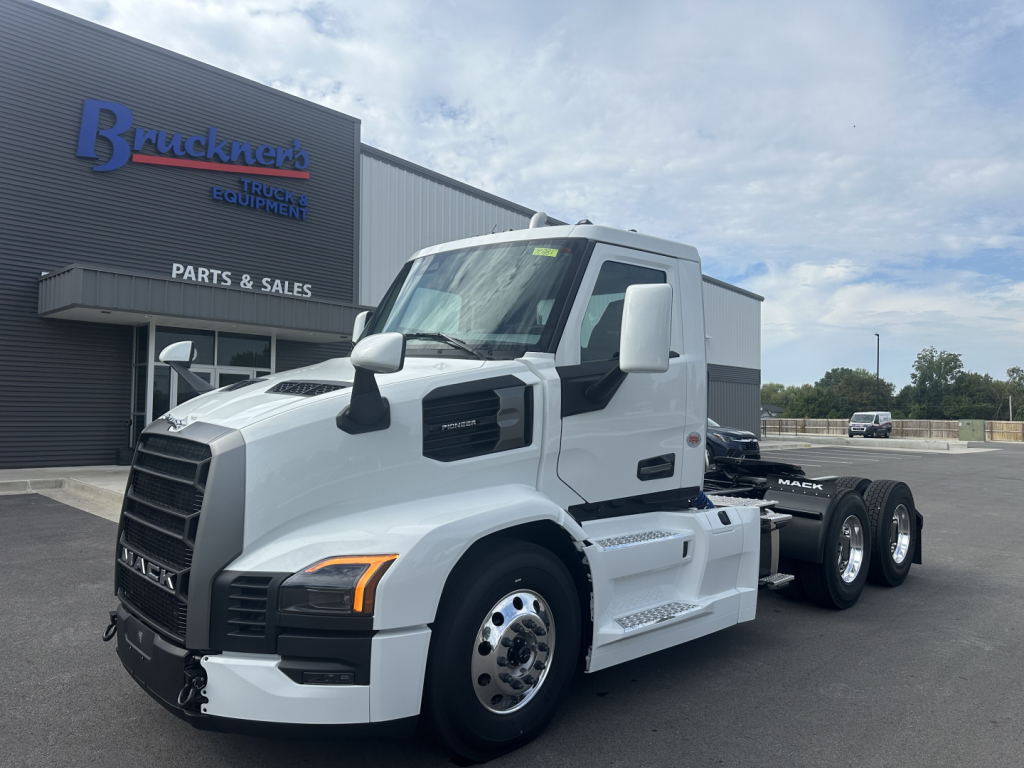

Selling a new mack conventional daycab truck? List your new mack conventional daycab truck for sale and reach thousands of commercial buyers.
New Mack Conventional Daycab Trucks in Alaska
One of the biggest buying decisions in this category is the powertrain. Many new Mack conventional daycab trucks are spec'd with the MP8 engine and the Mack mDRIVE automated manual transmission, a combination that fits linehaul, heavy regional, and vocational tractor applications. A 445 hp class engine, 12-speed overdrive transmission, 40,000 lb rear axles, and ratios around 3.56 are common working specs when the truck needs to balance startability, cruising speed, and fuel economy. Buyers should also look closely at power divider and differential lock availability, especially for Alaska operations where snow, ice, gravel yards, and seasonal road conditions can quickly expose a light-duty or under-equipped spec.
Chassis layout matters just as much as horsepower. A 12,000 lb front axle, air ride rear suspension such as the Mack S40R, and a wheelbase around the low-200-inch range are typical on daycab tractors built to pull van, reefer, tanker, flatbed, or end dump combinations. Fifth wheel selection is important if the truck will stay on one trailer type versus mixed fleet duty. A stationary Holland-style fifth wheel can make sense for dedicated applications, while sliding setups offer more flexibility for bridge laws and trailer balance. PTO provisions are another item worth checking early, since many buyers need a hydraulic package for wet kits, blowers, or other vocational add-ons.
For Alaska buyers, cab and running gear details deserve extra attention. Tire size, aluminum versus steel wheels, exhaust routing, battery and block heater setup, traction features, and insulation choices all affect year-round usability. New Mack conventional daycab trucks appeal to fleets and owner-operators who want a modern tractor with current emissions systems, updated driver ergonomics, and factory-backed drivetrain integration. The best spec is the one matched to the route, trailer, terrain, and legal payload target, not just the highest horsepower number on the page.
Frequently Asked Questions about New Mack Conventional Daycab Trucks in Alaska
What is a Mack conventional daycab truck best suited for?
A Mack conventional daycab truck is best suited for local and regional hauling where a sleeper is not necessary. Common applications include dry van, reefer, tanker, flatbed, dump, bulk hauling, and dedicated route work. The daycab layout reduces overall weight and length compared with a sleeper tractor, which can improve maneuverability, simplify yard work, and support better payload efficiency in certain operations.
What specs matter most on a new Mack daycab in Alaska?
In Alaska, the most important specs usually include engine rating, transmission type, rear axle ratio, locking differentials, power divider, suspension type, and cold-weather readiness. Buyers should also pay close attention to front and rear axle ratings, wheelbase, tire selection, and exhaust configuration. These details affect traction, legal payload, service access, and drivability on snow, ice, unpaved surfaces, and long regional routes.
Is the Mack mDRIVE a good transmission choice for a daycab tractor?
The Mack mDRIVE is a strong choice for many daycab applications because it is designed to work closely with Mack engines and axle specs. It can improve consistency in shifting, reduce driver fatigue in stop-and-go operation, and help protect the drivetrain from poor shift technique. For fleets, it can also support fuel economy and easier driver onboarding, though the exact value depends on route profile, load weight, and driver preference.
How do I choose the right wheelbase and fifth wheel setup?
Wheelbase and fifth wheel setup should be matched to the trailer type, bridge law requirements, and turning environment. A shorter wheelbase can help in tight yards and urban delivery settings, while a longer wheelbase may better suit ride quality, frame-mounted equipment, or certain trailer dimensions. A stationary fifth wheel is common in dedicated operations, but a sliding fifth wheel gives more flexibility when axle spread and trailer balance need to be adjusted across different loads.
Are Mack conventional daycabs only for highway use?
No. Many Mack conventional daycabs are spec'd as highway tractors, but they are also widely used in vocational and mixed-service roles. With the right PTO, suspension, axle ratings, traction equipment, and gearing, a Mack daycab can be configured for construction support, tanker service, transfer work, heavy local hauling, and other demanding applications that go beyond standard over-the-road freight.