
New Chipper Trucks For Sale
New chipper trucks for arborist, tree care, and landscape crews. Compare GVWR, body size, hoist type, cab, drivetrain, and towing setup.
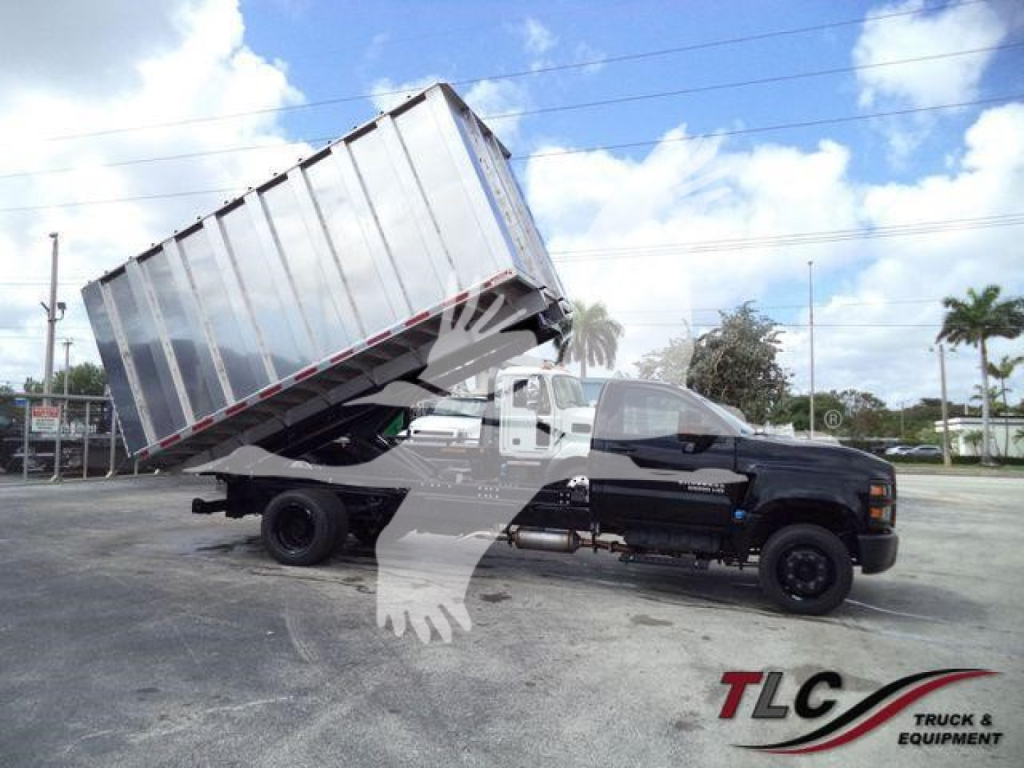
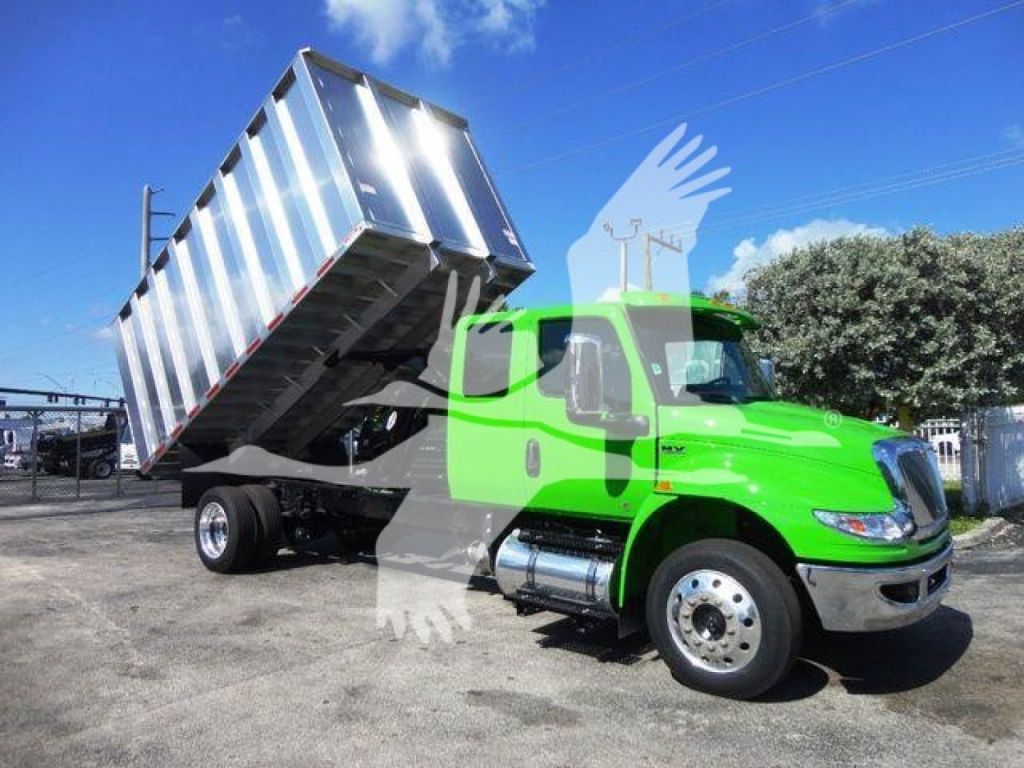
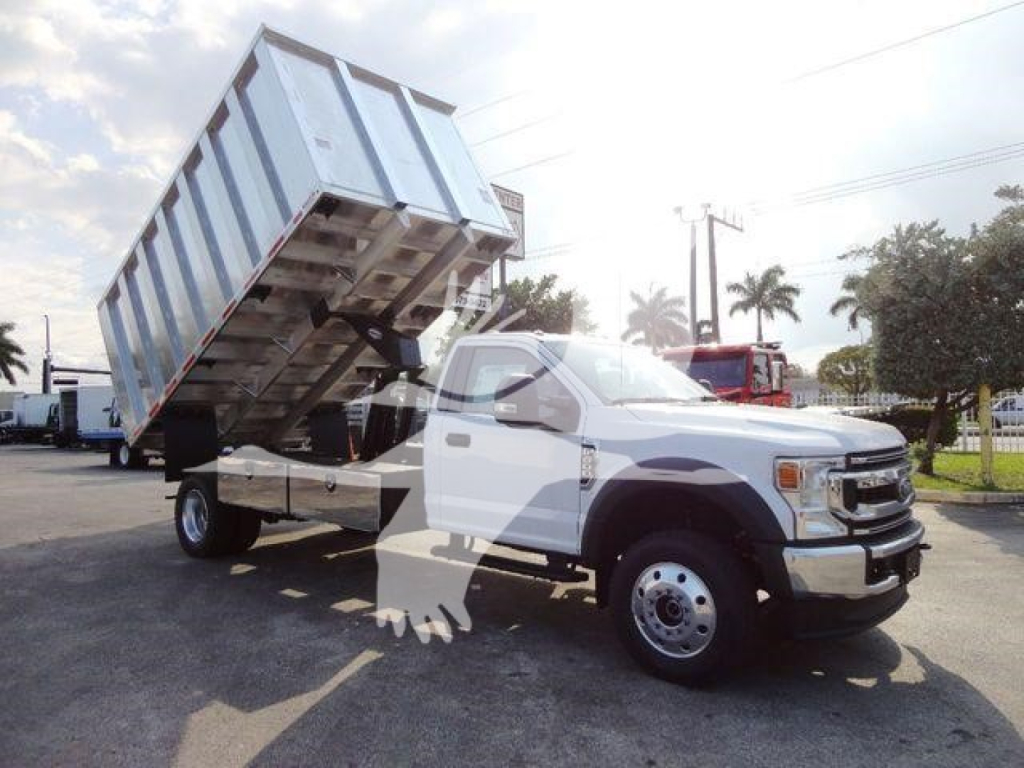
Selling a new chipper truck? List your new chipper truck for sale and reach thousands of commercial buyers.
New Chipper Trucks
Body construction matters as much as chassis brand. Aluminum chipper bodies are popular because they resist corrosion and help preserve payload on trucks that spend their lives stopping, loading, and towing. Common build details include 3/16 inch floors and side panels, channel crossmembers on tight spacing, reinforced bulkheads, and rear barn doors sized to clear chips and brush cleanly during dumping. A smooth interior, solid post framing, and a properly matched electric-over-hydraulic or PTO-driven hoist help the body empty efficiently. Buyers who tow a chipper or stump grinder should pay close attention to the hitch type, trailer plug, brake controller setup, and rear body clearance.
Chassis selection usually comes down to route conditions and crew needs. A 4x2 truck is common for paved residential and municipal work, while 4x4 can make sense for soft shoulders, storm cleanup, and off-pavement access. Diesel engines remain common in higher GVWR applications because they offer strong low-end torque and easy compatibility with medium-duty service cycles, but gas-powered trucks can be attractive for lower acquisition cost, simpler emissions considerations, and lighter-duty regional use. Regular cabs are typical when body length and maneuverability matter most, while extended cabs add room for additional crew members, tools, and jobsite gear.
A good chipper truck should be matched to how the crew actually works, not just to body length on paper. Look closely at side height versus loading effort, cab-to-axle dimension versus body fit, and hoist capacity versus the density of wet chips or mixed debris. Toolboxes, D-rings, mud flaps, backup lighting, air brakes on heavier chassis, and suspension setup all affect day-to-day usefulness. For many operations, the best new chipper truck is the one that carries enough volume to reduce dump trips, tows the equipment already in the fleet, and stays under the licensing and CDL thresholds that fit the business.
Frequently Asked Questions about New Chipper Trucks
What is a chipper truck used for?
A chipper truck is used to collect and transport wood chips, brush, leaves, and light tree debris generated by arborist, forestry, utility, and landscape work. The enclosed high-side body is designed for bulky material with low to moderate density, and the dump hoist allows quick unloading at a yard, transfer site, or compost facility. Many chipper trucks also tow a wood chipper, mini skid steer, or stump grinder, which makes hitch and electrical setup an important part of the spec.
What GVWR is common for a new chipper truck?
Many new chipper trucks fall in the 22,000 to 26,000 GVWR range. That range works well for tree service and municipal crews because it supports a large chip body while staying in a medium-duty chassis class with broad service support. A 26,000 GVWR truck is especially common when buyers want maximum legal capacity without moving above the typical non-CDL threshold, but actual CDL and licensing requirements depend on local regulations, towing combination weight, and intended use.
Is aluminum or steel better for a chipper body?
Aluminum is a common choice because it reduces body weight and resists corrosion, which can be valuable for trucks exposed to wet chips, road salt, and year-round outdoor storage. Steel can offer lower upfront cost and may be preferred in severe-duty applications where impact resistance is the priority. Buyers should compare floor thickness, sidewall design, crossmember spacing, and hoist compatibility rather than looking at material alone, because body design has a major effect on durability and emptying performance.
How do I choose between a 14-foot and 16-foot chipper body?
A 14-foot body can be a smart fit for tighter urban routes, smaller crews, and operations that prioritize maneuverability. A 16-foot body usually provides more cubic capacity and can reduce disposal trips on larger tree jobs or storm cleanup work. The right length depends on cab-to-axle dimensions, turning radius needs, axle loading, and where the truck operates. Buyers should also consider side height and roof design, because body volume is driven by overall cubic capacity, not length alone.
What features matter most on a new chipper truck?
The most important features are usually body volume, hoist type, chassis GVWR, towing setup, and access to service. After that, practical details make a big difference in field use. Common priorities include barn doors that open wide for clean dumping, a reinforced bulkhead, interior tie-down points, tool storage, backup lighting, and the right drivetrain for jobsite conditions. Crew size also matters, so cab configuration should be chosen around seating needs instead of added as an afterthought.