
New Chipper Trucks For Sale in Florida
Browse new chipper trucks for tree service, arborist, and landscape work in Florida with aluminum chip bodies, dump hoists, hitch setups, and PTO options.
Selling a new chipper truck? List your new chipper truck for sale and reach thousands of commercial buyers.
New Chipper Trucks in Florida
In this class, common chassis choices include Class 5 and Class 6 platforms such as the Ford F-600, Chevrolet Silverado 6500HD, and International MV. Typical GVWRs run from about 22,000 to 26,000 pounds, with gas and diesel power both represented. Gas engines can make sense for lighter-duty, shorter-route operations or fleets trying to simplify maintenance, while diesel remains the standard for higher annual mileage, better low-end torque, and towing a chipper regularly. Automatic transmissions are the norm, and Florida buyers often pay close attention to cab layout, A/C performance, corrosion resistance, and whether the truck is spec'd as 4x2 or 4x4 for soft shoulders, wet turf, and storm cleanup access.
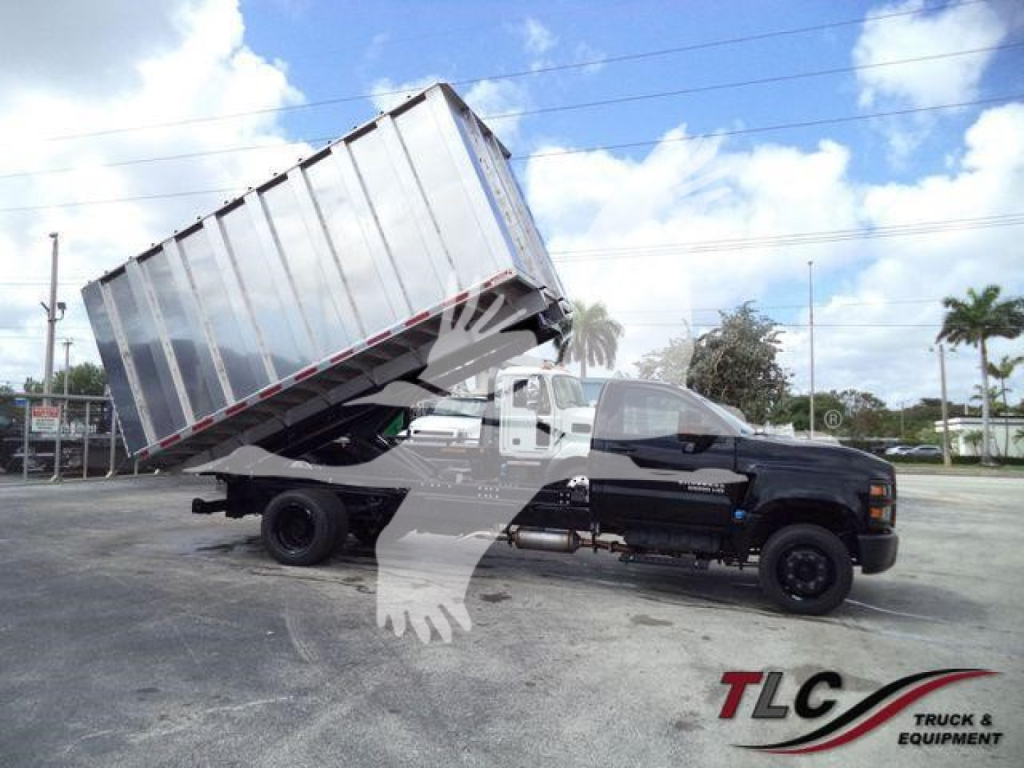
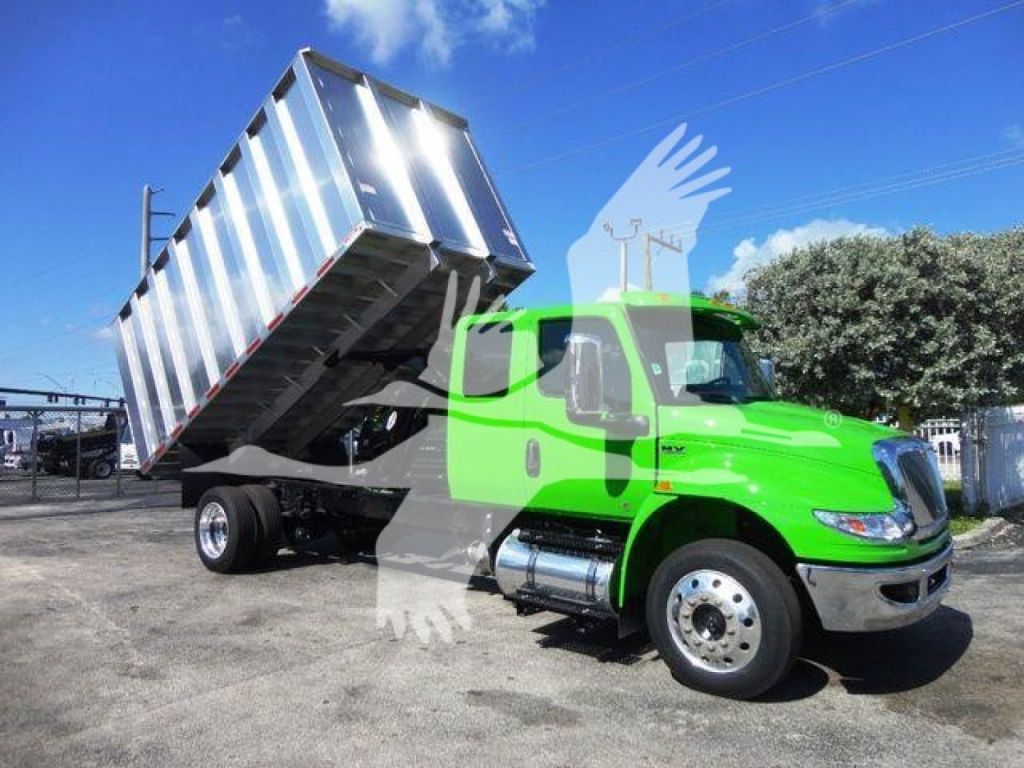
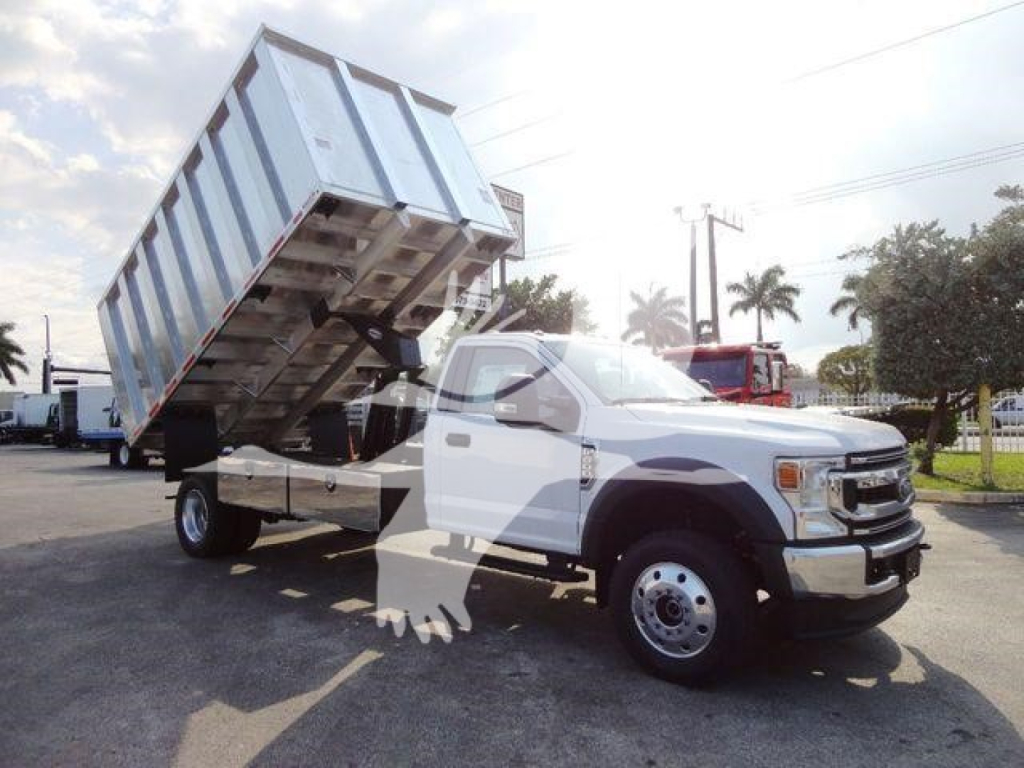
The body is what separates a chipper truck from a conventional dump truck. Aluminum chipper bodies are especially popular because they resist corrosion, keep tare weight down, and maximize usable payload for brush, chips, and leaf debris. Common body lengths are 14 to 16 feet, often with 72-inch to 84-inch sides, barn doors, a full or partial roof, and smooth plate construction. Look closely at floor thickness, crossmember spacing, long sills, bulkhead construction, and door framing because those details affect how the body holds up to loader contact, shifting green waste, and repeated dump cycles. Hoists may be electric-over-hydraulic or PTO-driven, and hitch equipment like pintle hitches and 7-way plugs matter if the truck will tow a wood chipper, mini skid steer, or trailer.
A good spec balances cubic volume, legal GVWR, maneuverability, and crew practicality. Buyers should verify axle ratings, hoist capacity, brake type, suspension, wheel and tire package, toolbox layout, and interior tie-downs or D-rings if the truck will carry gear alongside debris. For Florida service work, aluminum construction and sealed electrical components can be a smart long-term choice in humid, coastal environments. If the truck will spend most of its time in residential neighborhoods, shorter wheelbases and regular cabs can improve access. If it will support a full crew and run a chipper every day, an extended cab, air ride seating, stronger hitch setup, and a robust charging system are worth the extra attention.
Frequently Asked Questions about New Chipper Trucks in Florida
What is a chipper truck used for?
A chipper truck is designed to haul wood chips, brush, leaves, and other bulky green waste generated by tree service, arborist, and landscape crews. Its high-sided enclosed or partially enclosed body provides much more cubic capacity than a standard dump body, which helps crews stay productive on pruning, removals, storm cleanup, and municipal vegetation work. Many are also equipped to tow a wood chipper with a pintle hitch and 7-way plug.
What body features matter most on a new chipper truck?
The most important body features are length, side height, roof configuration, floor thickness, crossmember spacing, and rear door construction. A 14-foot or 16-foot aluminum body with 72-inch to 84-inch sides is common in this category. Buyers should also evaluate the hoist type, barn door strength, bulkhead design, and whether the body uses aluminum throughout or a mix of materials. Those details affect durability, empty weight, corrosion resistance, and how efficiently the truck unloads wet or packed material.
Is an aluminum chipper body better than steel?
Aluminum chipper bodies are popular because they reduce tare weight and resist rust, which is especially important in humid and coastal parts of Florida. Lower body weight can leave more room for payload within the truck's GVWR. Steel can still be a good choice for certain severe-duty applications, but many tree and landscape buyers prefer aluminum for corrosion resistance and operating efficiency. The right choice depends on how rough the loading conditions are and how long the truck is expected to stay in the fleet.
Should I choose gas or diesel for a chipper truck?
Gas engines can be a practical fit for lower-mileage routes, lighter towing needs, and fleets that want lower upfront cost and simpler emissions systems. Diesel engines are often preferred when the truck tows a chipper regularly, runs long days, or operates at higher GVWRs because they provide strong torque and are well suited for sustained commercial use. The best decision comes down to route length, annual mileage, idle time, towing requirements, and how your shop manages maintenance across the fleet.
What should Florida buyers look for in a chipper truck?
Florida buyers often prioritize strong air conditioning, corrosion-resistant body construction, dependable electrical components, and a chassis that can handle stop-and-go service in heat and heavy rain. Aluminum bodies, sealed lighting, and durable hitch hardware are especially useful in coastal or humid environments. Maneuverability also matters because many chipper trucks work in residential neighborhoods, on narrow streets, and in storm cleanup zones where access can be tight and ground conditions can change quickly.