
New Service/Utility Trucks For Sale
New service and utility trucks for mobile field repair, lube service, and jobsite support with cranes, compressors, storage, and diesel power.
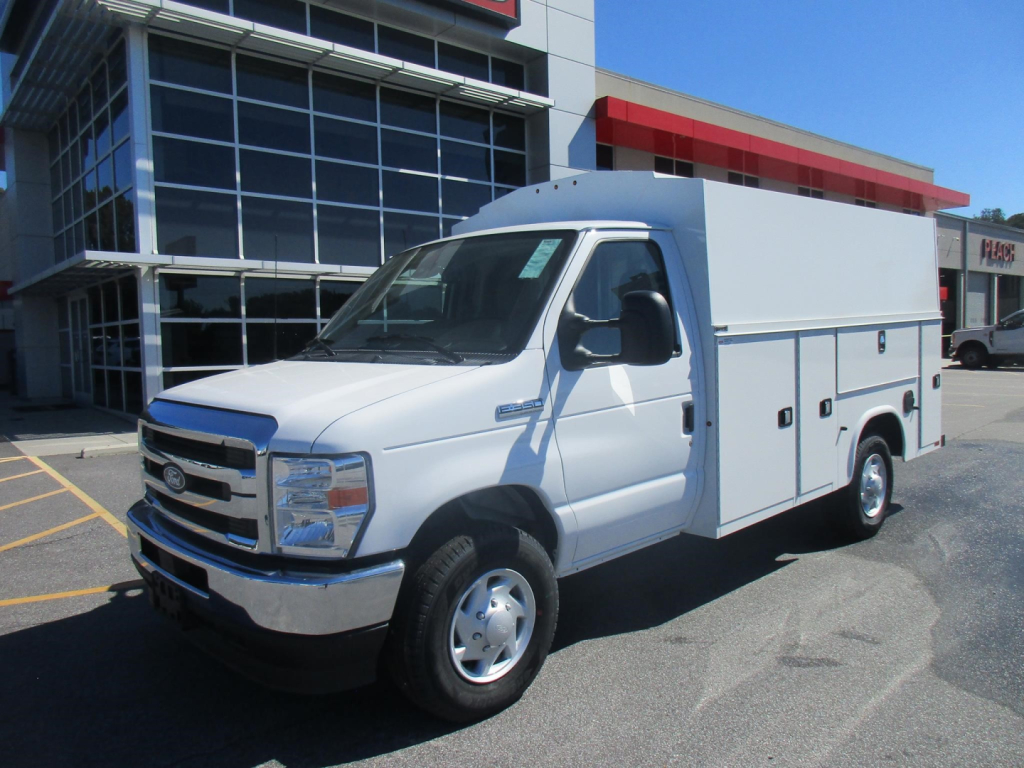
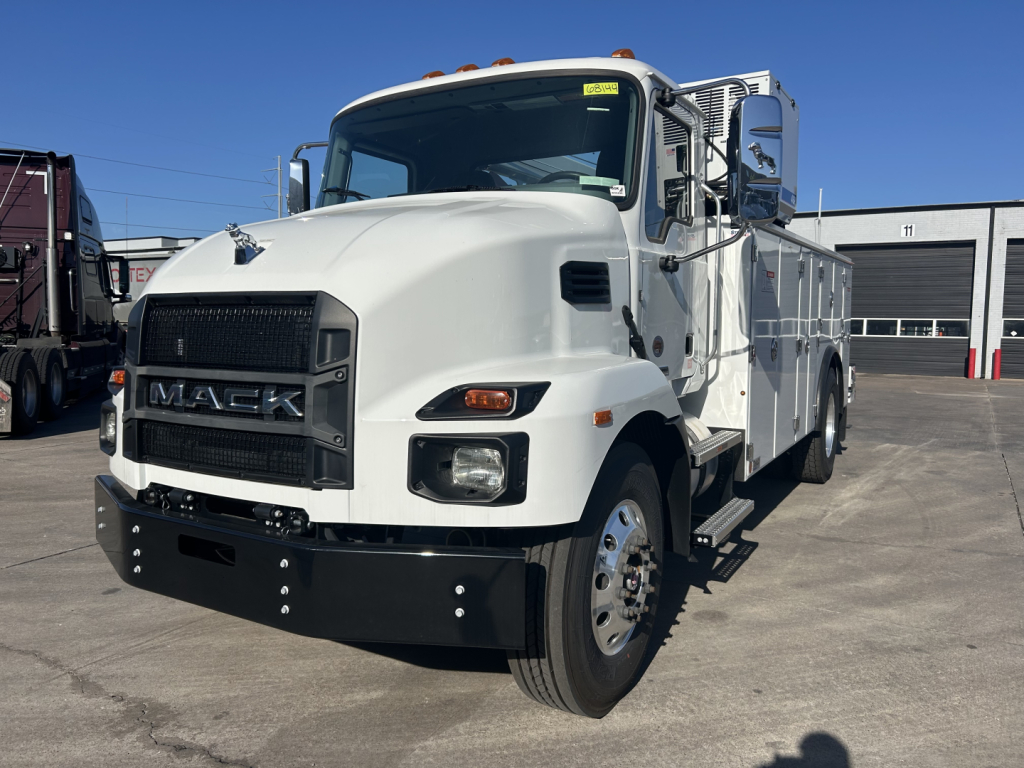
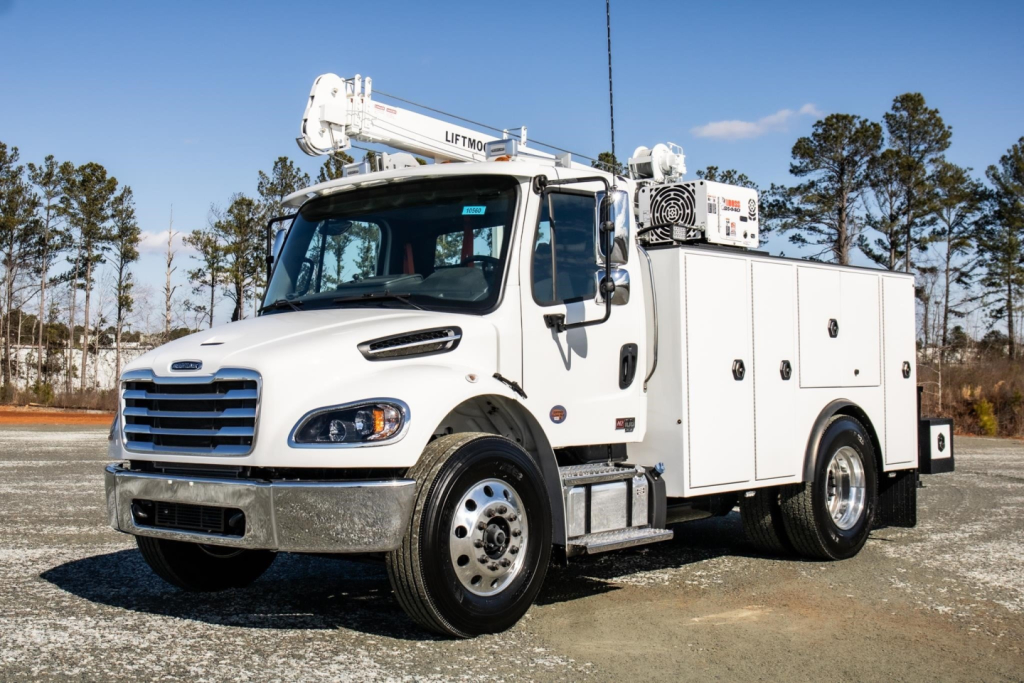
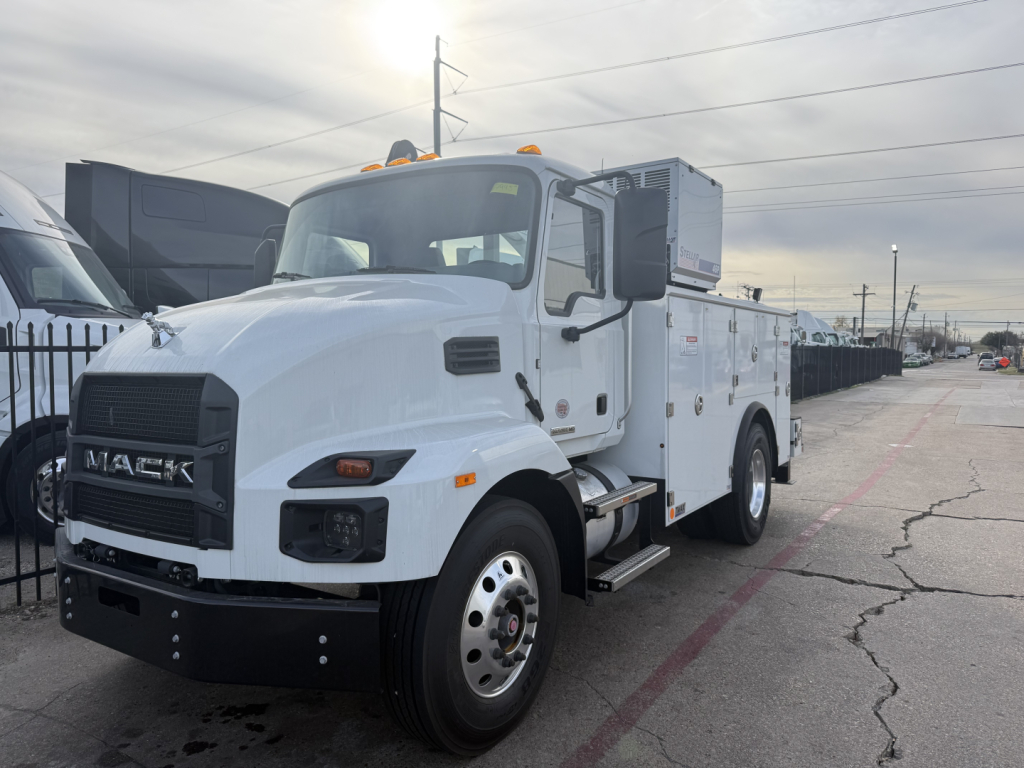
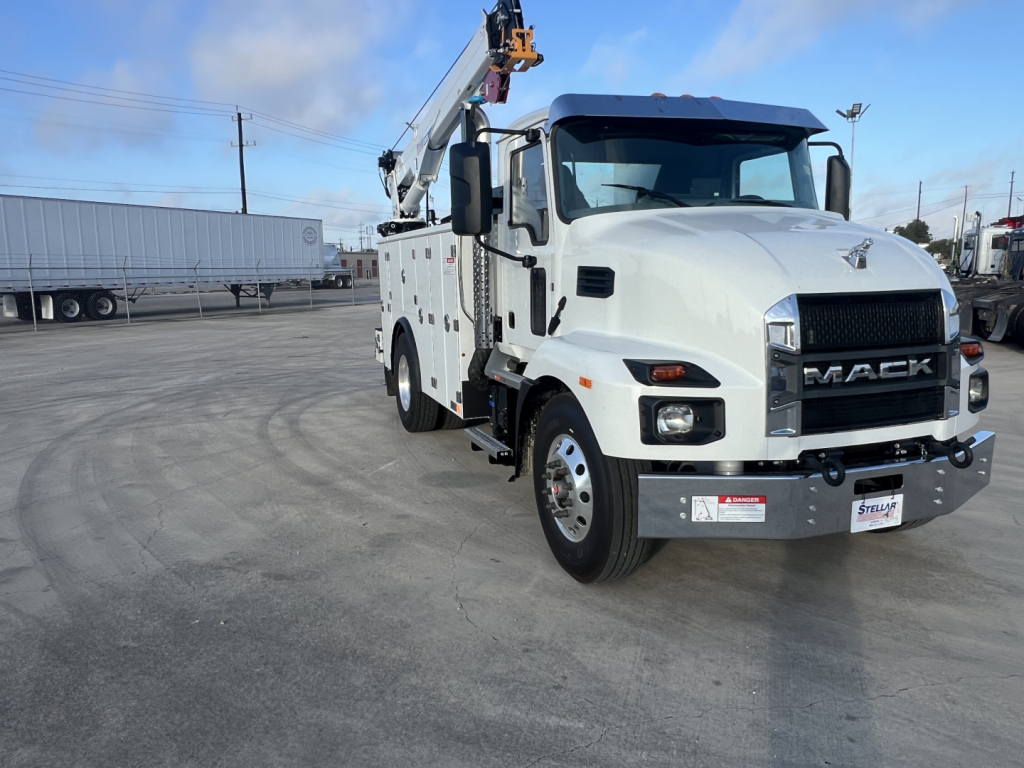
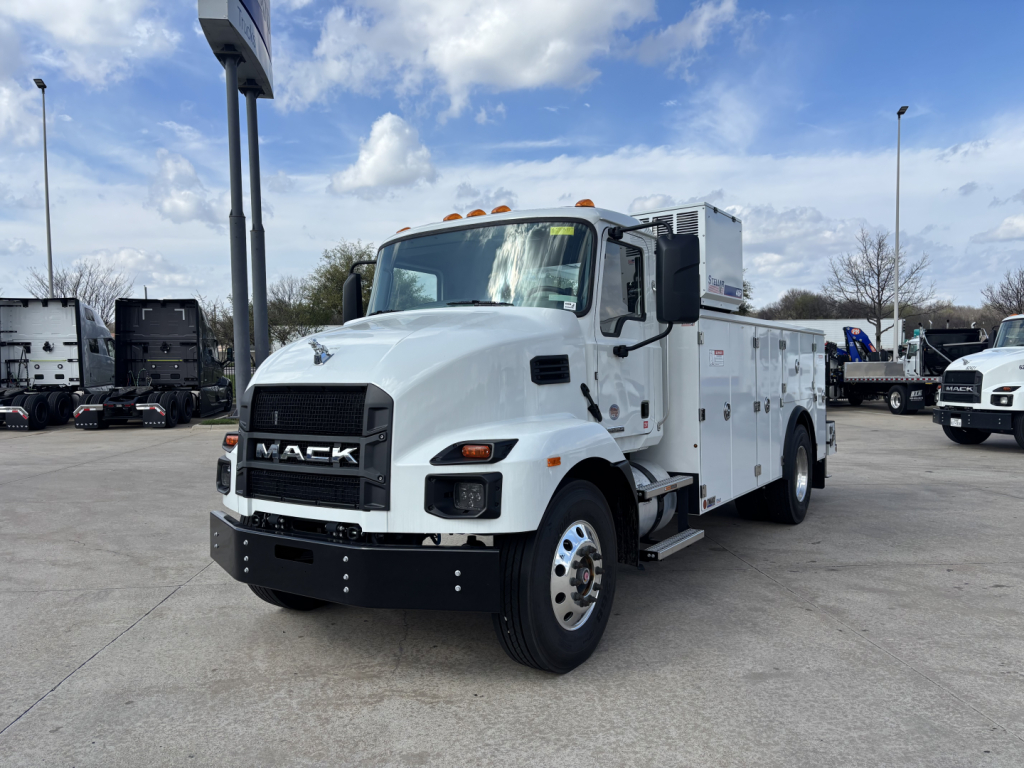
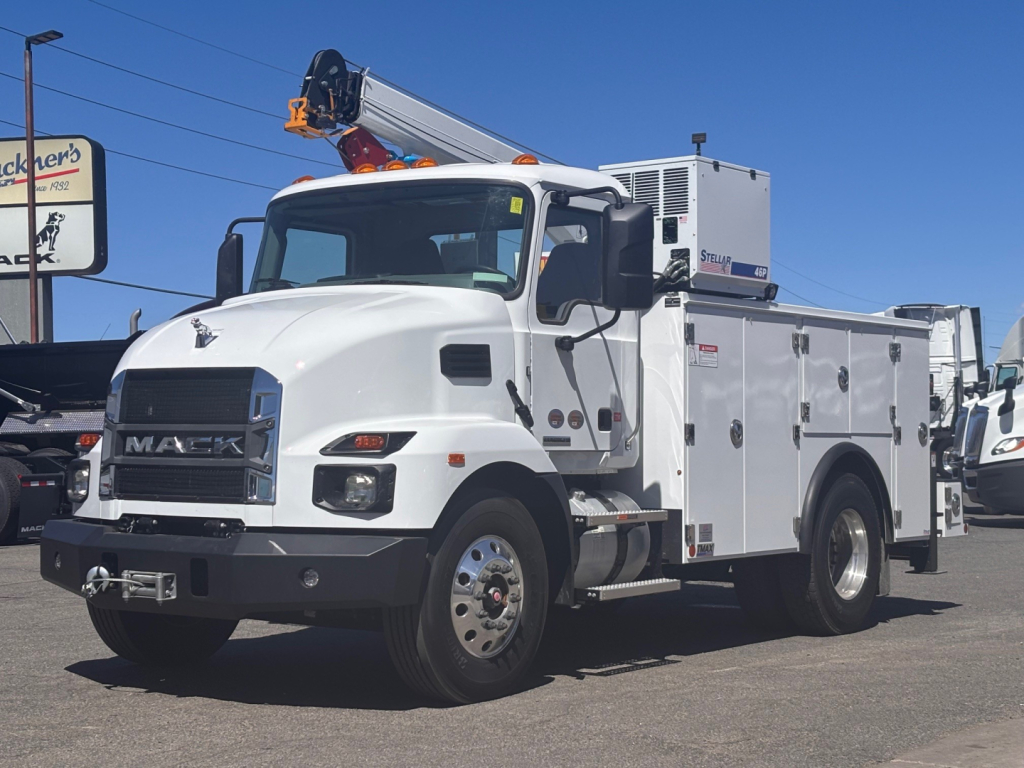
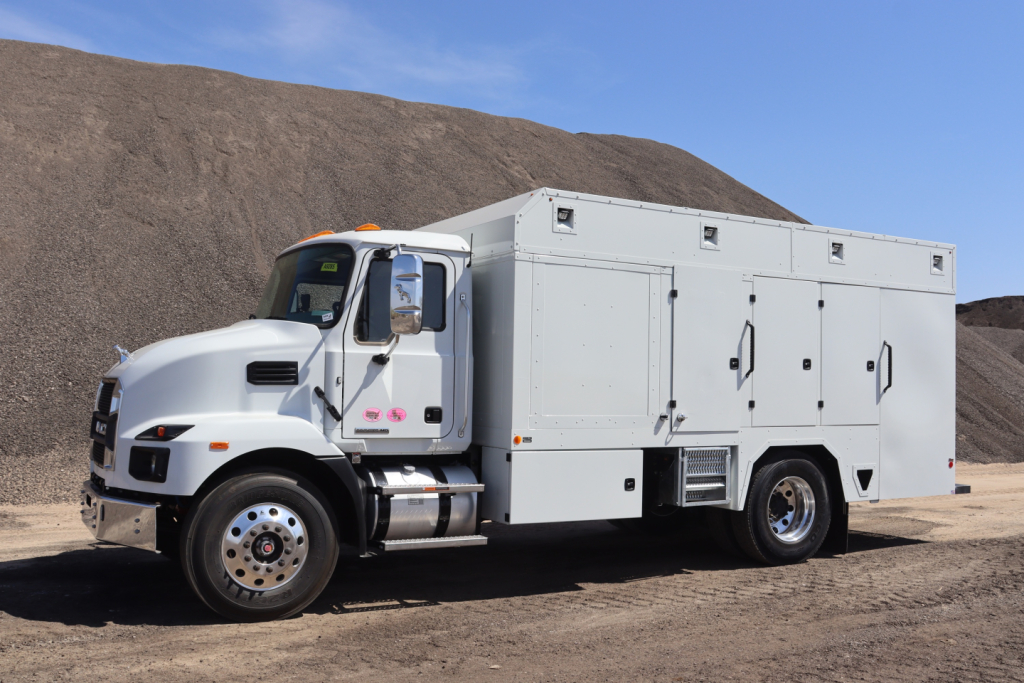
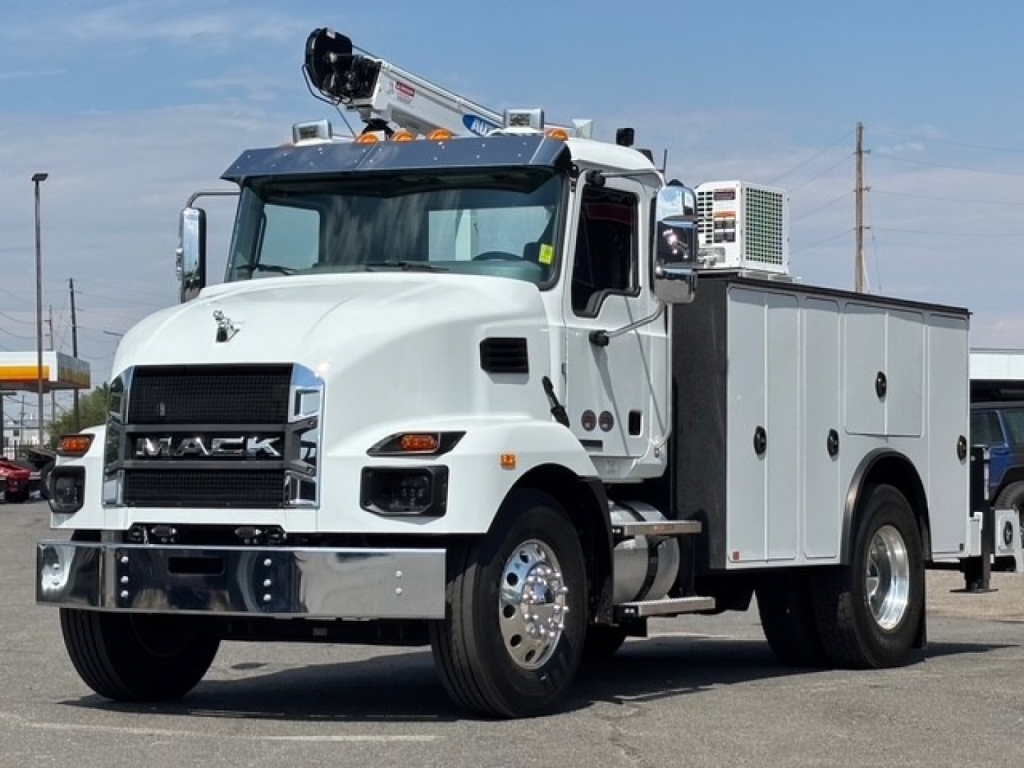
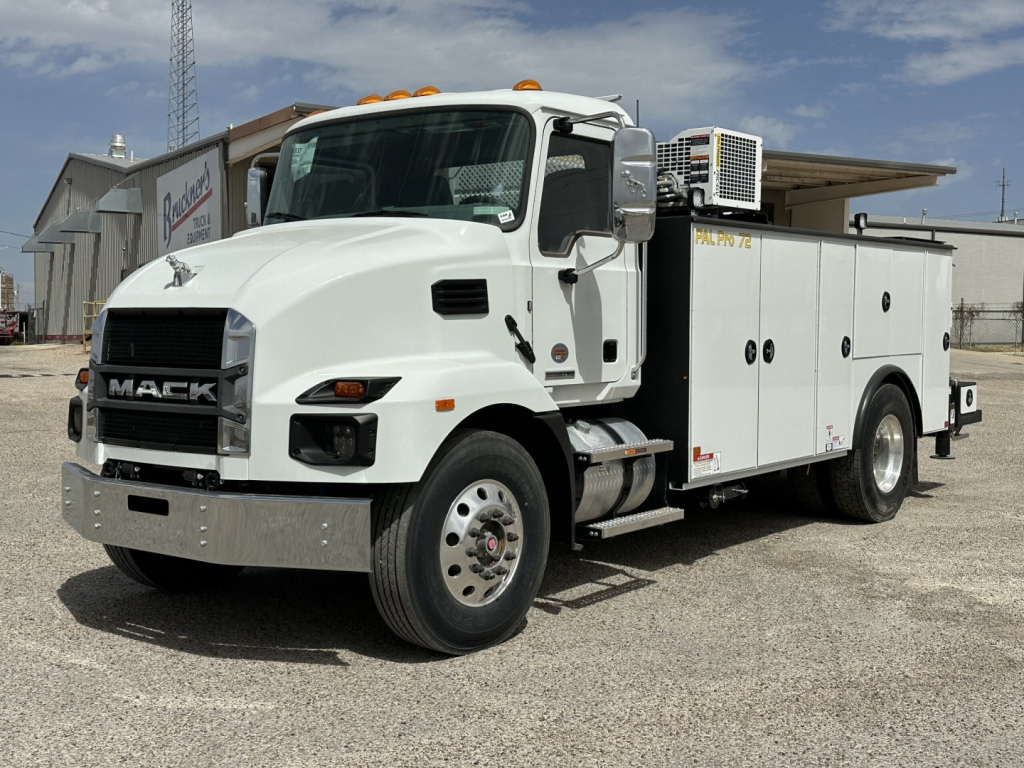
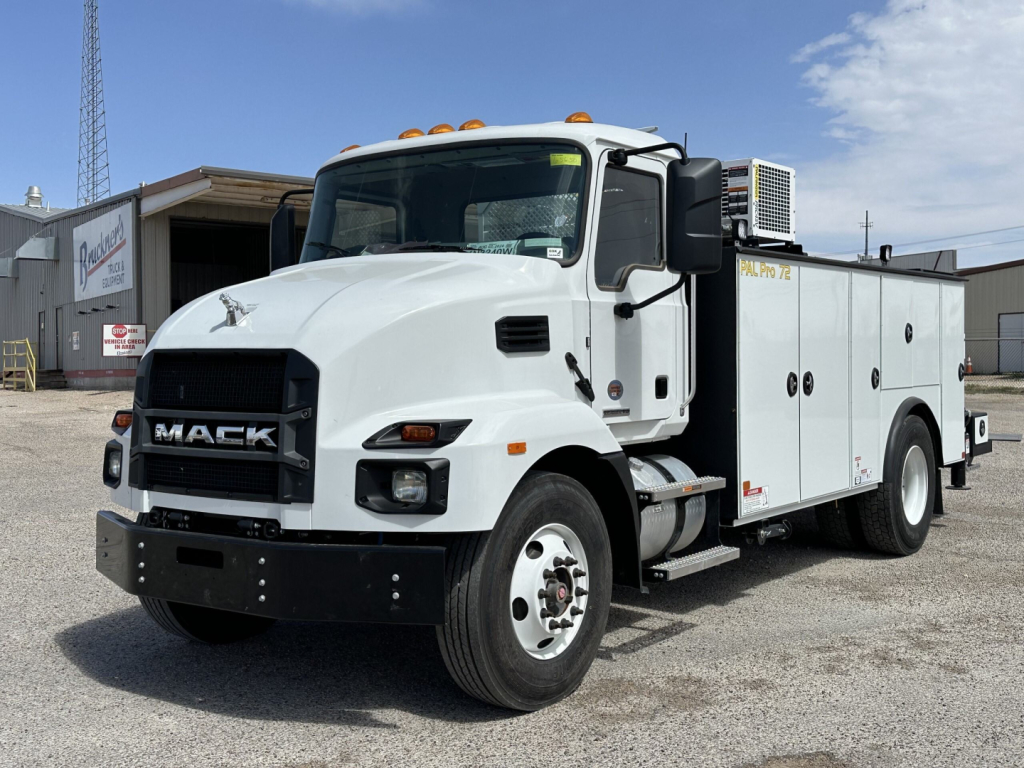
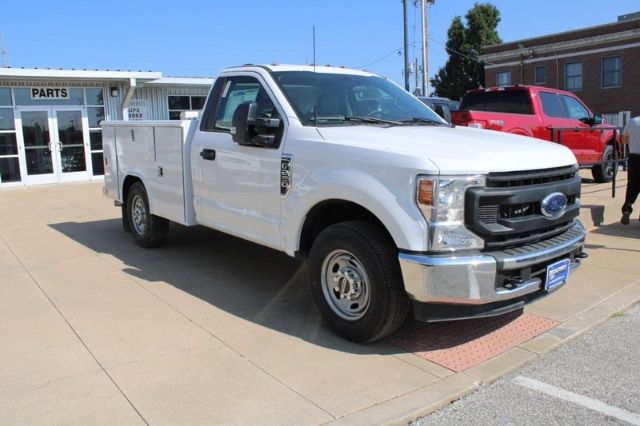

Selling a new service/utility truck? List your new service/utility truck for sale and reach thousands of commercial buyers.
New Service/Utility Trucks
A buyer should start with the service body and crane package before focusing on the cab and chassis. Body length, compartment layout, top-opening and side-opening storage, workbench space, bed liner protection, and material capacity all affect day-to-day productivity. Many new service trucks are equipped with hydraulic or electric-over-hydraulic cranes in the 10,000 to 12,000 pound range, often rated around 46,000 to 60,000 ft-lb or higher. Remote-controlled crane operation, overload protection, load-holding valves, and compressor integration are common features on higher-spec units. If the truck will support field welding, tire work, lubrication service, or heavy equipment repair, buyers should also compare compressor output, PTO or hydraulic drive setup, generator options, hose reel layouts, and the available space for fluids, reels, and specialty tooling.
On the chassis side, diesel power dominates this category, with 6.7L engines from Cummins and Ford being common in new builds. Horsepower typically falls in the 280 to 330 HP range, matched to automatic transmissions such as the Allison 2500 series or 10-speed automatics on some Ford applications. Rear axle ratings, wheelbase, suspension type, and brake configuration matter because a crane body shifts weight differently than a standard box or platform body. A shorter wheelbase helps in tighter service environments, while a longer wheelbase can improve body fit and compartment volume. Buyers should pay close attention to front axle capacity, rear suspension, and legal payload after the crane, compressor, outriggers, fuel, and tools are installed. In some markets, a 25,999 GVWR de-rated truck is attractive because it avoids CDL requirements while still carrying a fully equipped service body.
New service and utility trucks also offer an advantage in upfit integration, emissions compliance, and warranty coverage. That matters for fleets that need dependable uptime and standardized specs across multiple locations. A well-matched truck should balance crane performance, compartment organization, air power, and chassis durability without overbuilding the unit for the work it will actually do. For buyers comparing listings, the most important differences usually come down to crane capacity, body manufacturer, compressor type, axle and GVWR ratings, wheelbase, and how the truck is intended to operate in the field every day.
Frequently Asked Questions about New Service/Utility Trucks
What is the difference between a service truck and a utility truck?
In the commercial truck market, the terms service truck and utility truck are often used interchangeably, but service truck usually refers more specifically to a mechanic or field repair truck with enclosed compartments, a crane, and an onboard compressor. Utility truck can be a broader term that includes service bodies used by contractors, municipalities, telecom crews, and power companies. The exact spec matters more than the label, so buyers should focus on the body layout, crane rating, compressor system, and payload capacity.
What GVWR is common for a new service or utility truck?
Most new service and utility trucks are built in the Class 5 to Class 7 range, commonly from 25,999 to 33,000 pounds GVWR. A 25,999-pound spec is popular because it can keep the truck below CDL threshold in many applications. Heavier 29,000-pound to 33,000-pound builds are common when the truck needs a larger crane, more compartment storage, a bigger compressor, or more tool and parts payload. The right GVWR depends on the finished weight of the body and how much equipment the truck will carry every day.
How much crane capacity should a mechanic truck have?
A common range for new mechanic truck cranes is about 10,000 to 12,000 pounds, with crane ratings often expressed in ft-lb as well. The right capacity depends on what is being lifted, how far from the centerline the load will be handled, and how often the crane will be used at maximum reach. Buyers should look beyond the headline lift rating and review load chart performance, boom length, rotation, remote controls, outrigger design, and safety features such as overload shutdown and anti-two-block protection.
Why are compressors so important on service trucks?
The onboard compressor is central to many field service applications because it powers air tools, supports tire service, helps with cleaning, and expands the truck's usefulness away from the shop. New service trucks may use hydraulic-driven compressors, engine-driven units, or PTO-based systems depending on the body design and duty cycle. Buyers should compare pressure and cfm output, duty rating, serviceability, and how the compressor integrates with the crane and hydraulic system if both functions will be used regularly.
What should buyers check when comparing new service truck listings?
The most important checks are the body brand, crane model and rating, compressor type, wheelbase, front and rear axle capacities, rear suspension, brake type, and final GVWR. Buyers should also verify whether the truck is set up for CDL or non-CDL use, what remote functions are included, how the compartments are configured, and whether the truck has the electrical and hydraulic provisions needed for future accessories. A good listing comparison goes beyond engine horsepower and looks at how the complete upfit matches the actual field work.