
New Service/Utility Trucks For Sale in Georgia
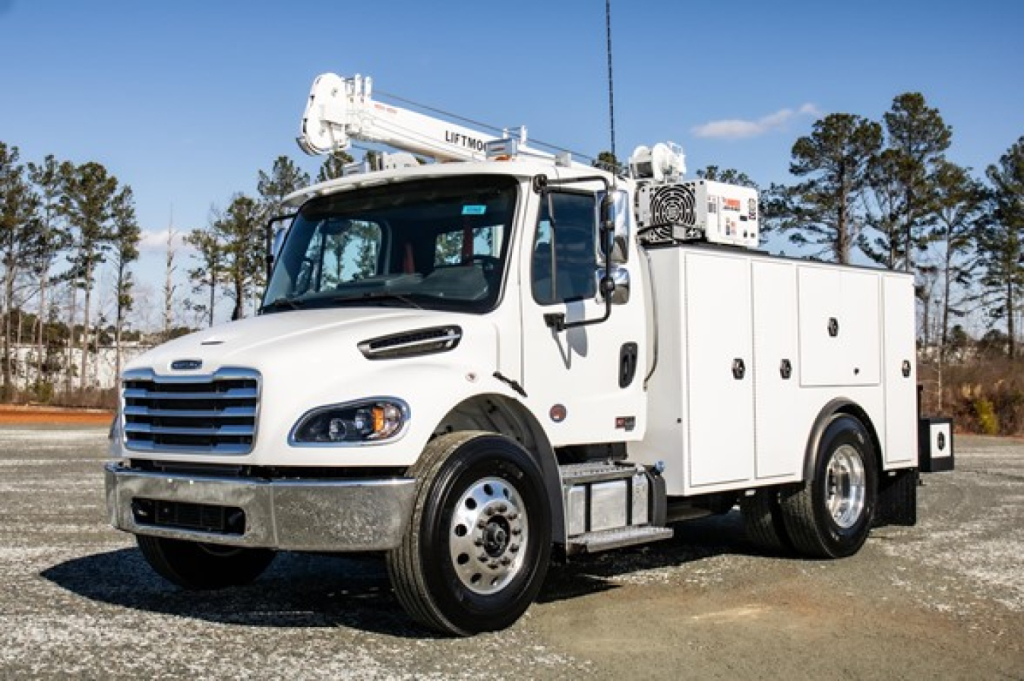
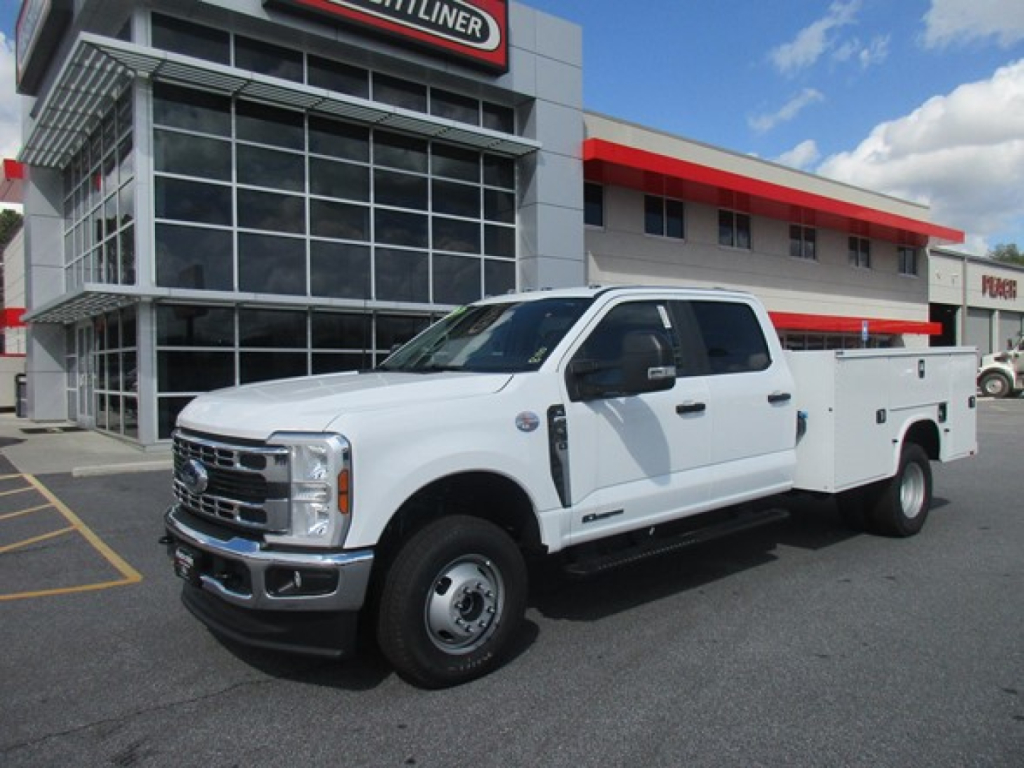
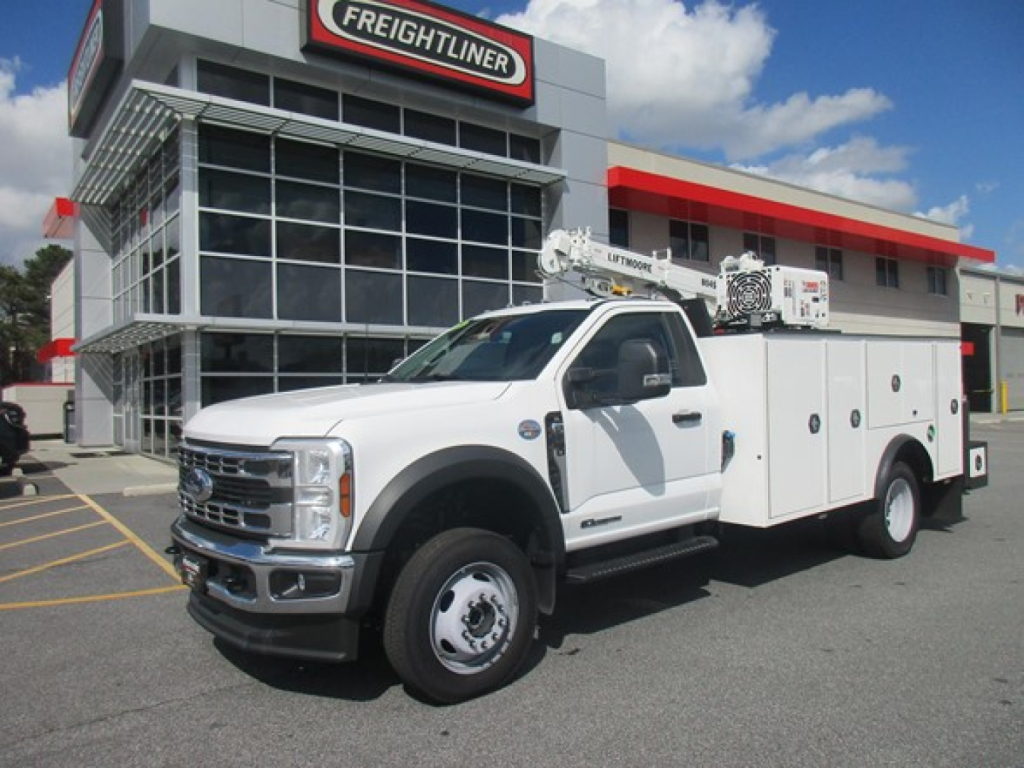
Have new service/utility truck to sell? List it here to reach thousands of buyers.
New Service/Utility Trucks in Georgia
A key decision is where you need the truck to sit between light-duty and medium-duty capability. Chassis like a Ford F-350 or F-550 are common for general service work, especially when maneuverability matters and crews want a pickup-based cab with a service body. Medium-duty platforms such as a Freightliner M2 106 move into heavier crane, compressor, welder, and drawer-pack applications with more available GVWR, stronger upfit support, and better room for larger mechanics bodies. Common specs buyers compare include GVWR, front and rear axle ratings, cab-to-axle length, diesel versus gas power, 4x2 or 4x4 drivetrain, service body length, compartment depth, and PTO compatibility when hydraulic tools or cranes are part of the build.
Body and upfit details matter as much as the chassis. Many new service trucks are equipped with steel or aluminum service bodies, ladder racks, vise mounts, backup cameras, trailer brake controllers, inverter or onboard power, and drawer systems that improve organization. Mechanic truck packages may add an air compressor, welder, crane body, outriggers, work lights, and a torsion-resistant subframe. If a crane is involved, buyers should confirm maximum lifting capacity, lifting radius, boom length, rotation, and how the crane rating changes as extension increases. Storage layout is just as important because secure, weather-resistant compartments, good lighting, and practical curbside access can save time on every service call.
For buyers comparing new service and utility trucks in Georgia, durability and ease of support usually drive the final choice. Corrosion protection, body material, wiring quality, and the reputation of the upfitter all affect long-term uptime. It also pays to verify licensing and operating requirements based on GVWR and equipment package, especially when stepping up to a mechanic truck with crane and compressor equipment. The right truck is the one that matches your daily service load, towing needs, terrain, and technician workflow without leaving you short on payload or overbuilt for the job.
Frequently Asked Questions about New Service/Utility Trucks in Georgia
What is the difference between a service truck, a utility truck, and a mechanic truck?
A service truck usually refers to a truck with a service body that has exterior compartments for tools, parts, and supplies. A utility truck is a broader term and can include service bodies, specialty utility bodies, or vocational setups used by electrical, telecom, municipal, and contractor fleets. A mechanic truck is a type of service truck built for field repair and often includes a crane, compressor, welder, heavy drawer packs, and reinforced body construction for handling parts and repairs away from the shop.
What GVWR range is common for new service and utility trucks?
Common GVWR ranges start around 14,000 pounds on heavier pickup-based chassis and move into the 19,500-pound range and beyond on larger Class 5 through Class 7 trucks. The right rating depends on the body weight, fuel type, crane or compressor package, payload, passengers, and trailer tongue weight. Buyers should calculate working weight, not just empty weight, because service bodies fill up quickly with tools, fluids, hardware, and mounted equipment.
Is 4x4 worth it on a new service or utility truck in Georgia?
4x4 is often worth the extra cost if the truck will regularly enter construction sites, utility easements, farm roads, or soft ground after rain. It also helps when a crane or service body adds weight and traction becomes more important off pavement. For fleets staying mainly on paved roads and established industrial sites, 4x2 may offer lower acquisition cost, less drivetrain complexity, and slightly better fuel efficiency.
What should I check when buying a crane-equipped mechanic truck?
Start with crane capacity, boom reach, and the load chart at different extensions because the advertised maximum capacity is only part of the picture. Then review outrigger design, body reinforcement, compressor or welder integration, PTO or hydraulic setup, and available payload after the upfit is installed. It is also important to confirm that the chassis axle ratings, suspension, and brake package are properly matched to the body and crane combination.
Which body material is better for a service truck, steel or aluminum?
Steel service bodies are popular for heavy-duty mechanic work because they are rugged, repairable, and often preferred for crane and severe-service applications. Aluminum bodies reduce weight, which can improve available payload and corrosion resistance, an advantage for fleets focused on fuel efficiency and long-term appearance. The better choice depends on the truck's duty cycle, mounted equipment, and how important weight savings is compared with maximum toughness.