
New 2025 Service/Utility Trucks For Sale
Shop new 2025 service and utility trucks built for field repair, mechanics, and mobile maintenance with crane, compressor, and body options.
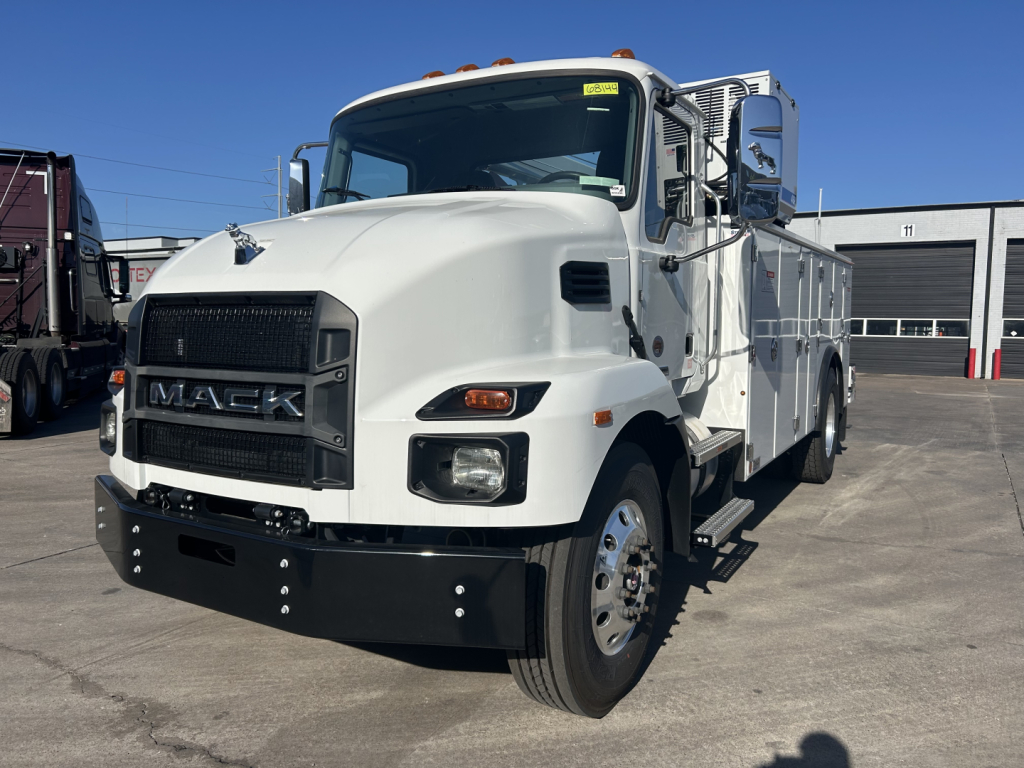
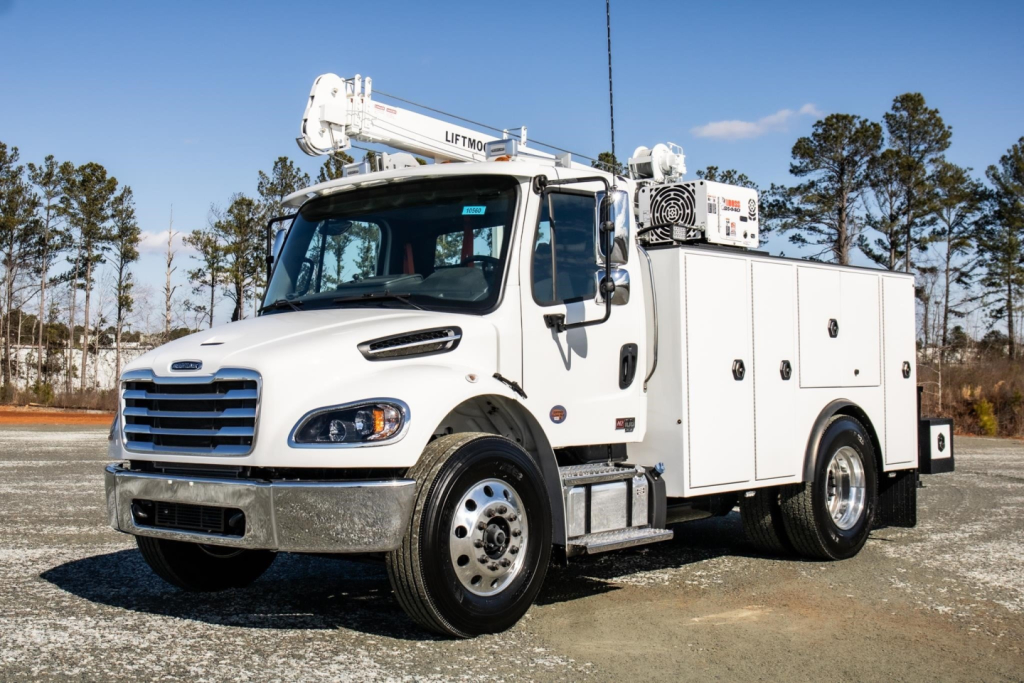
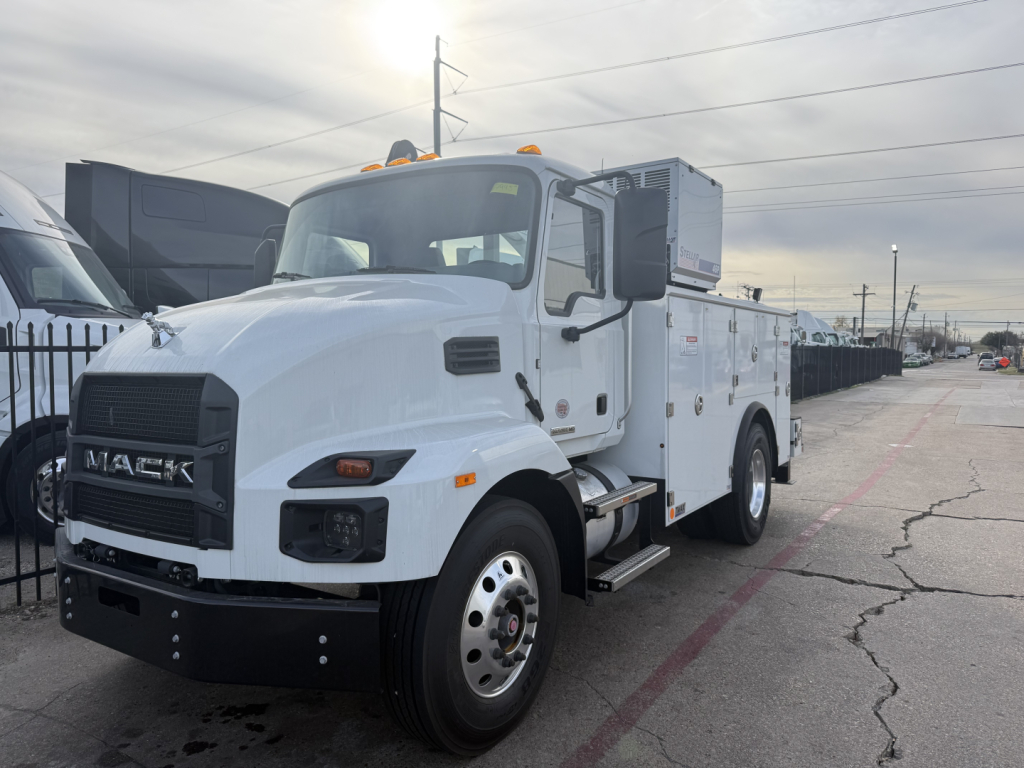
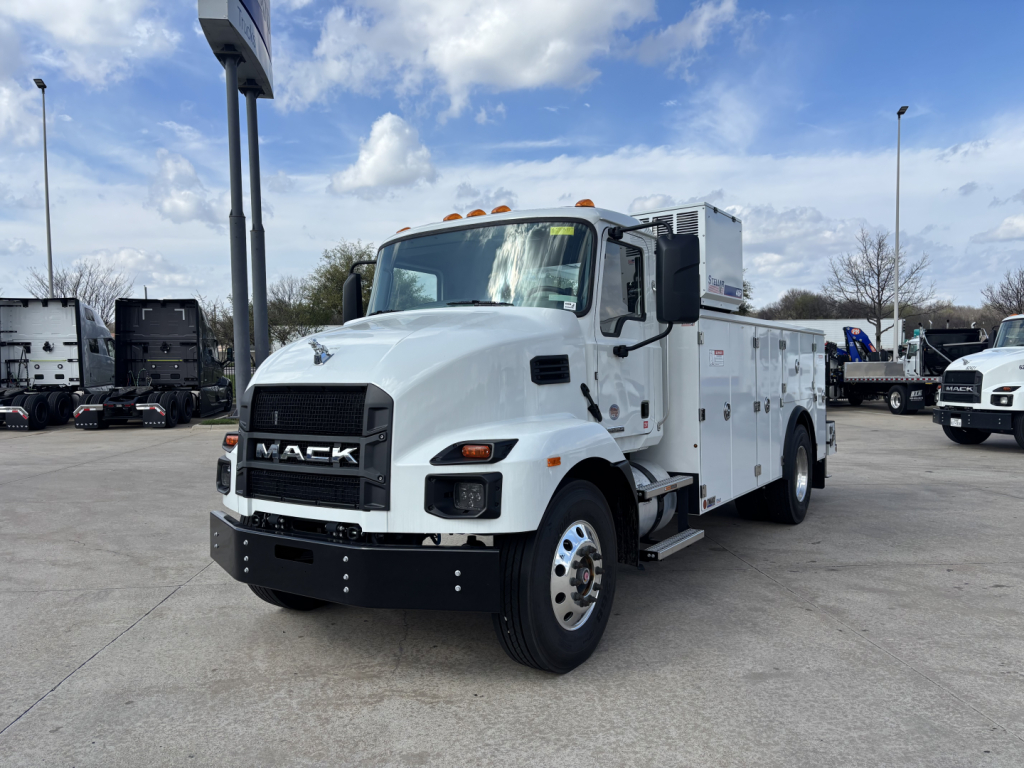
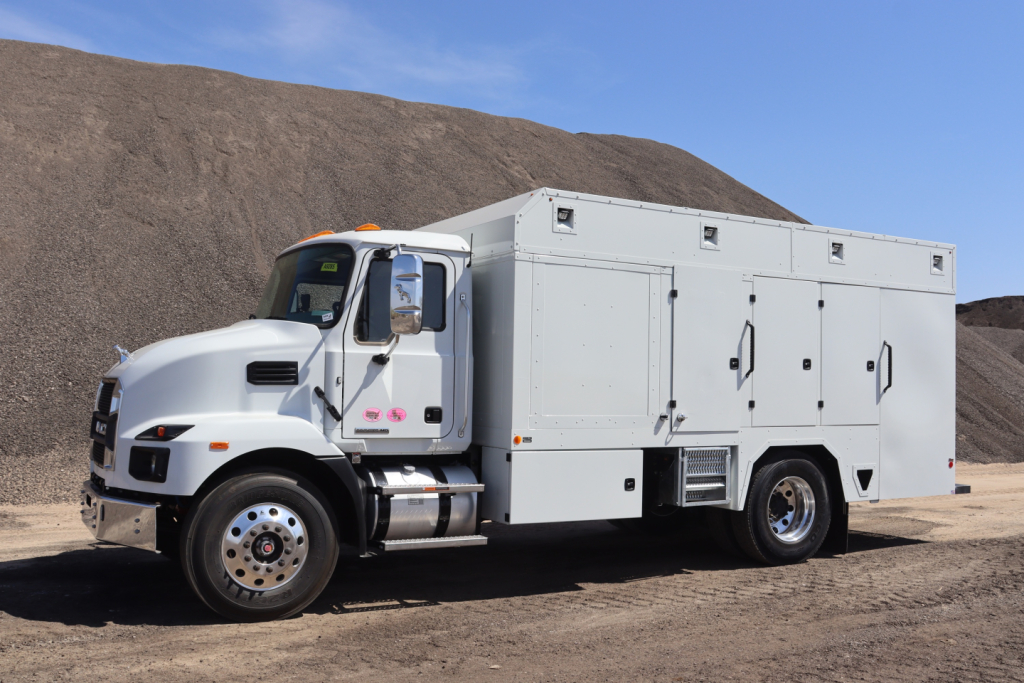
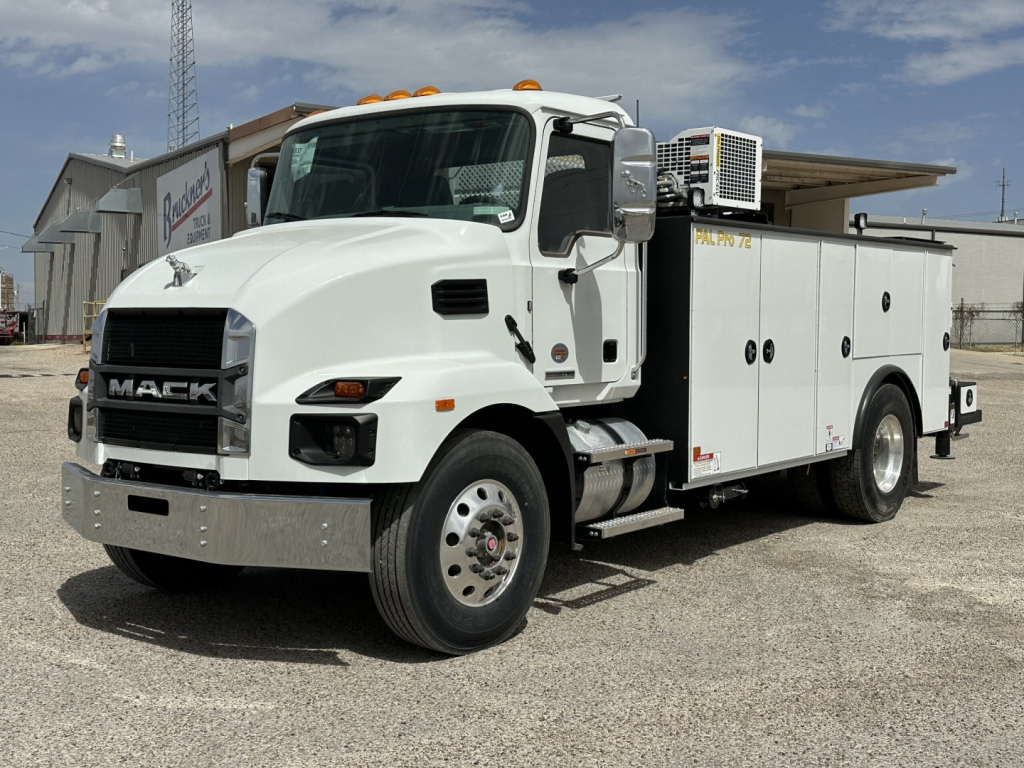
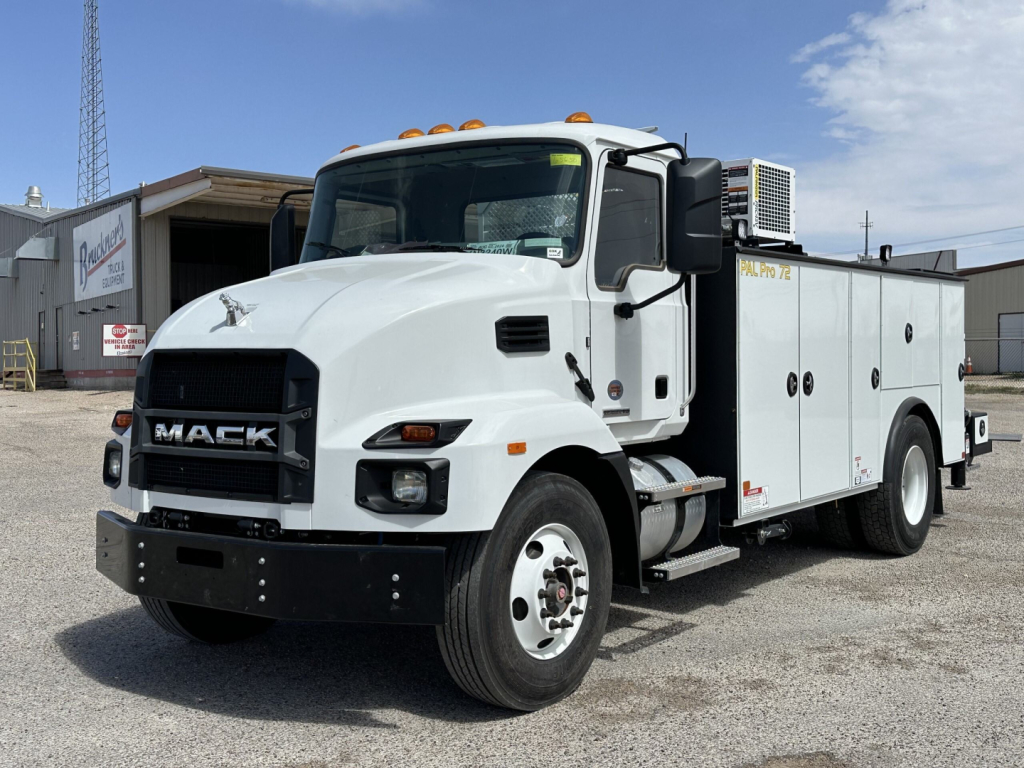
Selling a new 2025 service/utility truck? List your new 2025 service/utility truck for sale and reach thousands of commercial buyers.
New 2025 Service/Utility Trucks
Most 2025 service/utility trucks in this class are medium-duty models with diesel power, commonly a Cummins 6.7L paired with an Allison automatic transmission. Typical axle setups land in the 10K to 12K front and 19K to 21K rear range, often with air-ride rear suspension and optional differential locks for rough jobsites. Bodies are commonly 9 to 11 feet long and may come from established upfitters such as Stellar or Auto Crane. Buyers should compare crane capacity in both maximum lift and foot-pound rating, compressor type and CFM output, generator or hydraulic power options, and how the compartments are configured for actual technician workflow. If the truck will carry welders, torch kits, oils, reels, or heavy service parts, payload and center-of-gravity matter as much as engine horsepower.
A well-spec'd new mechanic truck can reduce downtime across an entire fleet because it turns one technician into a self-contained field repair unit. Common features include telescoping service cranes, hydraulic outriggers, air compressors, drawer packs, lube storage, work lights, inverter systems, vice mounts, and winch bumpers. On utility-oriented builds, buyers should also look at PTO integration, remote crane controls, body material, corrosion protection, and compartment security. If the truck will operate in urban service work, an under-CDL configuration may simplify staffing and routing. If it will support heavier iron in mining, pipeline, or aggregate work, higher GVWR, stronger rear axle ratings, and more crane capacity usually take priority.
For a 2025 model year purchase, it makes sense to evaluate the complete chassis-and-body package as one tool, not as separate components. Wheelbase, cab-to-axle dimension, suspension, and frame reinforcement all affect upfit quality and long-term durability. New trucks also appeal to buyers who want current emissions systems, factory warranty coverage, and cleaner integration between the chassis electronics and the service body equipment. The best service/utility truck is the one that matches the technician's daily repair scope, keeps legal payload in reserve, and carries enough crane, compressor, and storage capacity to avoid sending the job back to the shop.
Frequently Asked Questions about New 2025 Service/Utility Trucks
What is the difference between a service truck and a utility truck?
The terms are often used interchangeably, but service truck usually refers to a mechanic-style body designed for mobile repair, with compartments, crane capability, compressors, and tool storage. Utility truck can be broader and may include service bodies used by electrical, telecom, municipal, or public works crews. In the used and new truck market, both terms commonly describe vocational trucks built around a work body rather than a cargo box or flatbed.
What should I look for first when buying a new 2025 service/utility truck?
Start with the work the truck will actually perform. Crane rating, body length, compressor output, payload, and CDL status should be decided before brand preference. A truck that spends its time repairing pickup fleets has different needs than one supporting excavators or crushers in the field. After defining the job, compare axle ratings, wheelbase, compartment layout, PTO or hydraulic setup, and how the service body is integrated with the chassis.
Can a service truck be spec'd under CDL limits?
Yes. Many service trucks are intentionally de-rated or configured to stay under the 26,001-pound GVWR threshold, which can widen the pool of eligible drivers and simplify some operations. That said, staying under CDL limits reduces available payload, so buyers need to account for crane weight, compressors, tools, fluids, and inventory before assuming an under-CDL truck will handle the job. The legal rating on the door sticker matters more than how light the truck looks.
What crane and compressor specs are common on mechanic trucks?
Common service truck cranes range from lighter units for routine field repairs up to heavier telescopic cranes intended for components, tires, and hydraulic work on construction equipment. Ratings are often listed by maximum lift and by foot-pound class, such as 60,000 ft-lb bodies or 12,000-pound crane capacity at certain positions. Compressors vary by application, but hydraulic-driven systems and integrated air packages are common when the truck needs to support impact tools, tire service, or pneumatic repair work.
Why do axle ratings and suspension matter so much on a utility body truck?
A service body adds concentrated weight behind the cab, and that weight increases quickly once tools, cranes, compressors, fluids, and parts are loaded. Front and rear axle ratings determine how much usable capacity the truck has, while suspension design affects stability, ride quality, and control under shifting service loads. A truck with the wrong axle or suspension spec may still move down the road, but it can end up overloaded, unstable on uneven ground, or limited in what equipment it can safely carry.