
New 2025 Service/Utility Trucks For Sale in Texas
Shop new 2025 service and utility trucks in Texas with mechanic bodies, cranes, storage systems, and medium-duty chassis built for field work.
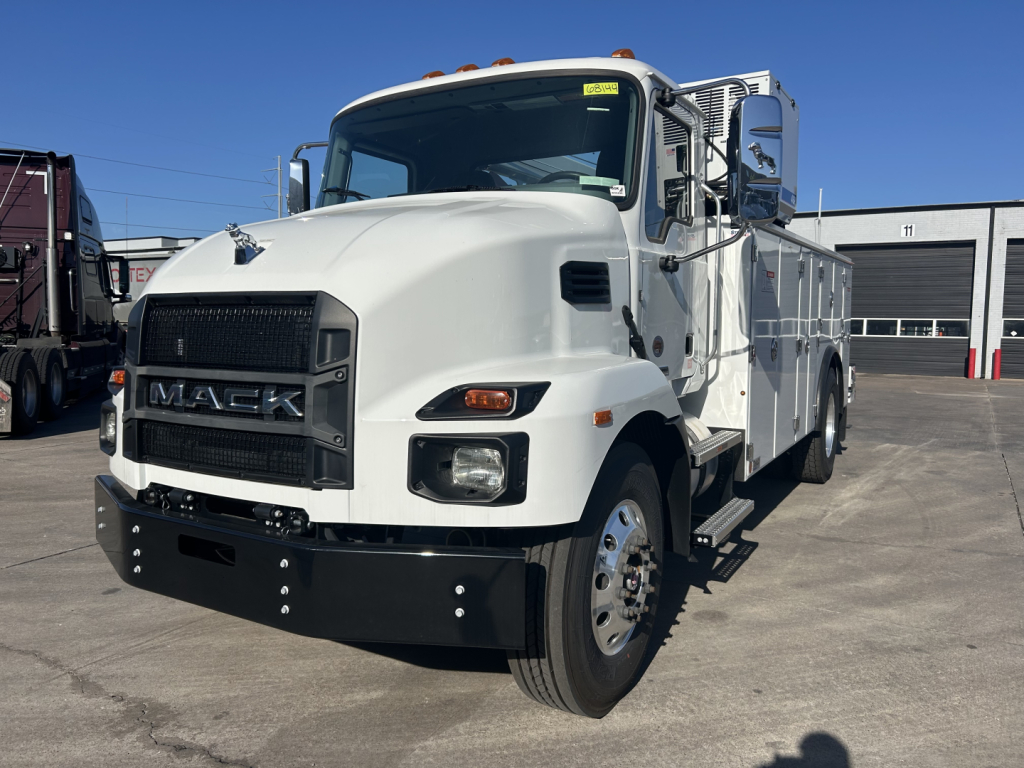
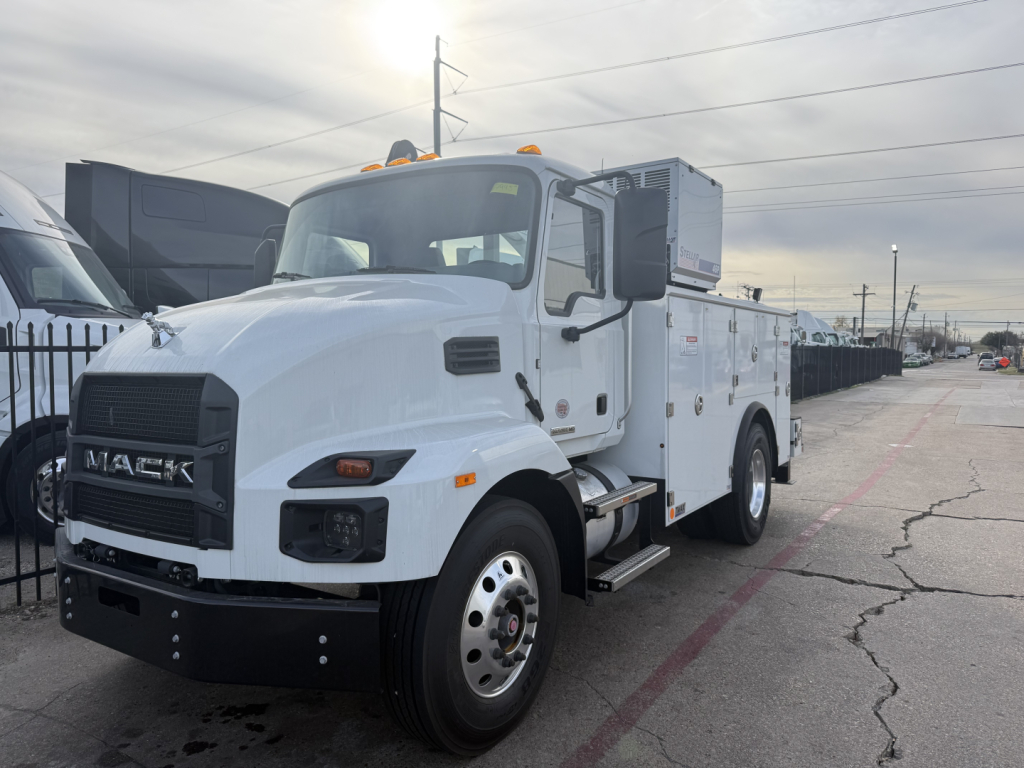
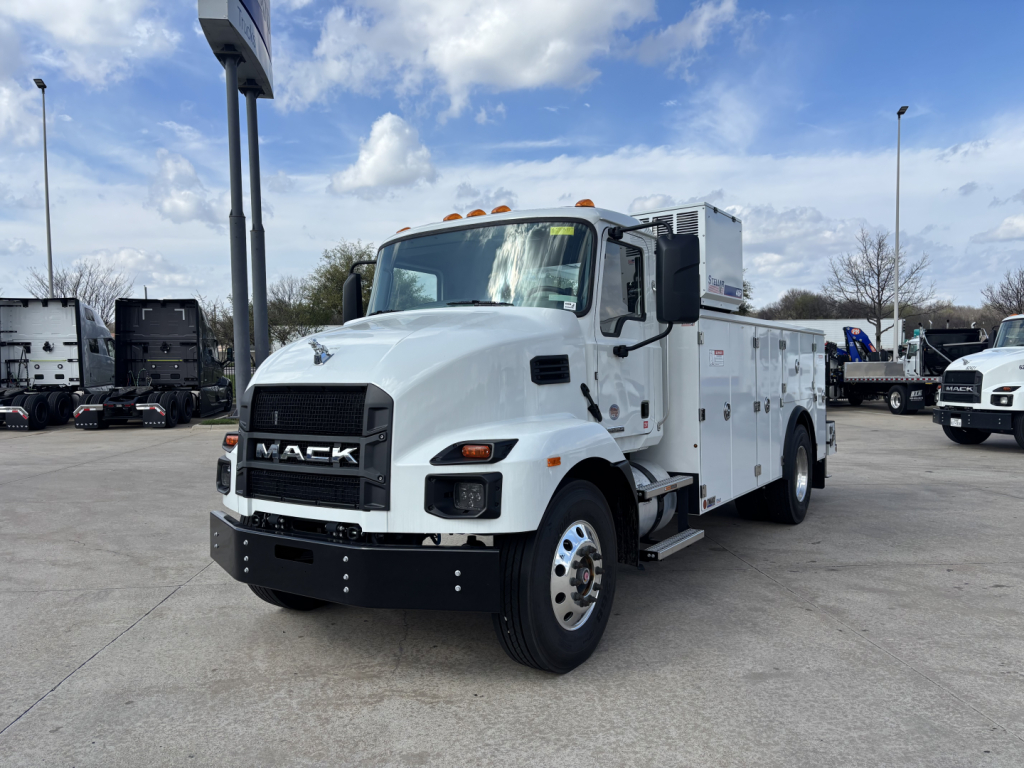
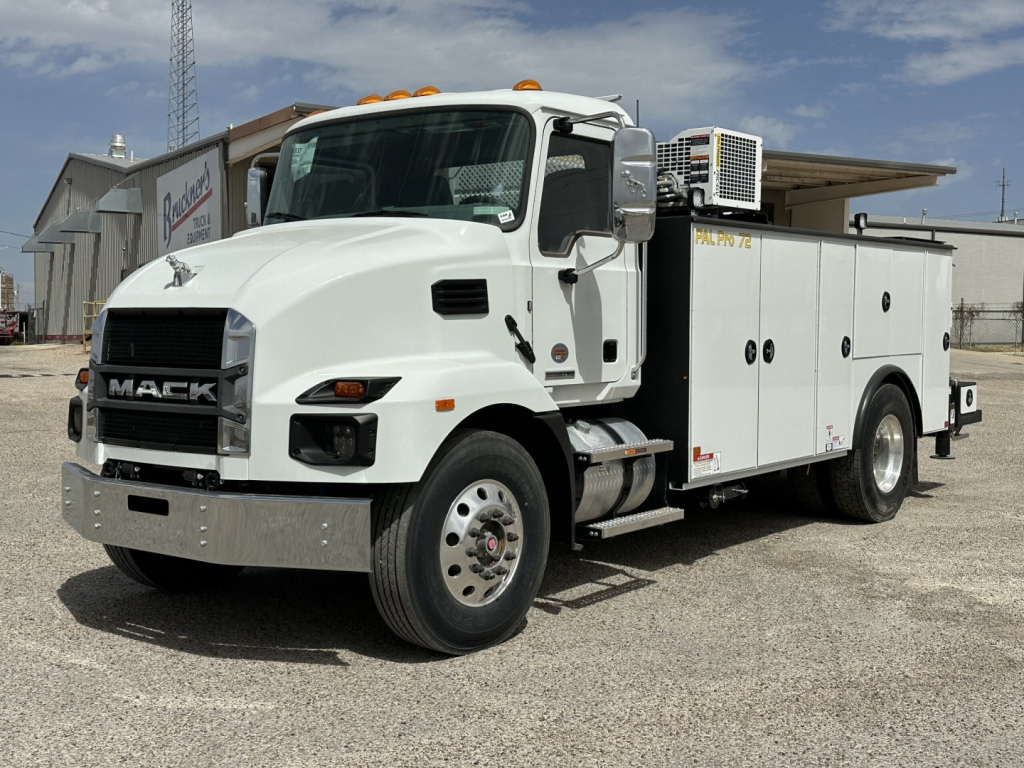
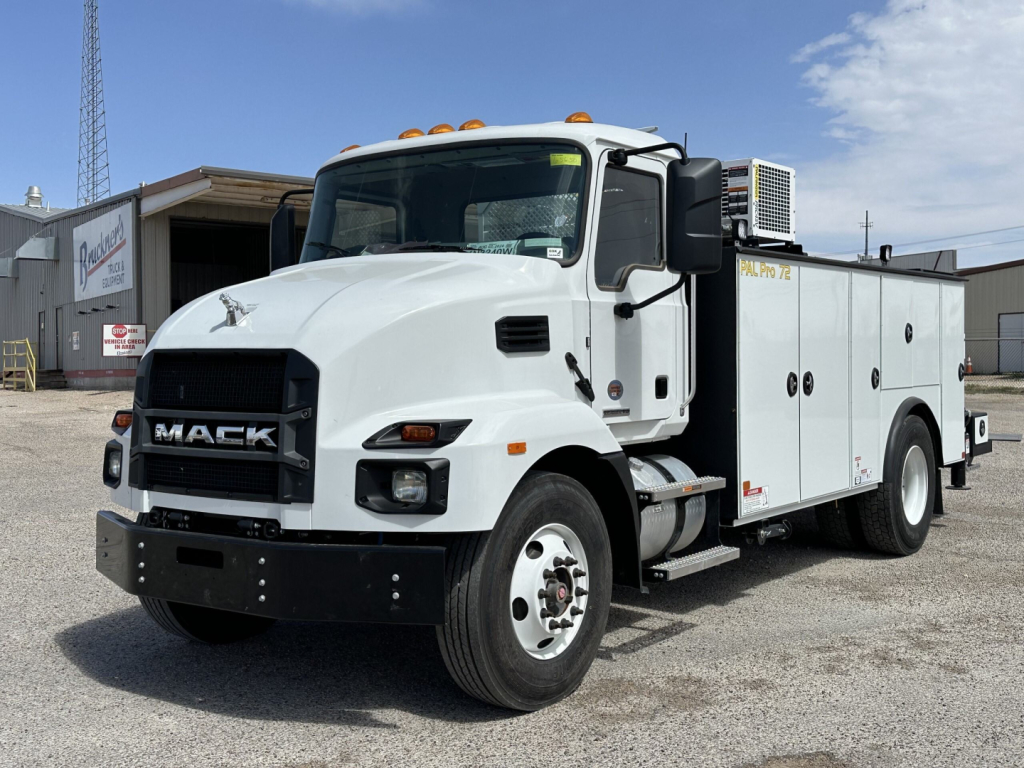
Selling a new 2025 service/utility truck? List your new 2025 service/utility truck for sale and reach thousands of commercial buyers.
New 2025 Service/Utility Trucks in Texas
A buyer should start with body and crane configuration before comparing paint, trim, or cab features. Most new service trucks in this class use a Class 6 or Class 7 chassis such as a Mack MD6 or MD7, often powered by a Cummins 6.7L diesel and paired with an Allison automatic transmission. Typical specs include front axles around 10,000 pounds, rear axles in the 17,000 to 19,000 pound range, air-ride or spring suspension, and wheelbases selected to match compartment layout and crane placement. On the body side, common features include steel or aluminum mechanic bodies, tall side packs, reinforced work tops, compressor mounts, headache racks, receiver hitches, and lockable compartments sized for welders, generators, hose reels, and tooling. Many buyers also focus on crane rating in ft-lb, maximum vertical lift, hydraulic reach, and safety systems such as overload protection, two-block prevention, and wireless remote control.
Texas buyers usually pay close attention to operating weight, CDL exposure, and how the truck will be used in heat, dust, and off-pavement conditions. A non-CDL service truck can be a major advantage for staffing flexibility, but payload, crane size, fuel capacity, and body equipment can push a truck into a heavier class quickly. It is worth checking axle ratings, frame reinforcement, outrigger design, and actual ready-to-work weight with crane, compressor, and tools installed. For oilfield and construction applications, differential locks, aggressive rear ratios, durable PTO setup, and easy service access are practical advantages. If the truck will spend long days idling while powering hydraulic tools or compressors, engine and PTO integration matters just as much as the crane decal on the side.
The best 2025 service/utility truck is the one that fits the technician’s daily workload without wasting payload or overspending on unused capacity. A lighter truck with a well-laid-out body can outperform a larger unit if compartment access, crane reach, and tool organization are right for the job. Buyers comparing listings should look closely at body manufacturer, crane brand, compartment dimensions, stabilizer spread, power source for accessories, and whether the chassis spec was ordered as a true service truck from the start. That is what separates a general truck with boxes bolted on from a productive field-service platform built for long-term fleet use.
Frequently Asked Questions about New 2025 Service/Utility Trucks in Texas
What is the difference between a service truck and a utility truck?
In most commercial truck listings, the terms overlap, but a service truck usually refers to a mechanic body truck set up for mobile repair with compartments, a crane, and space for tools and parts. A utility truck can mean that same type of unit, but it may also describe a vocational body built for utility company work, line support, or municipal maintenance. The key is the body equipment. Buyers should focus on crane capacity, storage layout, PTO provisions, and accessory mounts rather than the label alone.
Do I need a CDL to operate a new 2025 service truck?
Not always. Some new service trucks are intentionally spec'd to stay under 26,001 pounds GVWR so they can be operated without a CDL in many situations. That said, crane size, body weight, compressor packages, and payload requirements can move a truck into CDL territory quickly. The correct way to evaluate this is by checking the truck's GVWR, registered weight, and the actual curb weight of the completed unit with body and accessories installed, then comparing that to your state and job requirements.
What specs matter most when buying a mechanic service truck?
The most important specs are usually chassis GVWR, axle ratings, wheelbase, engine and transmission pairing, body construction, and crane capability. Buyers should also verify compartment depth, workbench space, outrigger design, PTO setup, hydraulic system performance, and the weight of permanently mounted equipment like compressors or welders. A truck that looks strong on paper can still be a poor fit if the crane reach is short, the compartments are undersized, or the payload disappears once the service body is fully equipped.
What crane capacity is common on a medium-duty service truck?
A common range for medium-duty mechanic trucks is roughly 8,000 to 12,000 pounds maximum lift, with crane ratings often expressed in ft-lb and with actual capacity decreasing as the boom extends. Reach, boom geometry, and stability matter as much as headline lift rating. Buyers should review the crane load chart, hydraulic reach, rotation, boom elevation range, and safety features such as overload shutdown and anti-two-block protection before deciding that one crane is truly comparable to another.
Why are service trucks popular in Texas?
Texas operations often cover large territories, remote jobsites, and industries that cannot afford downtime, including oil and gas, construction, aggregates, agriculture, and utility work. A properly spec'd service truck reduces transport delays by taking diagnostics, tools, lifting capability, and repair inventory directly to the equipment. That makes it easier to support fleets in the field, shorten repair cycles, and keep technicians productive across long distances and demanding operating conditions.