
New 2025 Mack Service/Utility Trucks For Sale
Shop new 2025 Mack service and utility trucks built for field repair, crane work, compressors, secure storage, and non-CDL upfit options.
Selling a new 2025 mack service/utility truck? List your new 2025 mack service/utility truck for sale and reach thousands of commercial buyers.
New 2025 Mack Service/Utility Trucks
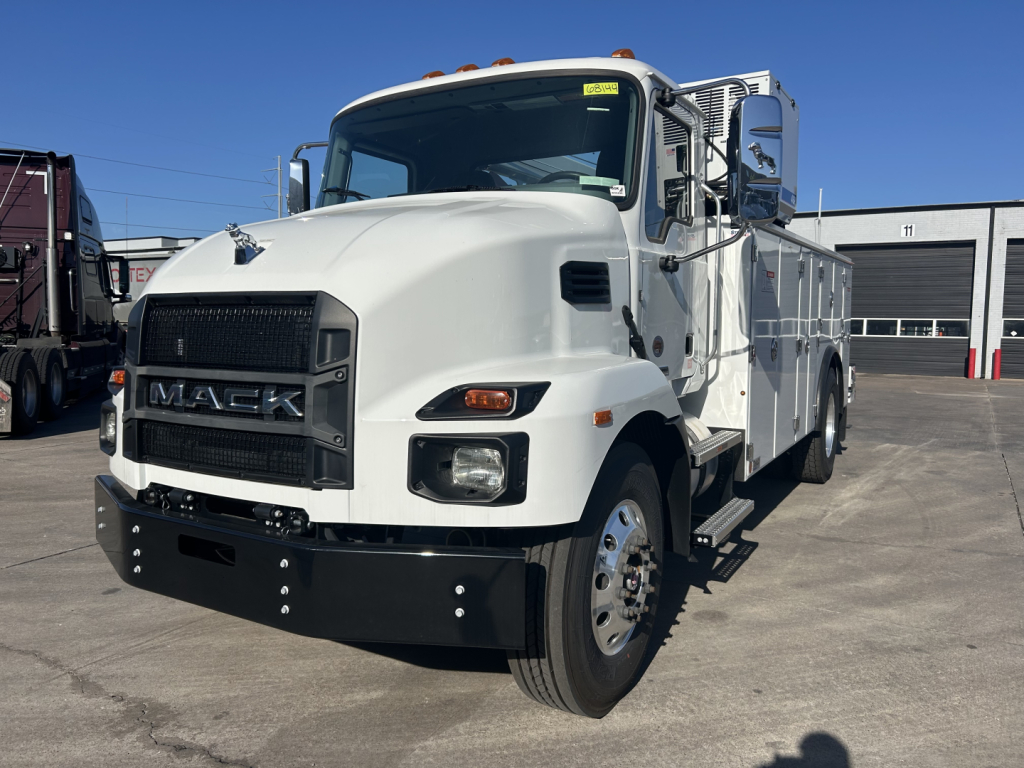
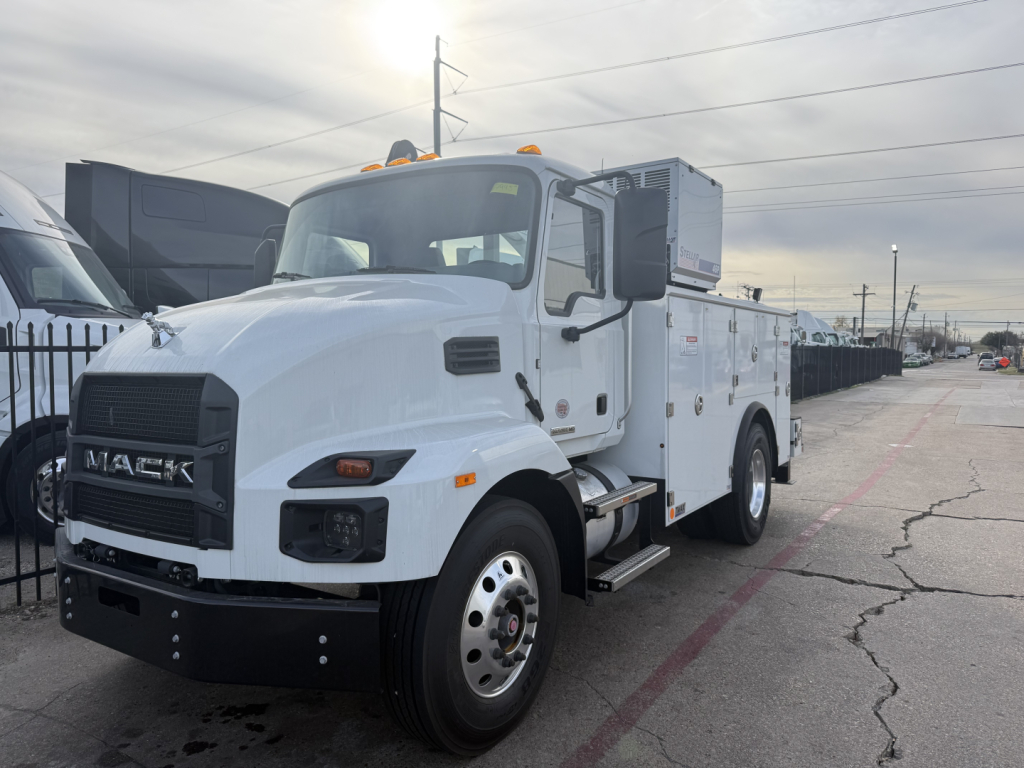
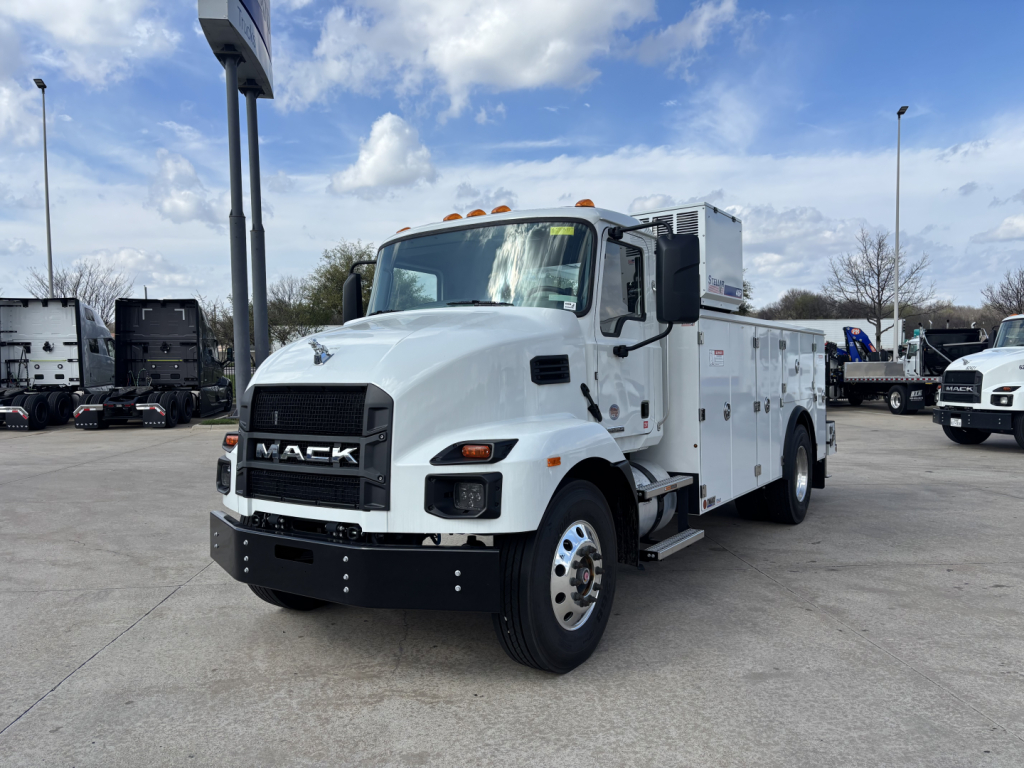
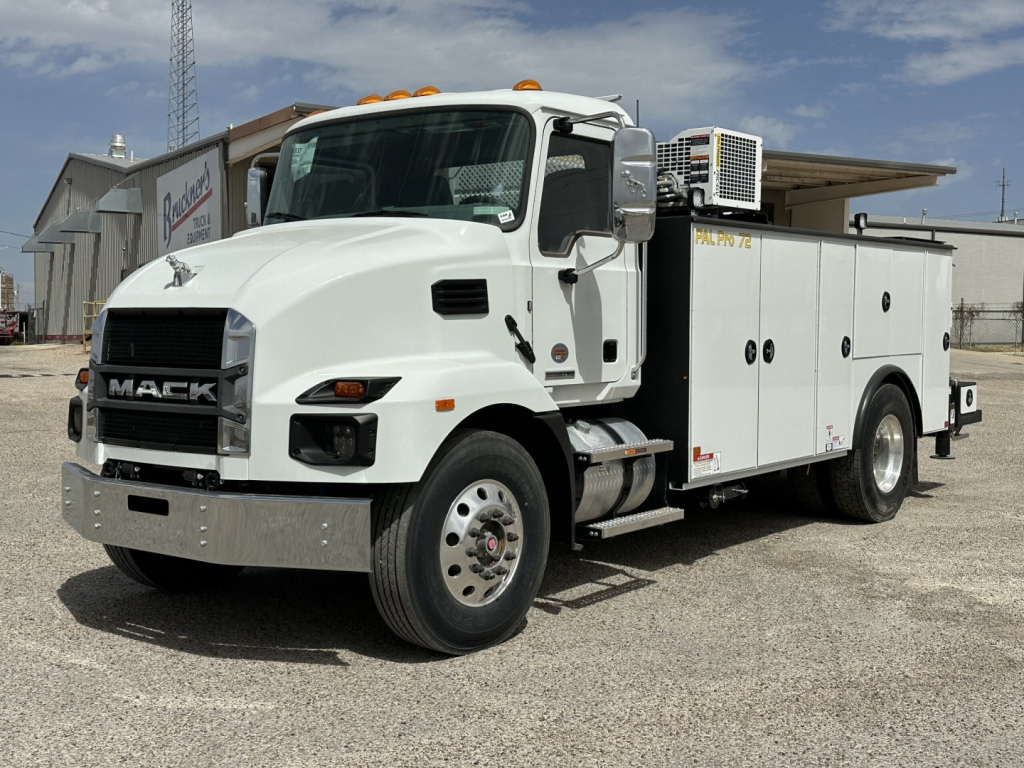
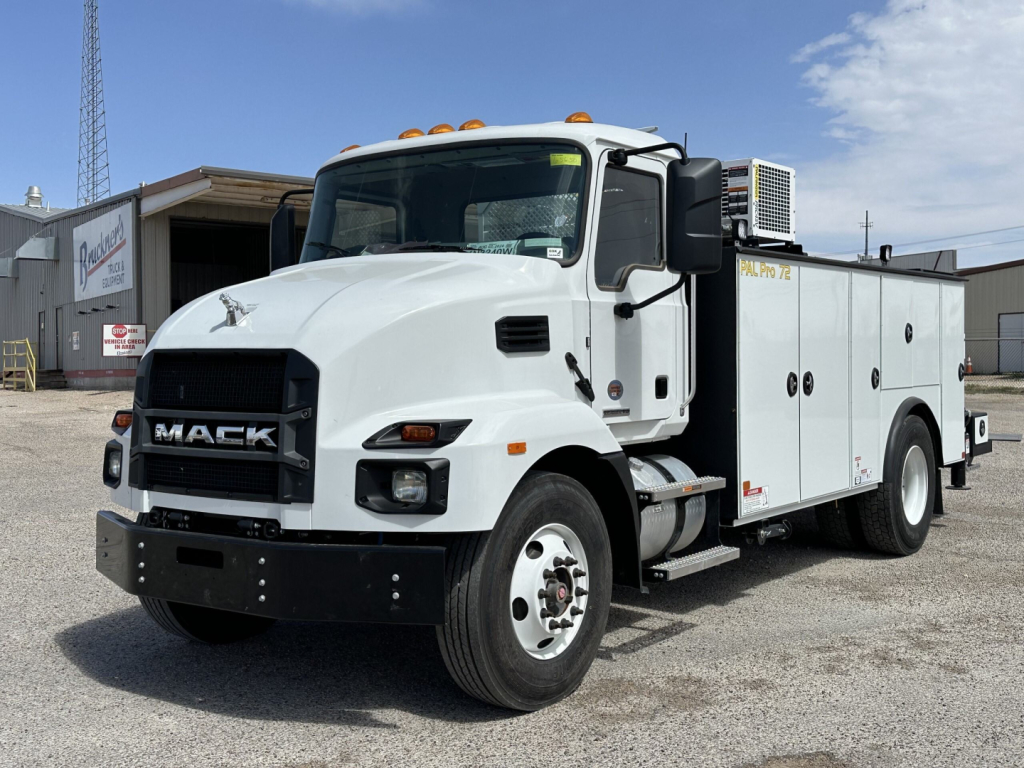
A buyer should start with chassis rating and body-crane balance. Mack MD6 and MD7 service trucks are often paired with the Cummins ISB 6.7L around 300 hp and an Allison automatic, a combination that is widely accepted in fleet service because it is straightforward to operate and well suited to PTO-driven auxiliary equipment. Front and rear axle ratings, wheelbase, rear suspension, and frame reinforcement all matter because they determine how well the truck handles a crane, compressor, welder, lube system, or a fully loaded mechanics body. Common upfits in this class include Stellar, Palfinger, and Auto Crane bodies with crane ratings around 60,000 to 62,000 ft-lb and vertical lift capacities in the 10,000 to 12,000 lb range, depending on the setup.
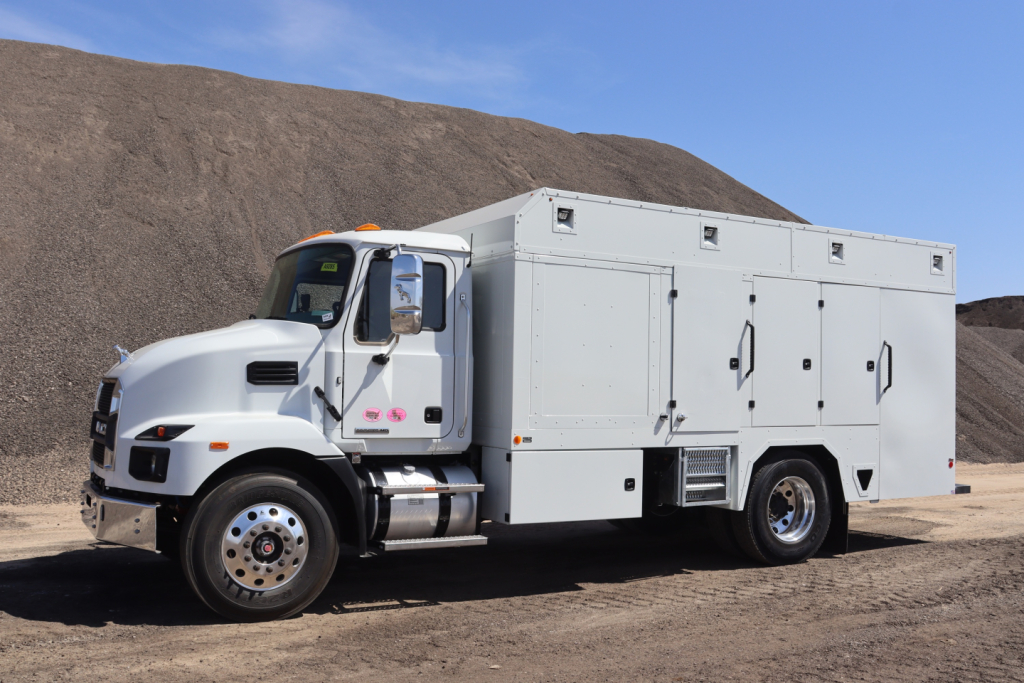
Body layout is just as important as the truck spec. A good service body should have usable compartment depth, practical shelving, strong door seals, and enough deck space for parts, hose reels, bottles, and jobsite equipment. Buyers should pay attention to compressor type, crane remote controls, stabilizer design, lighting package, tie-down points, and winch bumper options if the truck will be used for off-road equipment support. Air-ride rear suspension can improve ride quality and help protect tools and components, while differential locks and axle ratio selection affect low-speed jobsite mobility and startability when the body is fully loaded.
For fleet buyers comparing new 2025 Mack service trucks, the real decision is how the truck will work in the field for the next several years. Non-CDL configurations can widen the driver pool, but payload and crane capacity still need to match the actual service call. Utility trucks in this class are often used by diesel repair operations, heavy equipment dealers, pipeline contractors, paving crews, and public works departments because they combine medium-duty maneuverability with true mechanic truck capability. A well-matched Mack service truck should deliver stable crane performance, efficient storage, dependable PTO operation, and a chassis that can stand up to daily stop-and-go duty on mixed pavement and jobsite terrain.
Frequently Asked Questions about New 2025 Mack Service/Utility Trucks
What is the difference between a Mack MD6 and MD7 service truck?
The main difference is chassis capacity. A Mack MD6 is typically used when a buyer wants a lighter medium-duty platform, often with an under-CDL target, while the MD7 provides more GVWR headroom for heavier bodies, cranes, compressors, and tool loads. In a service truck application, that extra capacity can matter when the truck carries a full mechanics body, a large air compressor, welding equipment, fluids, and crane-related structural reinforcement.
Can a new Mack service truck be spec'd as a non-CDL unit?
Yes, many Mack service and utility trucks in this class are intentionally de-rated or spec'd to remain under CDL thresholds. This is common on MD6 and some MD7 builds with 11-foot mechanics bodies and moderate crane packages. A non-CDL spec can simplify staffing and training, but buyers still need to verify payload, axle ratings, body weight, and crane capacity so the truck remains compliant and useful once fully equipped.
What crane size is common on a 2025 Mack service truck?
A common range is around 60,000 to 62,000 ft-lb, with vertical lift ratings often near 10,000 to 12,000 lb depending on the manufacturer and configuration. That size is popular because it gives a service truck enough lifting ability for field repairs, components, and attachments without pushing the chassis beyond a practical medium-duty setup. Buyers should compare crane reach, rotation, boom elevation range, remote operation, and outriggers, not just the headline rating.
What should buyers look for in a mechanics body on a Mack utility truck?
The best mechanics body is the one that matches the work pattern. Key details include compartment size and layout, drawer and shelving options, crane reinforcement, compressor integration, hose reel placement, work lighting, tie-down points, and bumper or receiver options. Buyers should also check for weather sealing, corrosion protection, and whether the body leaves enough deck space for parts and equipment used on daily service calls.
Why are Cummins ISB 6.7 and Allison automatic transmissions so common in this category?
That powertrain combination is common because it is proven in medium-duty vocational service, easy for multiple operators to drive, and compatible with the PTO demands of service truck upfits. Around 300 hp is a typical target because it supports urban driving, regional travel, and jobsite operation without overcomplicating the spec. For many fleets, the value is in predictable drivability, service familiarity, and a setup that works well with cranes, compressors, and mechanic body applications.