
Mack Service/Utility Trucks For Sale
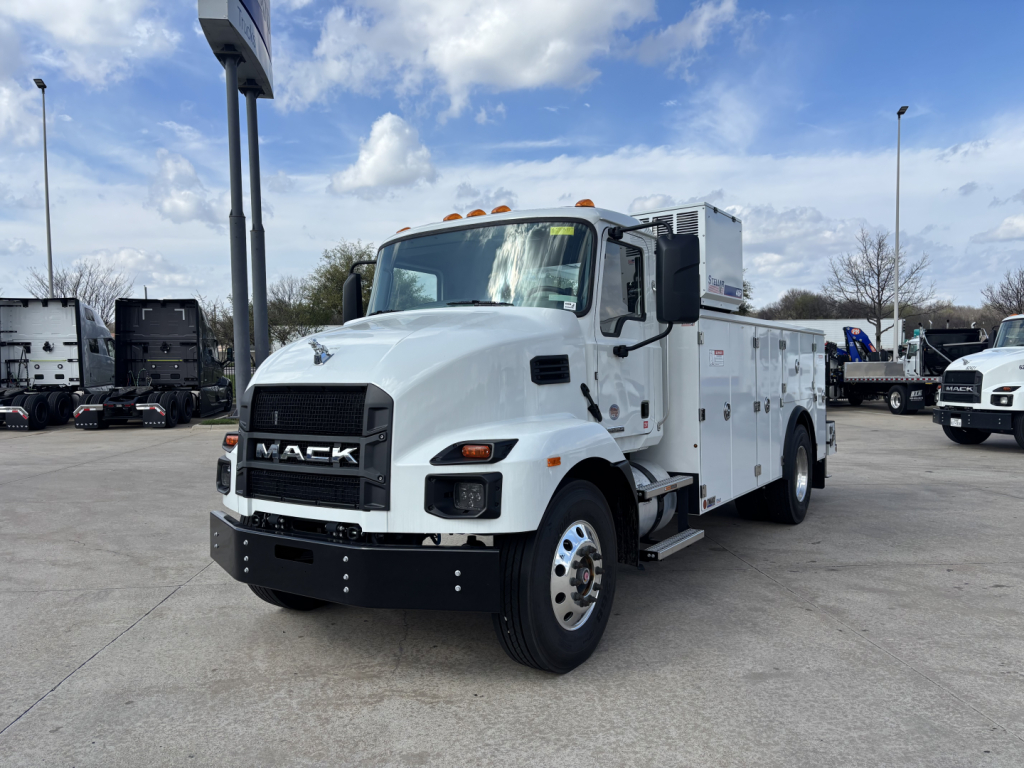
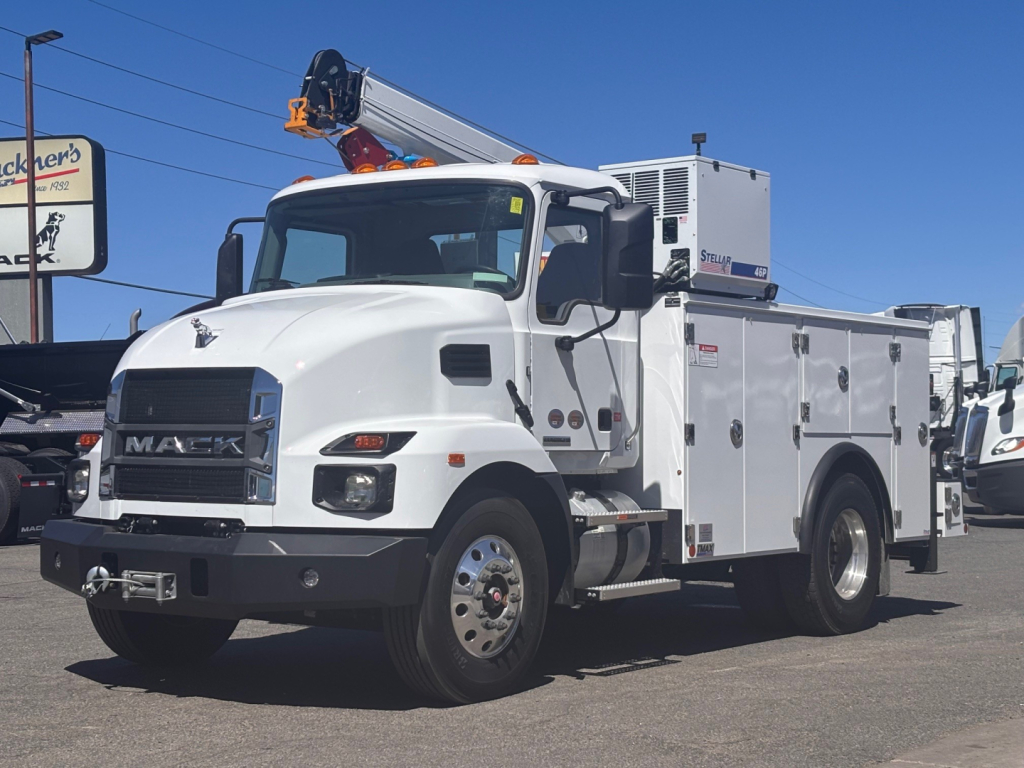
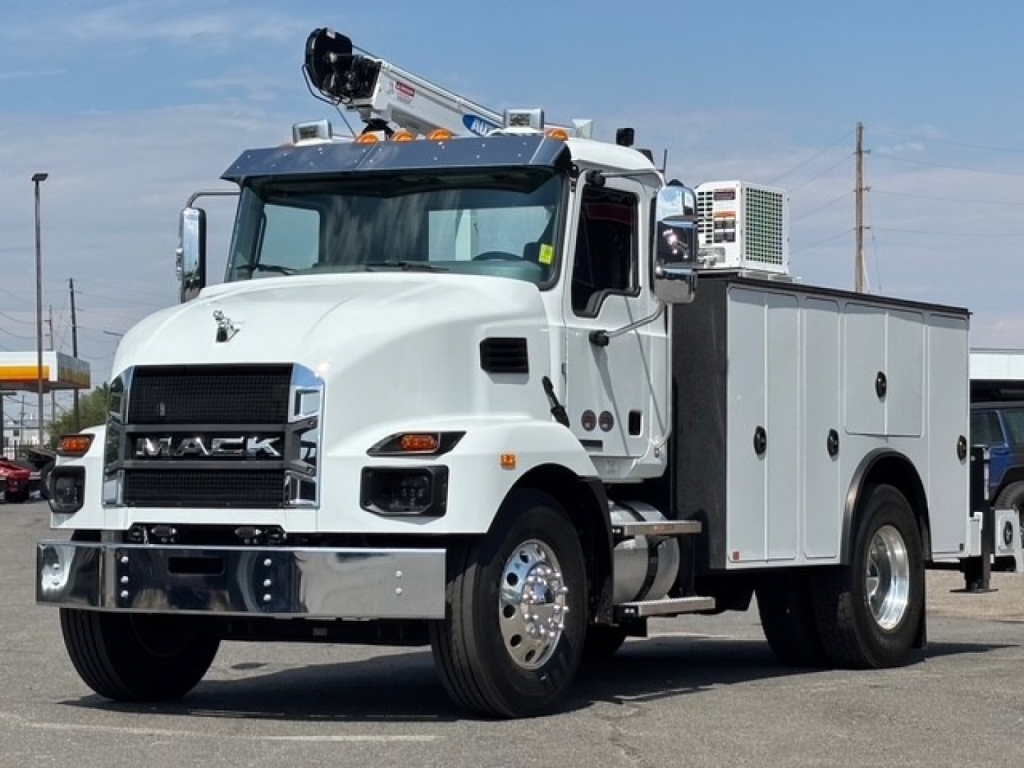
Shop Mack service and utility trucks with mechanic bodies, cranes, lube systems, and Class 6-7 specs built for field repair and fleet support.

Selling a mack service/utility truck? List your mack service/utility truck for sale and reach thousands of commercial buyers.
Mack Service/Utility Trucks
The chassis spec is a big part of the buying decision. Many Mack service trucks in this class use the Cummins ISB 6.7 engine rated around 300 horsepower, backed by an Allison automatic such as a 2500 RDS or 3000 RDS. That combination is popular because it is familiar to most fleet shops, easy to operate, and well suited for stop-and-go vocational work. Rear axle ratings often fall in the 19,000 to 21,000 pound range, with front axles around 10,000 to 12,000 pounds. Suspension choice matters depending on the body and crane package. Spring suspension is simple and durable for severe service, while air spring rear suspension can improve ride quality and stability for service bodies carrying expensive tools, compressors, fluids, and parts.
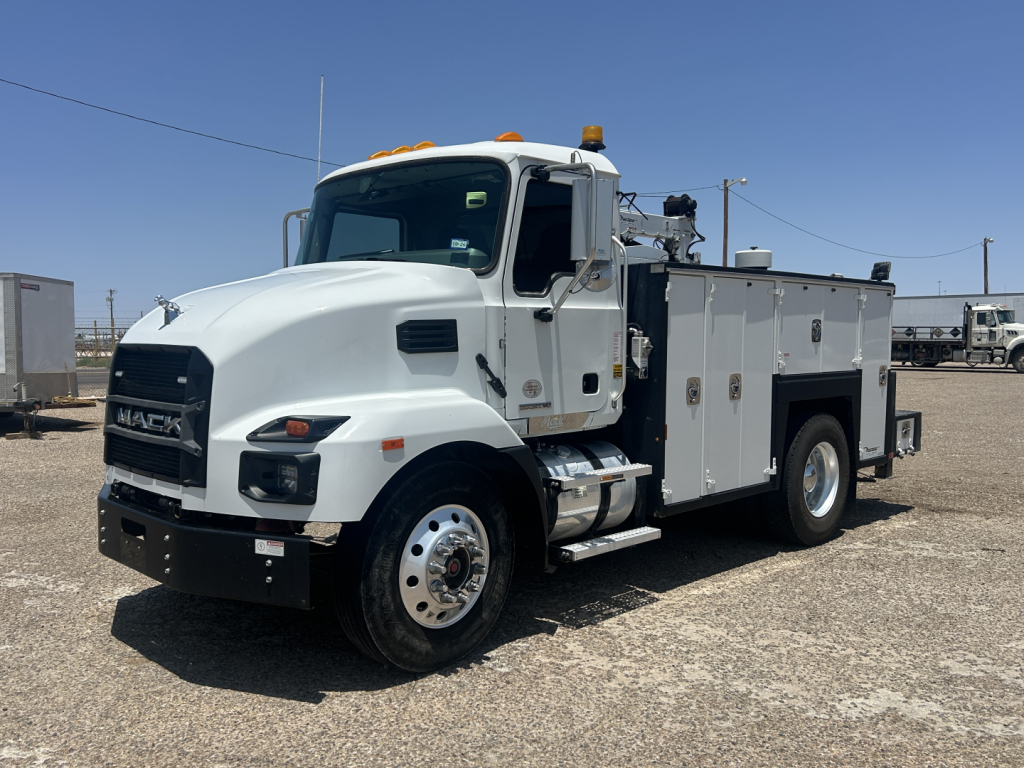
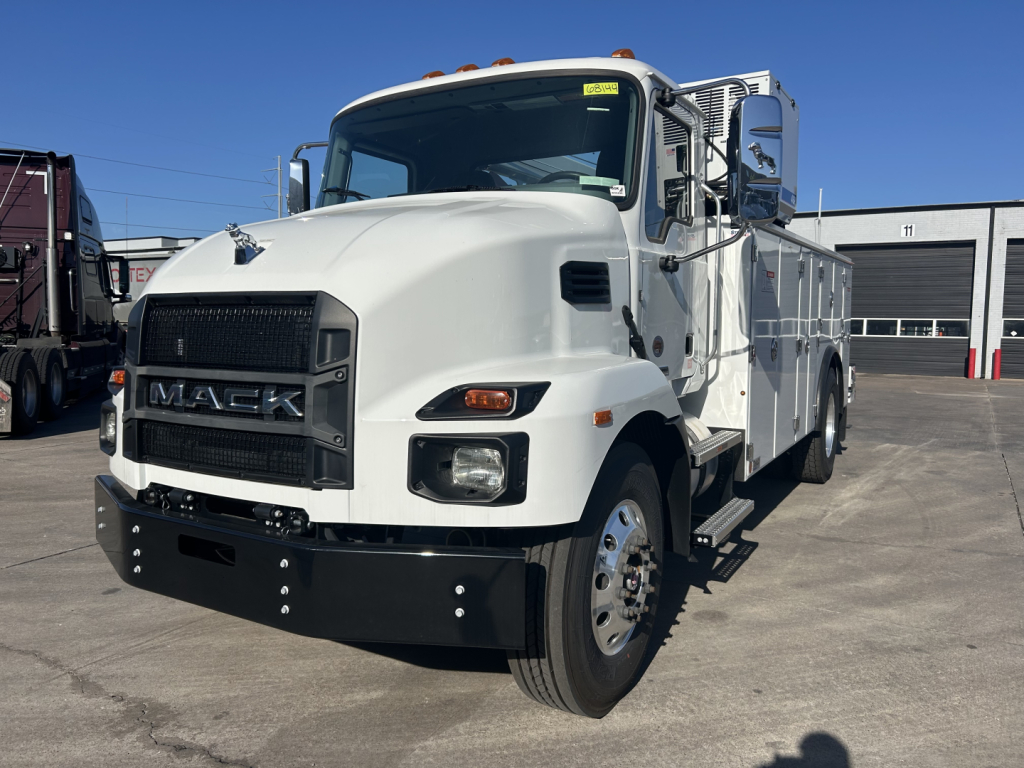
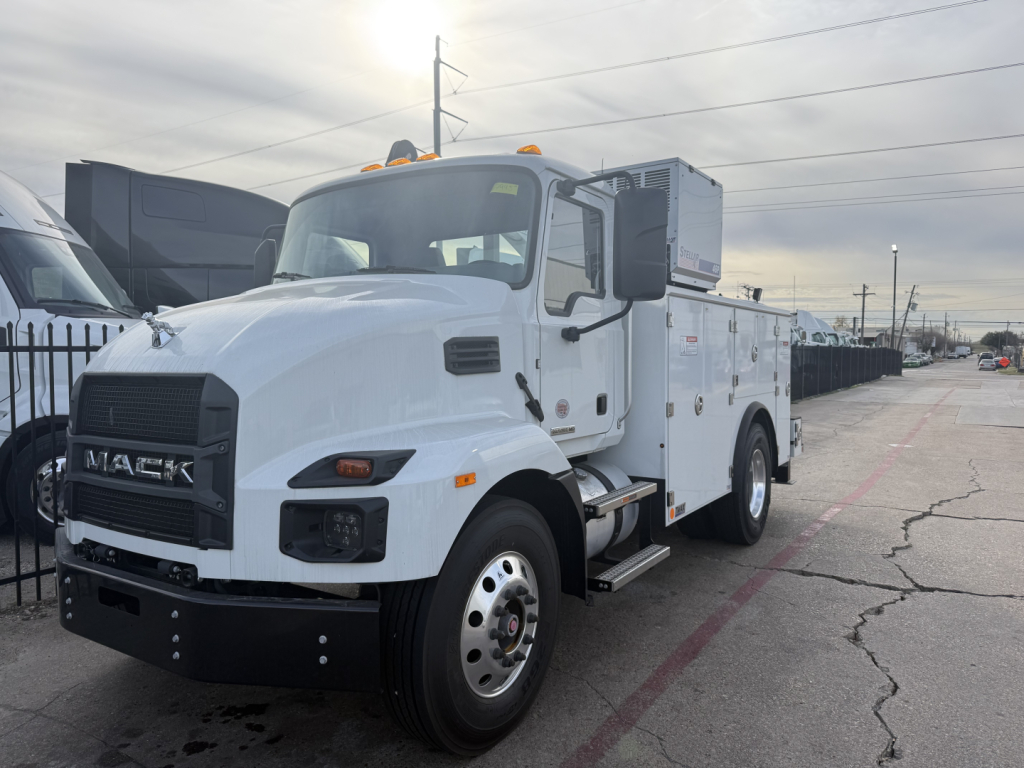
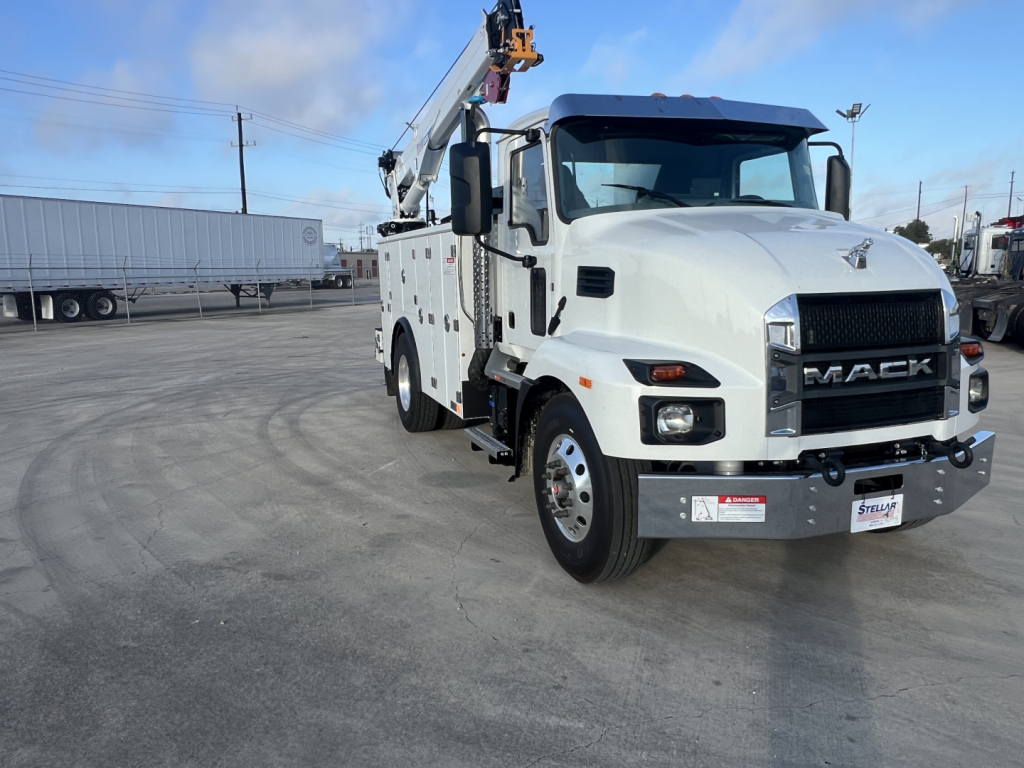
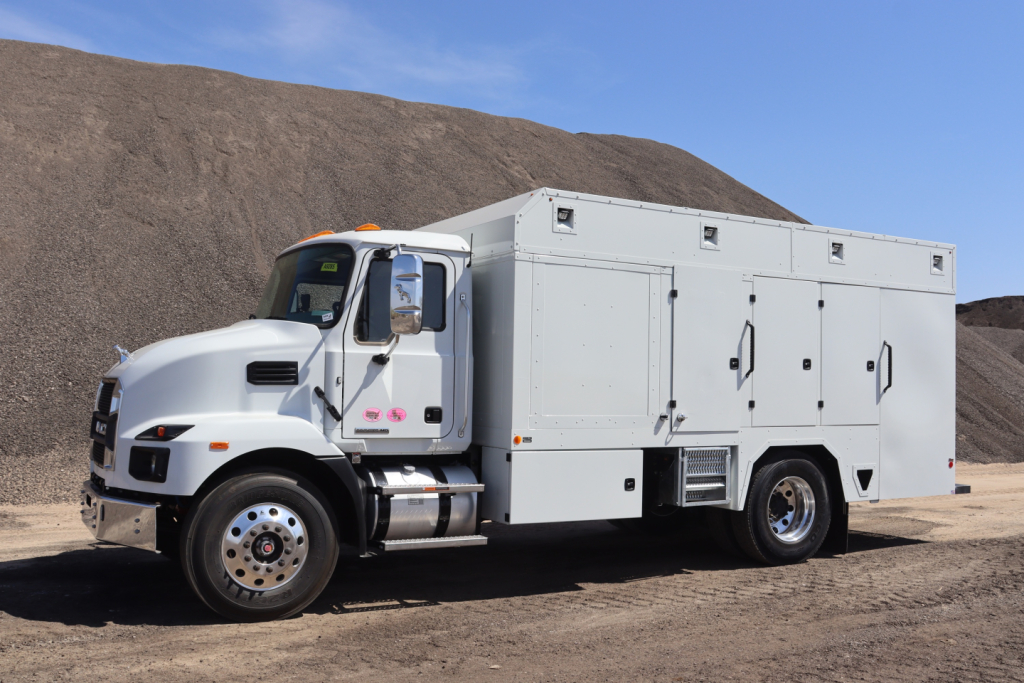
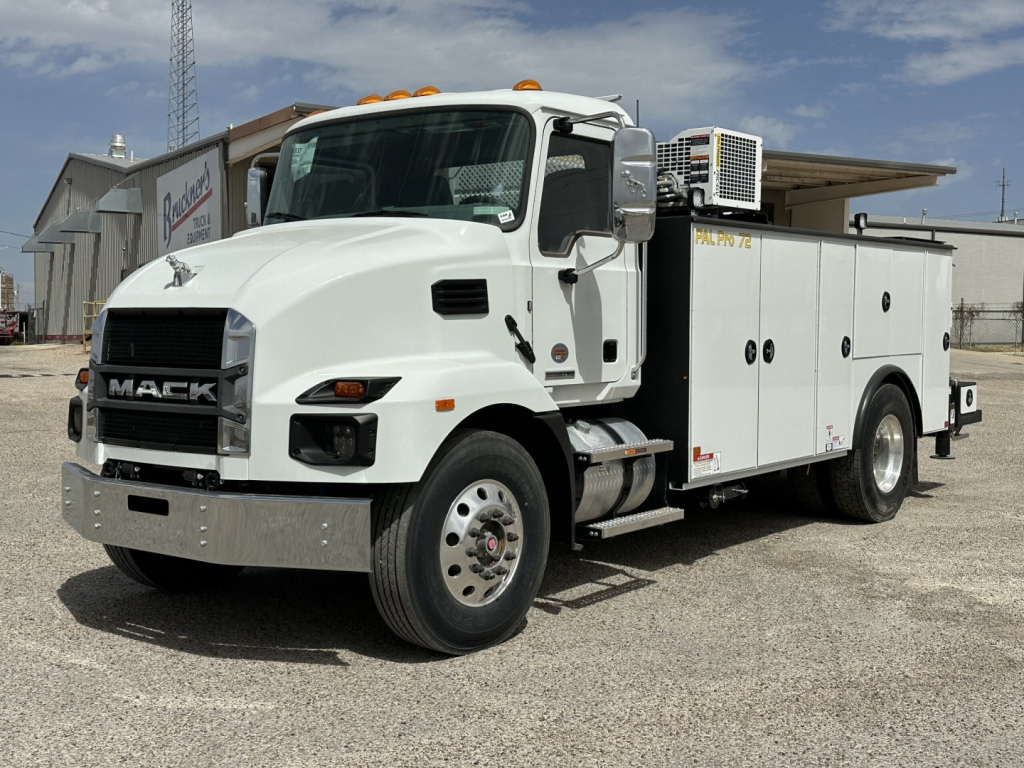
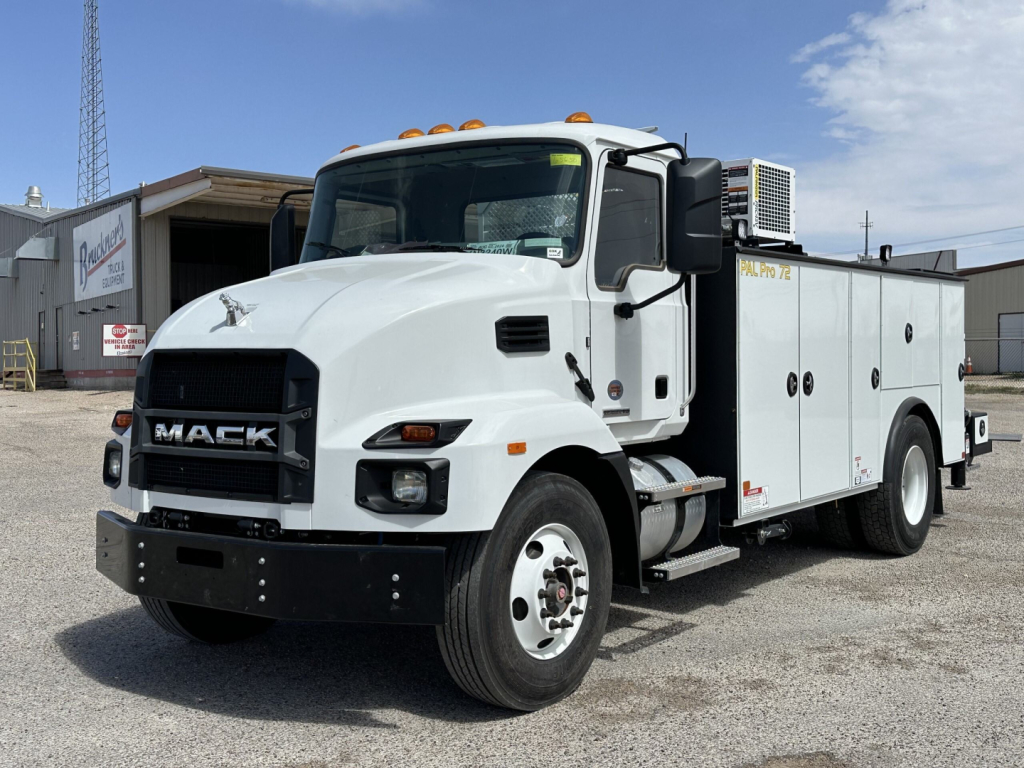
Body equipment is where these trucks become highly application-specific. A mechanic service body may include a telescopic service crane with capacities measured in foot-pounds, hydraulic outriggers, a PTO-driven hydraulic system, air compressor, hose reels, compartment lighting, pressurized cabinets, and underbody storage. Crane specs deserve close attention, especially maximum lift at short radius, horizontal reach, vertical lift, line speed, rotation, and overload protection features. Lube and maintenance trucks are configured differently, often with multiple fresh fluid tanks, used oil recovery, grease systems, metered dispensing, and compressor-powered or hydraulic-driven reels. The right layout depends on what the truck is servicing in the field, from construction equipment and vocational trucks to generators, pumps, and municipal assets.
A buyer comparing Mack utility and service trucks should look beyond the make and model to payload after upfit, axle balance, body manufacturer, and serviceability of the finished package. A non-CDL Class 6 build can be attractive for broader driver eligibility, but crane, tank, and tool load can quickly eat into available payload. It also pays to confirm PTO setup, outriggers, hitch rating, electrical provisions, remote controls, and compartment configuration before purchase. Mack MD service trucks are generally chosen for straightforward vocational packaging, solid visibility, and a medium-duty chassis that can carry a serious upfit without becoming cumbersome on urban routes or crowded jobsites.
Frequently Asked Questions about Mack Service/Utility Trucks
What is the difference between a Mack MD6 and Mack MD7 service truck?
The main difference is weight class and chassis capacity. A Mack MD6 is typically a Class 6 truck and is often spec'd around a 25,995 to 31,000 pound GVWR range depending on the build, while the MD7 is a Class 7 platform that commonly reaches 33,000 pounds GVWR. For service truck buyers, that difference affects payload, crane and body options, fluid capacity, and whether the truck can stay in a non-CDL configuration. If the application includes a heavier mechanic body, larger crane, or more onboard inventory, the MD7 usually gives more room to work with.
What should I check on a mechanic service truck with a crane?
Start with the crane rating in foot-pounds, then verify lift capacity at different radii, maximum horizontal reach, vertical lift, rotation, and line speed. After that, look at outrigger style, PTO and hydraulic pump setup, air compressor output, body compartment layout, and the truck's actual payload after the upfit is installed. It is also important to confirm axle ratings and wheelbase compatibility because a strong crane on an underspec'd chassis can create balance and stability issues. Safety systems such as overload shutdown, anti-two-block protection, and remote controls should also be reviewed closely.
Are Mack service trucks good for lube and mobile maintenance applications?
Yes. Mack MD-series chassis are a strong fit for lube bodies and mobile maintenance builds because they offer medium-duty maneuverability with enough GVWR for tanks, reels, pumps, compressors, grease systems, and used fluid recovery equipment. These trucks are often used by fleet maintenance providers, equipment rental companies, quarries, and construction operations that need preventive maintenance done in the field. The key is making sure the tank package, hose reel layout, and compressor or hydraulic system match the service intervals and fluid volumes your technicians handle each day.
Is air ride or spring suspension better on a service or utility truck?
It depends on the application. Spring suspension is simple, durable, and well suited for severe vocational work where ruggedness and lower complexity matter most. Air ride can improve ride quality, protect sensitive tools and equipment, and help with overall stability on certain body packages, especially trucks carrying high-value service gear or fluid systems. Buyers should match the suspension to the truck's typical terrain, the body manufacturer's recommendations, and the kind of load the truck carries full-time rather than choosing on preference alone.
Can a Mack service truck be spec'd to stay under CDL limits?
Yes, many Mack MD6 service trucks are configured to stay under CDL thresholds, usually at a 25,995 pound GVWR or another non-CDL Class 6 rating where regulations allow. That can make hiring and dispatching easier, especially for service fleets that need more flexibility with drivers. The tradeoff is reduced available payload once the service body, crane, compressor, tools, and fluids are added. Buyers need to look carefully at the completed curb weight and realistic day-to-day load so the truck remains compliant and useful in actual field service.