
Mack Service/Utility Trucks For Sale in Texas
Browse Mack service and utility trucks in Texas with MD6 and MD7 chassis, service bodies, crane options, PTO capability, and fleet-ready specs.

Selling a mack service/utility truck? List your mack service/utility truck for sale and reach thousands of commercial buyers.
Mack Service/Utility Trucks in Texas
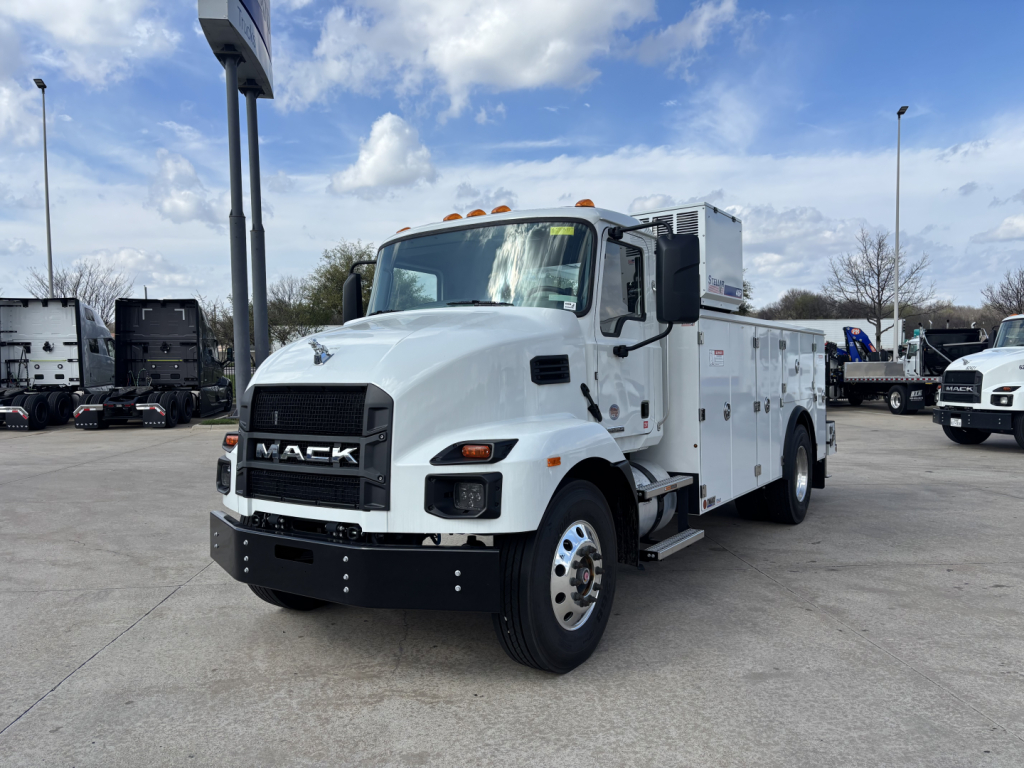
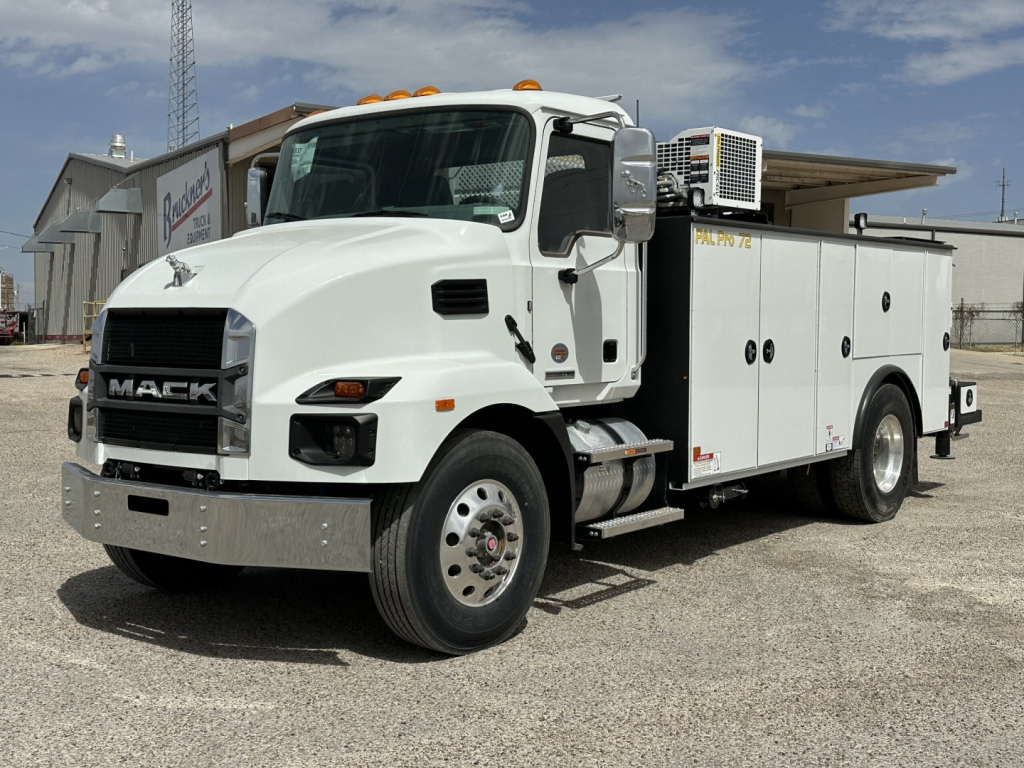
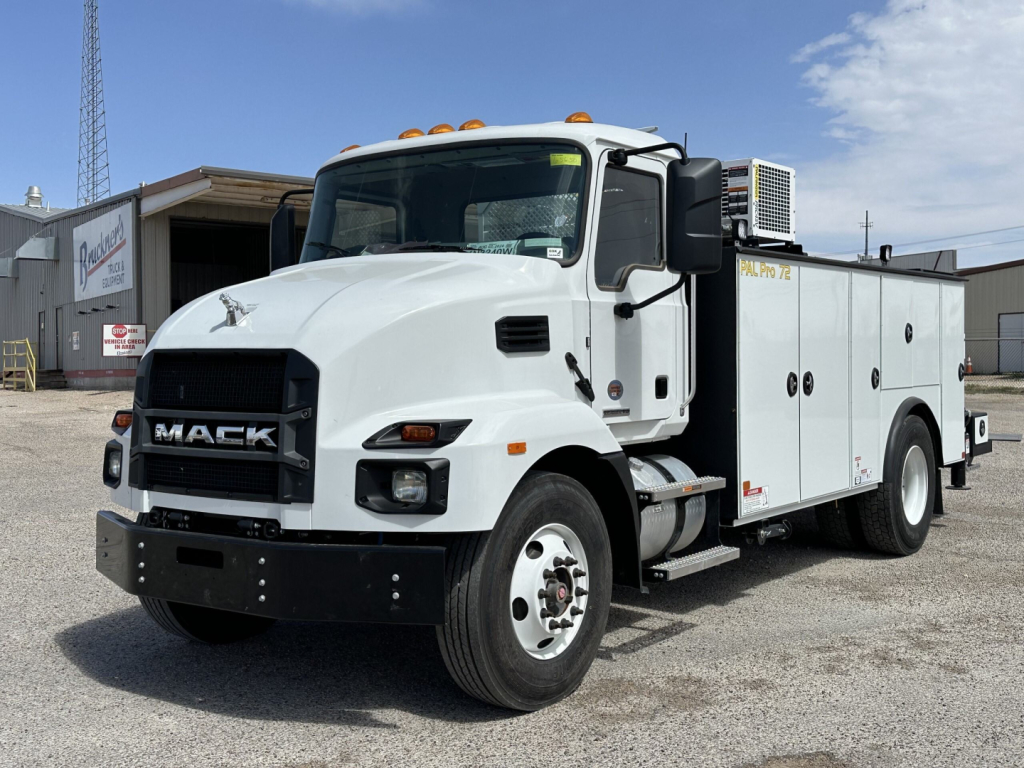
The chassis decision usually starts with body weight and tool load. Mack MD6 models are frequently spec'd around 31,000 lb GVWR and can work well for under-CDL or near-CDL applications, while MD7 trucks step up to 33,000 lb GVWR for heavier bodies, more compartment equipment, and greater reserve capacity. Many Mack service and utility trucks in this class are powered by the Cummins ISB 6.7 with roughly 280 to 300 horsepower, paired with an Allison 2500 RDS automatic. That combination is popular because it is straightforward to service, well suited for stop-and-go vocational use, and compatible with PTO-driven hydraulic systems for cranes, compressors, and reels. Rear axle ratings commonly fall in the 19,000 to 21,000 lb range, with ratios such as 5.29 or 5.57 selected to support low-speed jobsite performance and loaded drivability.
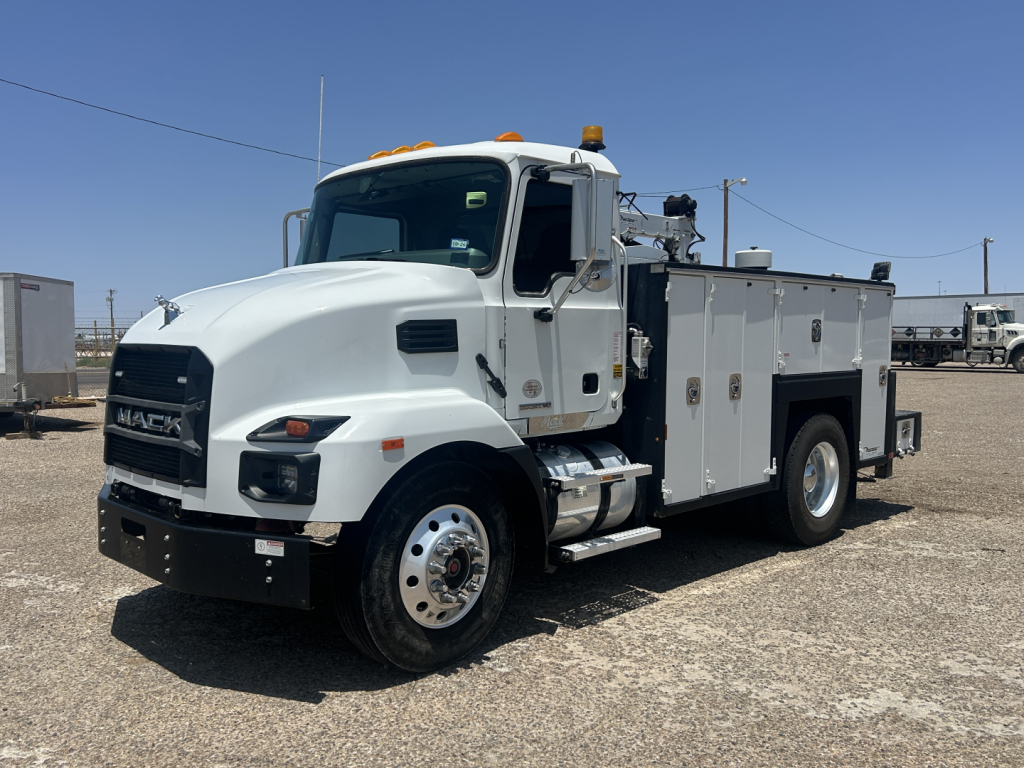
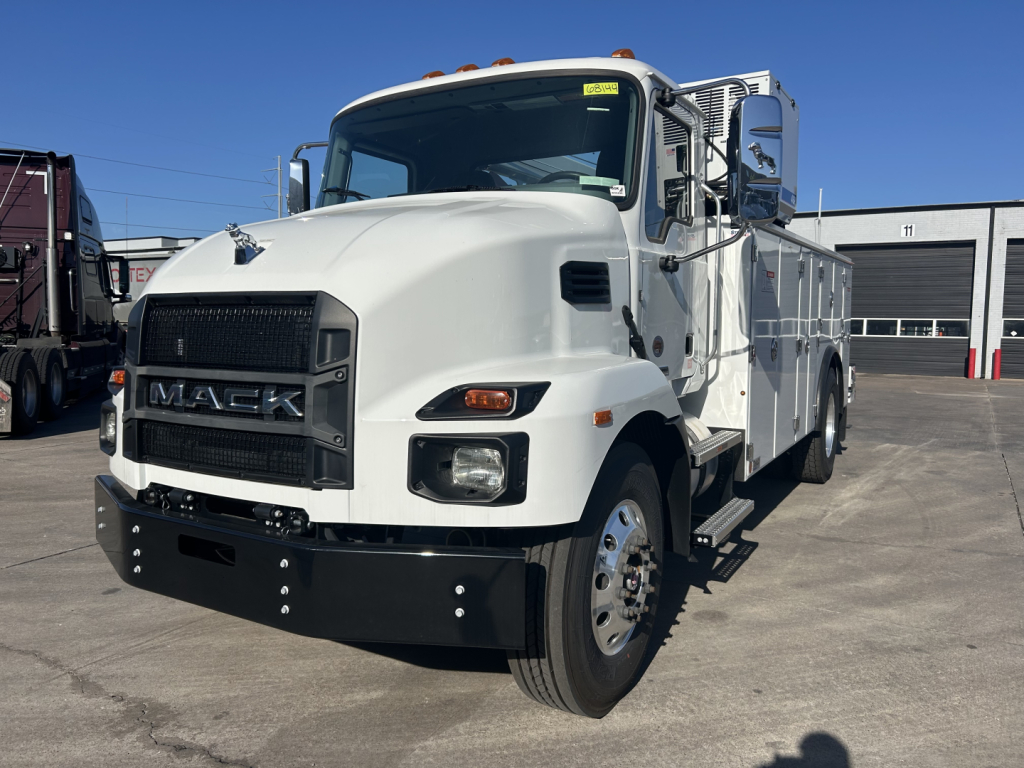
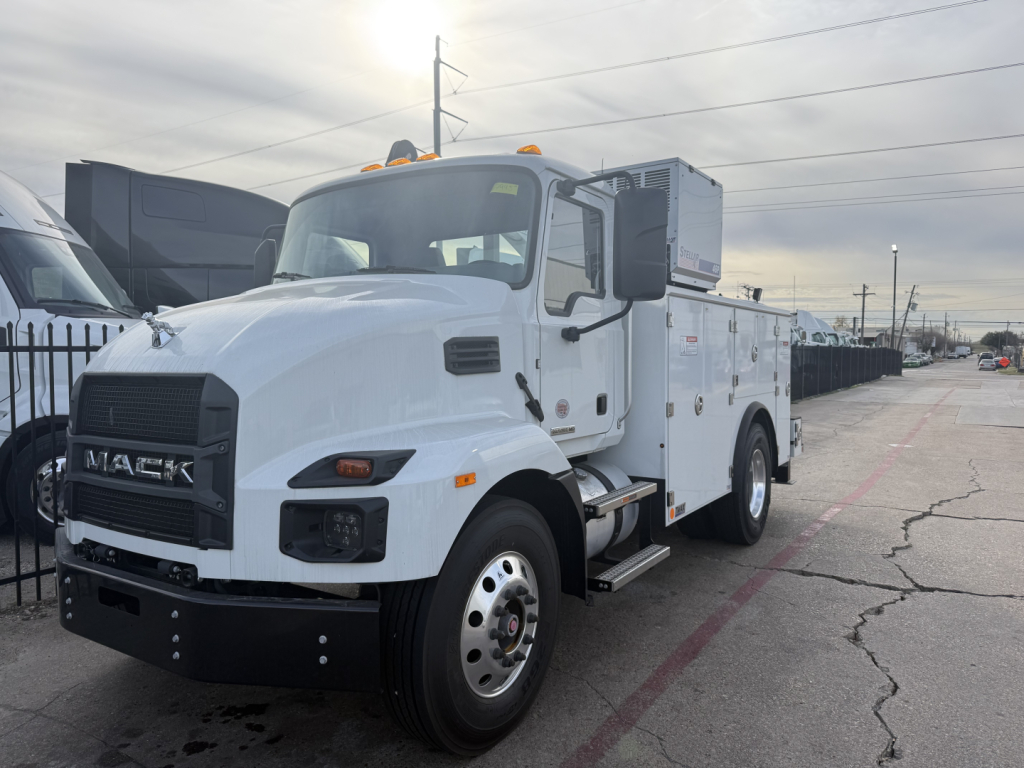
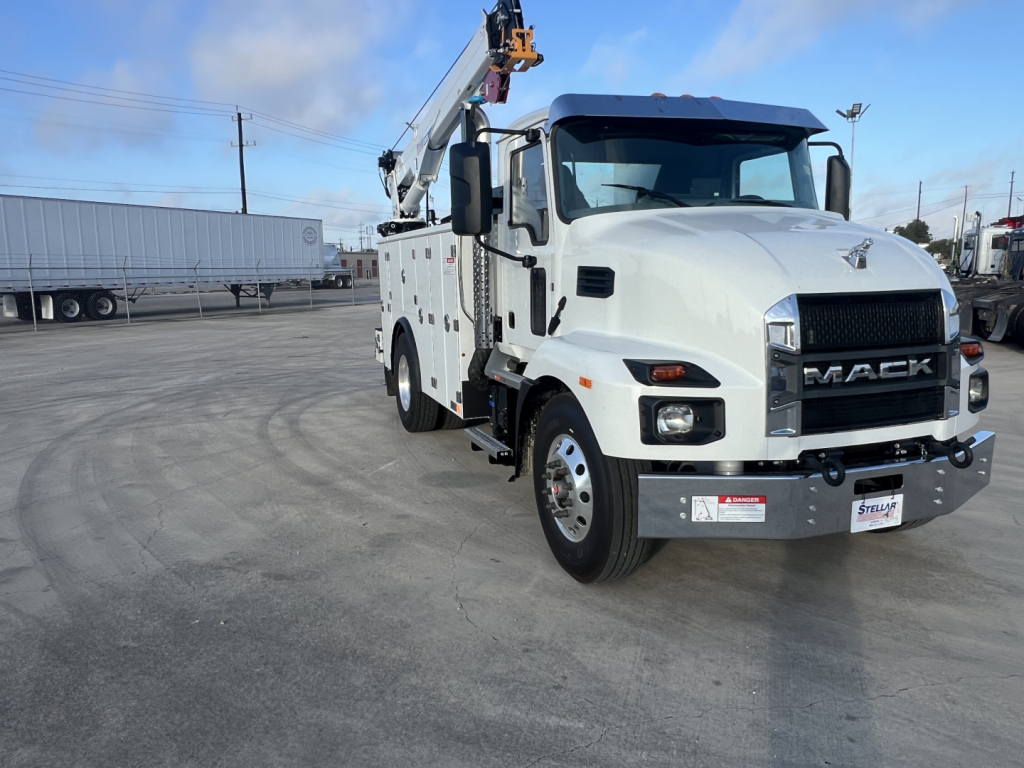
Body equipment is what separates one service truck from another. Buyers should look closely at crane rating in ft-lbs, horizontal reach, outrigger configuration, compressor output, hydraulic reservoir size, reel placement, compartment layout, and whether any compartments are pressurized for sensitive tools. A mechanic body with a telescopic crane, hydraulic air compressor, remote controls, LED compartment lighting, backup camera, receiver hitch, and PTO-driven pump can serve oilfield support, construction fleets, equipment dealers, municipalities, and utility contractors. In Texas, heat, dust, and long travel distances also make practical details more important, including spray-lined cargo areas, durable compartment seals, reliable HVAC, and suspension choice. Air-ride rear suspension can improve ride quality and reduce vibration to tools and equipment, while spring suspension remains a familiar option for harder vocational use.
A good Mack utility truck should be evaluated as a complete package, not just a chassis with a body mounted on it. Check payload after body installation, confirm axle weights against crane and compressor specs, and make sure the wheelbase supports your compartment access and stability requirements. If towing is part of the plan, verify hitch rating, trailer plug configuration, and how tongue weight affects rear axle loading. For fleets standardizing technicians across Texas, Mack MD service trucks are attractive because they offer a familiar medium-duty platform, practical cab ergonomics, and the ability to spec a service body for anything from general maintenance to heavier field repair work.
Frequently Asked Questions about Mack Service/Utility Trucks in Texas
What is the difference between a Mack MD6 and MD7 service truck?
The main difference is capacity. A Mack MD6 service truck is commonly spec'd around 31,000 lb GVWR, while the MD7 typically moves up to about 33,000 lb GVWR with higher front axle ratings and more room for heavier body packages. For a buyer, that usually means the MD6 fits lighter mechanic bodies and tighter operating requirements, while the MD7 gives more margin for cranes, compressors, larger tool loads, and heavier daily use.
What engine and transmission are common in Mack service and utility trucks?
A very common setup is the Cummins ISB 6.7 diesel paired with an Allison 2500 RDS automatic transmission. This combination is widely used in medium-duty vocational trucks because it provides dependable power, simple operation for multiple drivers, and PTO compatibility for hydraulic equipment. In service truck applications, that matters because cranes, air compressors, and hydraulic systems depend on a drivetrain that can support body integration without adding unnecessary complexity.
What should I look for in a mechanic or utility body on a Mack chassis?
Start with the actual work the truck needs to do each day. Crane capacity, outrigger design, compartment volume, compressor output, hydraulic reservoir size, remote controls, and reel layout all affect jobsite productivity. Buyers should also check body builder reputation, service body material thickness, compartment security, lighting, liner protection, and how the mounted equipment changes payload and axle balance. A well-equipped body can raise technician efficiency, but only if the chassis and axle specs still support it legally and safely.
Are Mack service trucks good for Texas field service work?
Yes, Mack service trucks are a strong fit for Texas operations because they are available in practical medium-duty configurations that handle highway travel, urban routing, and jobsite access well. Texas fleets often need a truck that can carry tools, run hydraulic equipment, and cover long distances between calls, and the MD6 or MD7 platform suits that role. Heat, dust, and mixed road conditions make body durability, cooling performance, suspension choice, and secure compartment design especially important when comparing trucks.
How important is rear suspension choice on a Mack utility truck?
Rear suspension choice affects ride quality, equipment protection, and stability under load. Air-ride rear suspension can improve driver comfort and help reduce vibration to tools, parts, and service body equipment, which is useful on longer Texas routes. Multi-leaf or other spring suspension setups are still common in vocational work because they are familiar, durable, and straightforward. The right choice depends on body weight, crane use, road conditions, and how sensitive your onboard equipment is to constant vibration.