
New Mack Service/Utility Trucks For Sale
Shop new Mack service and utility trucks built on MD6 and MD7 chassis with mechanics bodies, cranes, compressors, and fleet-ready specs.
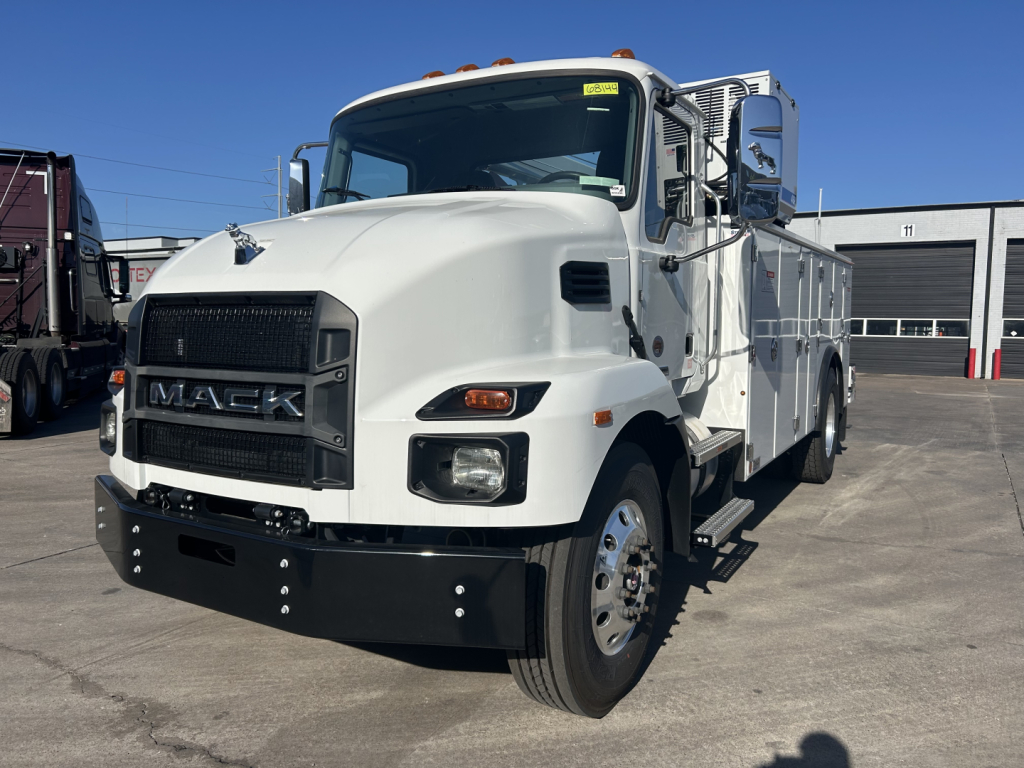
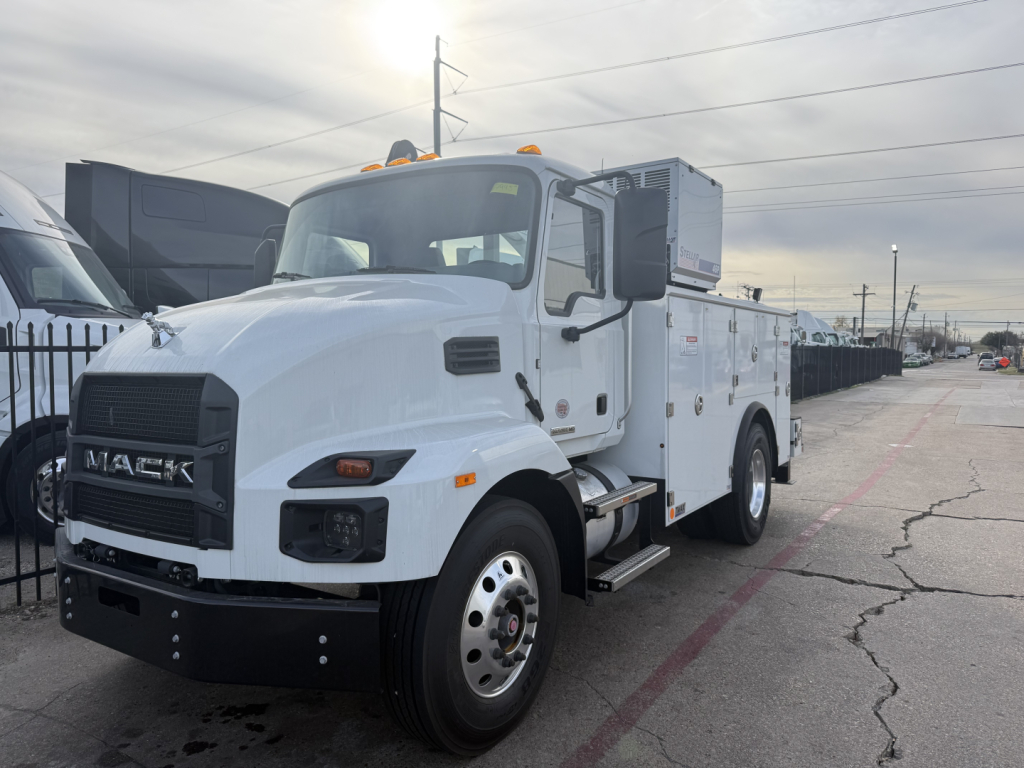
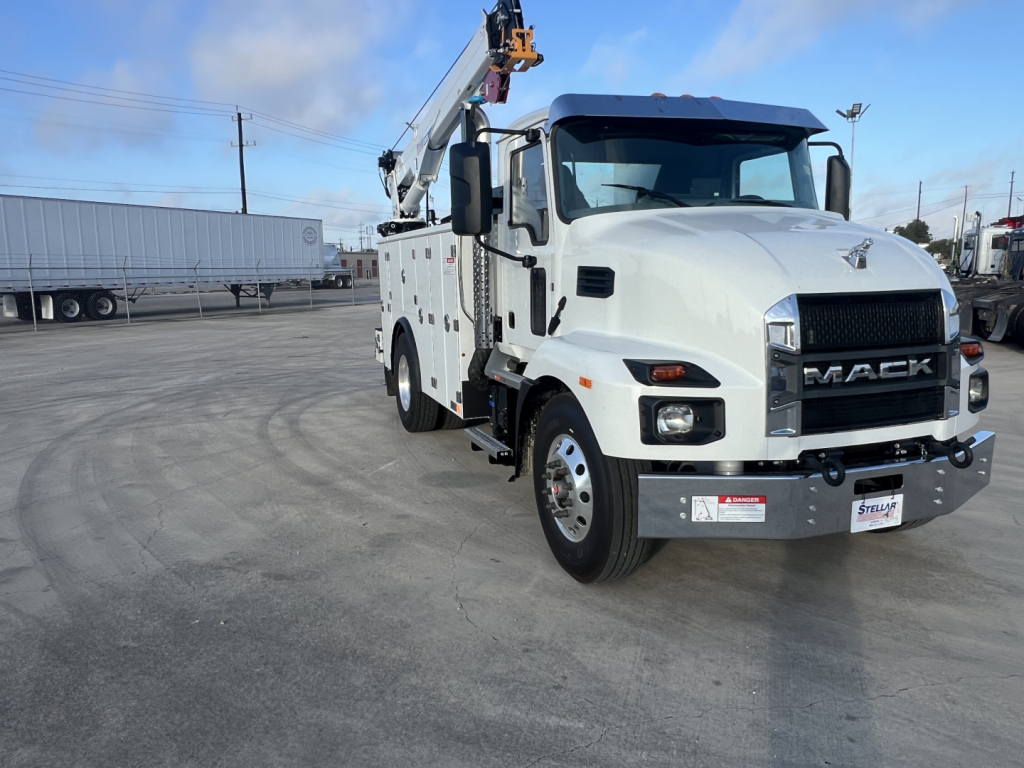
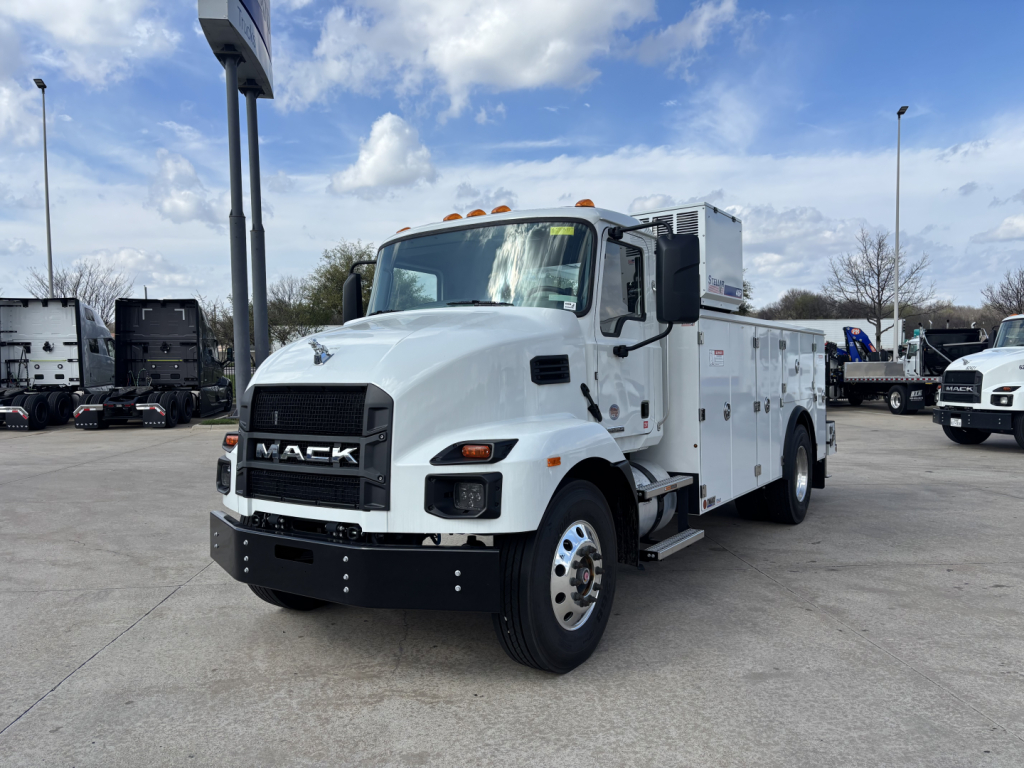
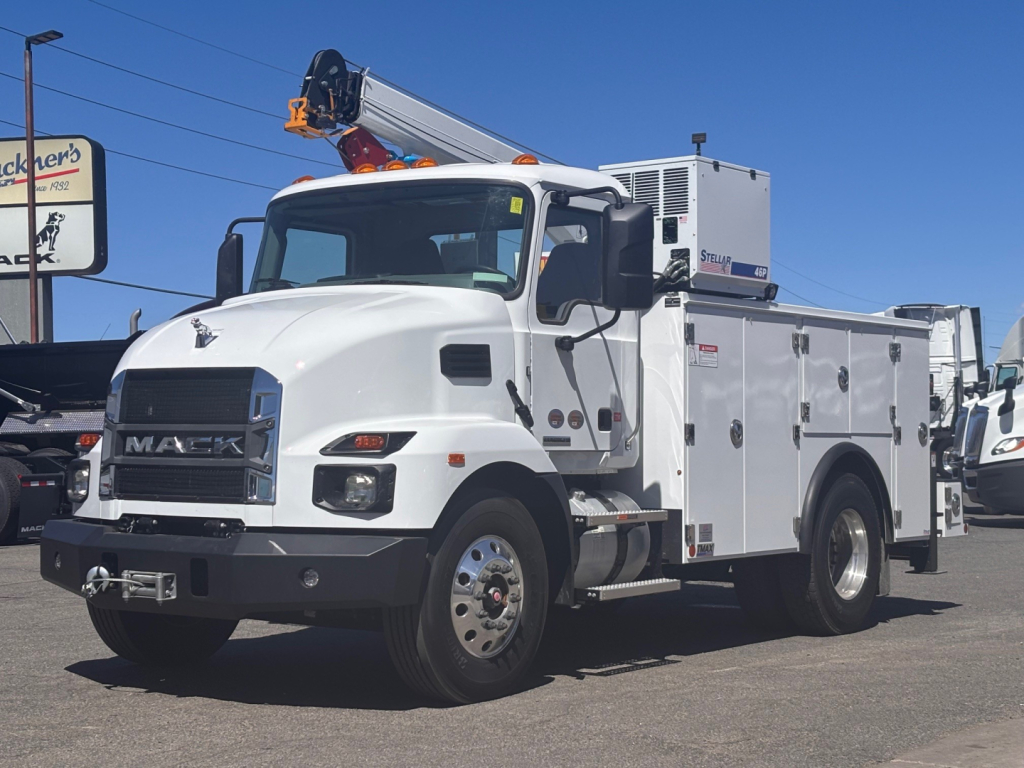
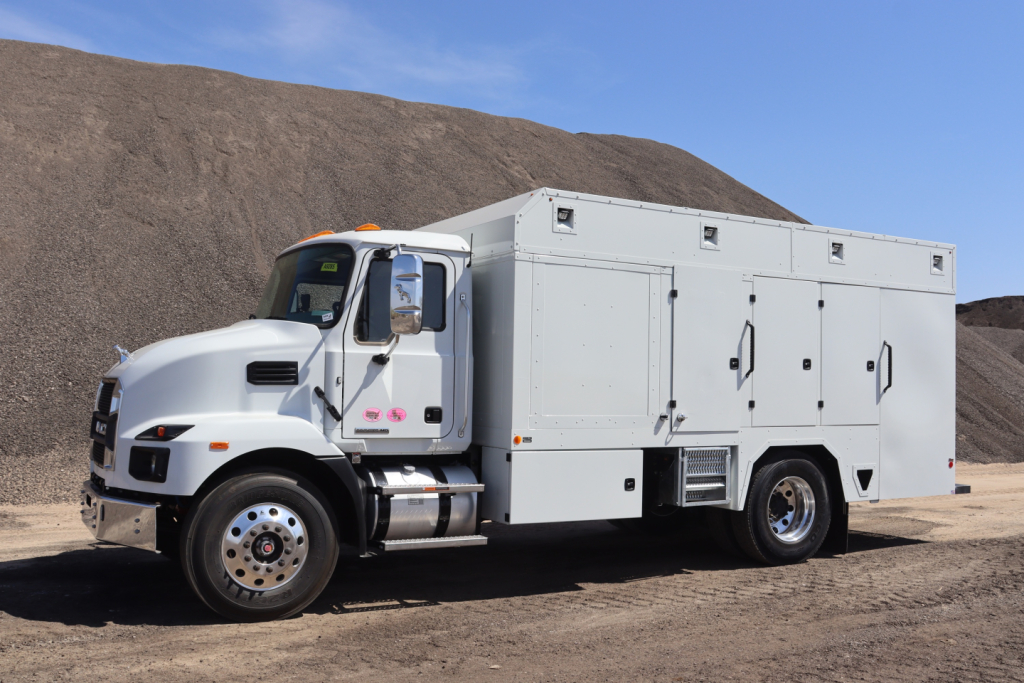
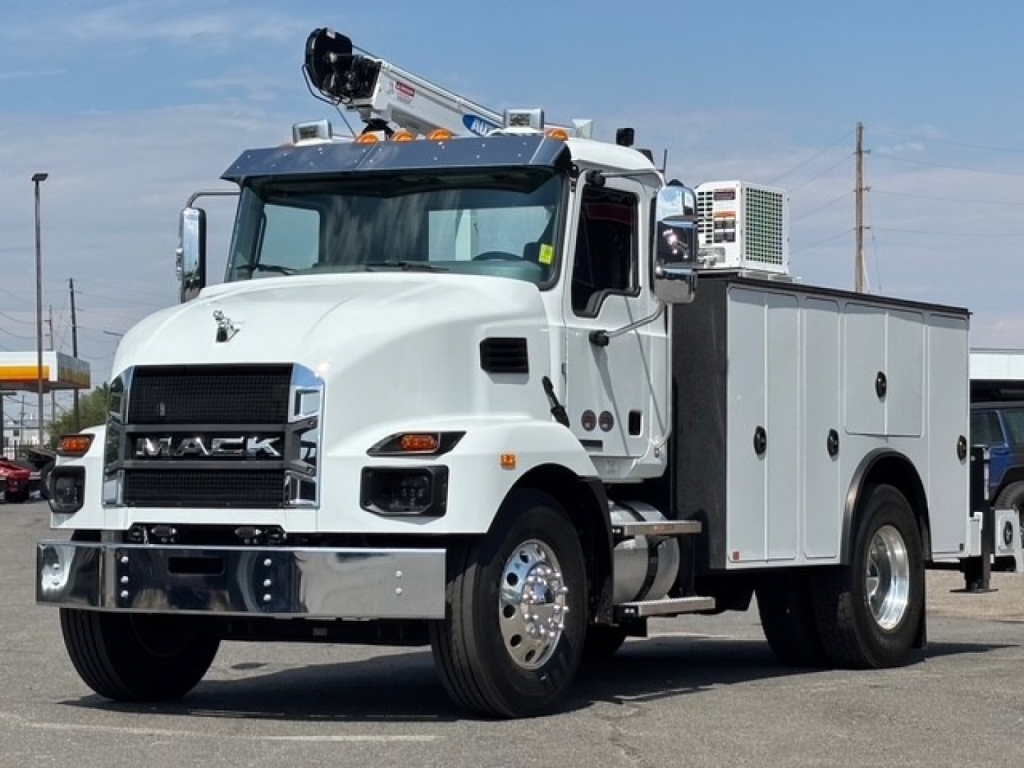
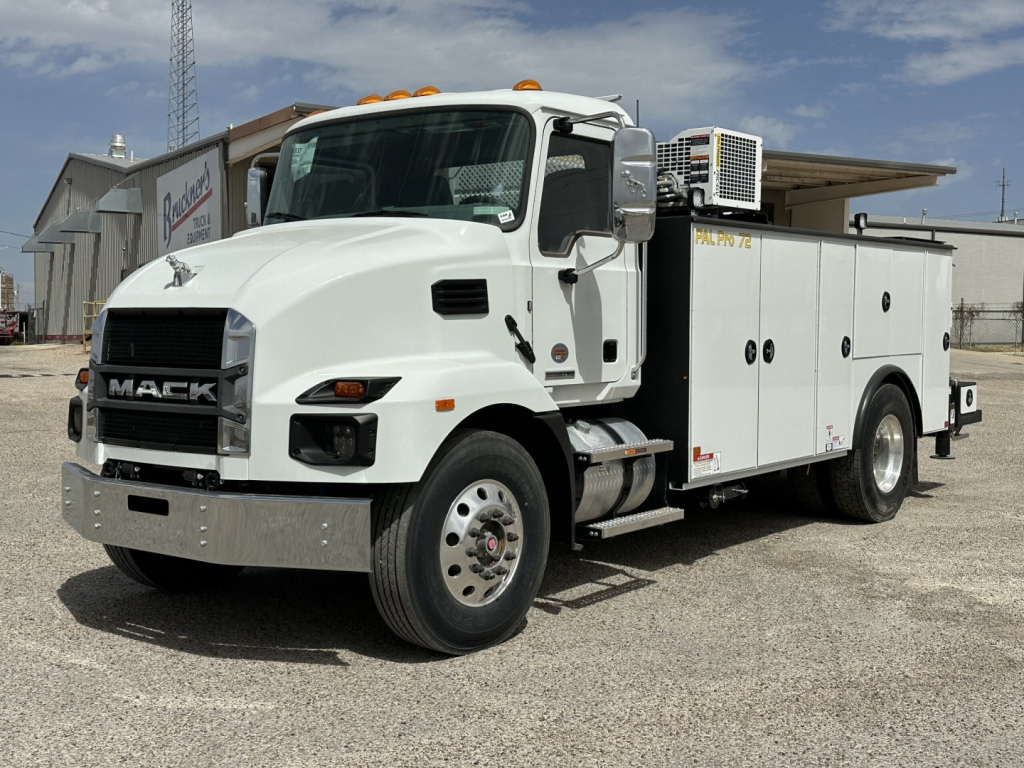
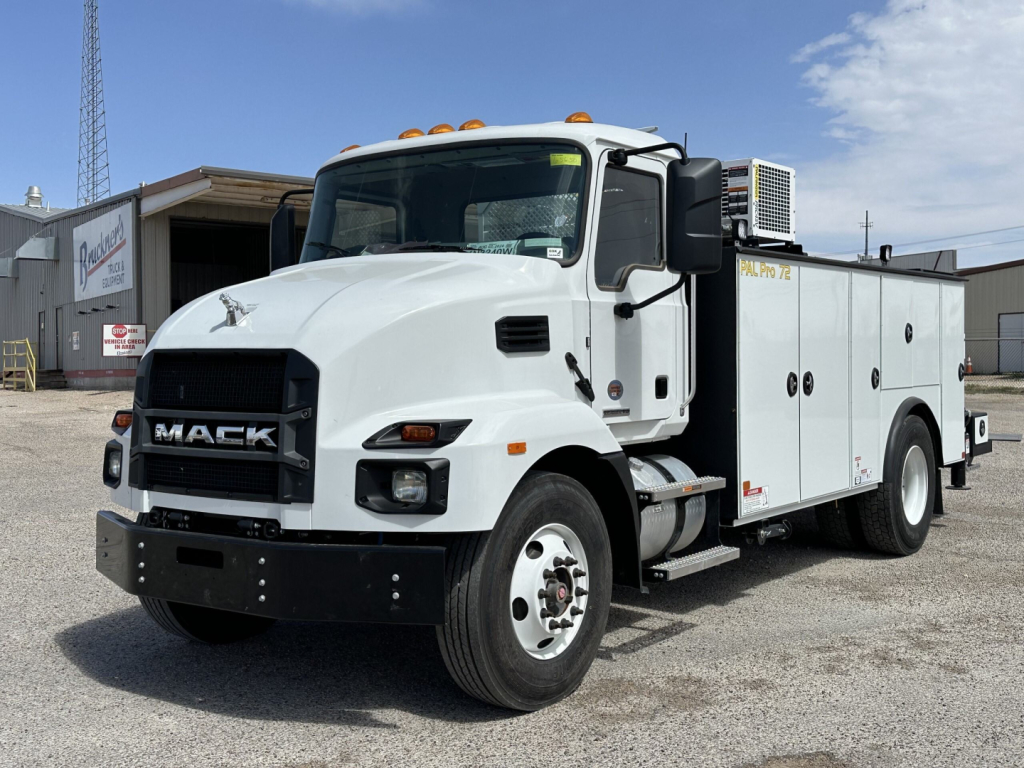

Selling a new mack service/utility truck? List your new mack service/utility truck for sale and reach thousands of commercial buyers.
New Mack Service/Utility Trucks
On new Mack service truck builds, common GVWR ranges fall around 29,000 to 33,000 pounds, with front axle ratings commonly in the 10,000 to 12,000 pound range and rear axles around 19,000 to 21,000 pounds. Wheelbases in the 150-inch to 187-inch range are typical depending on body length and crane package. The MD6 is often chosen for lighter mechanics bodies and lube service applications where maneuverability matters, while the MD7 gives buyers more chassis capacity for heavier crane bodies and denser payloads. Rear suspension choice matters here. Air ride can improve loaded ride quality and help protect equipment, while spring suspension is still favored by some fleets for simplicity and jobsite durability. Rear axle ratios such as 5.29 or 5.57 are common on these trucks, supporting low-speed pulling power and PTO-friendly vocational operation.
The body and upfit package usually define the truck's real value. Many Mack utility trucks in this class are outfitted with mechanics bodies from builders like Stellar or Auto Crane, often paired with hydraulic or PTO-driven air compressors, remote-operated service cranes, work lighting, and compartment layouts designed around technician workflow. Crane ratings, body material, and compressor output should be matched to the actual service call profile. A truck handling field repair on heavy equipment needs different capacity than one assigned to municipal maintenance, utility line work, or mobile lube service. Aluminum bodies can reduce tare weight and corrosion concerns, while steel bodies remain a strong choice for severe-duty applications. Buyers should also look closely at outriggers, reel options, inverter or welder provisions, fuel tank size, and how the body layout affects curbside access and safe tool retrieval.
A new Mack service or utility truck is usually purchased to reduce downtime across a larger fleet. That makes uptime, body integration, and operator usability just as important as engine and transmission specs. The MD cab offers a medium-duty platform with commercial-grade visibility and a familiar control layout that works well for technicians moving between stops all day. For many buyers, the best unit is the one with enough axle and body capacity to grow into the job, but not so much truck that it adds unnecessary cost, weight, or operating expense. If the truck will carry a crane, compressor, fluids, and a full parts load every day, confirm payload after upfit, not just chassis GVWR on paper. That step alone prevents a lot of expensive mis-spec decisions.
Frequently Asked Questions about New Mack Service/Utility Trucks
What is the difference between a Mack MD6 service truck and a Mack MD7 service truck?
The Mack MD6 is typically used for lighter service body and lube truck applications, with GVWR commonly around 29,000 to 31,000 pounds. The Mack MD7 generally offers more chassis capacity, with GVWR reaching about 33,000 pounds and stronger front axle ratings on many builds. For buyers adding a larger mechanics body, a heavier crane, more compressor capacity, or denser onboard inventory, the MD7 often provides more margin for payload and weight distribution.
What engine and transmission are common in new Mack service and utility trucks?
Most new Mack service and utility trucks in this class are powered by the Cummins ISB6.7 diesel, often rated around 280 to 300 horsepower, paired with an Allison 2500 RDS 6-speed automatic transmission. This is a common vocational combination because it delivers dependable low-speed performance, easy operation in stop-and-go work, and broad service support. It also works well with PTO and hydraulic-driven equipment used on mechanics bodies.
How do I choose the right GVWR for a mechanics service truck?
Start with the fully equipped working weight, not the empty chassis weight. Add the body, crane, compressor, tools, fluids, fuel, reels, welders or generators, and the technician's normal parts load. Then compare that number to the chassis GVWR and axle ratings, with close attention to front axle loading created by cranes and bumper-mounted equipment. A service truck that looks adequate on paper can become overweight quickly once the upfit is complete and stocked for daily work.
Is air ride or spring suspension better on a utility truck?
Air ride is often chosen for better ride quality, improved protection for onboard tools and equipment, and a smoother feel when the truck is loaded for long service days. Spring suspension remains a solid choice for buyers who prioritize simplicity, proven durability, and familiarity in rough jobsite conditions. The right answer depends on terrain, load consistency, and how sensitive the mounted equipment is to vibration and harsh ride input.
What features matter most on a new service or utility truck body?
The most important body features depend on the work, but buyers usually focus on crane capacity, compressor type and output, compartment configuration, material choice, and safe access to tools and parts. Outrigger design, remote crane operation, lighting, bed liner protection, power inverter or welder provisions, and reel setups can have a major impact on field productivity. A well-planned body layout saves technician time on every stop and can improve safety as much as it improves efficiency.