
New Mack Service/Utility Trucks For Sale in Texas
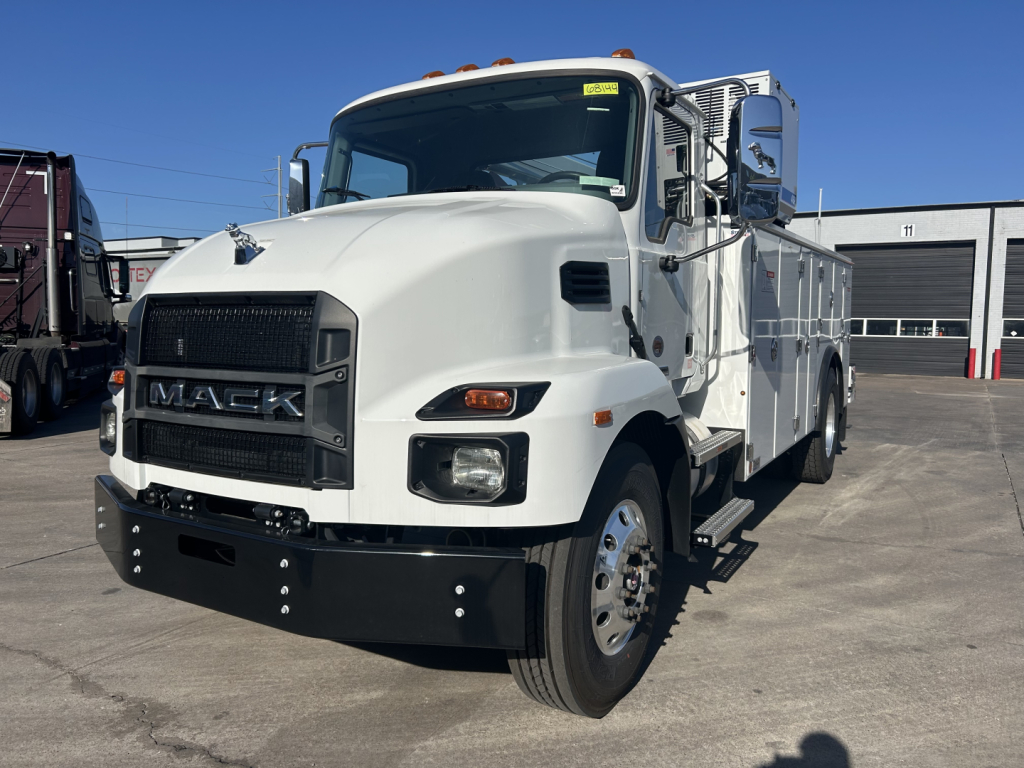
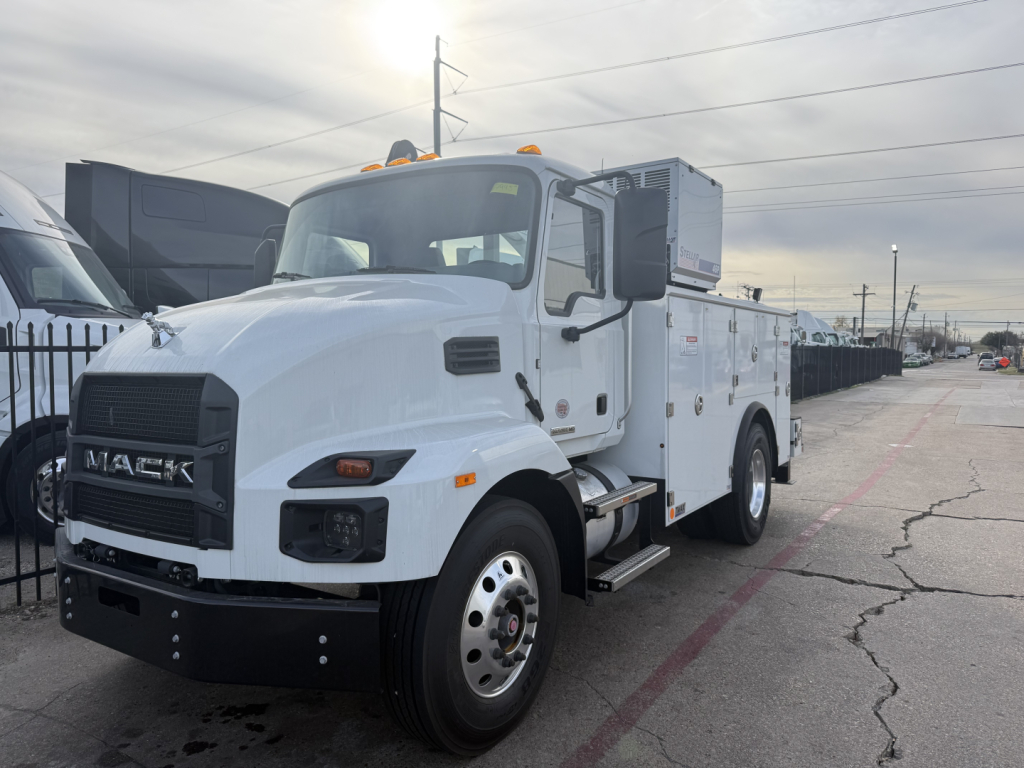
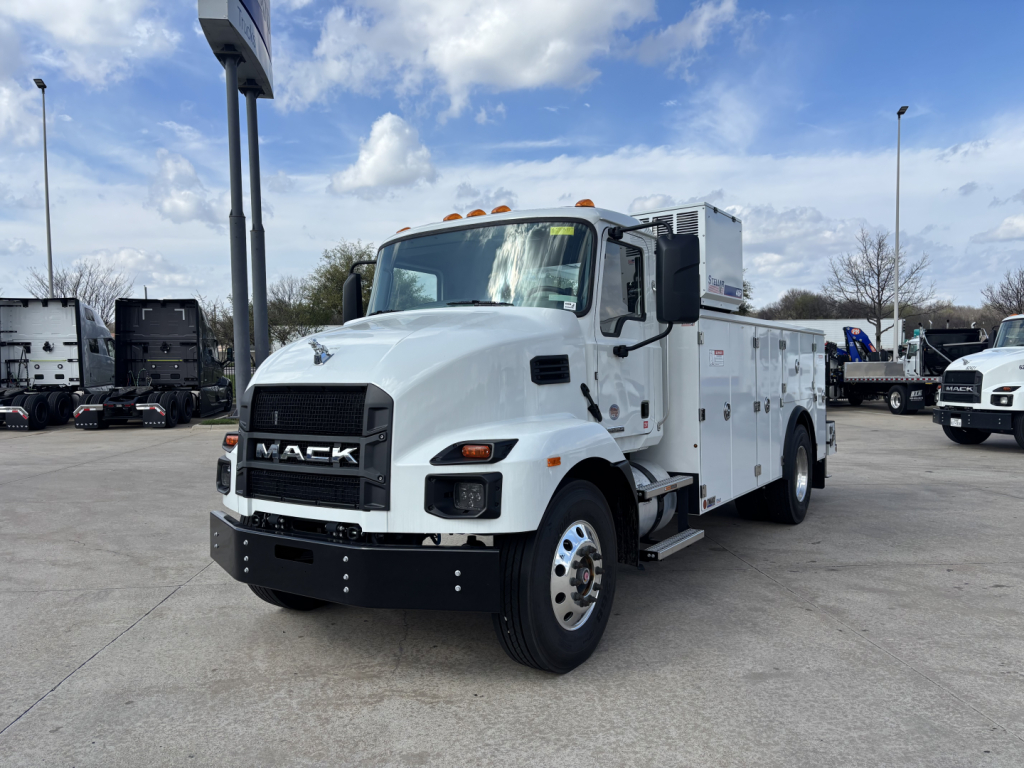
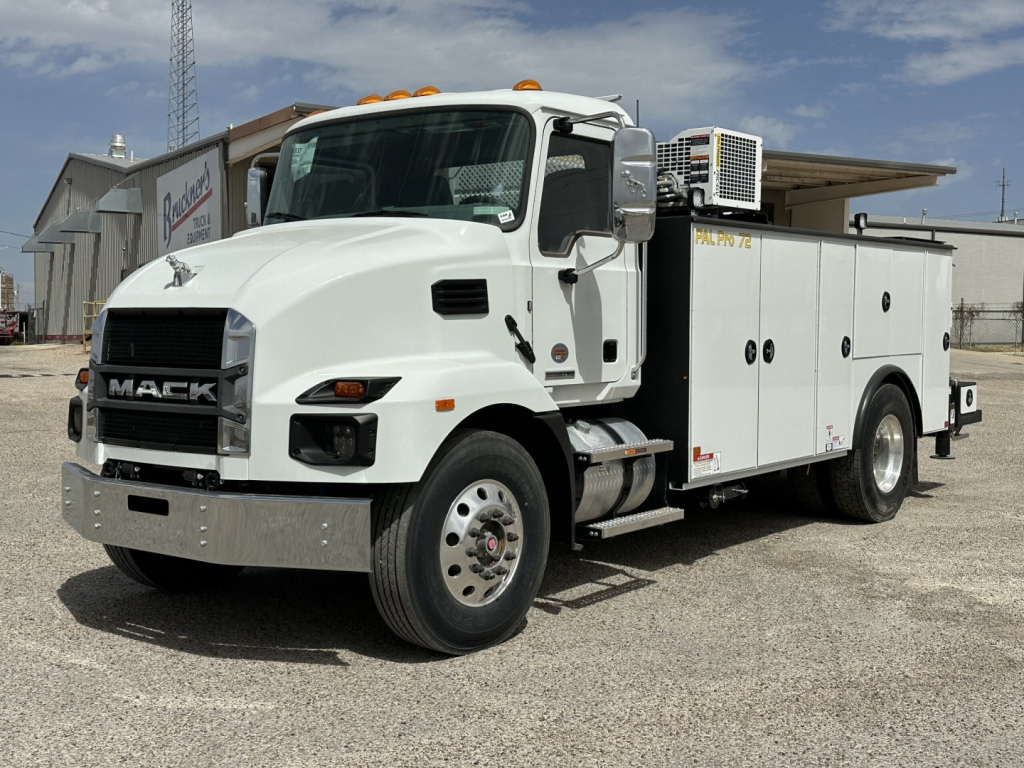
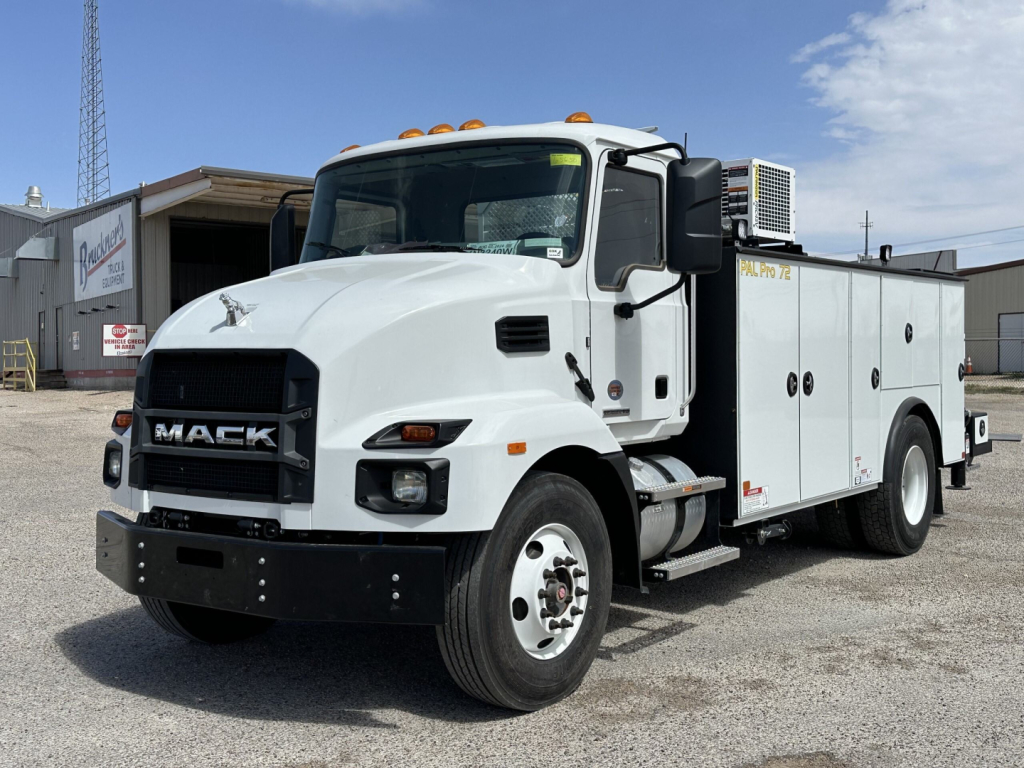
New Mack service and utility trucks for sale in Texas, including MD6 and MD7 chassis built for mechanics bodies, cranes, compressors, and field service.

Selling a new mack service/utility truck? List your new mack service/utility truck for sale and reach thousands of commercial buyers.
New Mack Service/Utility Trucks in Texas
A big buying decision in this category is chassis rating versus body equipment. Mack MD6 units are often chosen where lower GVWR, lighter body packages, and tighter operating environments are part of the job. MD7 models usually make more sense when the truck needs a heavier crane, more tool storage, larger compressors, more fuel capacity, or stronger axle ratings for a fully outfitted mechanics body. Many new Mack service trucks are paired with Cummins ISB 6.7 diesel power and Allison automatic transmissions, a combination fleet managers know well for dependable drivability, simple training, and broad service support. Buyers should look closely at wheelbase, rear axle ratio, PTO compatibility, suspension type, brake spec, and usable payload after the body, crane, compressor, lube system, welder, and drawer packages are installed.
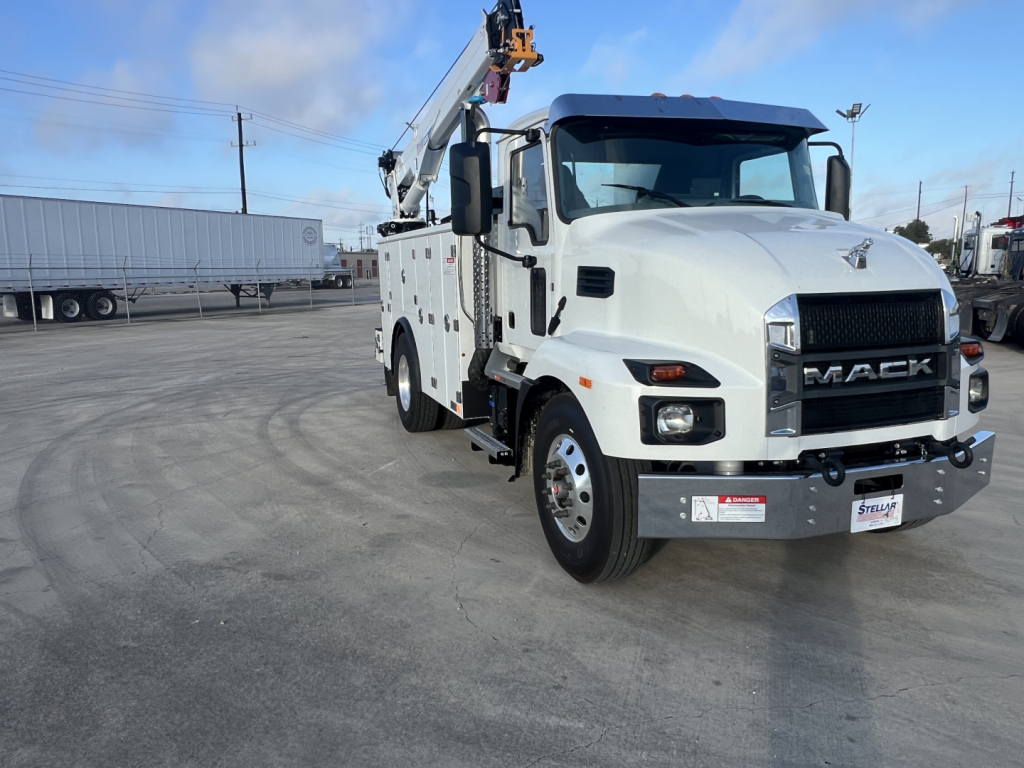
Body spec is where a service truck either fits the work or creates daily frustration. Common upfits include Stellar or Palfinger mechanics bodies, telescopic service cranes, hydraulic air compressors, work benches, drawer cabinets, reel packages, and remote-control crane functions. Crane capacity is typically evaluated by maximum lift, hydraulic reach, and rated ft./lbs., but practical performance also depends on stabilizer design, body layout, and how the truck is loaded in real service. Aluminum bodies reduce curb weight and help preserve payload, while steel bodies can still appeal in severe-duty applications where abuse resistance is a priority. Buyers in Texas should also pay attention to paint and corrosion protection, deck liner coatings, compartment sealing, and cooling performance for high-heat operation.
The best new Mack utility and service trucks are spec'd around the technician's workday, not just the base chassis. That means checking compartment access from ground level, compressor output for intended tools, crane remote operation, boom elevation range, tie-down points, lighting, inverter or welder provisions, and fuel range between service stops. If the truck will spend time on mixed pavement and unimproved access roads, differential lock, suspension tuning, tire choice, and turning radius become important. A properly configured Mack service truck can function as a mobile shop, crane truck, and repair support unit in one package, which is why buyers tend to focus on body integration, payload balance, and long-term operating efficiency before anything else.
Frequently Asked Questions about New Mack Service/Utility Trucks in Texas
What is the difference between a Mack MD6 and MD7 service truck?
The Mack MD6 is generally better suited to lighter mechanics body configurations and applications where lower GVWR or tighter maneuverability matters. The Mack MD7 is usually the stronger choice for heavier service bodies, larger cranes, higher payload demands, and more fully equipped field service setups. The right fit depends on the finished truck weight after the body, crane, compressor, fuel, tools, and parts inventory are added, not just the cab and chassis rating on paper.
What should I look for in a new Mack service truck for field mechanics work?
Focus on the complete package rather than the chassis alone. Buyers should verify crane rating, hydraulic reach, stabilizer design, compressor capacity, compartment layout, PTO setup, wheelbase, axle ratings, and remaining legal payload after upfit. It is also smart to confirm technician workflow details such as remote crane operation, drawer access, work lighting, liner protection, and how well the body design supports common repairs in the field.
Are Mack service trucks good for Texas jobsite and oilfield-type use?
Yes, when properly spec'd. Texas applications often involve long travel distances, high ambient temperatures, heavy tools, and mixed on-road and off-road conditions. A Mack MD service truck with the right suspension, cooling package, axle spec, fuel capacity, and body equipment can perform well in construction, municipal, utility, and energy-related support roles. The key is matching the chassis and upfit to terrain, load, and duty cycle instead of buying strictly by advertised crane size or engine horsepower.
How important is body material on a service or utility truck?
Body material has a direct effect on payload, durability, and long-term operating cost. Aluminum mechanics bodies are popular because they save weight and can allow more tools, fluids, or equipment to be carried without exceeding weight limits. Steel bodies may still be preferred in severe-duty environments where impact resistance and repair familiarity matter more than weight savings. Buyers should compare material choice with crane size, axle ratings, and the real payload the truck needs to carry every day.
Do new Mack utility trucks typically come with cranes and compressors already installed?
Many new Mack service trucks are sold as completed units with a mechanics body, crane, compressor, and related field-service equipment already integrated. Common configurations include telescopic service cranes, hydraulic-driven air compressors, storage compartments, and remote controls. The important step for a buyer is to confirm that the installed equipment matches the intended service work, because compressor output, crane geometry, and compartment design vary widely between otherwise similar-looking trucks.