
New 2026 Mack Service/Utility Trucks For Sale
Shop new 2026 Mack service and utility trucks built for field repair, crane service, and mobile maintenance with durable medium-duty specs.
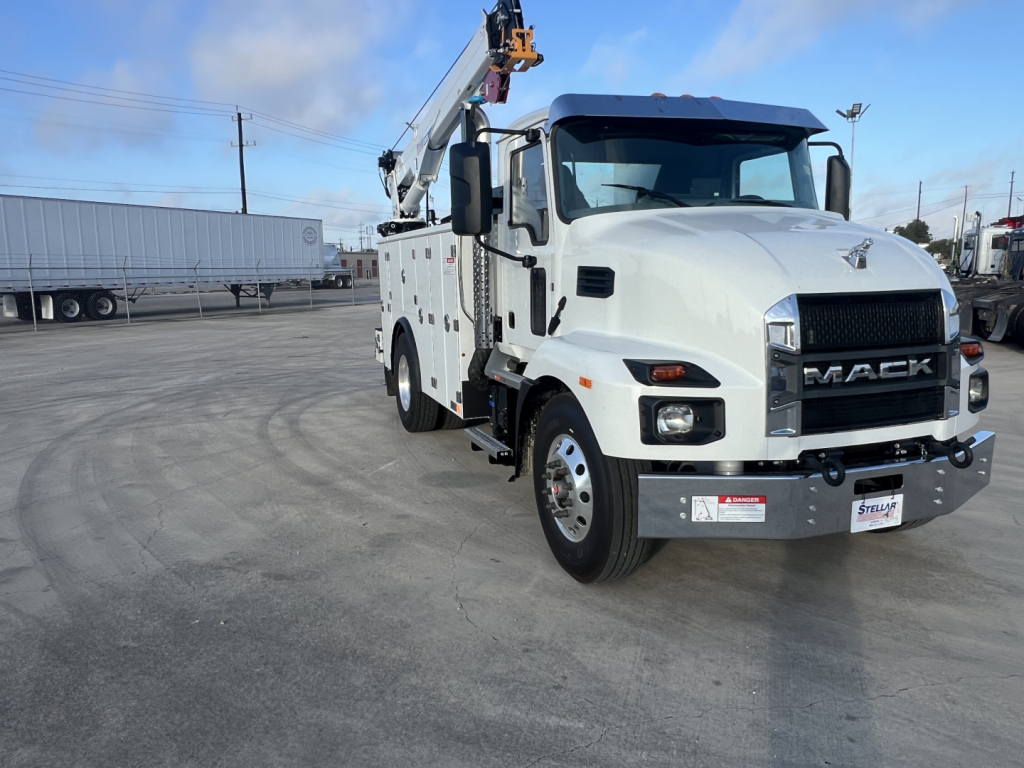
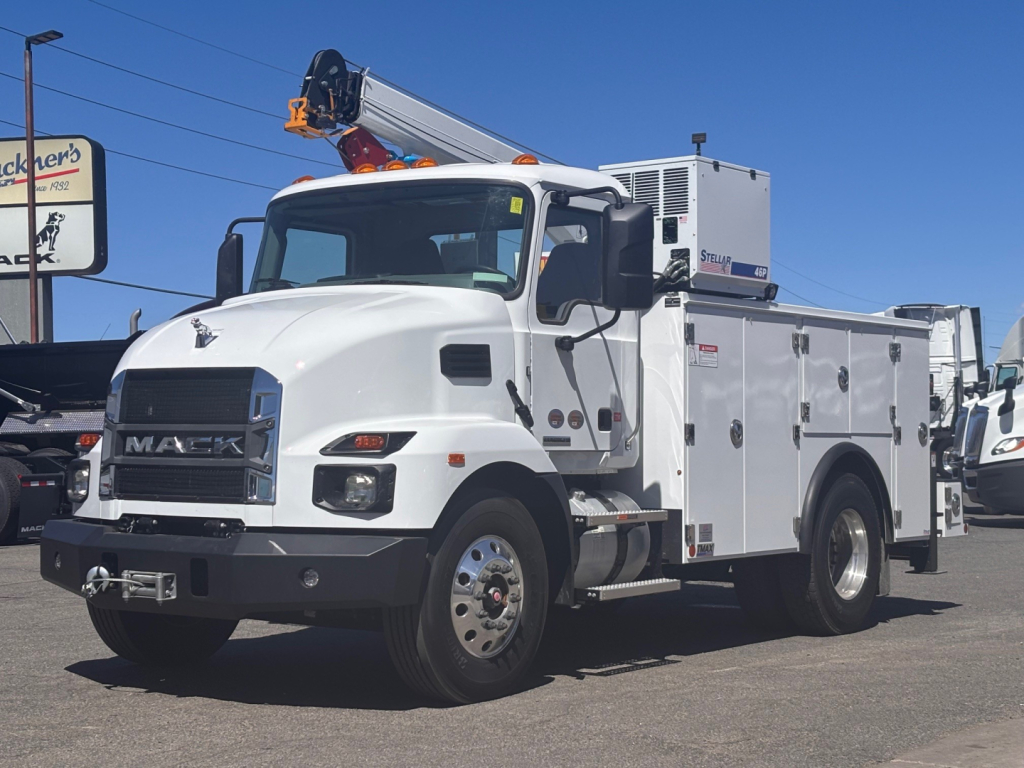
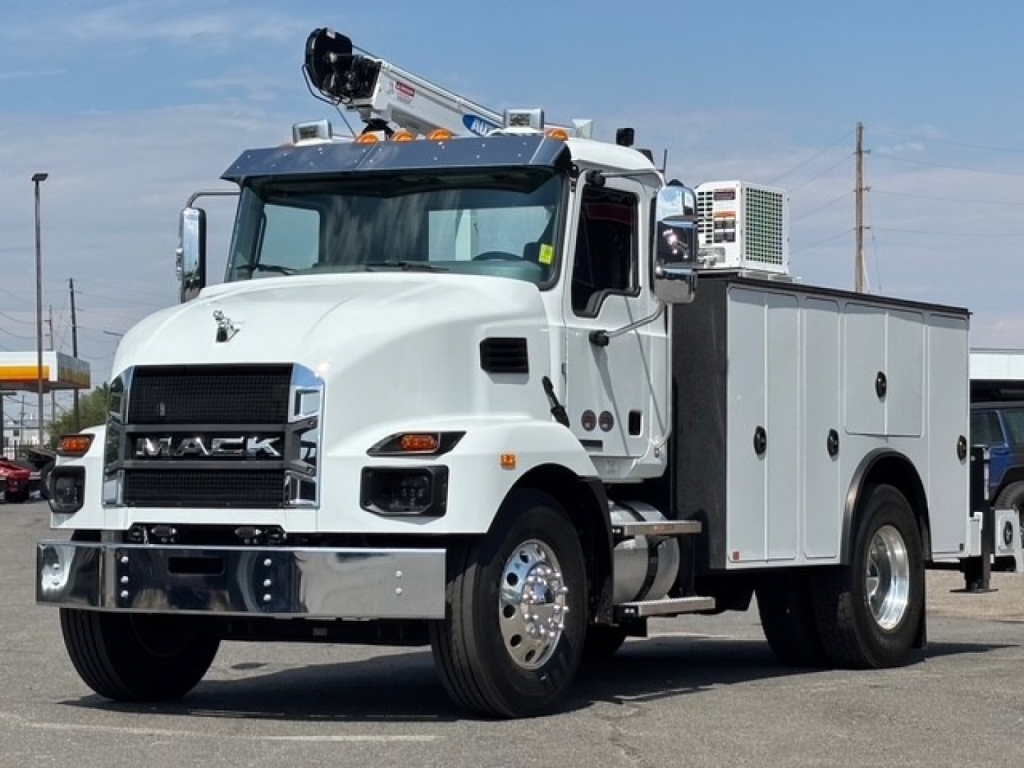
Selling a new 2026 mack service/utility truck? List your new 2026 mack service/utility truck for sale and reach thousands of commercial buyers.
New 2026 Mack Service/Utility Trucks
A typical 2026 Mack service truck in this class uses a Cummins ISB6.7 around 300 hp paired with an Allison automatic, often the 2500 Rugged Duty Series. That combination is popular because it is straightforward to operate, easy to place into mixed-driver fleets, and well suited for stop-and-go jobsite work. Buyers should pay close attention to front axle capacity, rear axle rating, suspension type, rear ratio, and wheelbase because those specs directly affect crane stability, payload distribution, and how well the completed truck handles with a full mechanics body. MD6 builds are often configured to stay under CDL thresholds, while MD7 trucks can give you more margin for heavier bodies, larger cranes, and denser service equipment packages.
The body and crane package usually determine the truck's real working value. Common upfits include Stellar, Auto Crane, and Palfinger mechanics bodies with telescopic service cranes in the 10,000 to 12,000 lb class and crane ratings around 60,000 to 62,000 ft-lb. An 11-foot body is a frequent choice because it leaves room for compartment storage, reels, vice mounts, and workbench space without making the truck awkward in tighter yards or utility corridors. Many buyers also look for hydraulic air compressors, PTO-driven accessories, wireless crane remotes, overload protection, two-block prevention, and integrated tie-down or load securement features. If the truck will service construction equipment, oilfield units, ag machinery, or municipal fleets, compartment configuration and power take-off integration matter just as much as raw crane specs.
For buyer comparison, focus on usable payload after upfit, body material, compartment depth, crane reach, outrigger design, and serviceability of the chassis. Heated mirrors, power windows, and driver comfort options are helpful, but this category is really about safe lifting, organized storage, and dependable daily operation. A well-matched Mack service or utility truck should let a technician carry parts, tools, fluids, and lifting capability in one platform while keeping maintenance straightforward and operating costs predictable.
Frequently Asked Questions about New 2026 Mack Service/Utility Trucks
What is the difference between a Mack MD6 and MD7 service truck?
The main difference is chassis capacity. A Mack MD6 is commonly chosen for under-CDL service truck builds where buyers want a mechanics body and crane package without crossing common licensing thresholds. A Mack MD7 typically provides higher GVWR capability and more room for heavier upfits, larger cranes, denser tool loads, and added equipment such as compressors, welders, or lube systems. The right choice depends on your target payload, body length, and whether the truck must remain non-CDL in its final configured form.
What crane size is common on a new Mack service truck?
Many new Mack service and utility trucks in this class are equipped with service cranes rated around 60,000 to 62,000 ft-lb, with vertical lift capacities often in the 10,000 to 12,000 lb range. Actual lifting performance depends on boom length, hydraulic reach, rotation, and the truck's outrigger and chassis setup. Buyers should compare not just maximum lift rating, but also lift at working radius, boom elevation range, remote control features, and built-in safety systems such as overload shutdown and anti-two-block protection.
Are Mack service trucks good for non-CDL applications?
Yes, many Mack MD6 service truck builds are configured specifically for non-CDL use. That said, CDL status is determined by the truck's final GVWR and upfit, not just the cab and chassis model. A mechanics body, crane, compressor, fuel or lube package, and stored tools can change the final classification quickly. Buyers should verify the exact completed weight rating and intended loaded operating condition before assuming a service truck will remain under CDL limits.
What should I look for in a mechanics body on a service truck?
The best mechanics body for your operation depends on how the truck will be used in the field. Key points include compartment layout, drawer and shelving configuration, body length, crane pedestal integration, bumper work area, vice or bench mounting, and corrosion resistance. Also look at how the body supports compressor installation, hose reels, welder or generator placement, and secure storage for rigging and consumables. A body with the right workflow can improve technician efficiency as much as a stronger crane can.
What engine and transmission are typical in this category?
A common setup for new Mack service and utility trucks is the Cummins ISB6.7 diesel paired with an Allison automatic transmission, often a 2500 series unit. This powertrain is widely used because it delivers enough horsepower and torque for medium-duty field service work while remaining familiar to fleet maintenance departments. Automatic transmissions are especially valuable in this category because service trucks spend a lot of time in traffic, on jobsites, and in frequent stop-and-go conditions where ease of operation reduces driver fatigue.