
New Service/Utility Trucks For Sale in Texas
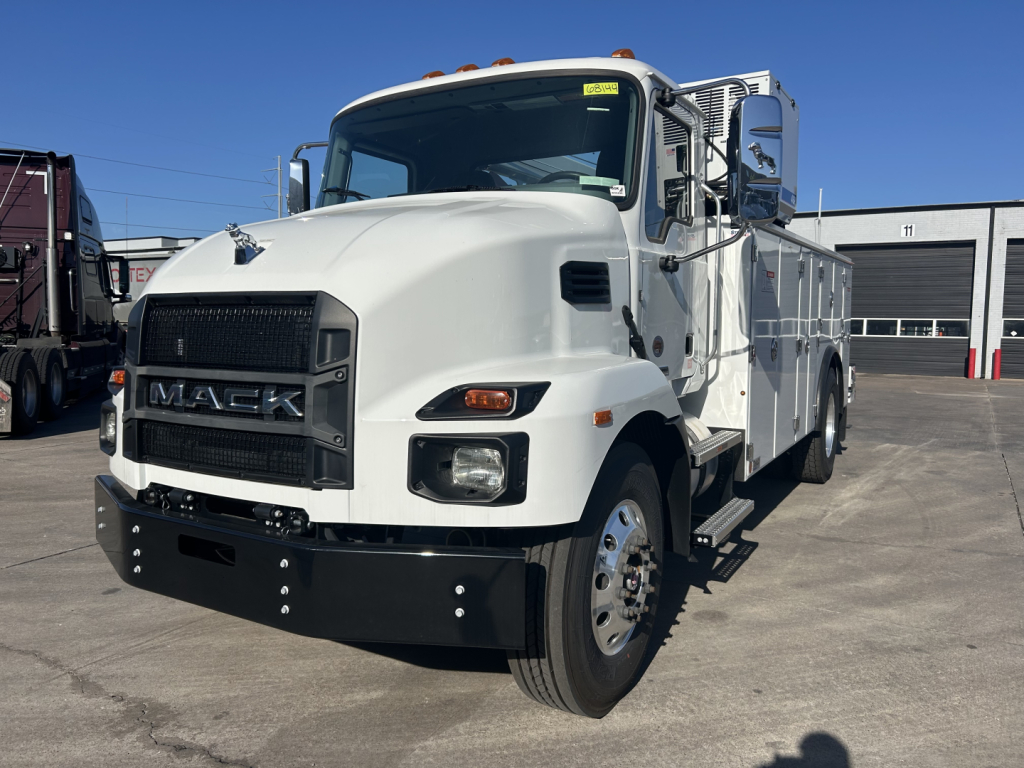
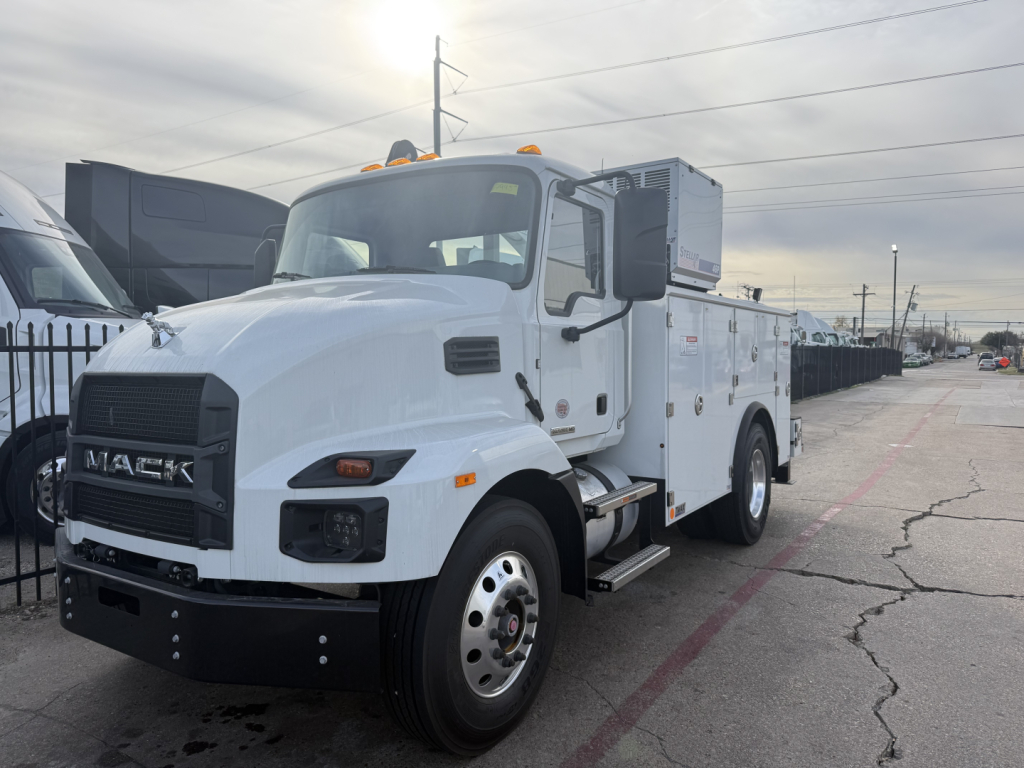
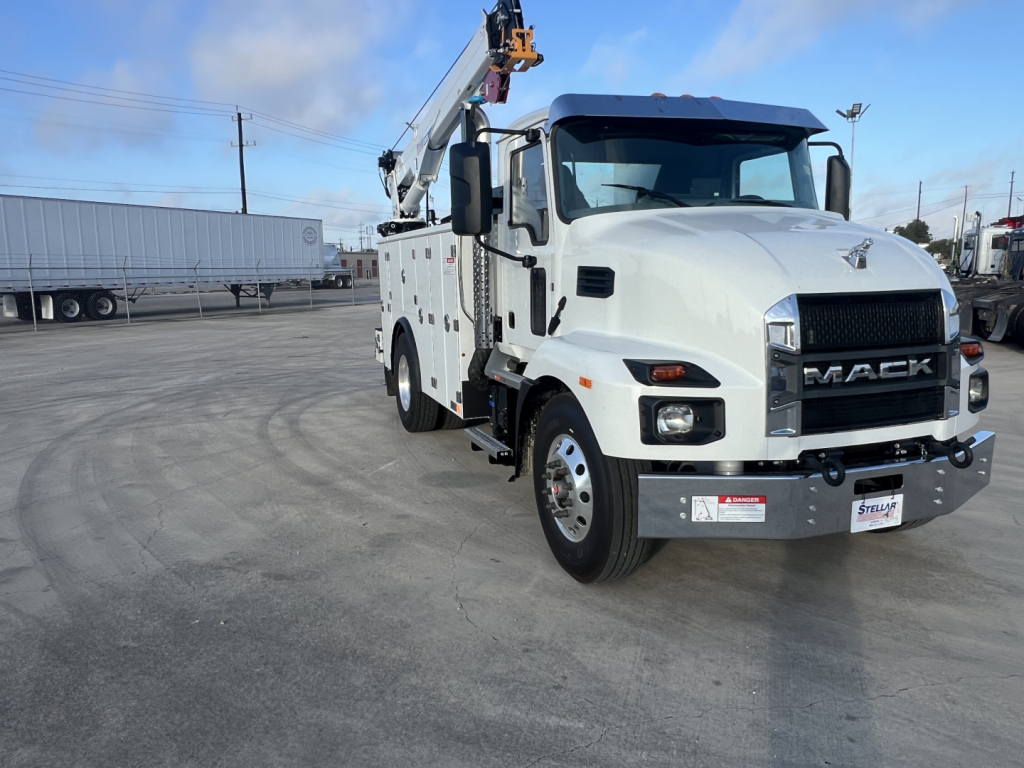
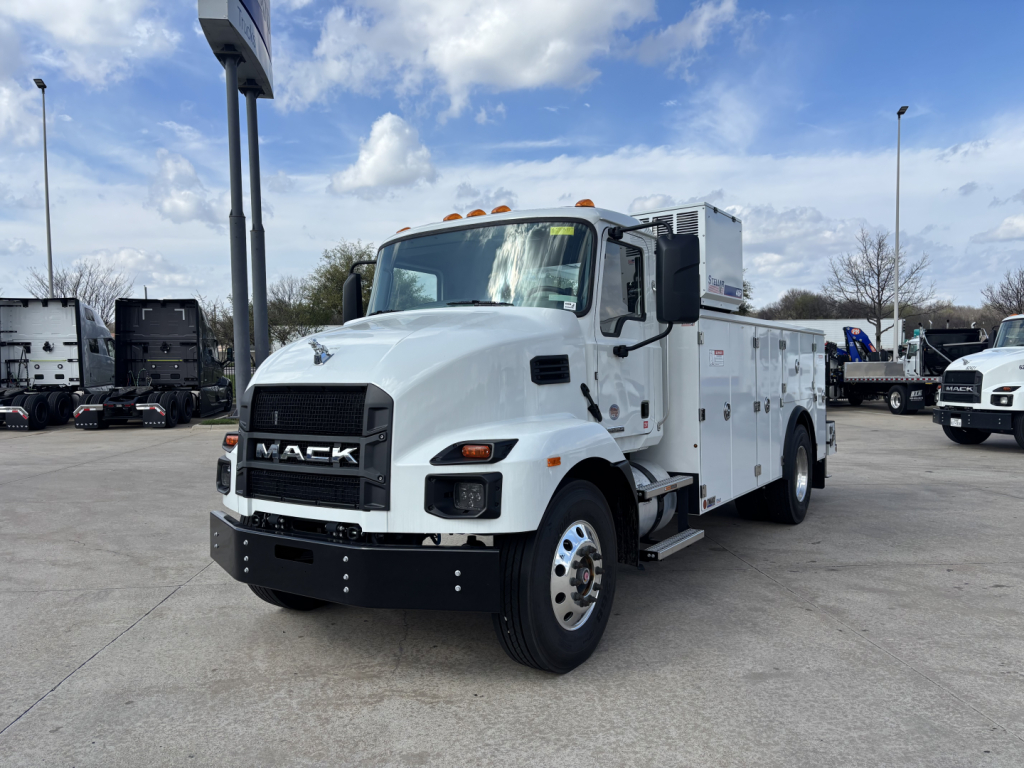
New service and utility trucks for sale in Texas. Compare mechanic bodies, cranes, compressors, chassis specs, and jobsite-ready setups.

Selling a new service/utility truck? List your new service/utility truck for sale and reach thousands of commercial buyers.
New Service/Utility Trucks in Texas
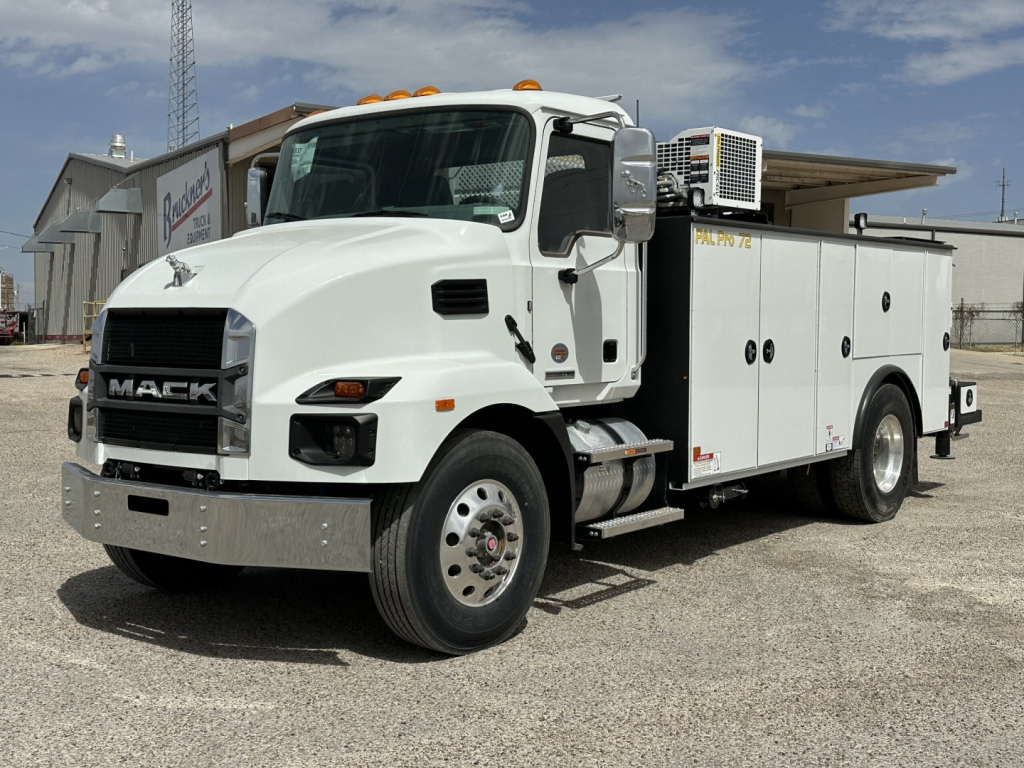
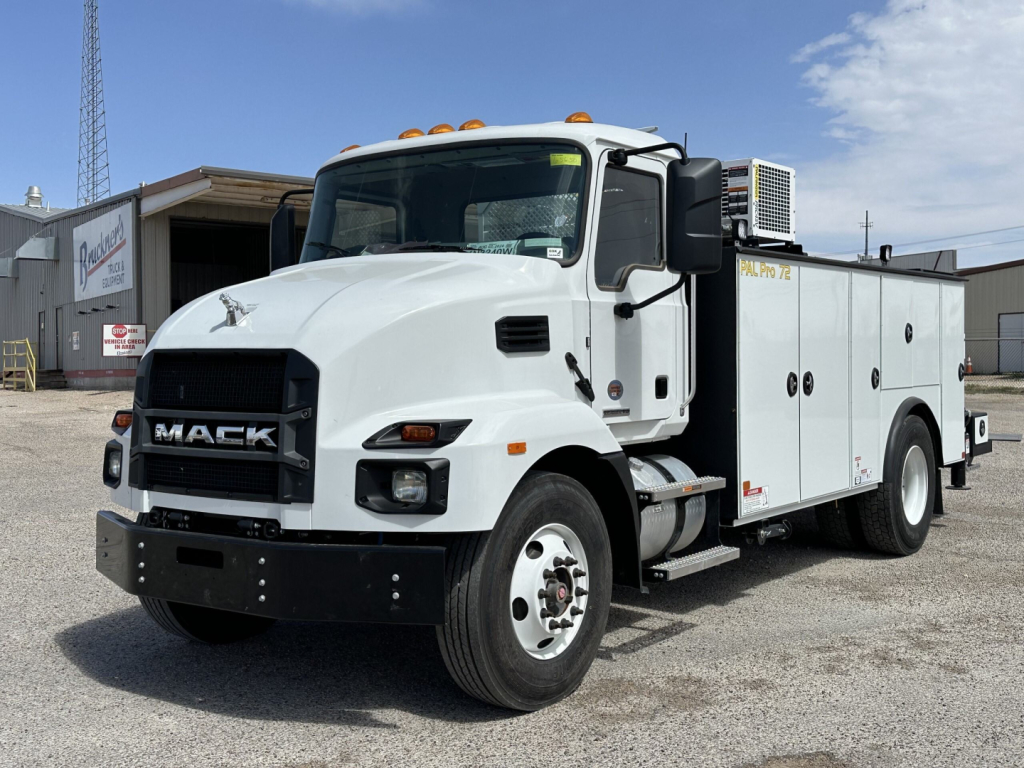
A typical new service/utility truck in this class uses a Class 6 or Class 7 chassis with a diesel engine such as the Cummins ISB 6.7 and an Allison automatic transmission. Common upfits include a steel or aluminum mechanics body, a telescopic service crane, hydraulic outriggers, a PTO-driven or hydraulic air compressor, welder or generator provisions, and multiple locking compartments for tools, fluids, and service parts. Aluminum bodies reduce empty weight and help payload, while steel bodies remain popular where impact resistance and long-term repairability matter most. Crane specs deserve close attention: buyers should compare lifting capacity, ft-lb rating, hydraulic reach, boom elevation range, rotation, wireless remote controls, and integrated safety systems such as overload protection and anti-two-block features.
The best new utility truck setup depends on what the technicians service in the field. Fleets working on heavy equipment often want higher crane capacity, reinforced work surfaces, and compressor output that can support sustained pneumatic tool use. Operations focused on lighter service calls may prioritize storage layout, lower overall height, and non-CDL configurations that widen the driver pool. Wheelbase, rear axle rating, suspension, fuel capacity, and brake type all affect how the truck handles a full body, mounted crane, fluids, and jobsite tools. It is also smart to review compartment depth, drawer packages, lighting, inverter or electric power options, bed liner protection, and how the body is arranged for left-side, right-side, or curbside access.
For Texas buyers, heat, long distances, and mixed on-road/off-road duty make durability and uptime especially important. A well-spec'd new service truck should balance legal payload, crane performance, compressor capability, and storage efficiency without overbuilding the chassis. Pay close attention to GVWR, front and rear GAWR, payload after upfit, and the service body manufacturer, since the body and crane package often determine day-to-day productivity more than the base truck. When a service truck is matched correctly to the work, it becomes a revenue-producing mobile shop that cuts downtime, reduces support vehicle needs, and keeps technicians productive in the field.
Frequently Asked Questions about New Service/Utility Trucks in Texas
What is the difference between a service truck and a utility truck?
The terms are often used interchangeably, but a service truck usually refers to a mechanic-style body equipped for field repair work, while a utility truck can describe a broader group of vocational trucks used by telecom, electrical, municipal, and contractor fleets. In practice, buyers in this category are usually looking at mechanics bodies with side compartments, a crane, and often a compressor or welder-ready setup.
What crane capacity should I look for on a new service truck?
Crane capacity should match the heaviest components your technicians regularly lift, not the occasional maximum. Buyers should compare the crane’s maximum lift, ft-lb rating, hydraulic reach, and lifting chart at working radius because real-world lifting capacity drops as the boom extends. A truck used for heavy equipment service may need a substantially larger crane than one handling light fleet maintenance, pumps, or service parts.
Are aluminum service bodies better than steel?
Aluminum service bodies are popular because they cut tare weight, resist corrosion well, and can preserve more usable payload on a medium-duty chassis. Steel bodies remain a strong choice where the truck sees hard contact, rough jobsite use, or frequent welding and fabrication around the body. The better material depends on your operating environment, expected body life, and how important payload is after the crane and compressor are installed.
Can a new service truck be spec'd as a non-CDL truck?
Yes, many service trucks are built to stay under the 26,000-pound GVWR threshold so fleets can operate them without requiring a CDL in many applications. That said, the full upfit matters. A mechanics body, crane, compressor, tools, fluids, and parts can consume payload quickly, so buyers should verify actual curb weight and remaining legal payload after the complete package is installed.
What features matter most for field-service productivity?
The most important features are usually compartment layout, crane controls, compressor performance, lighting, and safe access around the truck. Remote crane operation, organized drawers, strong locking compartments, workbench space, hose reels, and well-placed outriggers all improve technician efficiency. A productive service truck is not just one with a big crane. It is one that lets the operator reach tools, lift parts, and complete repairs with minimal setup time and minimal downtime.