
New Commercial Trucks For Sale in Montana
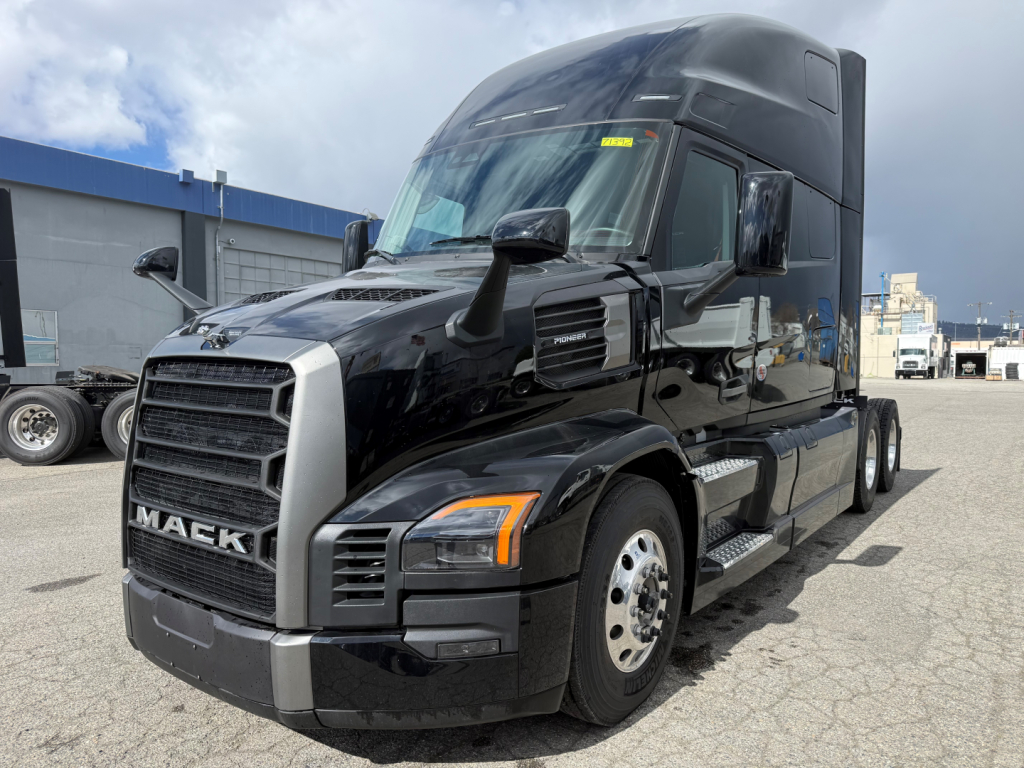
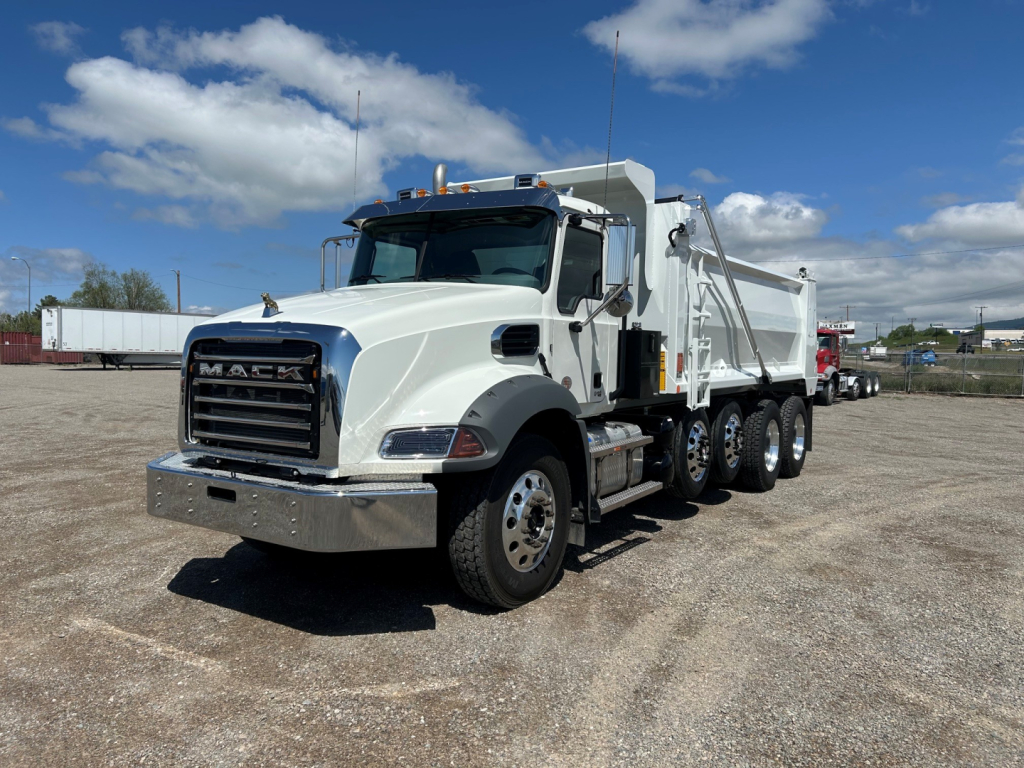
Shop new trucks for sale in Montana, including dump, rollback, and day cab models with current safety tech, diesel power, and vocational specs.
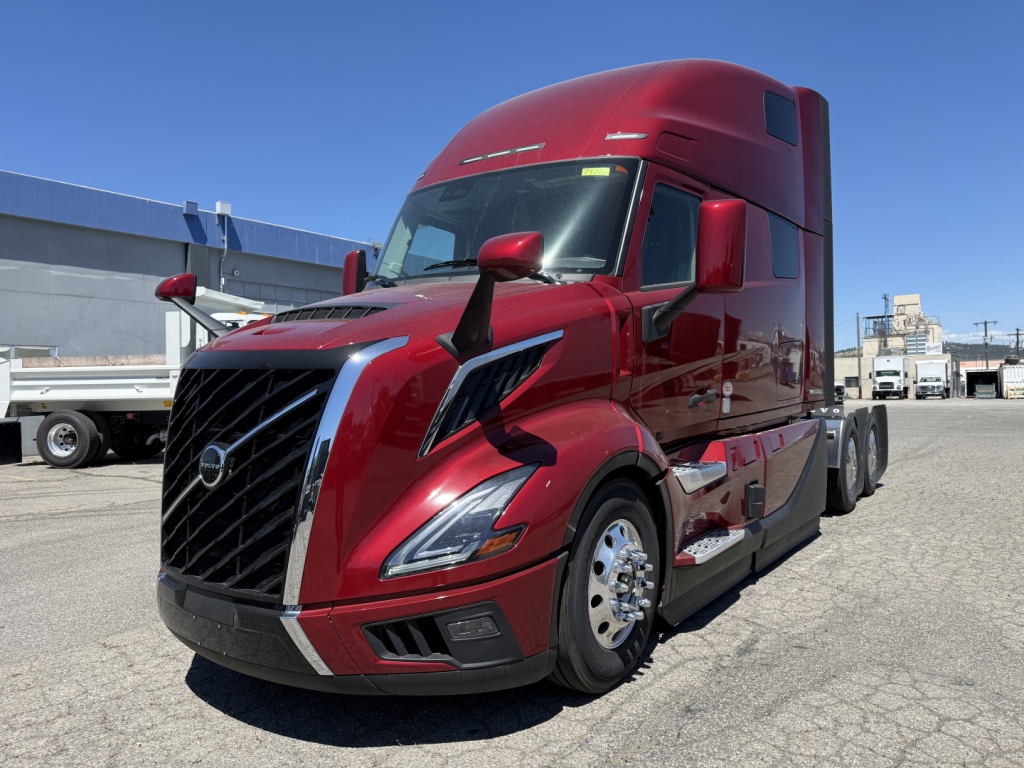
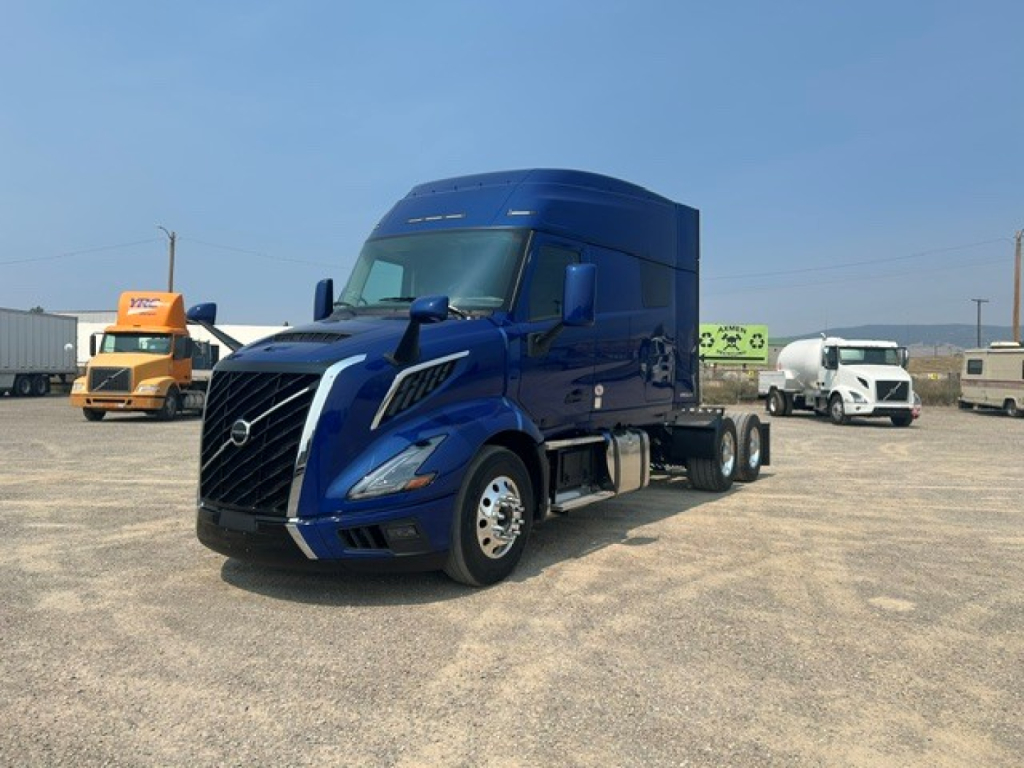
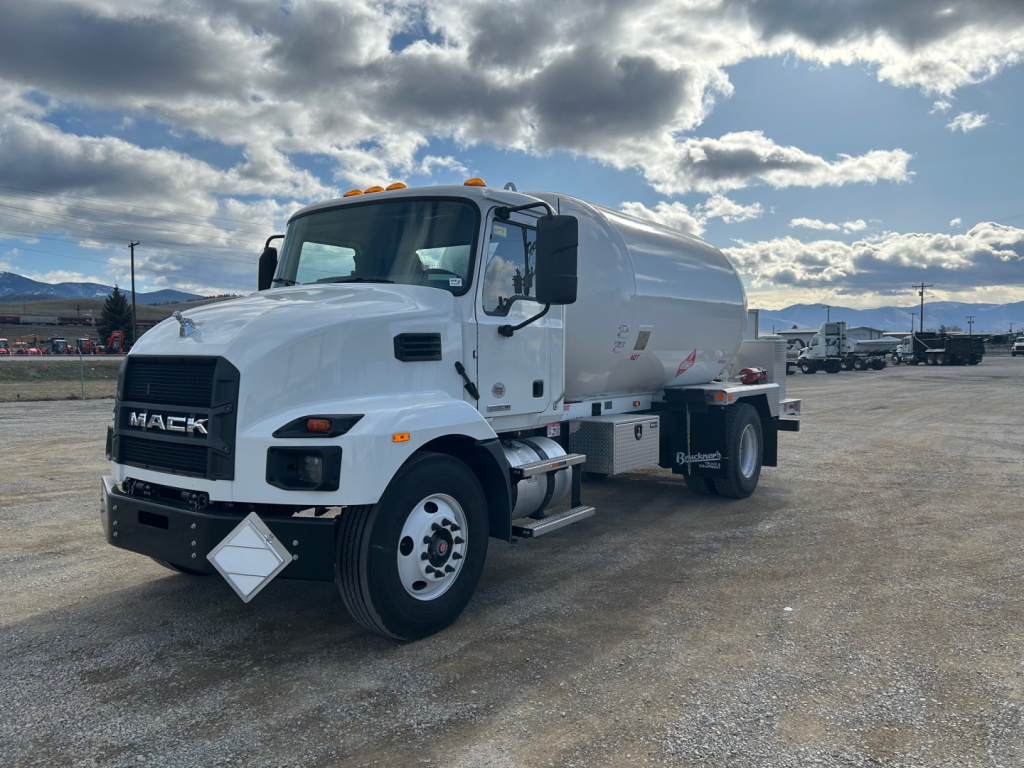
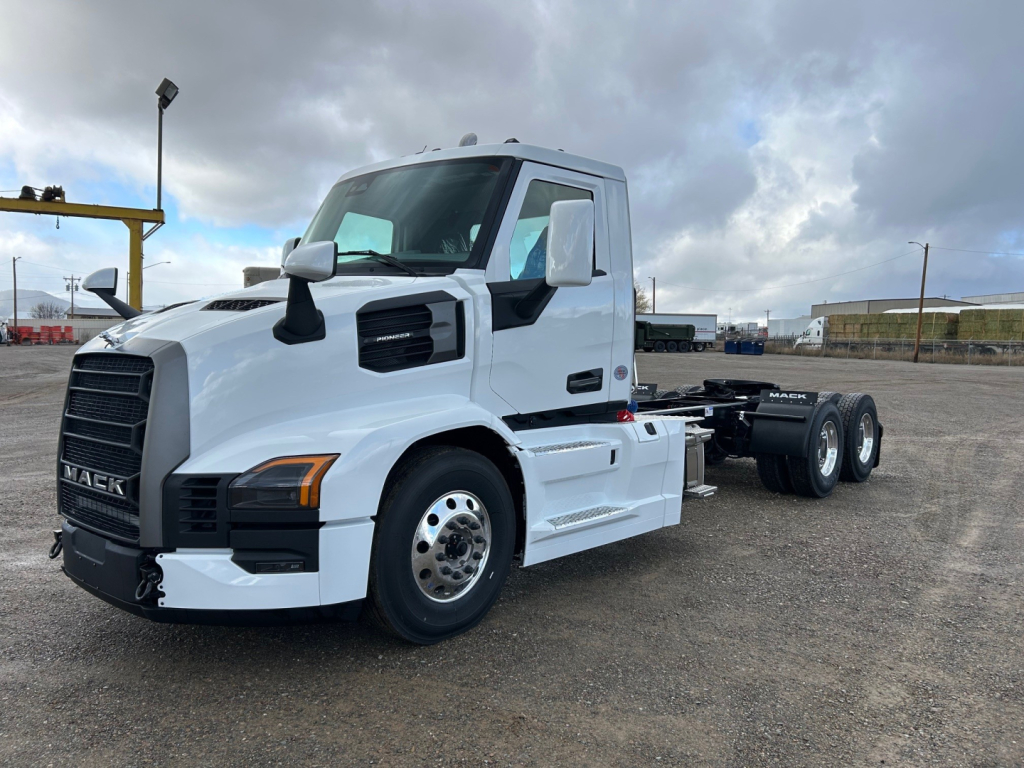

Selling a new commercial truck? List your new commercial truck for sale and reach thousands of commercial buyers.
New Commercial Trucks in Montana
Montana operating conditions put extra value on drivability, cold-weather reliability, and durability. Block heaters, heated mirrors, engine brakes, traction aids like differential locks, and stable air-ride suspensions matter more when a truck is expected to handle winter starts, long grades, rough county roads, and changing load conditions. On highway tractors, buyers often focus on 13-liter diesel engines in the 450 to 500 horsepower range, automated transmissions such as Volvo I-Shift, fuel capacity, and front collision mitigation systems. On medium-duty vocational trucks, common configurations include Cummins 6.7L diesel power, Allison automatic transmissions, single rear axles, and GVWRs around 31,000 to 33,000 pounds.
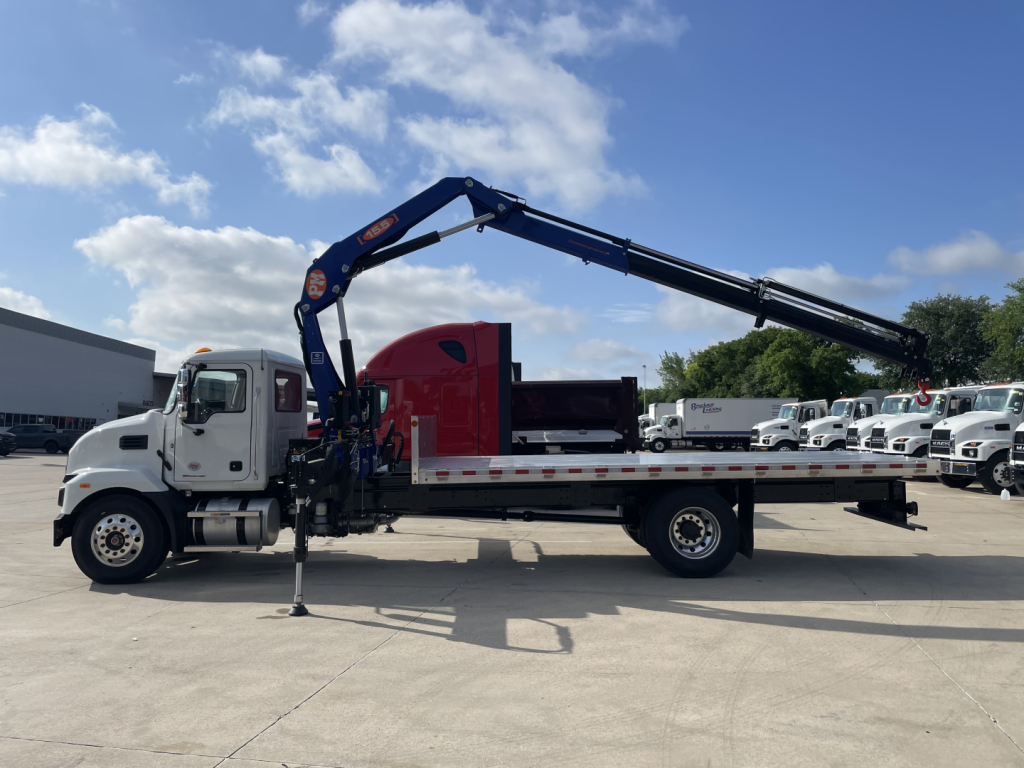
For vocational buyers, body and upfit details are just as important as the chassis. Dump trucks are often spec'd with steel bodies, hoists, tarp systems, pintle hitches, and cab shields for construction, aggregate, landscaping, and municipal work. Rollback and carrier trucks need the right deck length, wheel-lift rating, winch capacity, toolbox layout, and PTO-hydraulic setup for recovery and transport duty. Chassis intended for van bodies, tanks, hooklifts, refuse packers, sweepers, or flats should be checked for frame length, axle placement, PTO provision, and any weight distribution limits that affect the final build.
New trucks also give buyers access to current emissions systems, updated cab ergonomics, factory safety technology, and warranty coverage that can improve uptime planning. The best value is usually not the lowest purchase price, but the truck whose engine, transmission, axle ratio, suspension, and body spec match the route, payload, and licensing requirement. In Montana, that often means balancing highway speed, gradeability, legal weight, and year-round serviceability before settling on a conventional day cab, a non-CDL medium-duty platform, or a purpose-built vocational truck.
Frequently Asked Questions about New Commercial Trucks in Montana
What types of new trucks are commonly available in Montana?
New trucks in Montana typically include conventional day cab tractors, dump trucks, rollback or carrier trucks, and medium-duty chassis for custom bodies such as van, tank, hooklift, or refuse applications. The mix reflects the state's freight, construction, towing, agriculture, and municipal demand. Buyers will often see both heavy-duty highway tractors with higher horsepower diesel engines and medium-duty vocational models built around GVWR classes near the CDL threshold or just above it.
What specs matter most when comparing a new vocational truck?
GVWR, front and rear axle ratings, wheelbase, suspension type, PTO capability, transmission choice, and body compatibility are the key items. A dump truck buyer should also review body steel thickness, hoist model, hitch equipment, tarp system, and cab shield design. A rollback buyer should confirm deck dimensions, wheel-lift capacity, winch rating, and hydraulic setup. These details determine legal payload, upfit flexibility, durability, and how well the truck fits the job.
Are non-CDL new trucks a practical option for commercial work?
Yes, non-CDL new trucks can be a strong fit for local delivery, light dump work, towing, landscaping, and service applications when the truck is spec'd below the 26,001-pound CDL threshold. They can expand the available driver pool and simplify staffing, but payload and body choice must be matched carefully to avoid overloading. Buyers should verify actual completed vehicle weight after the body and equipment are installed, not just the chassis rating.
What should buyers look for in a new highway day cab truck?
Engine horsepower and torque, transmission type, rear axle ratio, brake package, fuel capacity, wheelbase, and safety technology are the main comparison points. For Montana operations, buyers often prioritize grade-climbing performance, engine braking, hill-start assist, traction features, and driver-assist systems such as collision mitigation. The right specification depends on gross combined weight, trailer type, terrain, and expected highway speed.
Why does wheelbase matter when buying a new truck?
Wheelbase affects body fitment, turning radius, bridge law compliance, ride quality, axle loading, and overall maneuverability. A shorter wheelbase can help in urban or off-road vocational work, while a longer wheelbase may be necessary for certain bodies, fuel tank packages, or stability requirements. On chassis intended for custom bodies, wheelbase is one of the first dimensions to verify because it directly affects where the body, hoist, lift, or auxiliary equipment can be installed.