
New Conventional Sleeper Trucks For Sale in Montana
Shop new conventional sleeper trucks for long-haul freight, with aero cabs, raised-roof sleepers, modern safety tech, and driver comfort features.
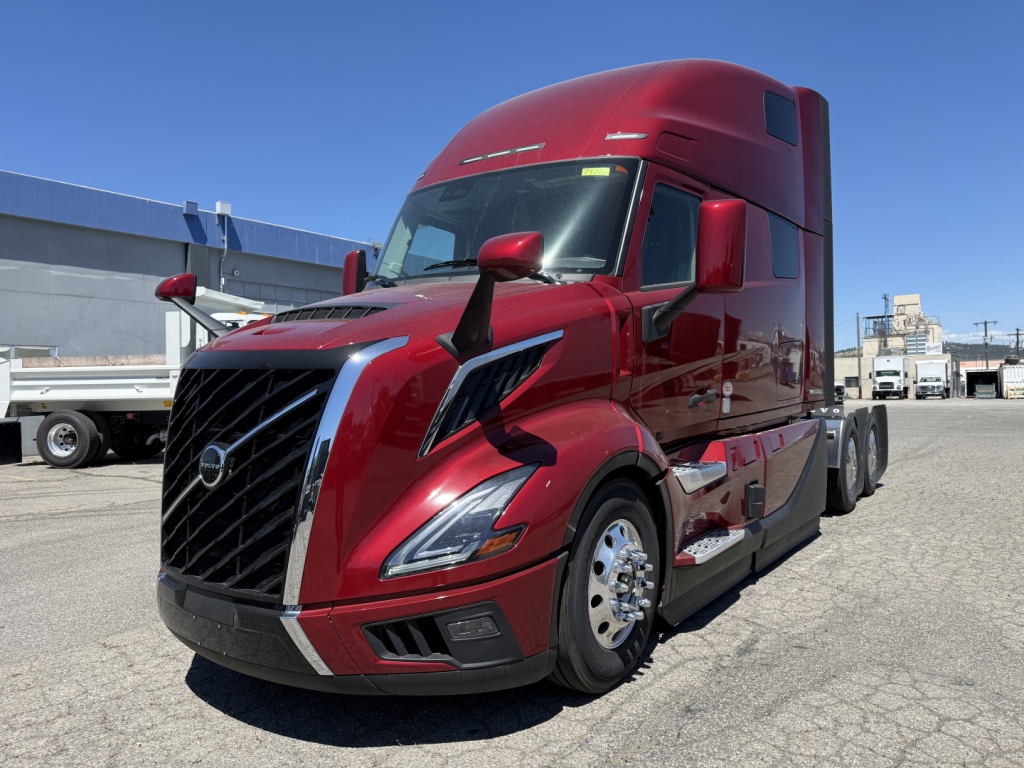
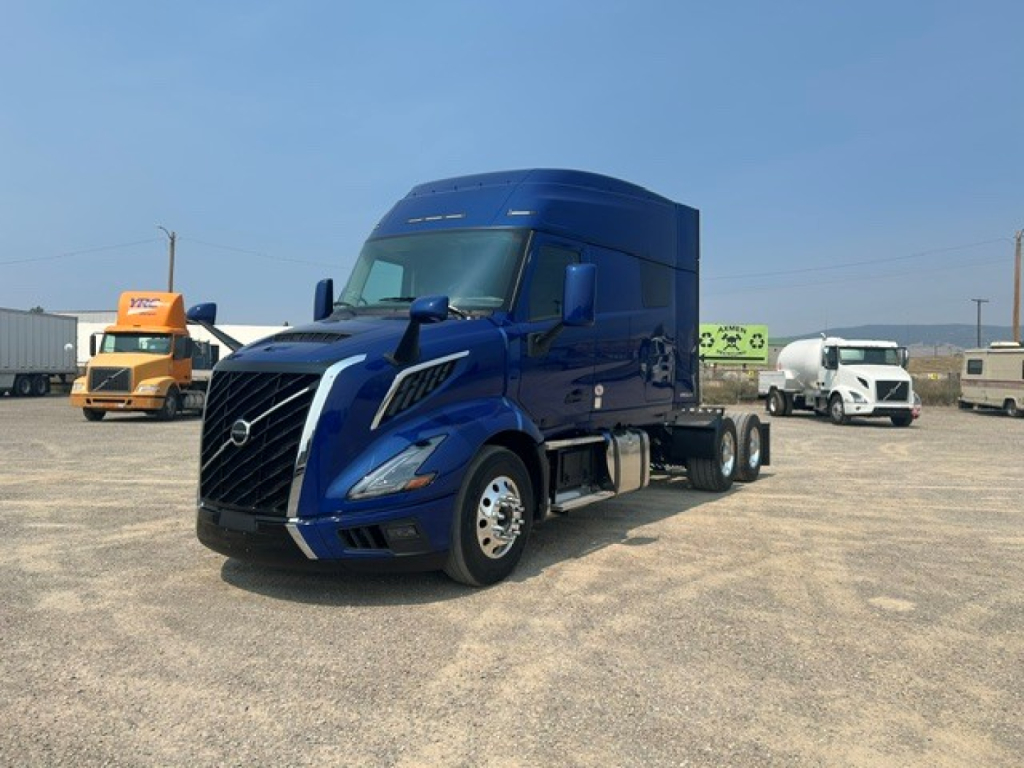
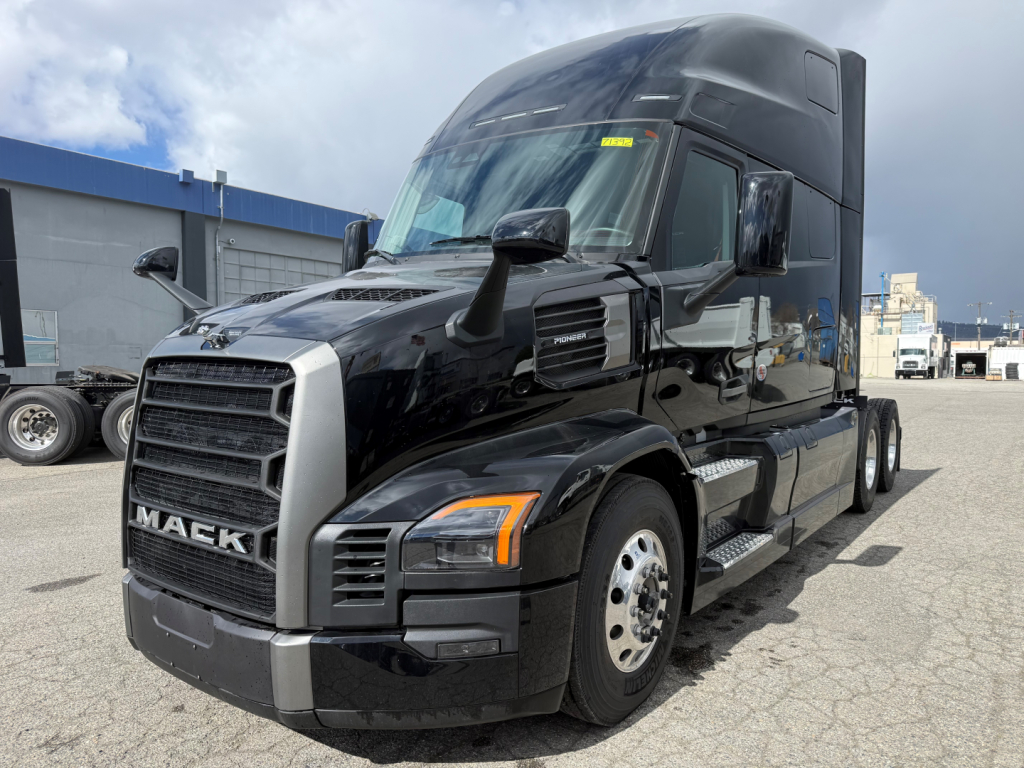
Selling a new conventional sleeper truck? List your new conventional sleeper truck for sale and reach thousands of commercial buyers.
New Conventional Sleeper Trucks in Montana
The sleeper itself is often the deciding factor. Common configurations include mid-roof and high-roof cabs with 60-inch to 80-plus-inch sleepers, single or double bunks, refrigerators, storage cabinets, inverters, shore power, and parking heaters or coolers. For fleets, these features affect recruiting and retention as much as they affect comfort. For owner-operators, they affect how efficiently the truck functions as a mobile workspace and living space. If teams are part of the plan, upper bunk layout, stand-up room, climate control, and storage access become more important than the badge on the hood.
Powertrain selection deserves careful attention because a new sleeper tractor can be spec'd very differently depending on lane and payload. Most conventional sleepers in this class run 6x4 tandem drive configurations with diesel engines in the 400 to 500-plus horsepower range, automated manual or traditional manual transmissions, and rear axle ratios chosen for fuel economy or gradeability. Buyers hauling van, reefer, flatbed, or heavier regional freight should compare GCWR targets, wheelbase, fifth wheel position, fuel tank sizing, and suspension setup. Aerodynamic packages, idle reduction equipment, predictive cruise, collision mitigation, lane support, traction control, and differential locks are now common spec points and can materially change operating cost and driver satisfaction.
A strong new conventional sleeper spec is the one that matches freight, terrain, and maintenance strategy. Look at dealer support, warranty coverage, telematics, service intervals, and emissions system access along with cab amenities. In colder markets, engine block heaters, insulated curtains, battery capacity, and winter traction options carry real value. For buyers balancing resale with current productivity, the best choices are usually proven engine and transmission combinations, practical sleeper amenities, and axle and wheelbase specs that fit the freight without adding unnecessary weight.
Frequently Asked Questions about New Conventional Sleeper Trucks in Montana
What is a conventional sleeper truck?
A conventional sleeper truck is a highway tractor with a conventional hood-and-engine layout and a built-in sleeping compartment behind the driver area. It is designed for long-haul and multi-day operations where the driver needs onboard rest space, storage, and basic living amenities. Compared with a day cab, a sleeper adds length and weight, but it is the standard choice for over-the-road freight.
What sleeper size is best for long-haul trucking?
The best sleeper size depends on trip length, driver count, and how much time is spent in the truck. Solo over-the-road operators often do well with a practical mid-roof or high-roof sleeper that includes storage, a bunk, and power options. Team operations usually benefit from larger raised-roof sleepers with double bunks, more cabinet space, and better HVAC features. More space improves livability, but it can also affect weight, wheelbase, and cost.
What specs matter most when buying a new conventional sleeper truck in Montana?
In Montana, buyers usually prioritize cold-weather starting, insulation, heater performance, fuel range, and gearing that can handle interstate speeds and mountain grades. Dual fuel tanks, engine block heaters, differential locks, traction control, and strong battery capacity are all worthwhile considerations. A truck that is efficient on long highway stretches but still capable in winter conditions is often the best fit for the region.
Are automated manual transmissions common in new conventional sleeper trucks?
Yes, automated manual transmissions are now common in new conventional sleeper tractors because they improve shift consistency, help support fuel economy targets, and reduce driver fatigue. They are especially popular in fleet applications where standardization and ease of training matter. Manual transmissions still exist in some vocational or specialty applications, but most new over-the-road sleeper specs now favor automated options.
How do I choose the right wheelbase and axle ratio for a sleeper tractor?
Wheelbase and axle ratio should be matched to freight type, trailer length, payload, terrain, and desired cruise speed. A longer wheelbase can improve ride quality and allow larger tanks or accessories, but it may reduce maneuverability and add weight. Axle ratio affects launch performance, gradeability, and engine rpm at highway speed. Buyers should spec these items around actual operating conditions rather than choosing the lowest-rpm setup by default.