
New Mack Trucks For Sale in Montana
Shop new Mack trucks for sale in Montana, including highway, vocational, medium-duty, dump, rollback, and day cab configurations.

Selling a new mack truck? List your new mack truck for sale and reach thousands of commercial buyers.
New Mack Trucks in Montana
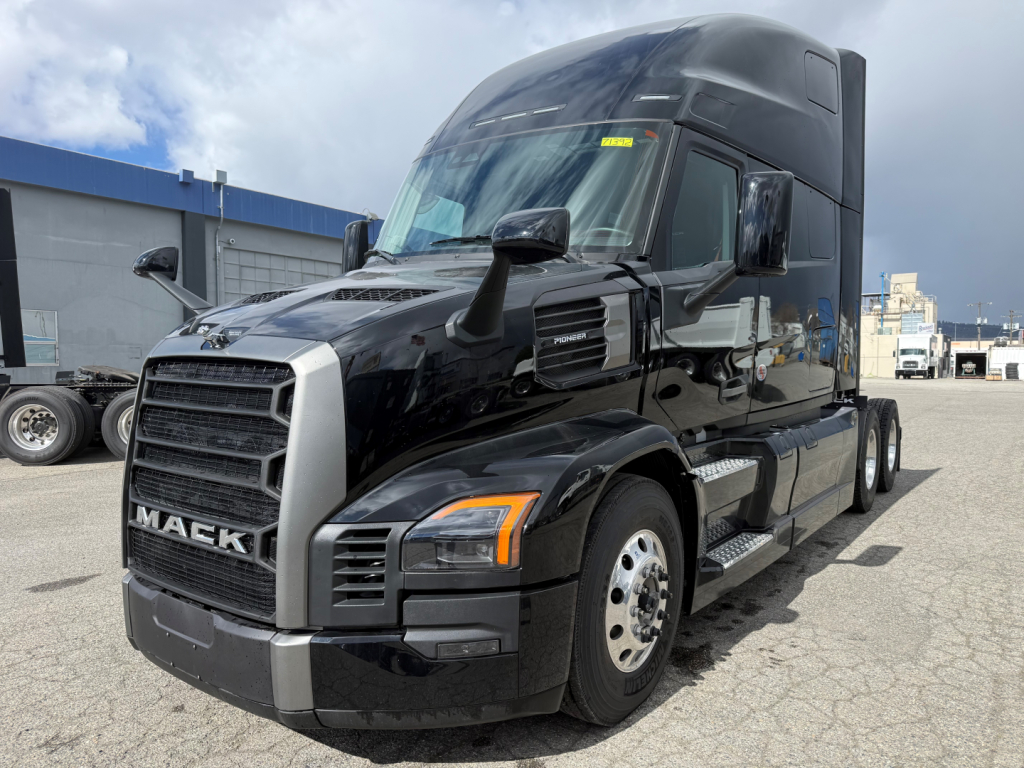
For heavy-duty buyers, the big decisions are engine and drivetrain configuration. Mack MP8 and MP13 engines are common in new highway and vocational builds, often paired with the Mack mDRIVE automated manual in 12-speed or 14-speed versions. That setup is popular for fuel efficiency, driver consistency, and reduced clutch wear, especially in mixed on-road and jobsite work. In vocational trims, look closely at front axle capacity, rear axle rating, suspension type, and wheelbase. Camelback and parabolic spring suspensions remain common for dump and construction use, while air-ride suspensions are more typical on highway day cabs where ride quality, traction management, and trailer compatibility matter more. Disc brakes are increasingly common on premium highway specs, while some vocational and medium-duty applications still use drum brakes for simplicity and service familiarity.
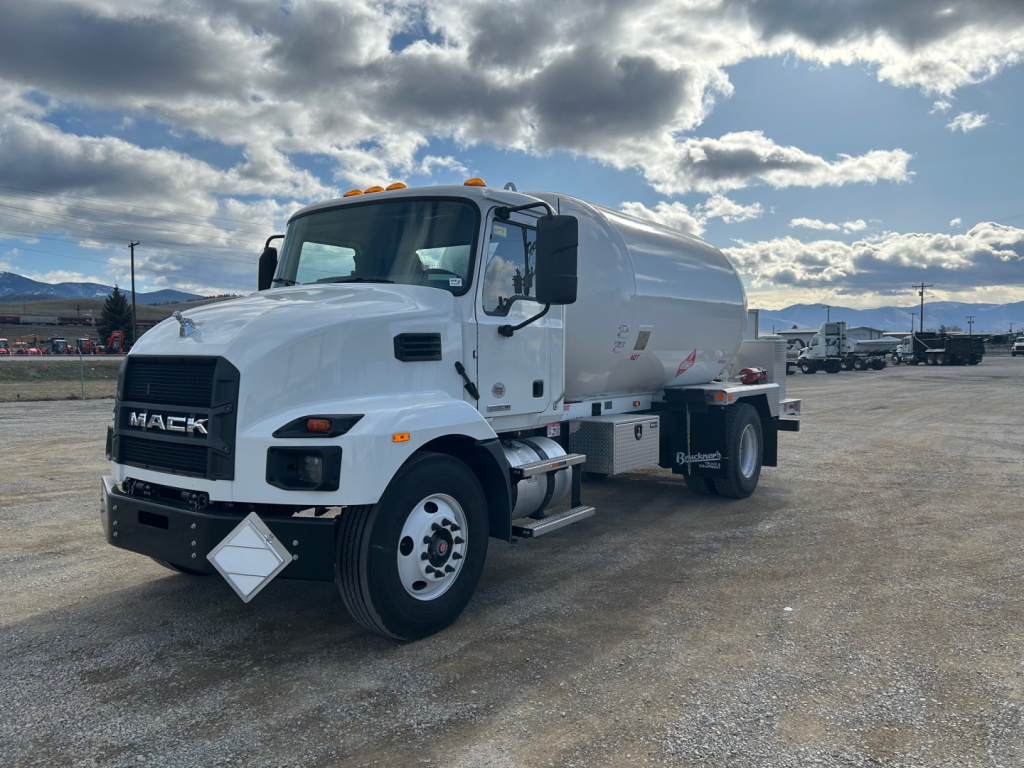
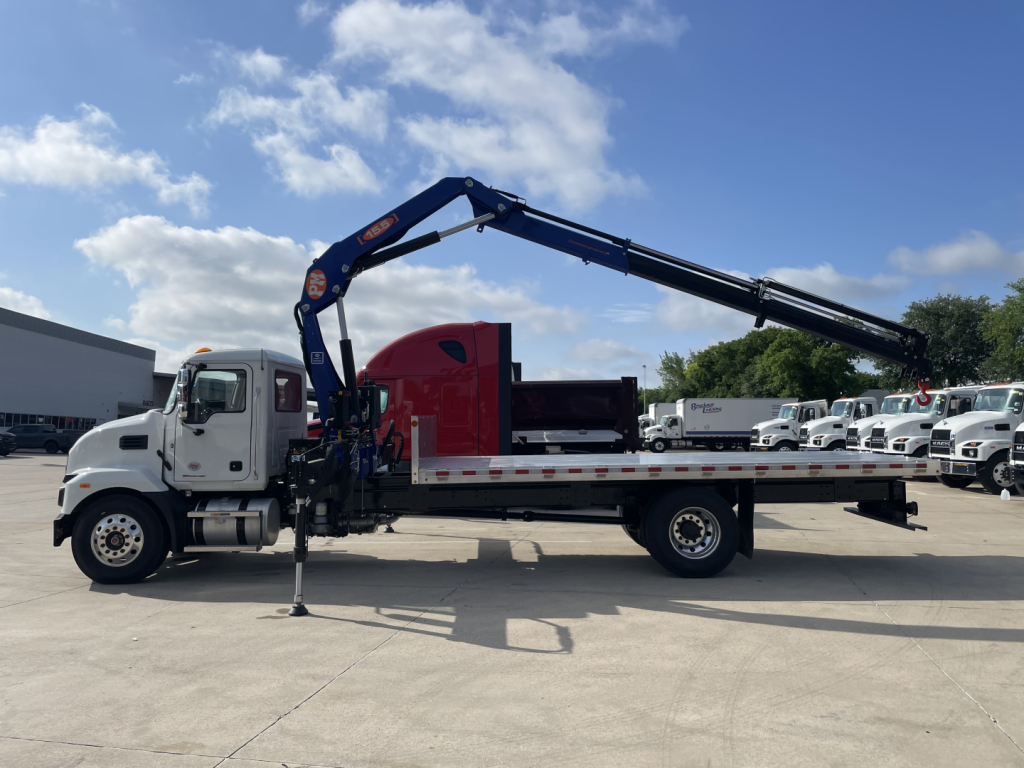
Mack’s medium-duty MD6 and MD7 models deserve separate attention because they fill a very different role than the Class 8 lineup. These trucks are often spec'd for rollback service, fuel or propane delivery, box truck work, and other route-based operations where maneuverability, lower cab height, and straightforward body integration are priorities. Cummins ISB 6.7 power and Allison automatic transmissions are common in these builds, with GVWRs that can fit either non-CDL or CDL applications depending on configuration. Buyers should pay close attention to body and PTO requirements, fuel capacity, cab-to-axle dimensions, rear ratio, and whether the truck will spend most of its life in town, on secondary roads, or covering long rural routes.
Montana operators also need to think about cold-weather starts, grade changes, and longer service intervals between jobsites or customer locations. Block heaters, traction aids, locking differentials, proper tire selection, and the right axle ratio can make a bigger difference here than in flatter or warmer regions. On any new Mack truck, the best value usually comes from getting the spec right on day one: wheelbase that matches the body or trailer, suspension that fits the terrain and payload, horsepower that matches gross weight, and a cab layout that supports the driver’s actual workday. A well-spec'd Mack truck tends to hold appeal across construction, municipal, towing, bulk haul, and regional fleet use because the platform can be tailored closely to the work instead of forcing the job to fit the truck.
Frequently Asked Questions about New Mack Trucks in Montana
What Mack truck models are most common for new truck buyers in Montana?
The most common Mack choices usually split into two groups: Class 8 vocational and highway trucks such as the Granite, Pinnacle, or Pioneer, and medium-duty MD6 or MD7 trucks for delivery and rollback applications. Granite and similar heavy-duty vocational models are often chosen for dump, construction, and severe-duty work because they can be spec'd with heavier front axles, robust suspensions, and body-ready chassis. MD6 and MD7 models are better suited to route work, towing, fuel delivery, and other medium-duty applications where maneuverability and body integration are priorities.
Is the Mack mDRIVE transmission a good choice for vocational work?
Yes, the Mack mDRIVE is widely used in both highway and vocational applications when it is matched to the right engine, axle ratio, and duty cycle. It helps reduce driver fatigue, promotes consistent shifting, and can improve component life by minimizing clutch abuse. For dump, construction, and mixed-terrain use, buyers should confirm the transmission programming, low-speed maneuverability, PTO compatibility if needed, and whether the truck is paired with the proper suspension and rear axle ratio for starting loads on grades or soft surfaces.
What should I look at first when comparing new Mack dump trucks?
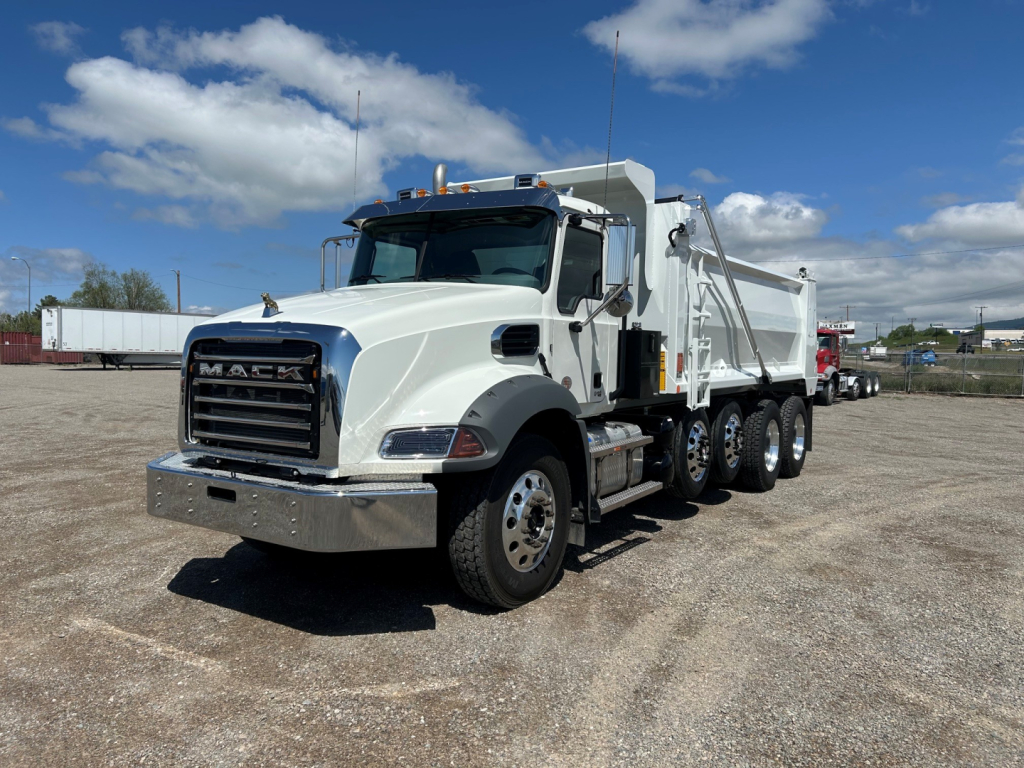
Start with axle ratings, suspension, wheelbase, body specification, and engine horsepower. A dump truck that looks similar on paper can perform very differently depending on front axle capacity, rear suspension design, frame setup, and the material used in the body floor and sides. Buyers should also review tarp system, hoist spec, trailer or pintle provisions, brake type, and whether the truck is built for aggregate, asphalt, demolition, or general construction hauling. In mountain and rural conditions, gearing and traction equipment deserve as much attention as engine output.
Are Mack MD6 and MD7 trucks suitable for non-CDL applications?
They can be, depending on the final GVWR and body configuration. Some MD6 and MD7 builds are spec'd to stay within non-CDL limits, while others exceed that threshold once the chassis and body are combined. This is especially important for rollback, service, and local delivery applications where driver qualification affects staffing flexibility. Buyers should verify the exact GVWR, payload expectations, and any mounted equipment weight before assuming a medium-duty Mack will qualify as non-CDL.
What specs matter most for a new Mack day cab used in regional hauling?
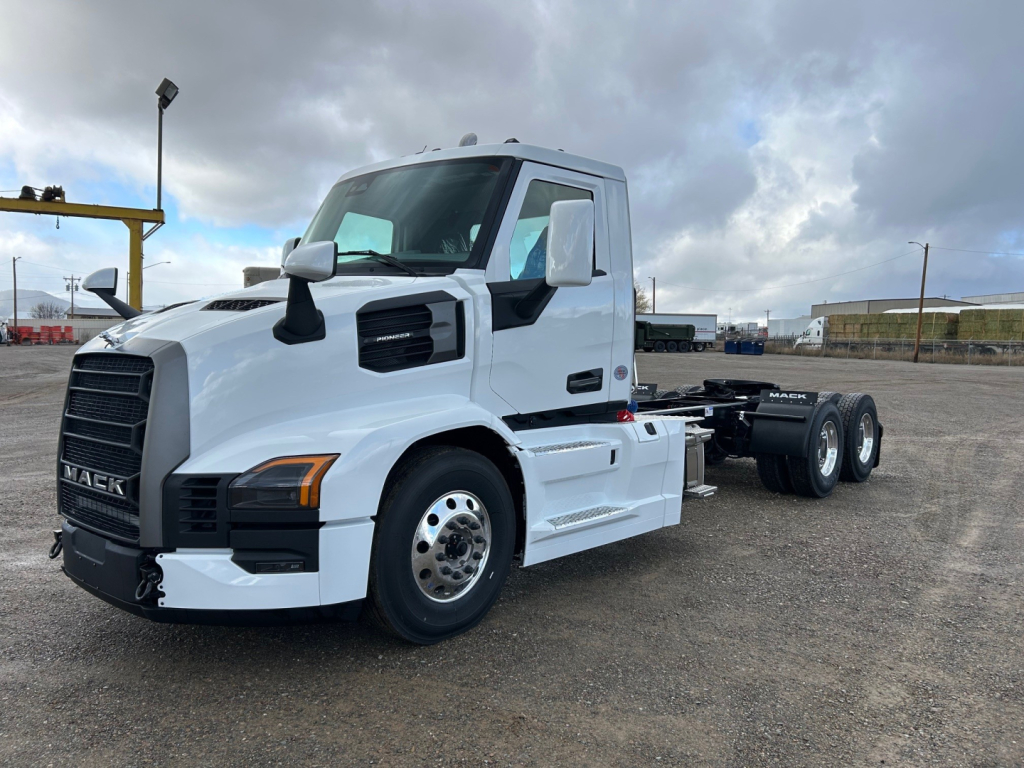
The main factors are wheelbase, fifth wheel setup, rear axle ratio, suspension type, horsepower, and brake configuration. A regional day cab needs to match the trailer types it will pull and the terrain it will cover. In Montana, that often means balancing highway fuel economy with enough power and gearing for grades, weather, and variable trailer weights. Air-ride suspension, sliding fifth wheel, and an efficient engine-transmission package are common priorities, but kingpin setting and axle placement should also be checked to make sure the truck will scale and maneuver properly with the intended trailers.