
New Commercial Trucks For Sale in Arkansas
Shop new trucks for sale in Arkansas, including day cabs, sleepers, flatbeds, and dump trucks built for regional, vocational, and highway work.
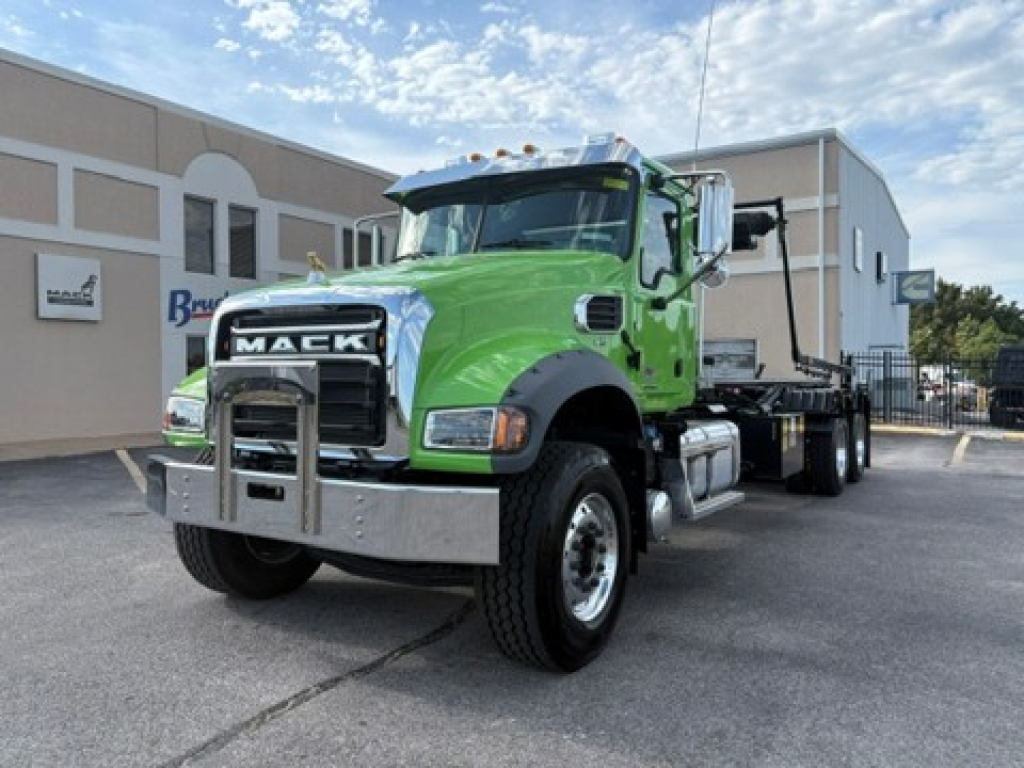
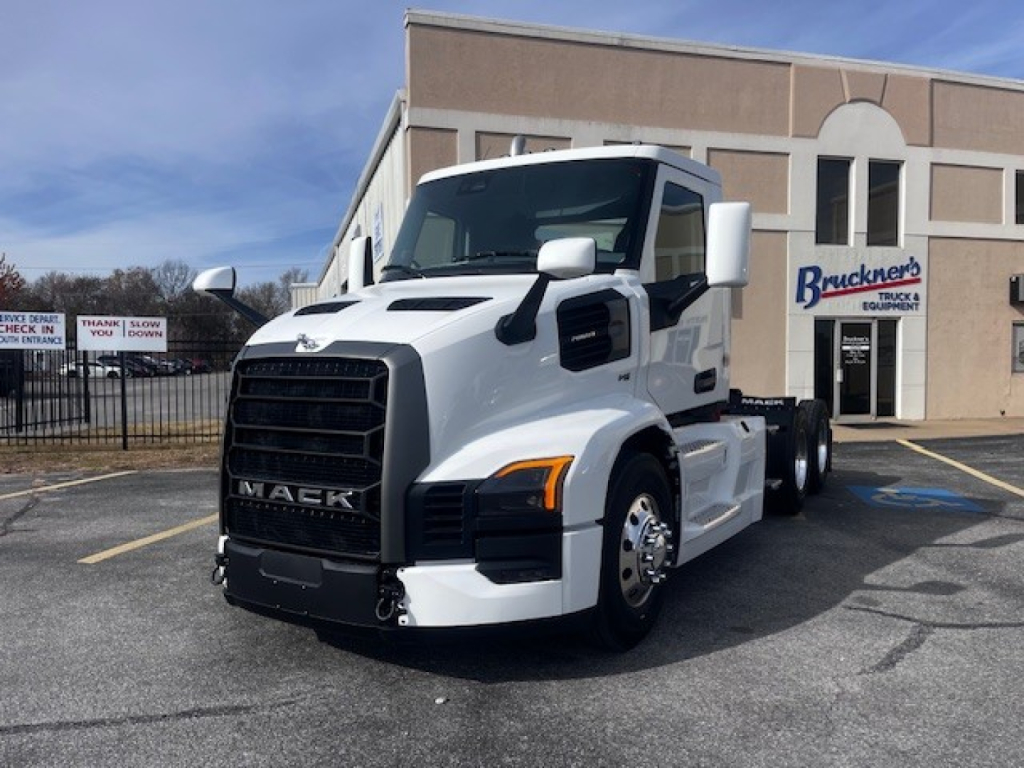
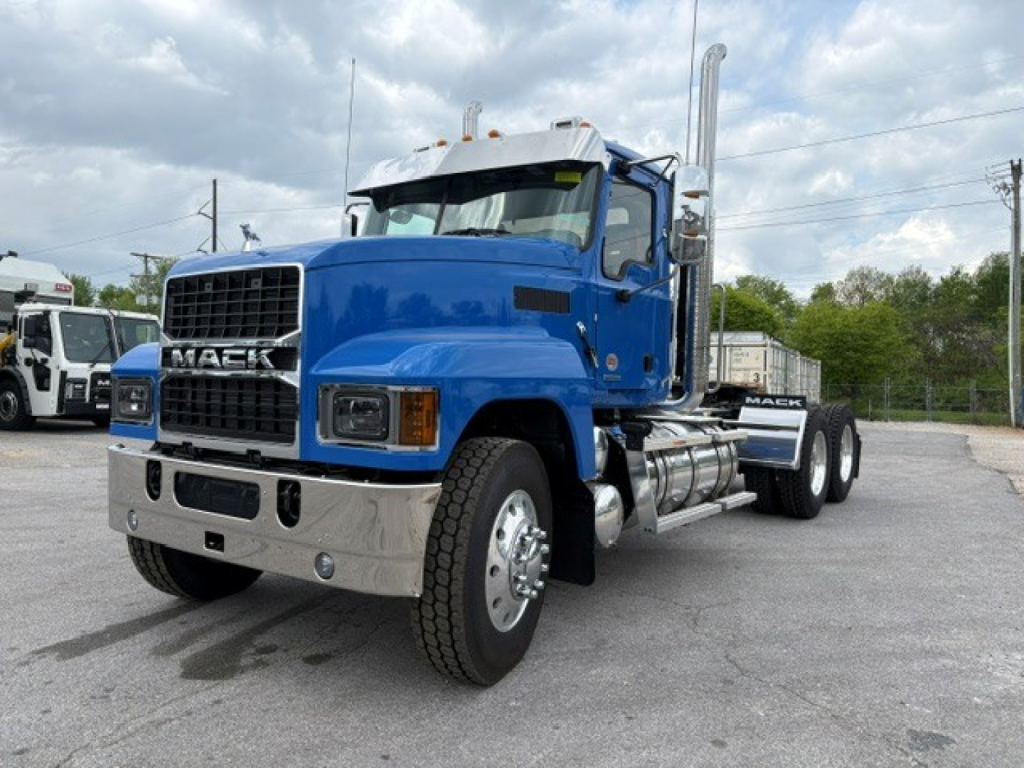
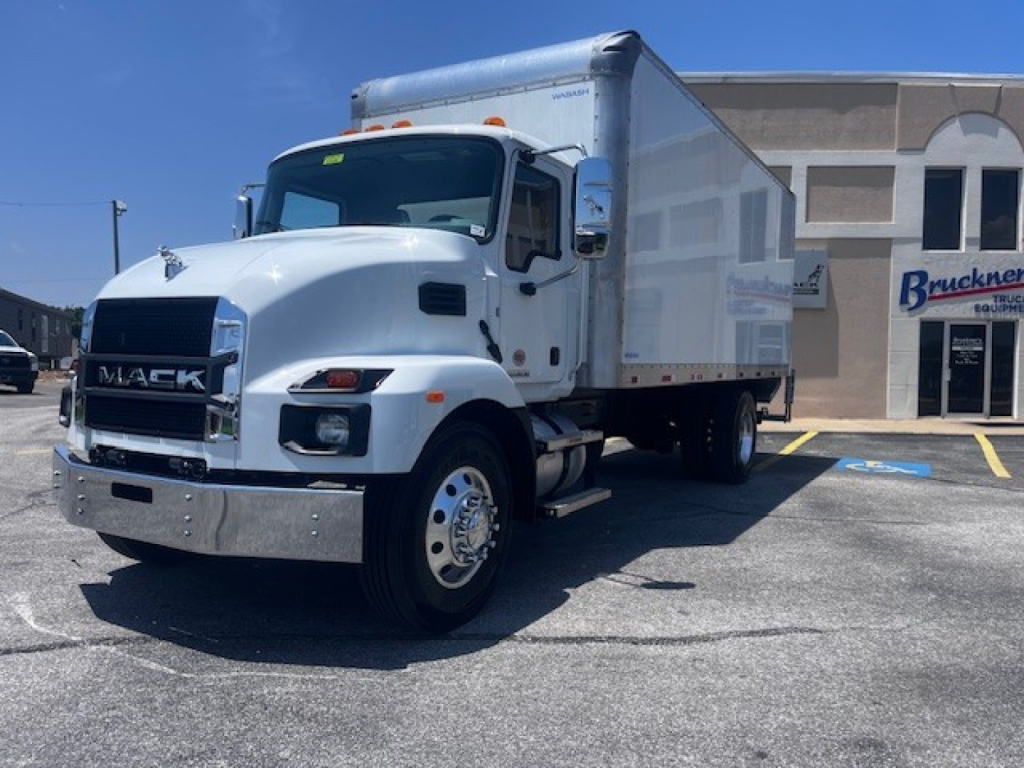
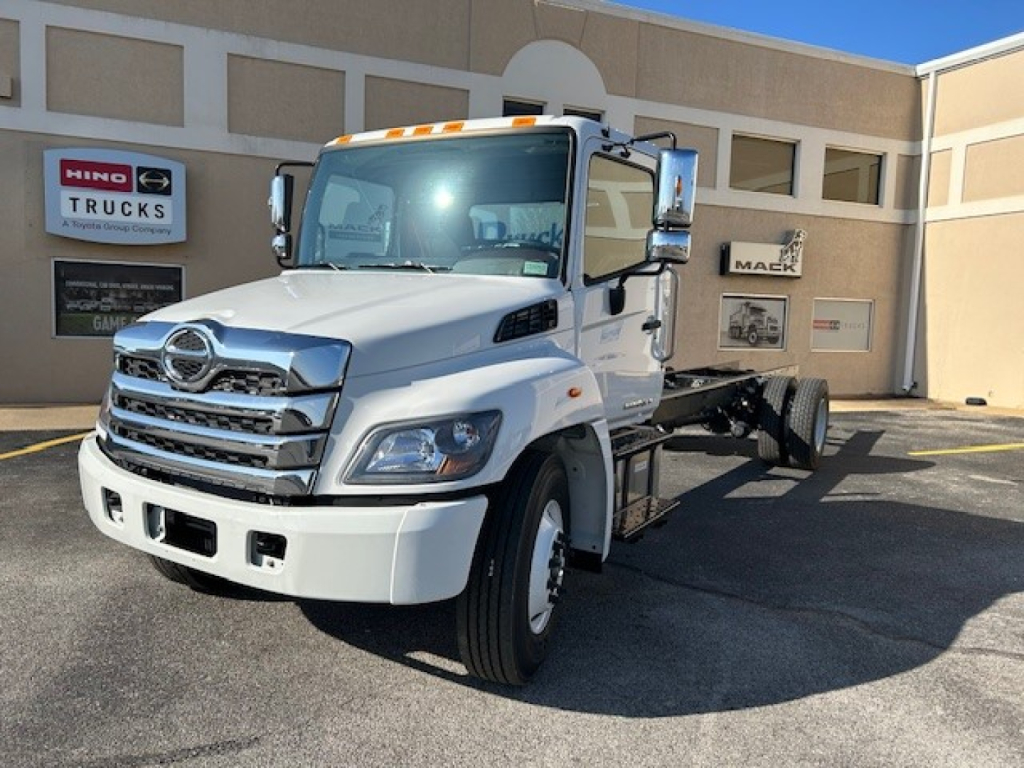
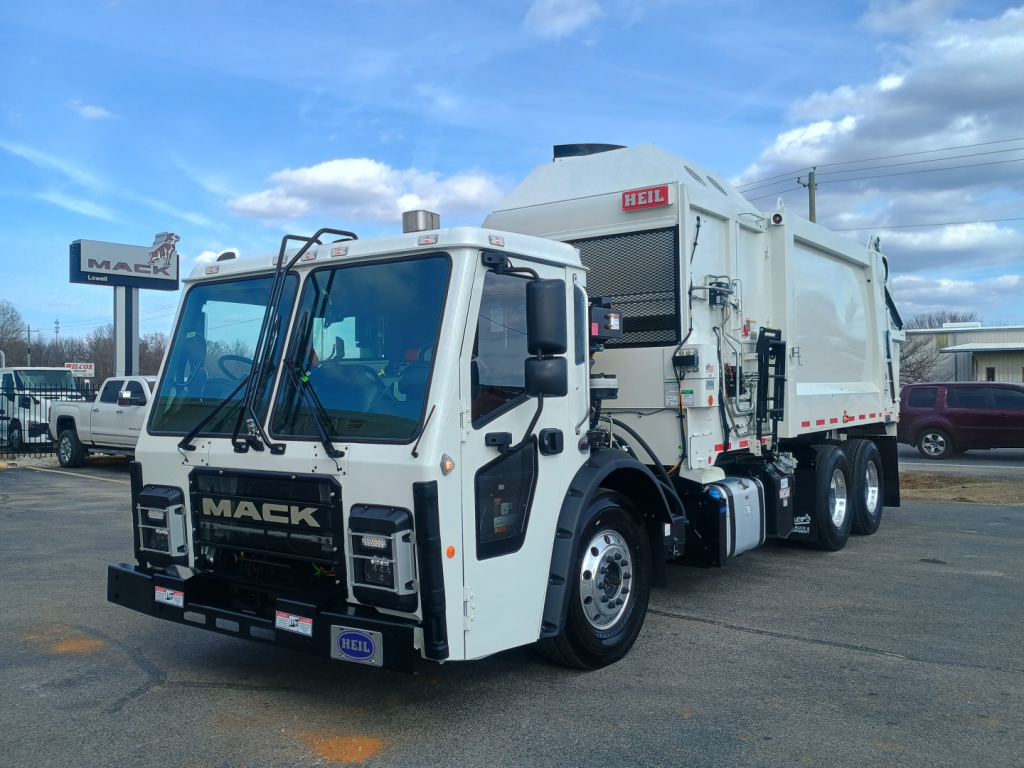
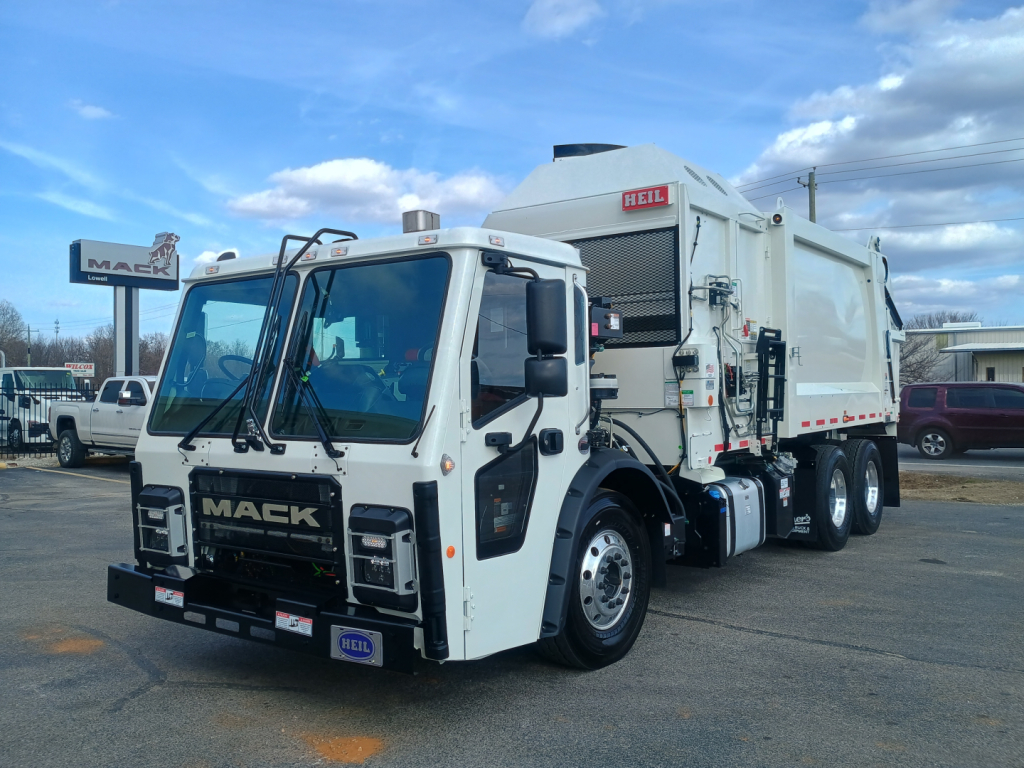
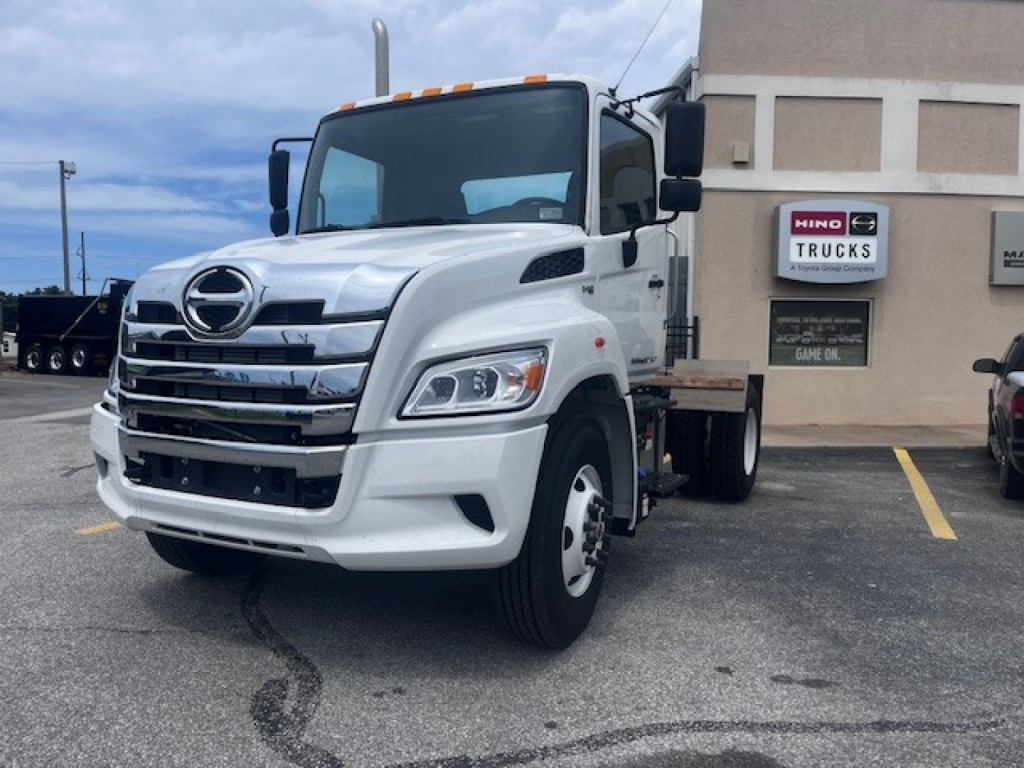
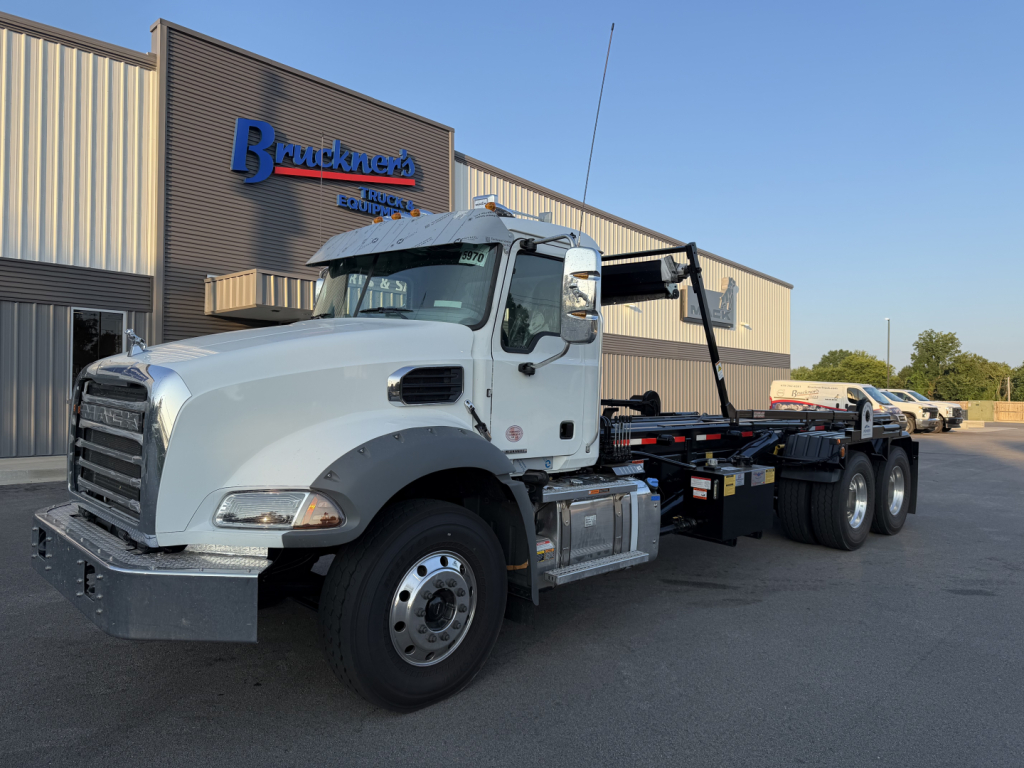
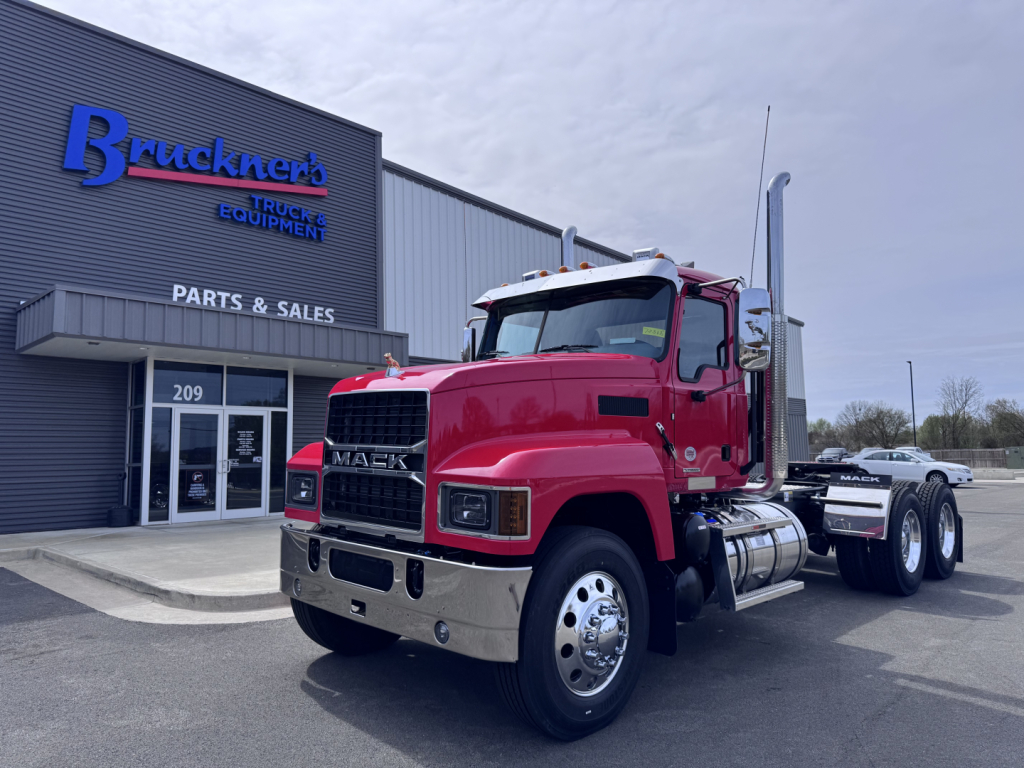
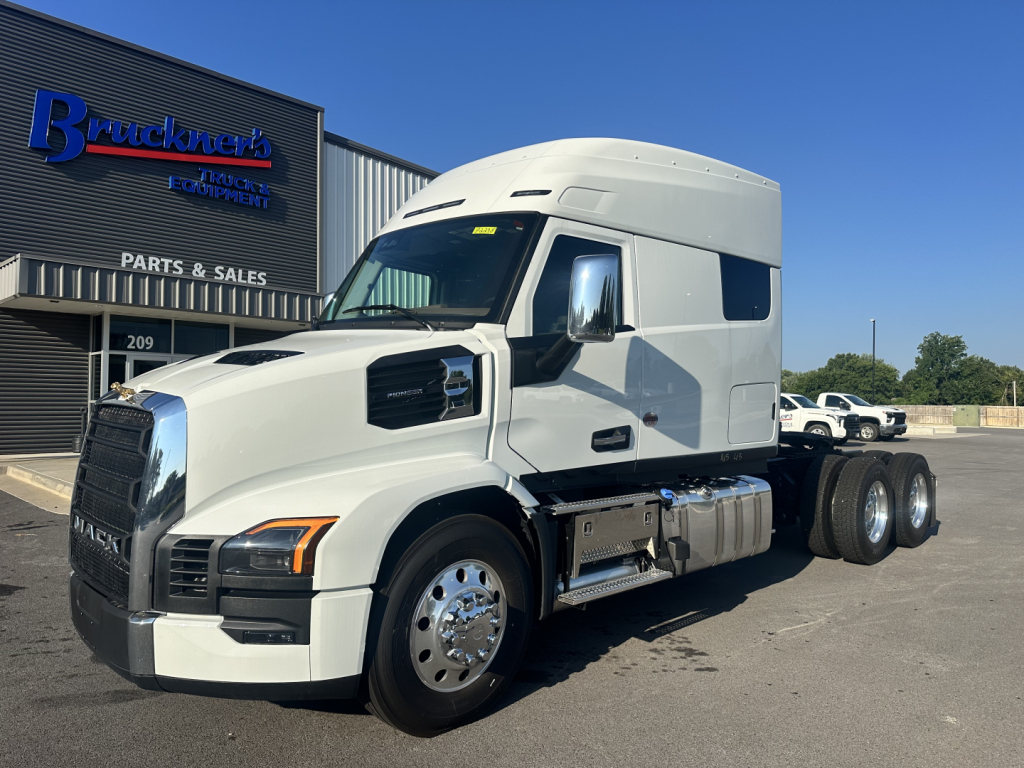
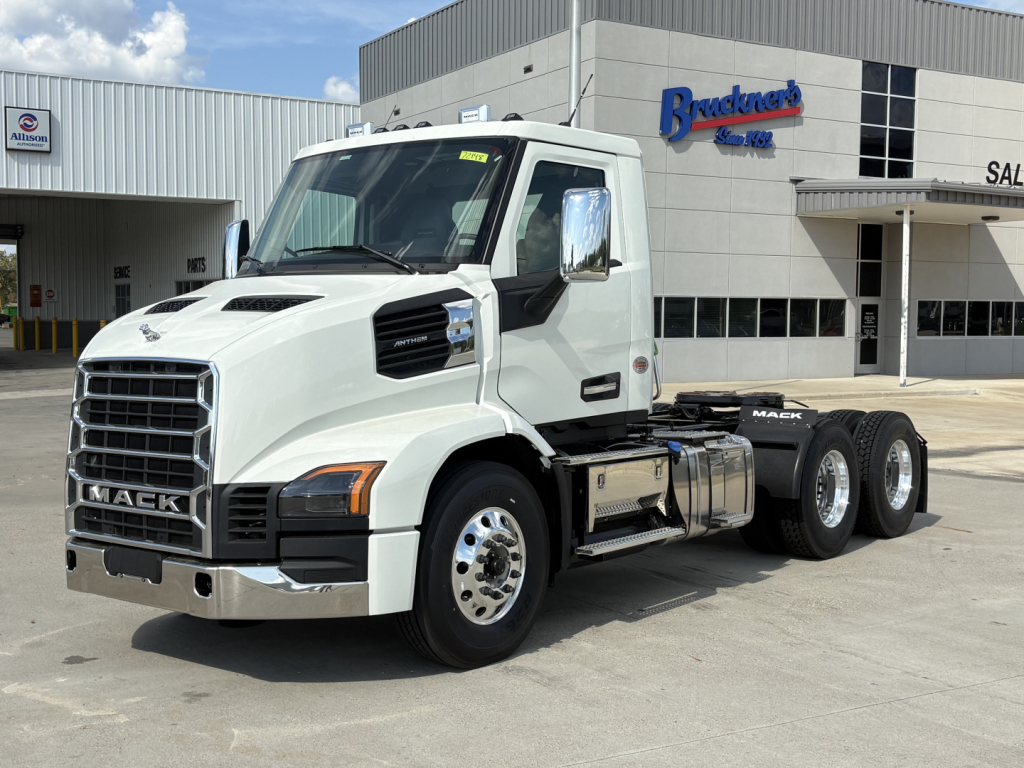
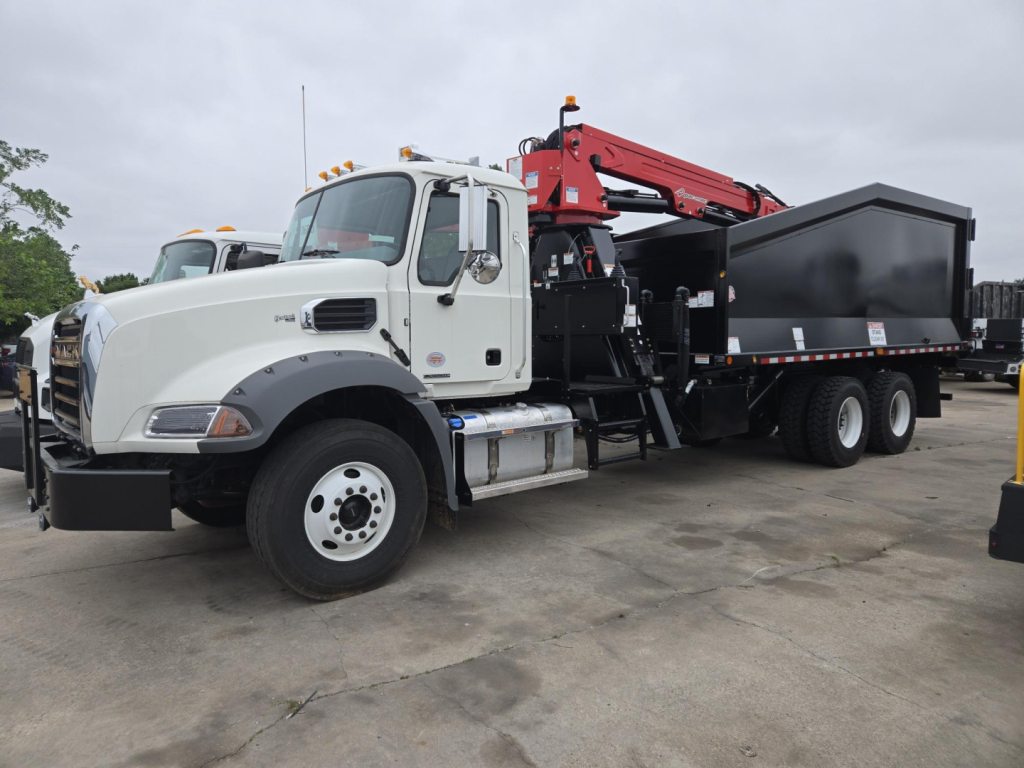
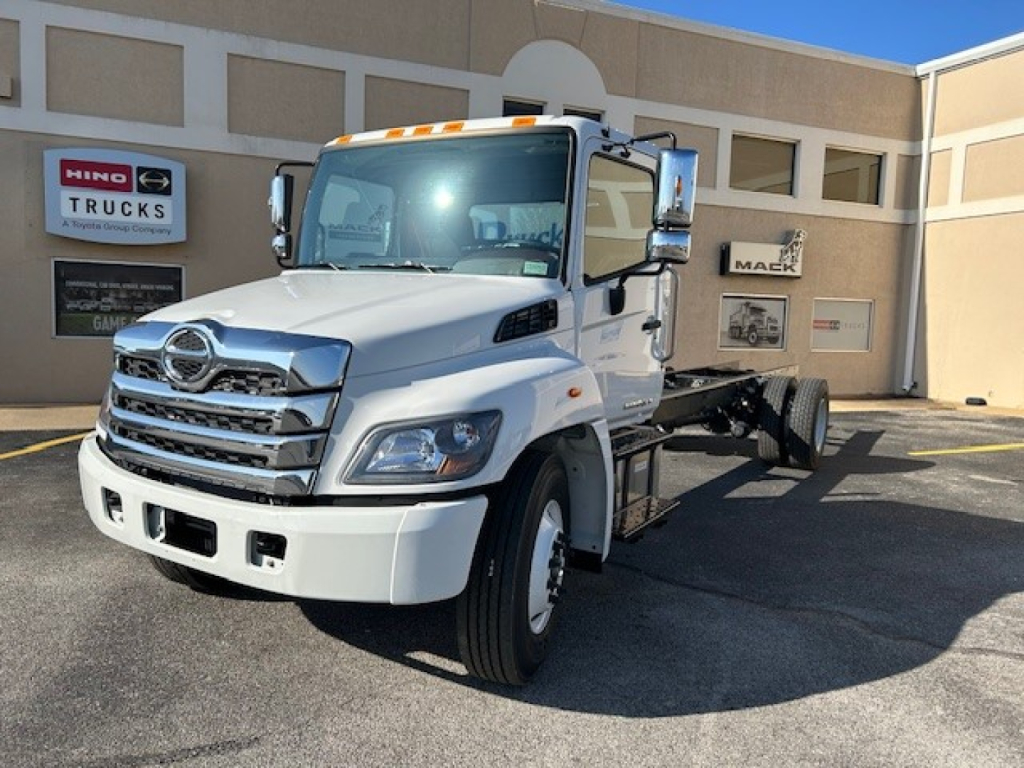
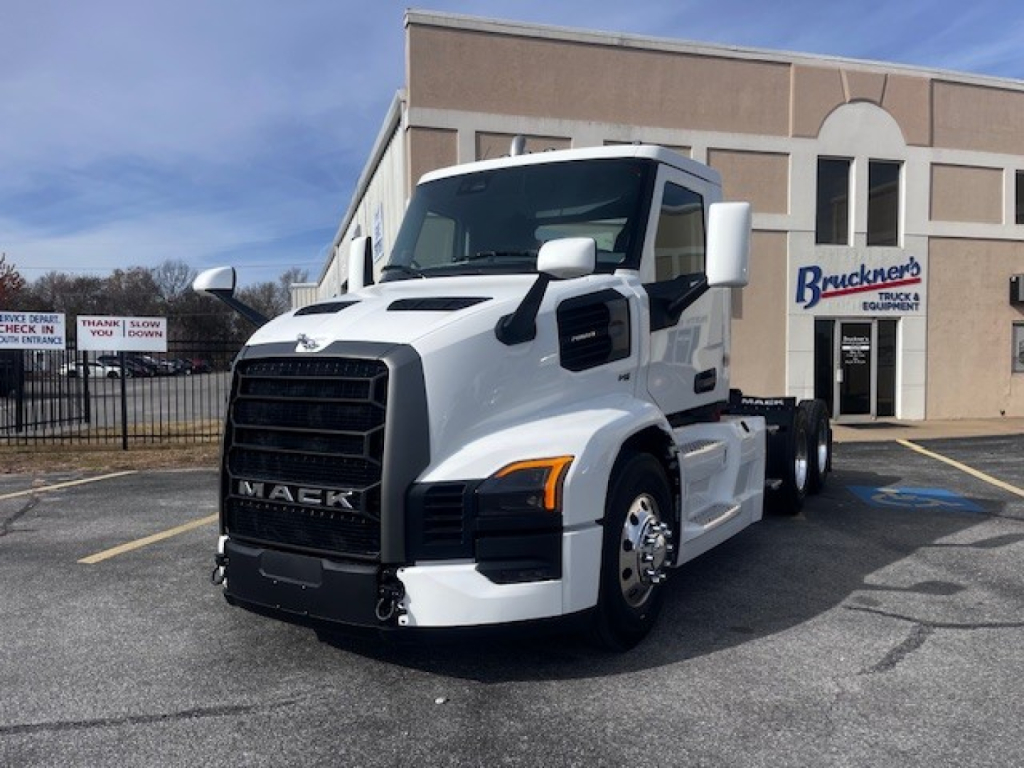
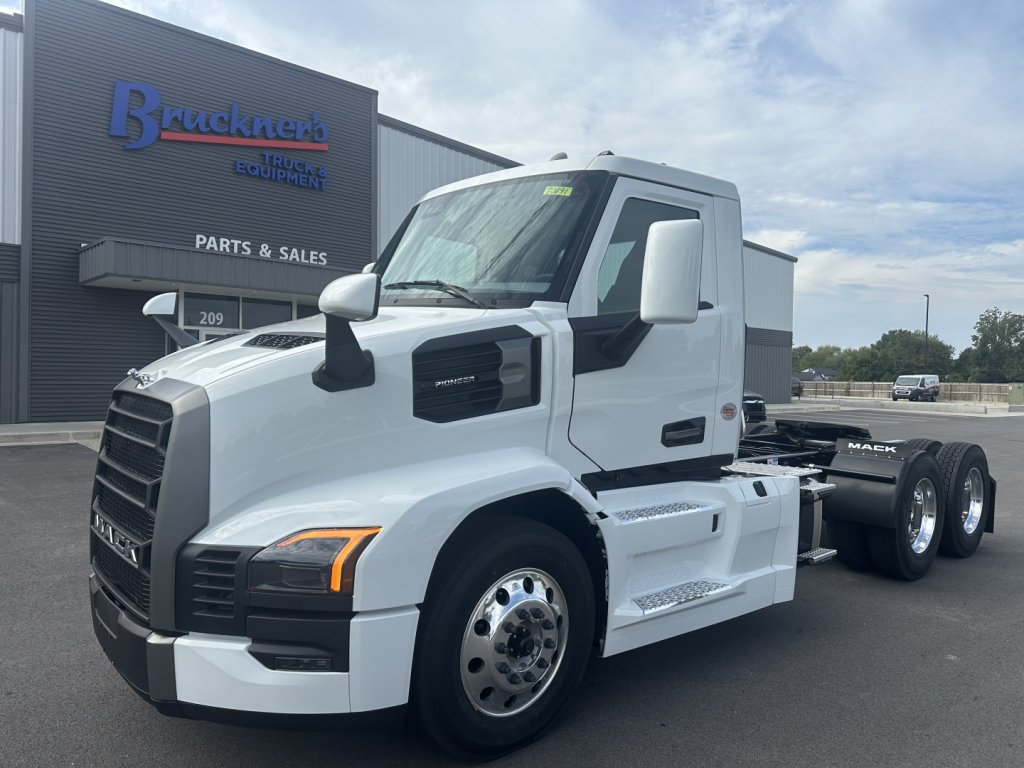
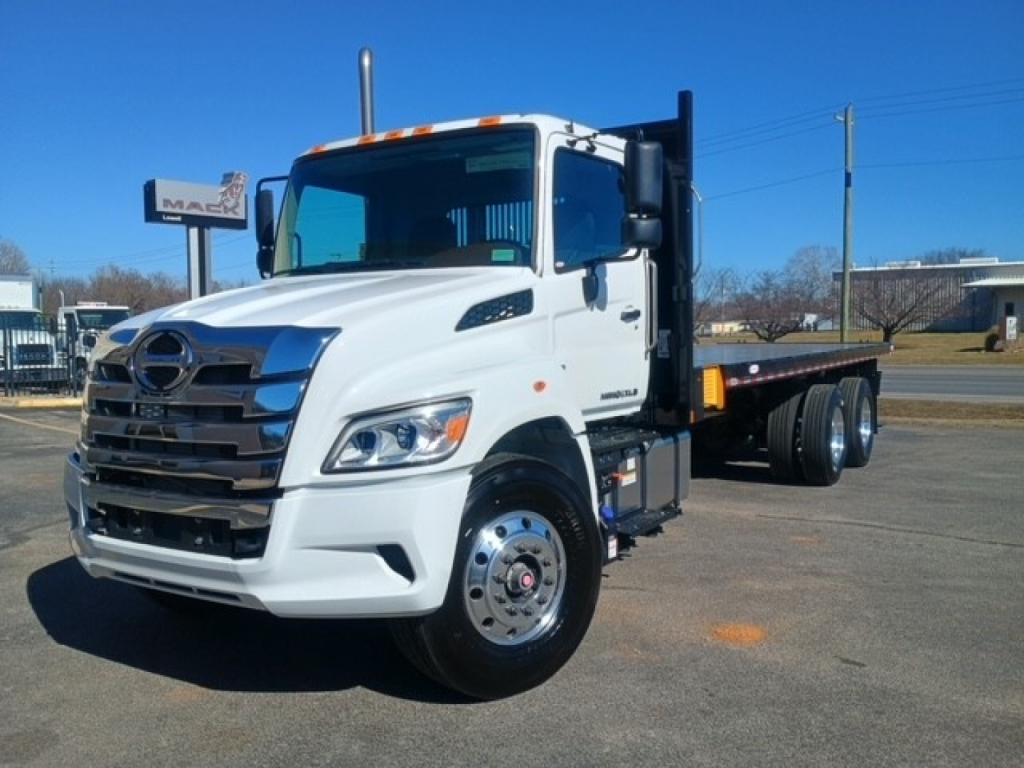
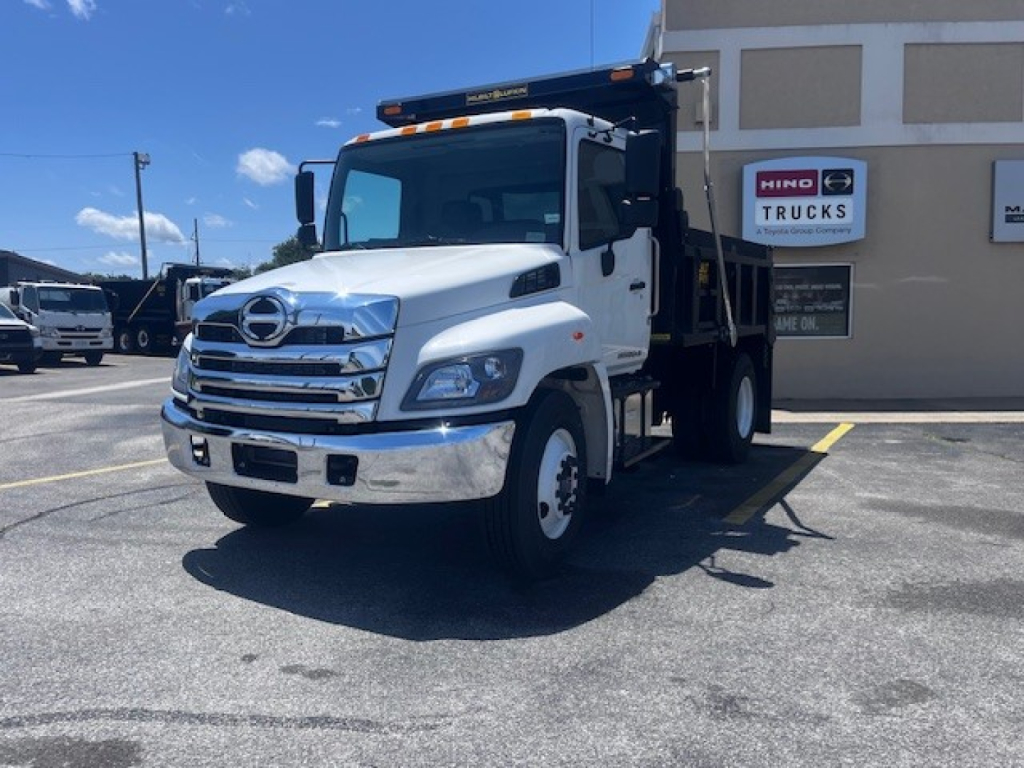
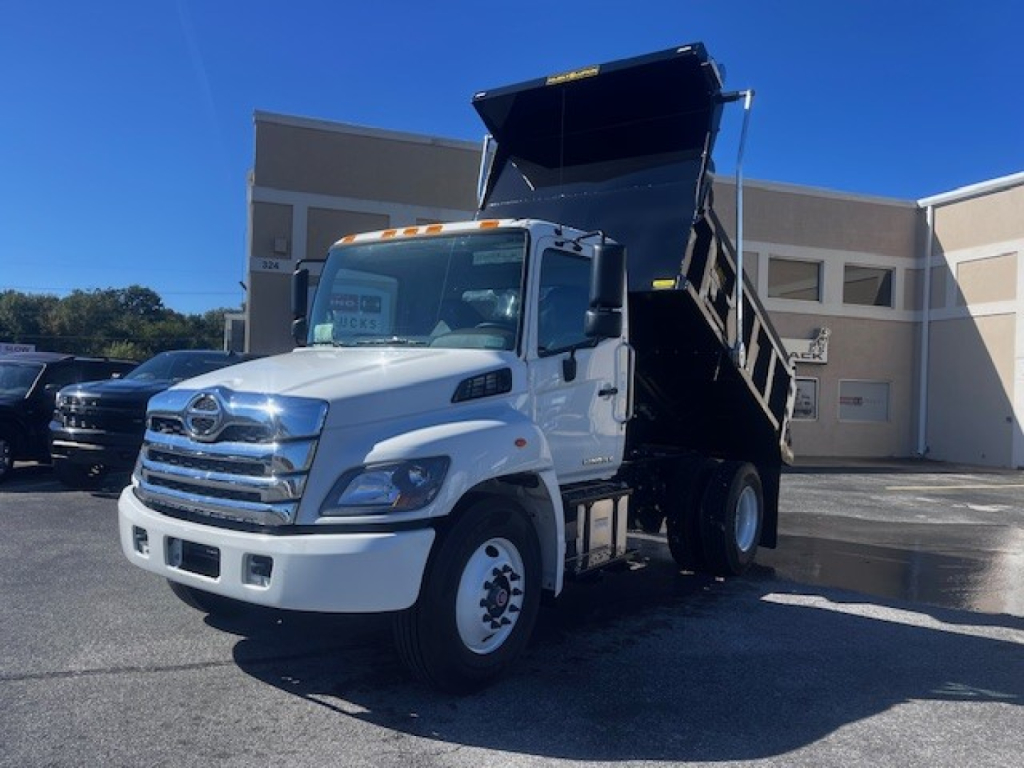
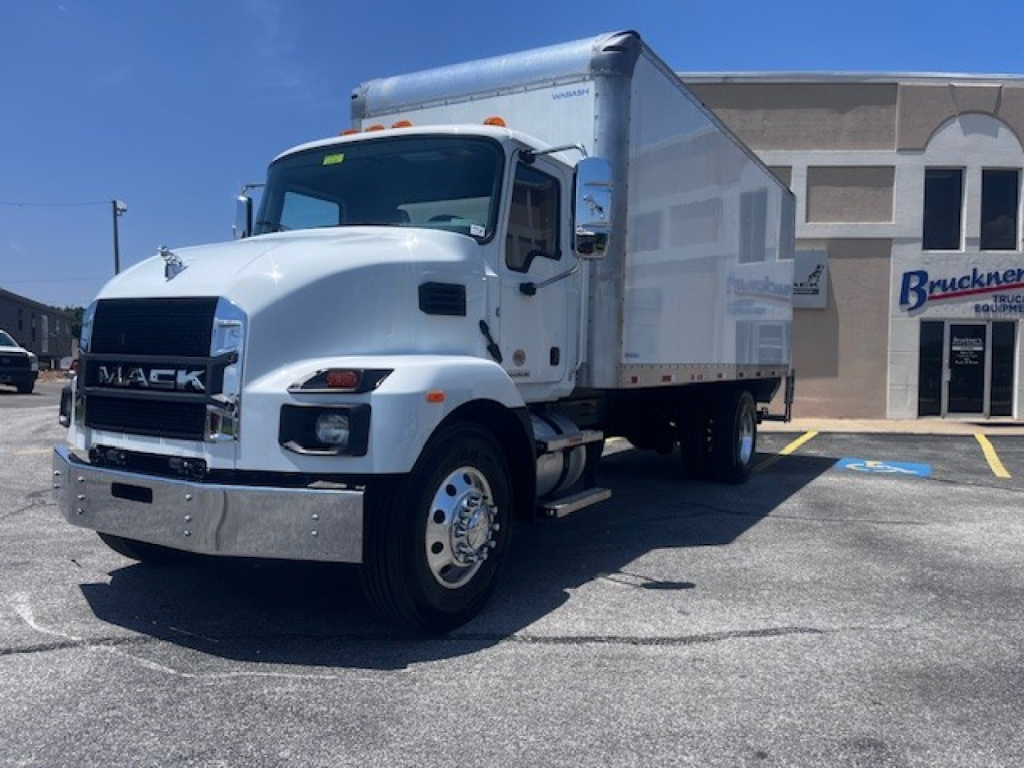
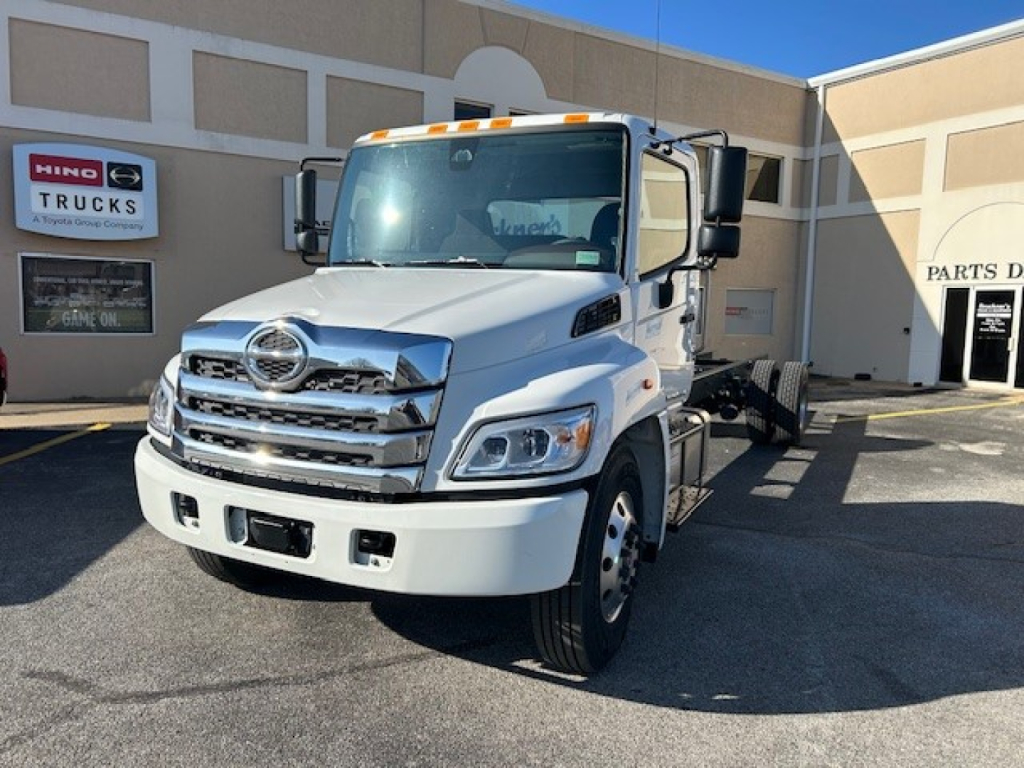
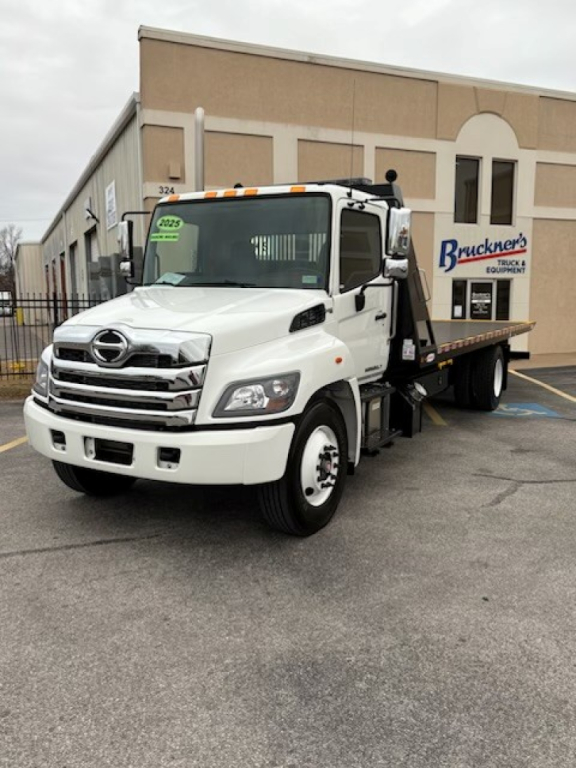
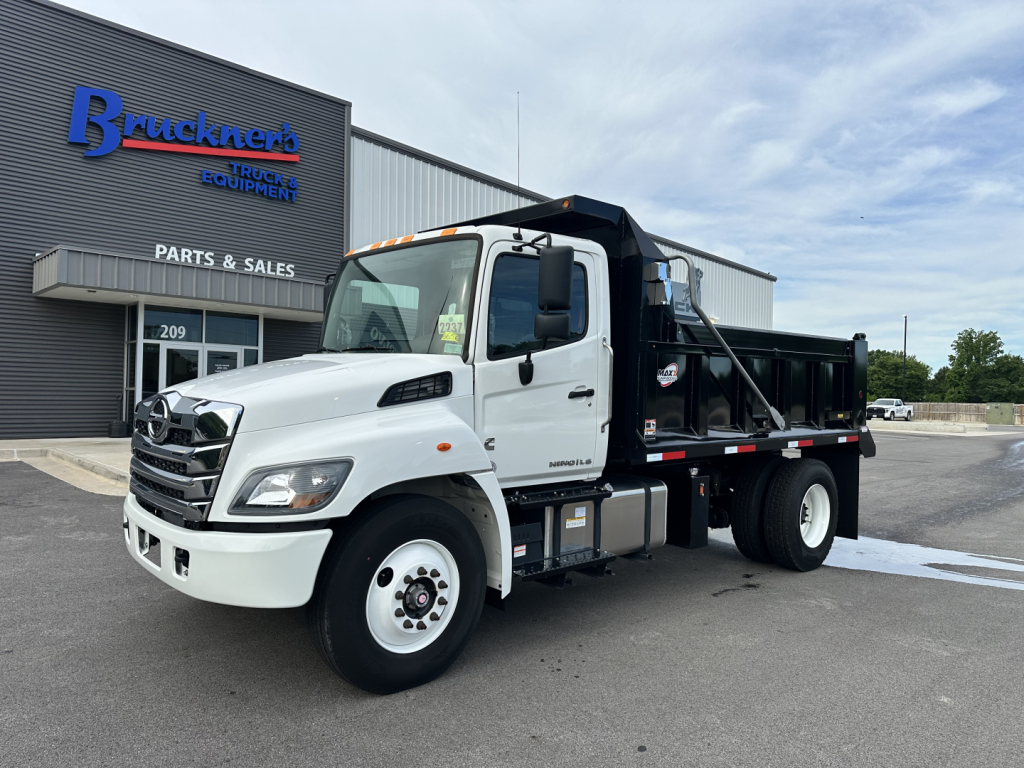
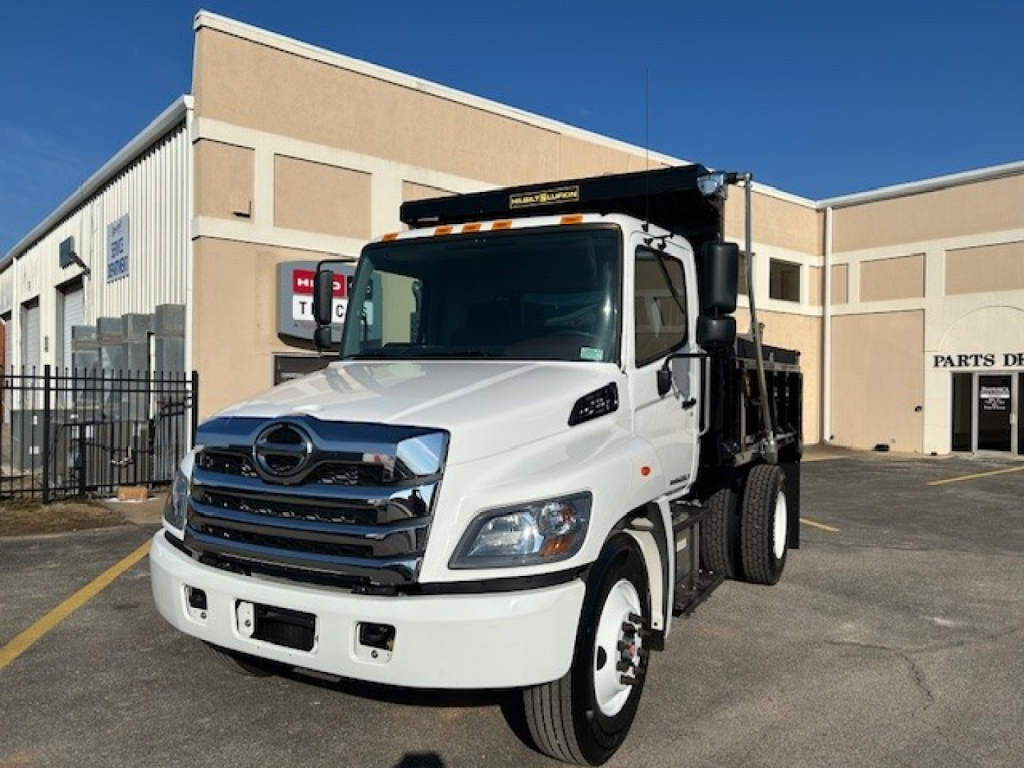

Showing 1 to 28 of 29 results
Selling a new commercial truck? List your new commercial truck for sale and reach thousands of commercial buyers.
New Commercial Trucks in Arkansas
For highway and regional tractor work, pay close attention to cab style, engine rating, transmission spec, and rear axle ratio. A day cab is a common choice for short-haul, port, dedicated route, and local industrial work where payload, maneuverability, and lower tare weight matter more than sleeper space. A conventional sleeper is built for over-the-road service and driver comfort on longer runs. Typical new truck specs in this class may include 6x4 drivetrains, diesel engines in the 350 to 500-plus horsepower range, automated manual or automatic transmissions, air-ride suspensions, and fuel tank configurations sized for the intended route length. Logging, heavy haul, and bulk commodity buyers in Arkansas often prioritize higher horsepower, locking differentials, durable suspensions, and gear ratios that balance startability with cruising efficiency.
Vocational truck buyers should focus on body integration and axle package before comparing trim or appearance. A new dump truck needs the right frame strength, PTO setup, hoist compatibility, axle spread, and suspension for the material being hauled. Flatbed trucks, also known as stake bed or platform trucks in some applications, are commonly spec'd around body length, deck height, tie-down access, forklift kits, toolbox placement, and payload capacity. Front axle ratings, rear axle capacity, lift axles, brake type, and wheelbase all affect legal payload and maneuverability. Disc brakes, driver-assistance systems, and factory telematics are also more common on new trucks and can improve uptime, safety, and maintenance planning.
Buying new gives you the advantage of current emissions technology, warranty coverage, and a spec that is closer to your actual operation instead of a compromise. The key is matching the truck to the lane or jobsite. In Arkansas, that may mean a road tractor set up for I-40 and I-49 freight, a dump spec built for construction and quarry work, or a flatbed chassis designed around masonry, steel, or equipment delivery. Look closely at GVWR and GCWR, body and axle configuration, cab layout, and serviceability. The best new truck is the one with a spec sheet that fits your freight, terrain, and operating costs from day one.
Frequently Asked Questions about New Commercial Trucks in Arkansas
What types of new trucks are commonly available in Arkansas?
New trucks in Arkansas commonly include conventional day cabs, sleeper tractors, dump trucks, flatbed trucks, and other vocational chassis. The right type depends on the work. Day cabs are common for local and regional hauling, sleepers are built for longer over-the-road routes, dump trucks are used in construction and aggregate work, and flatbeds serve material delivery, equipment transport, and industrial applications.
What should I look at first when buying a new truck?
Start with the application and the weight requirement. Buyers should confirm GVWR or GCWR needs, axle ratings, wheelbase, suspension type, engine horsepower, transmission, and rear axle ratio before comparing appearance or convenience features. On vocational units, body compatibility, PTO requirements, and legal payload matter just as much as the chassis spec.
Is a day cab or sleeper better for Arkansas freight?
A day cab is usually the better fit for local delivery, regional lanes, dedicated contracts, and vocational tractor work where drivers return regularly and maneuverability matters. A sleeper is better for long-haul freight, multi-day routes, and operations that need onboard rest space and more storage. The decision comes down to route length, driver schedule, and how much weight and wheelbase flexibility the operation can give up for added living space.
What specs matter most on a new dump or flatbed truck?
For a new dump truck, key specs include frame rating, body length, hoist setup, PTO compatibility, axle capacities, lift axle configuration, brake package, and suspension. For a new flatbed truck, buyers usually focus on deck length, body rating, tie-down layout, forklift provision, toolbox placement, wheelbase, and payload capacity. In both cases, the truck should be matched to the material, equipment, and route conditions it will handle every day.
Why do axle ratio and suspension matter on a new truck?
Axle ratio affects startability, grade performance, cruise RPM, and fuel economy, so it has a direct impact on both drivability and operating cost. Suspension choice affects ride quality, traction, durability, and body compatibility. Air-ride suspensions are common for highway comfort and certain sensitive loads, while vocational applications may lean toward heavier-duty setups designed for rough surfaces, jobsite stress, and higher stability under load.