
New 2025 Commercial Trucks For Sale in Arkansas
Shop new 2025 trucks for sale in Arkansas, including day cabs, sleepers, dump trucks, and box trucks with current specs and emissions tech.
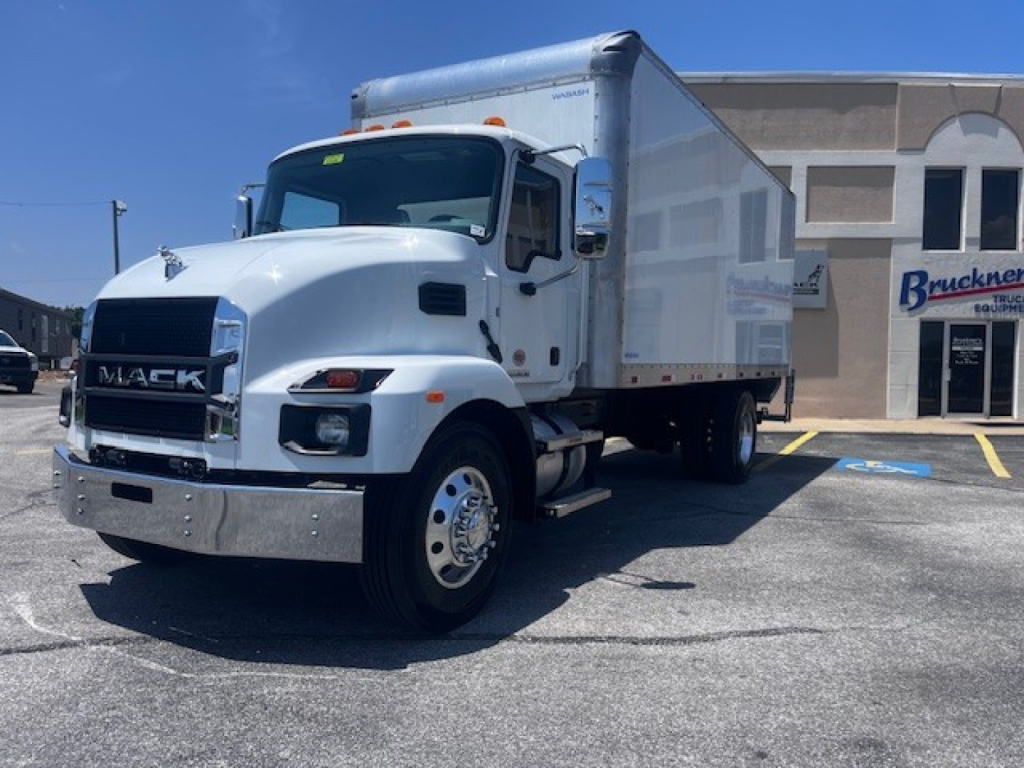
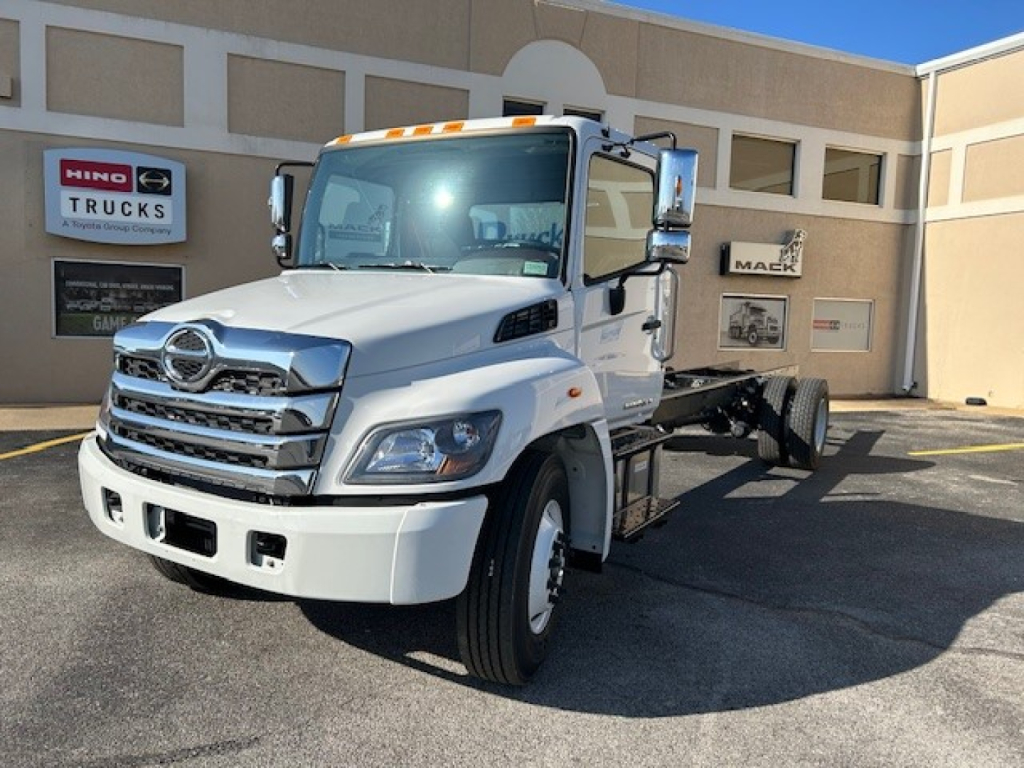
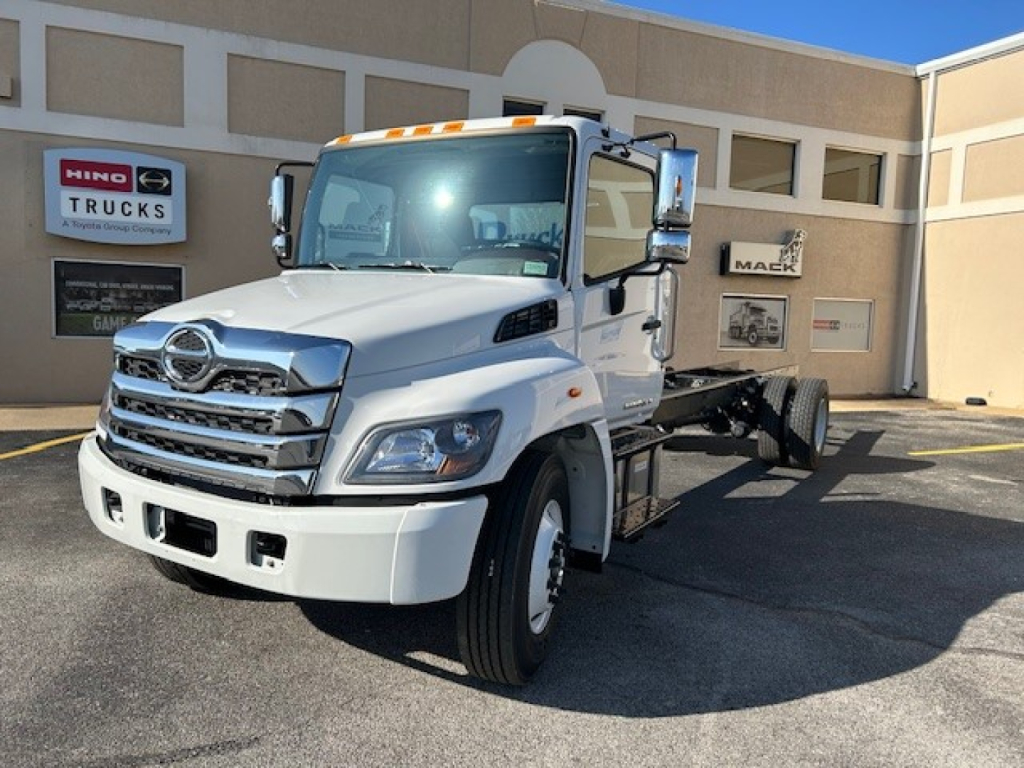
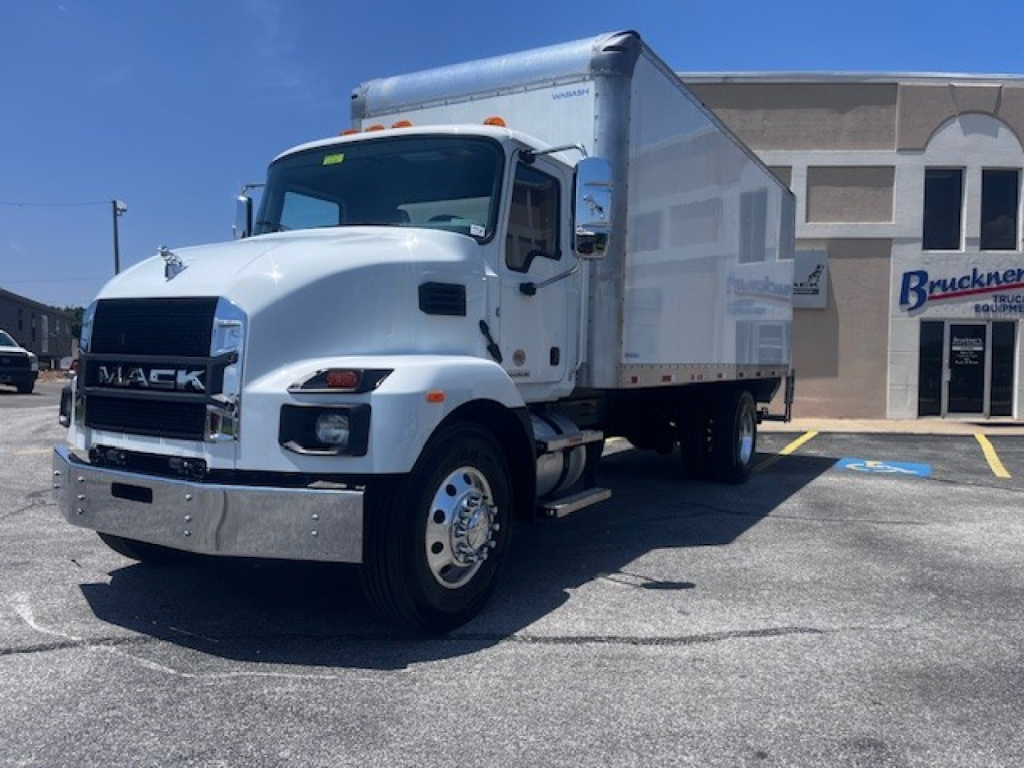
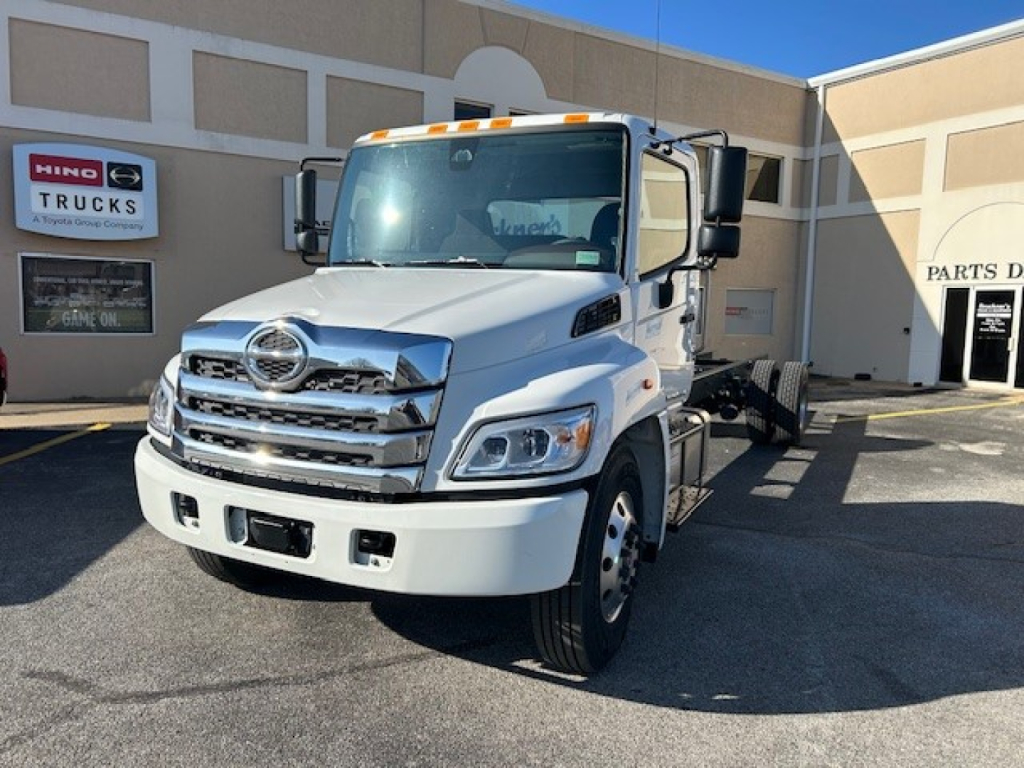
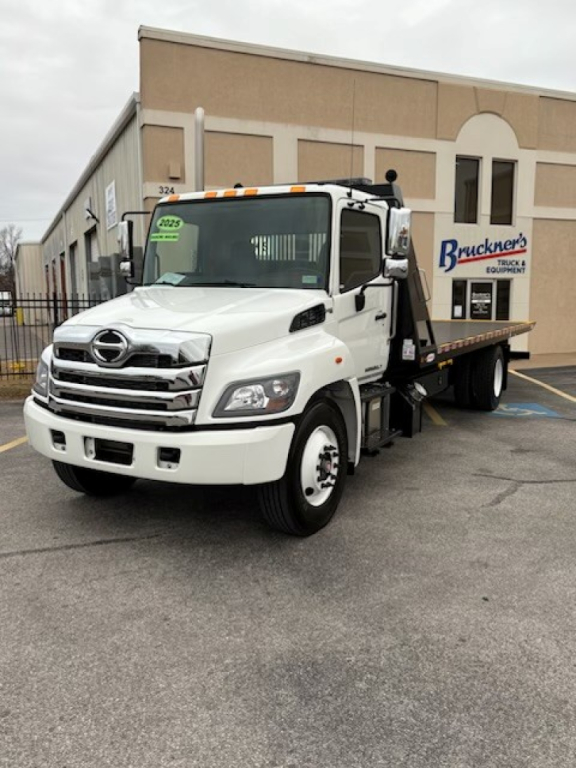
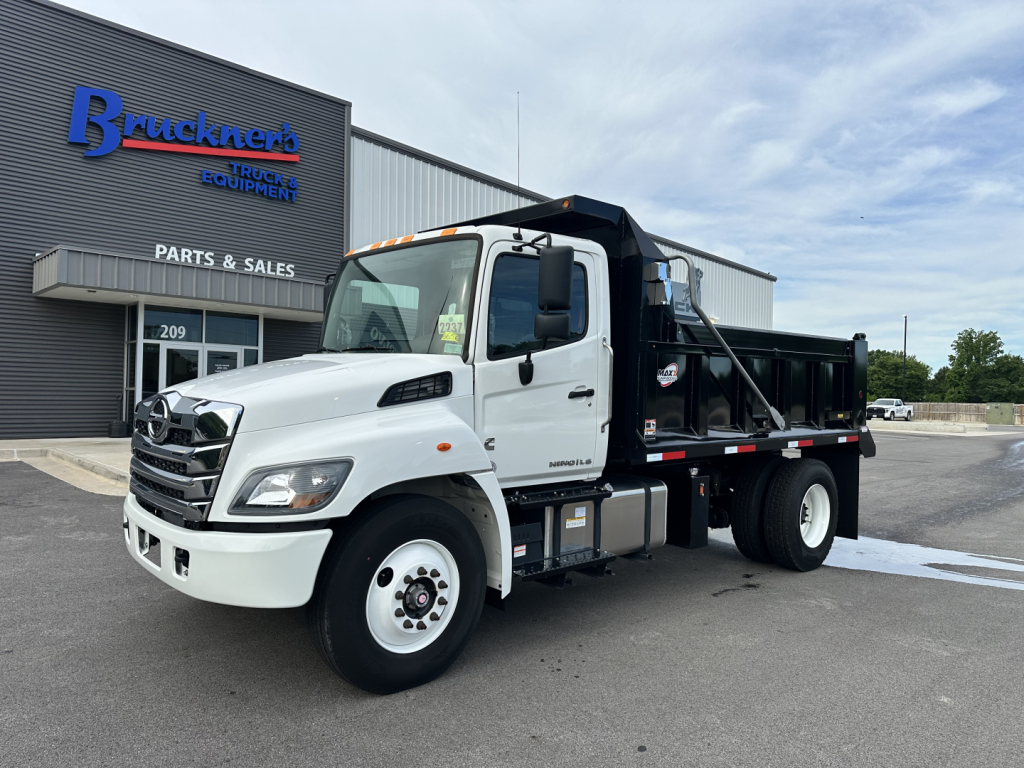
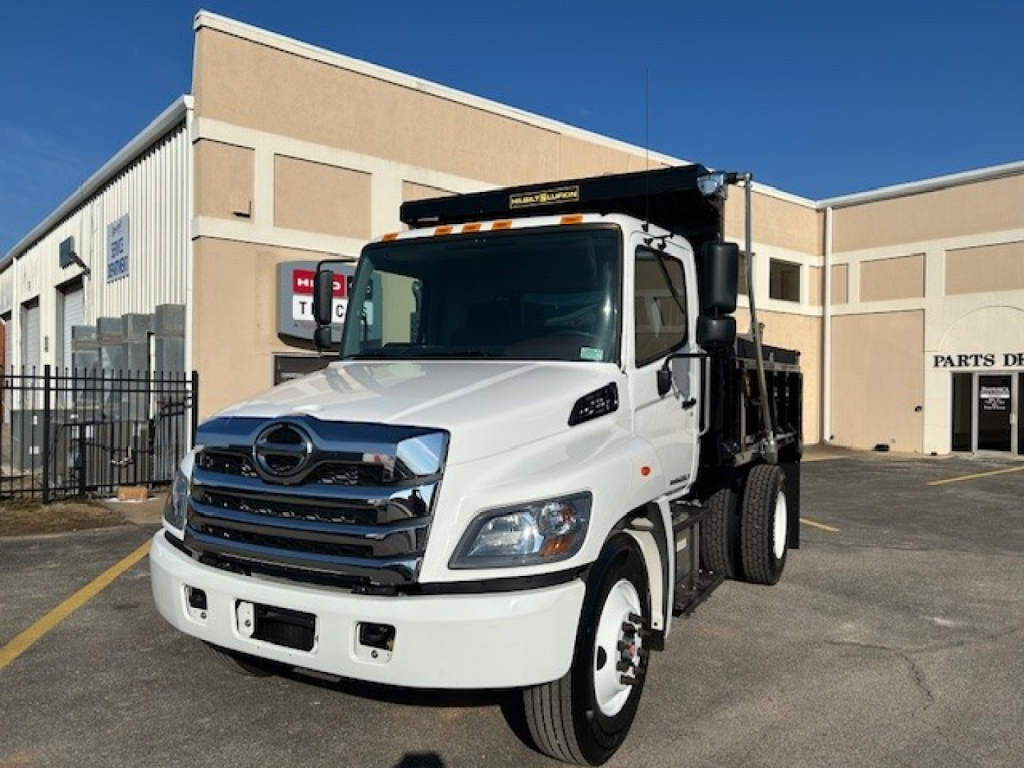
Selling a new 2025 commercial truck? List your new 2025 commercial truck for sale and reach thousands of commercial buyers.
New 2025 Commercial Trucks in Arkansas
In Arkansas, buyers often balance highway miles with secondary roads, jobsite access, and hot-weather operating conditions. New 2025 trucks typically bring the latest emissions packages, improved driver-assist systems, and better integration between engine, transmission, and braking systems. Common specs in this market include Cummins or Mack diesel engines, automated manual or Allison automatic transmissions, single or tandem drive axles, and GVWRs ranging from medium-duty straight truck ratings up into heavy vocational and tractor applications. Disc brakes are increasingly common on newer road tractors, while spring or vocational rear suspensions still show up where durability and load stability take priority. Rear axle ratios can vary widely, with lower numerical ratios favoring fuel economy on the highway and deeper ratios better suited for startability, heavy payloads, or stop-and-go service.
A buyer comparing new trucks should pay close attention to axle configuration, wheelbase, and suspension before focusing on horsepower alone. A 445 to 515 HP highway tractor can look similar on paper, but the real difference comes from transmission gearing, rear ratio, curb weight, and intended gross combination weight. On a box truck, body spec is just as important as chassis spec, including van body construction, floor rating, door opening, and liftgate brand and capacity. On dump or PTO-ready chassis, confirm PTO location, hydraulic compatibility, frame spacing, and body-upfit readiness. If the truck will operate in multi-state fleets or on dedicated contract freight, emissions compliance and regional requirements can also influence resale value and long-term flexibility.
New-model buyers also benefit from factory warranty coverage, cleaner telematics integration, and modern cab layouts with better ergonomics and safety features. Features such as backup cameras, premium sleeper controls, parking coolers, infotainment systems, differential locks, and air ride suspensions can improve uptime and driver acceptance, but they should support the truck’s job rather than drive the purchase. The best new 2025 truck for an Arkansas operation is the one with a spec that fits the load, terrain, route length, and body or trailer it will handle every day.
Frequently Asked Questions about New 2025 Commercial Trucks in Arkansas
What types of new 2025 trucks are commonly available in Arkansas?
New 2025 trucks in Arkansas usually include medium-duty box trucks, conventional day cabs, sleeper tractors, dump trucks, and other vocational chassis. The mix covers local delivery, regional freight, long-haul service, and construction or municipal work. Buyers should narrow the field by application first, then compare GVWR, axle ratings, wheelbase, engine, transmission, and suspension to match the job.
What should I look at first when comparing new day cabs and sleeper trucks?
Start with the route and payload, not the cab style alone. Day cabs are typically better for local and regional operations where lower weight, tighter wheelbase options, and simpler specs matter. Sleeper trucks are built for longer runs and should be evaluated on bunk size, roof height, fuel capacity, storage, and powertrain gearing. In both cases, rear axle ratio, fifth wheel setup, and total curb weight have a major impact on performance and profitability.
Are new 2025 trucks more likely to have automated transmissions and disc brakes?
Yes. Many new 2025 highway tractors and an increasing number of vocational trucks are spec'd with automated manual transmissions and disc brakes. Automated transmissions can improve driver consistency, reduce clutch wear, and help with fuel economy when matched to the right duty cycle. Disc brakes are valued for strong stopping performance, easier inspection, and improved serviceability in many fleet applications, although drum brakes still remain common in some medium-duty and vocational uses.
How important are wheelbase and axle ratings on a new truck?
They are critical because they affect legal payload, maneuverability, body fitment, bridge compliance, and overall stability. On a straight truck, wheelbase determines what body length and equipment can be mounted correctly. On a tractor, wheelbase influences turning radius, ride quality, and trailer clearance. Axle ratings determine how much weight the truck can carry and how it can be configured for specific applications such as dump, van body, regional haul, or sleeper service.
Why does rear axle ratio matter on a new truck purchase?
Rear axle ratio directly affects launch performance, cruising RPM, gradeability, and fuel economy. A numerically lower ratio such as 2.15 or 2.85 is generally aimed at highway efficiency when paired with the right transmission and tire size. A deeper ratio such as 3.79 or 5.57 is better suited for heavier loads, more starts and stops, or vocational work where low-speed pulling power matters more than top-end fuel savings. The correct ratio depends on route speed, gross weight, terrain, and transmission spec.