
New 2025 Cab and Chassis Trucks For Sale in Arkansas
Shop 2025 new cab and chassis trucks in Arkansas. Compare GVWR, wheelbase, axle ratings, engine and PTO options for body-ready work trucks.
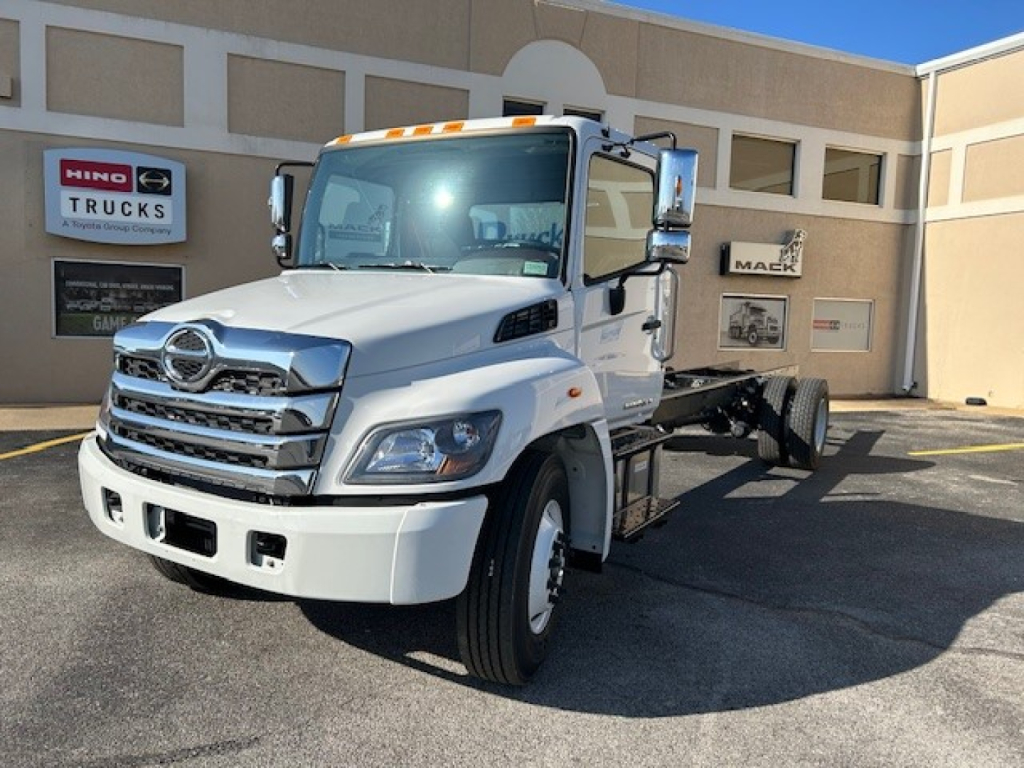
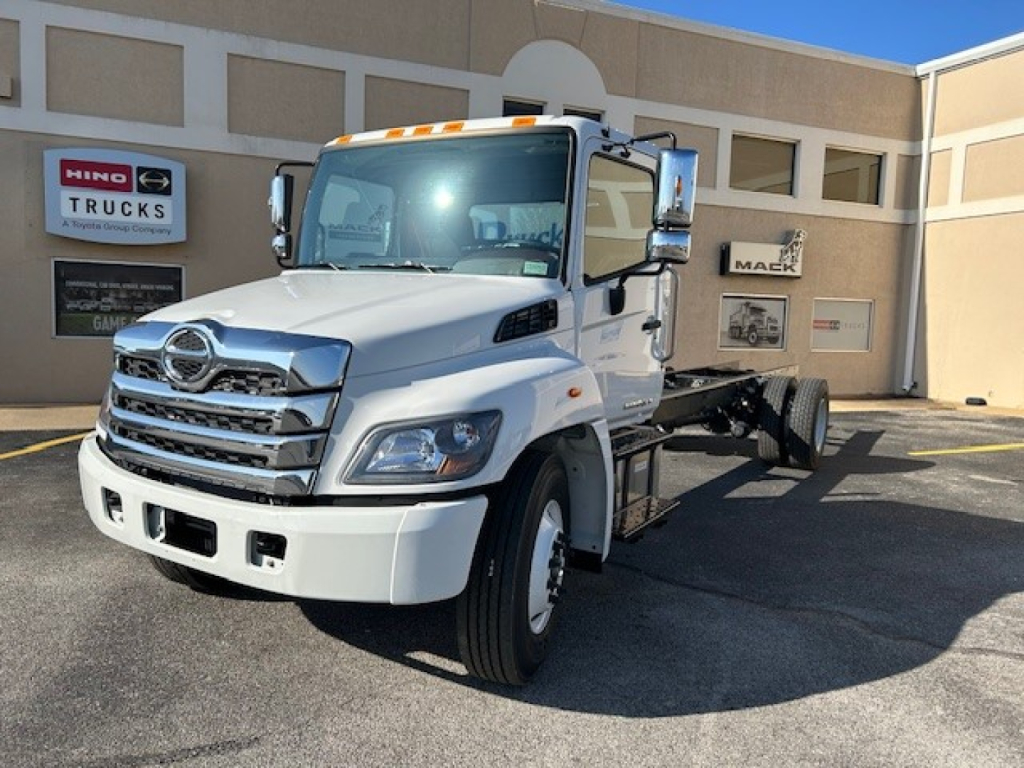
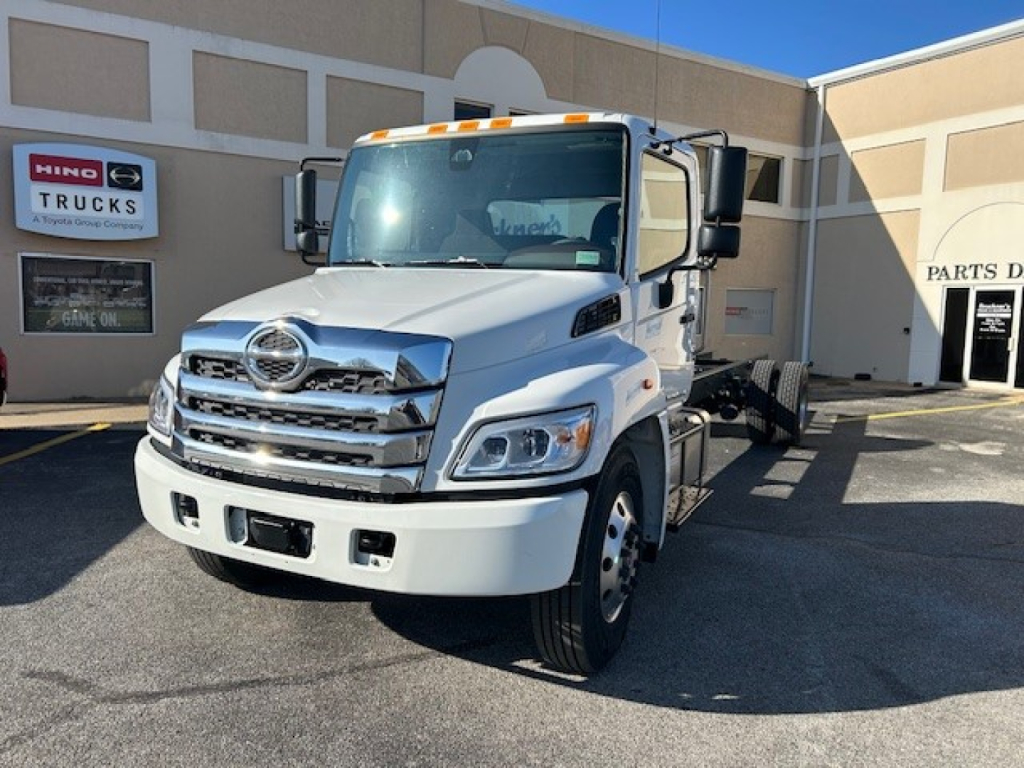
Selling a new 2025 cab and chassis truck? List your new 2025 cab and chassis truck for sale and reach thousands of commercial buyers.
New 2025 Cab and Chassis Trucks in Arkansas
In the Class 6 and Class 7 range, common configurations include diesel engines such as the Cummins B6.7 or L9 paired with Allison automatic transmissions like the 2500, 3000, or 3500 RDS series. Typical specs buyers compare include horsepower, torque, rear axle ratio, front and rear GAWR, suspension type, fuel tank capacity, and brake system setup. A truck with a 260 to 300 hp engine may be a strong fit for box truck, flatbed, and light vocational use, while a heavier-spec chassis with a larger rear axle, deeper gear ratio, and higher GVWR is better suited for dump, crane, sewer, or equipment-hauling applications. If PTO operation is required for a hydraulic pump, hoist, compressor, or winch, confirm the transmission PTO provisions before ordering the body.
Arkansas operating conditions matter. Mixed highway and secondary-road service, jobsite access, and seasonal heat all affect how a cab and chassis should be spec'd. Wheelbase selection affects turning radius in tight towns and job sites, but it also affects ride quality and body fit. Suspension choice matters too. Multileaf spring setups are common for durability and straightforward maintenance, while air ride may be preferred where cargo protection or ride quality is a priority. Pay attention to tire size and availability, especially on 22.5-inch rubber, and match the axle ratio to the truck’s expected cruise speed and startability. A truck that spends most of its time loaded in stop-and-go vocational work needs a different spec than one running regional delivery routes.
For a buyer comparing 2025 cab and chassis trucks, the smartest approach is to work backward from the finished job. Start with the body type, payload, and any PTO-driven equipment, then verify frame dimensions, cab-to-axle measurement, GVWR, and legal bridge requirements. Check for body-builder wiring, upfitter switches, exhaust routing, fuel tank placement, and frame drilling restrictions so the chassis integrates cleanly with the body you plan to install. A well-matched chassis will reduce upfit delays, improve weight distribution, and hold its value better over the life of the truck.
Frequently Asked Questions about New 2025 Cab and Chassis Trucks in Arkansas
What is a cab and chassis truck used for?
A cab and chassis truck is a stripped, body-ready platform built to accept a vocational or commercial upfit. Common applications include box trucks, flatbeds, dump bodies, service trucks, utility bodies, tow trucks, stake beds, and municipal equipment. The buyer selects the chassis specifications first, then matches the frame, axle ratings, and wheelbase to the body and payload requirements.
How do I choose the right wheelbase for a cab and chassis?
Wheelbase should be chosen based on the body length, cab-to-axle requirement, and expected operating environment. A shorter wheelbase improves maneuverability on jobsites and in urban areas, while a longer wheelbase may be necessary for larger bodies and better load distribution. The final decision should account for body overhang, axle placement, turning radius, and the weight balance of the completed truck.
Why do axle ratings and GVWR matter on a new cab and chassis truck?
Axle ratings and GVWR determine how much weight the truck can legally and safely carry once the body, equipment, fuel, passengers, and cargo are added. A truck can have enough engine power but still be underspecified if the front axle, rear axle, suspension, or frame capacity is too light for the intended application. Buyers should compare front GAWR, rear GAWR, and projected finished vehicle weight before selecting an upfit.
What should I check if the truck will run PTO-driven equipment?
If the truck will power hydraulics or auxiliary equipment, confirm that the transmission supports the needed PTO opening and duty cycle. You should also verify engine idle management, wiring provisions, pump compatibility, and any body-builder controls required for the upfit. PTO planning is critical for dump bodies, wreckers, cranes, compressors, hooklifts, and service trucks because it affects both installation and day-to-day performance.
Are diesel automatic cab and chassis trucks a good choice for Arkansas vocational work?
Diesel automatic cab and chassis trucks are a common fit for Arkansas fleets because they handle mixed highway and local-duty cycles well, and they are easy to operate across multiple drivers. Diesel engines in the medium-duty range provide strong low-end torque for loaded starts, while Allison automatic transmissions are widely used in vocational service for durability and PTO compatibility. The best spec still depends on terrain, payload, average trip length, and the body being installed.