
New 2025 Cab and Chassis Trucks For Sale
Shop new 2025 cab and chassis trucks built for dump, box, utility, towing, and vocational upfits with the wheelbase and GVWR you need.
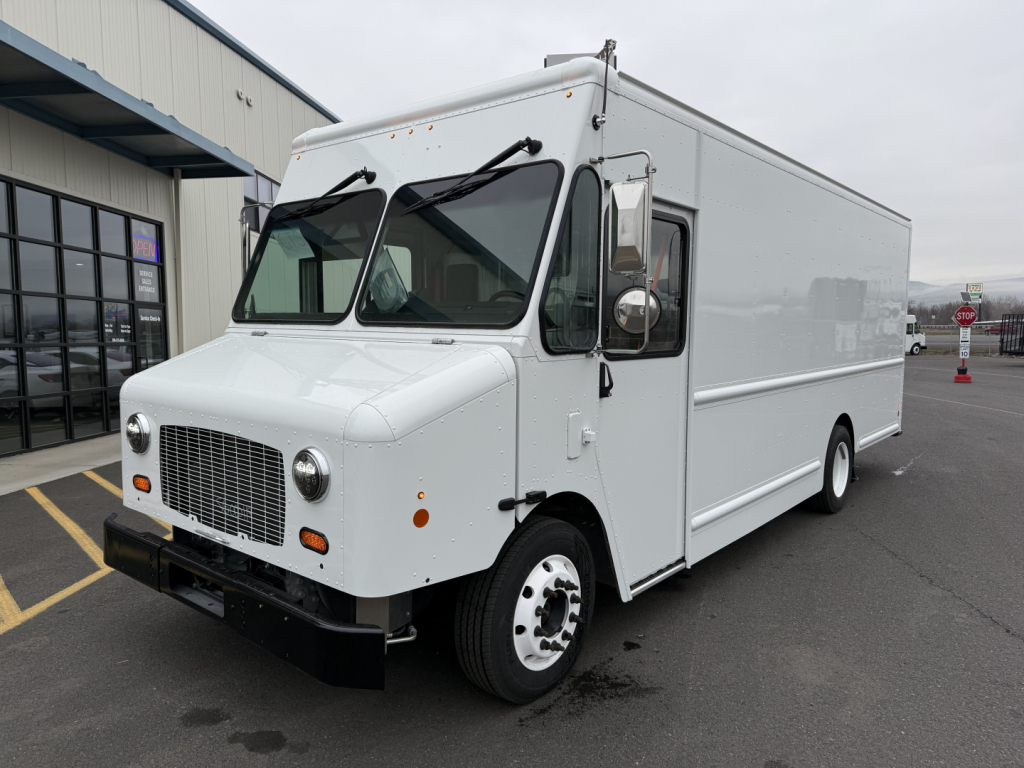
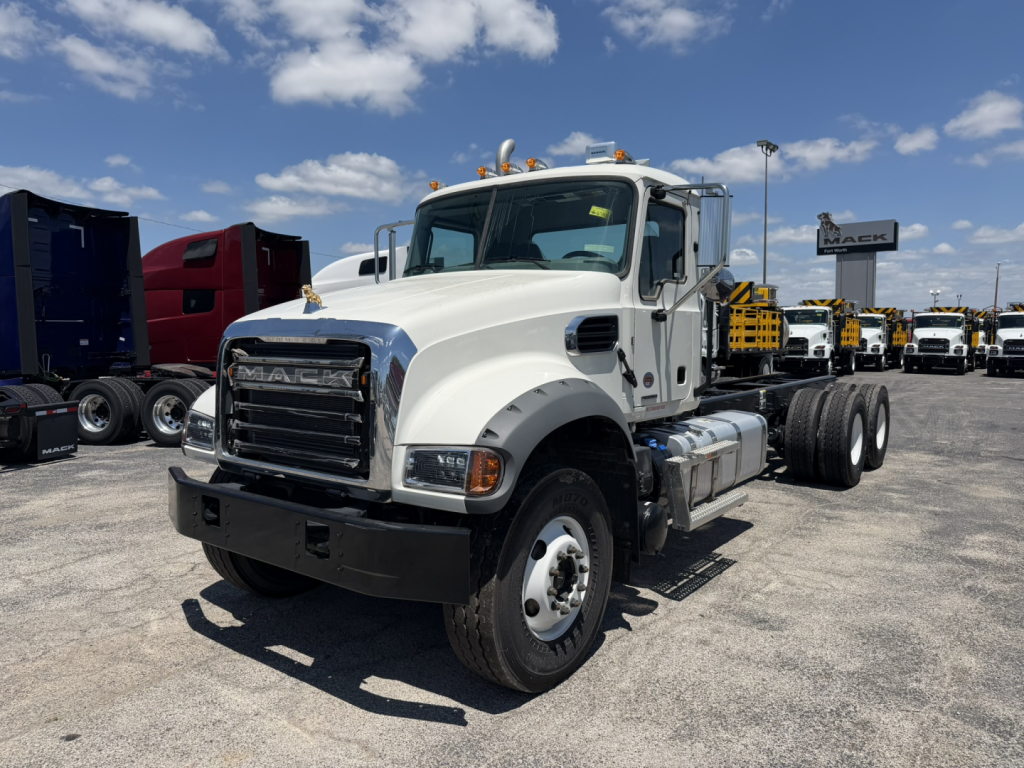
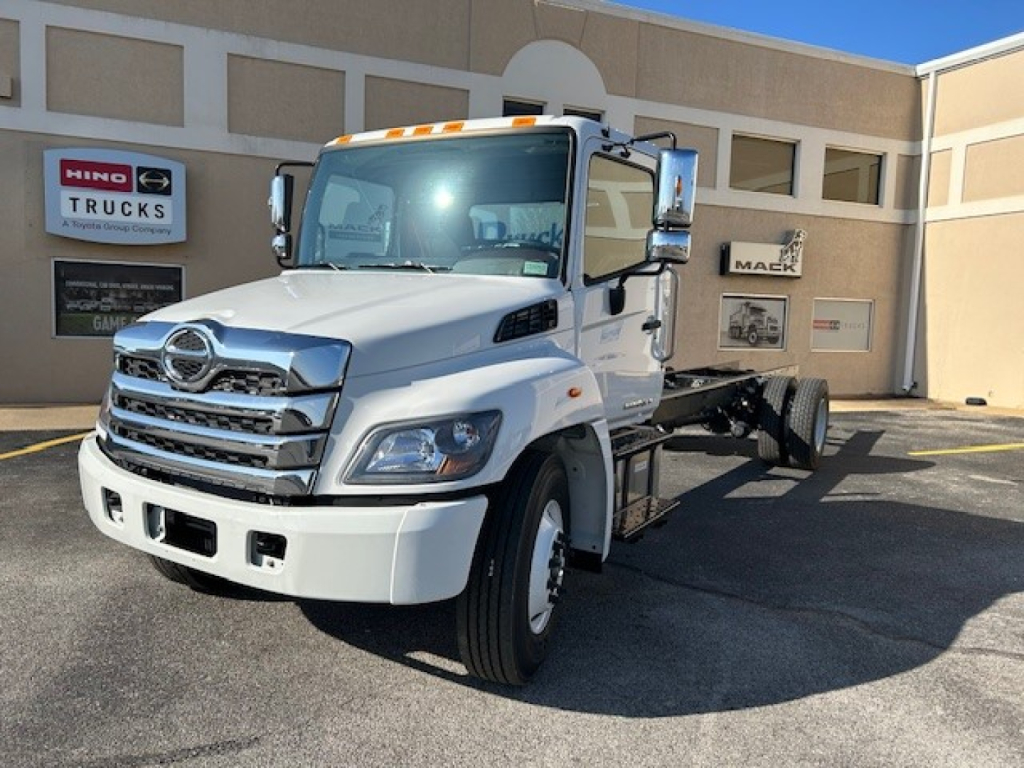
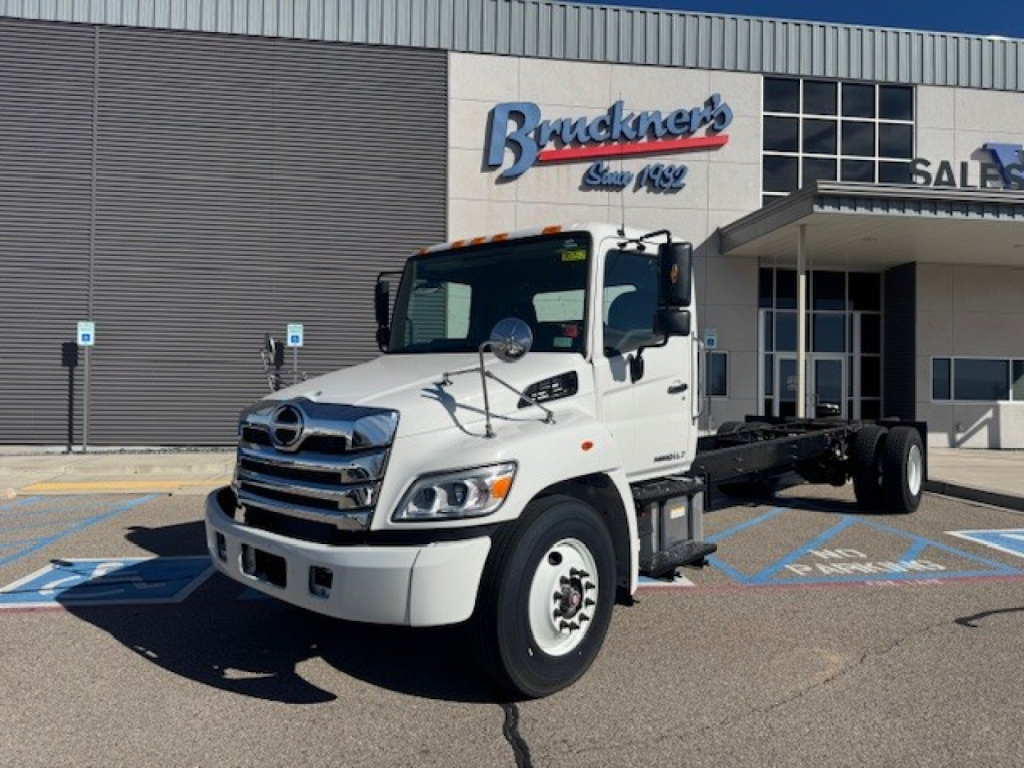
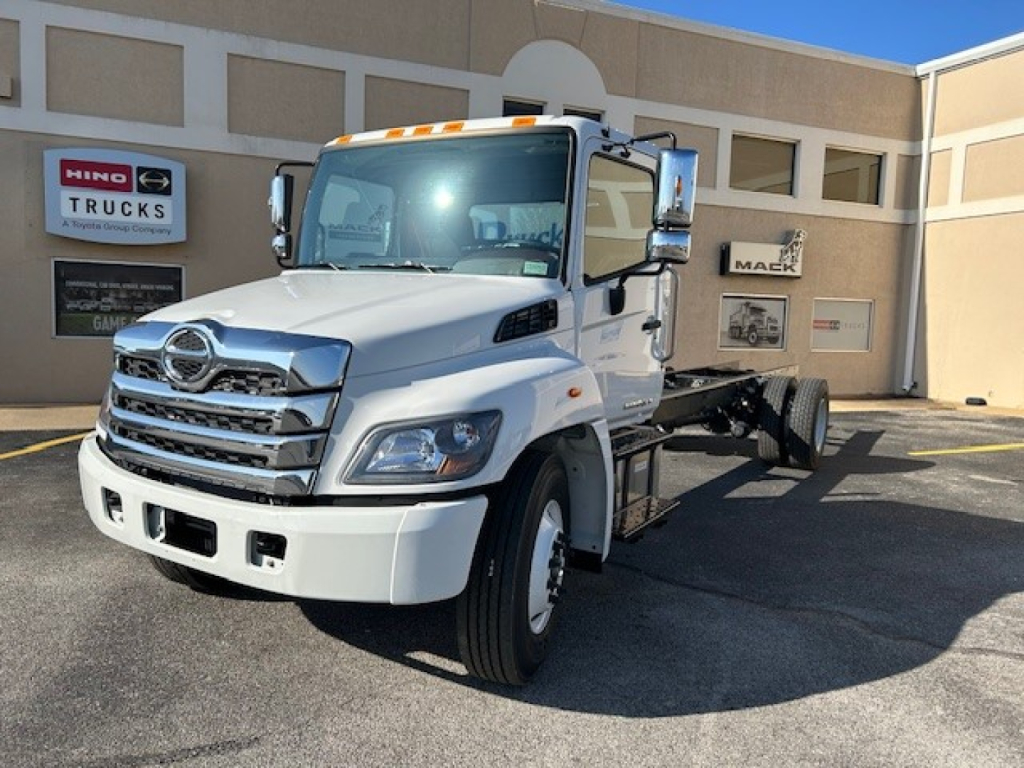
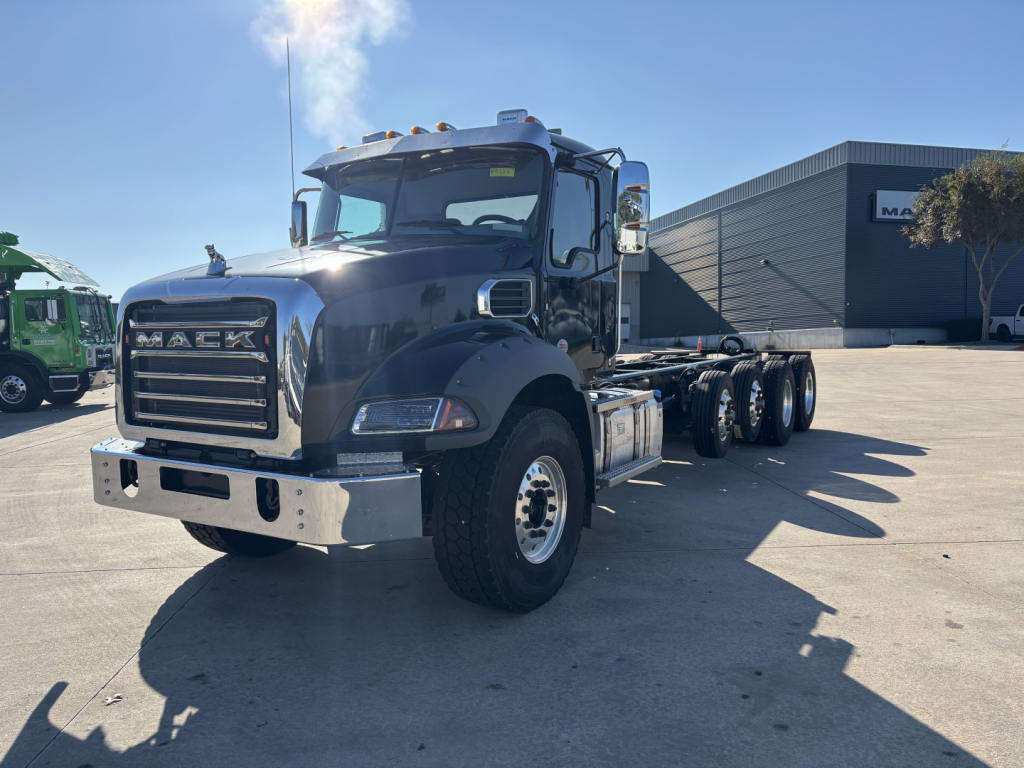
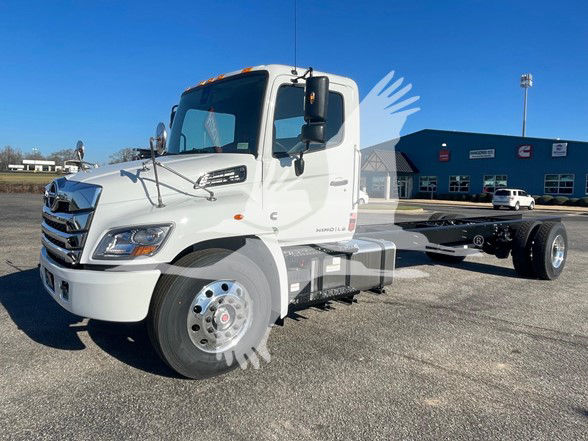
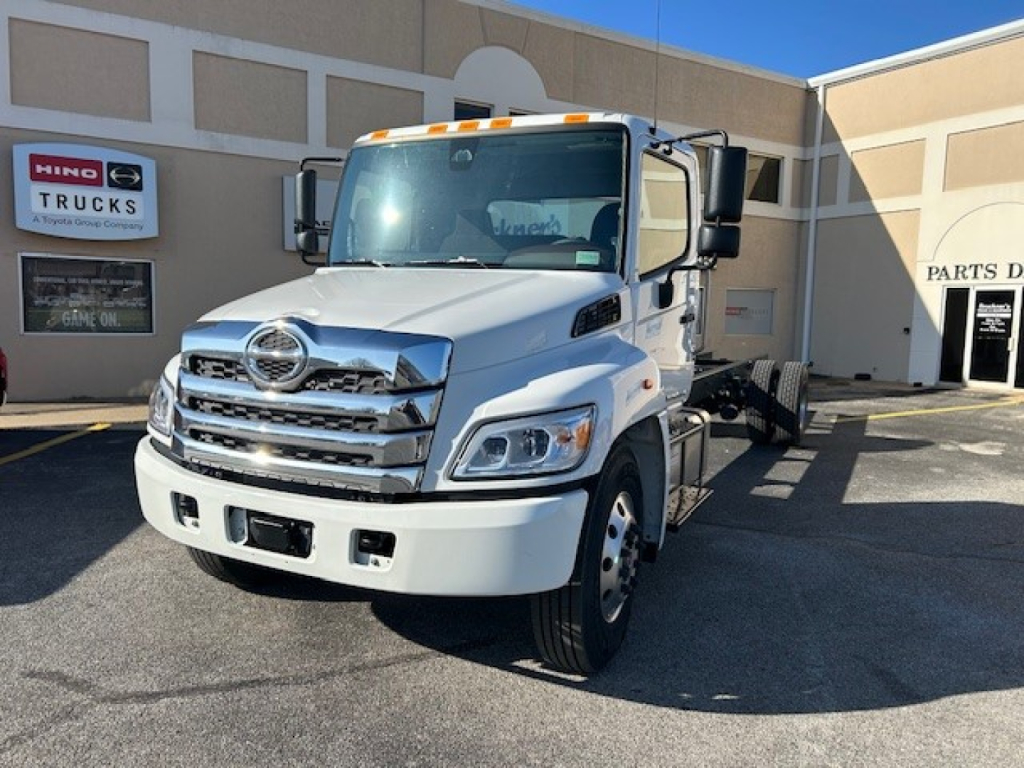
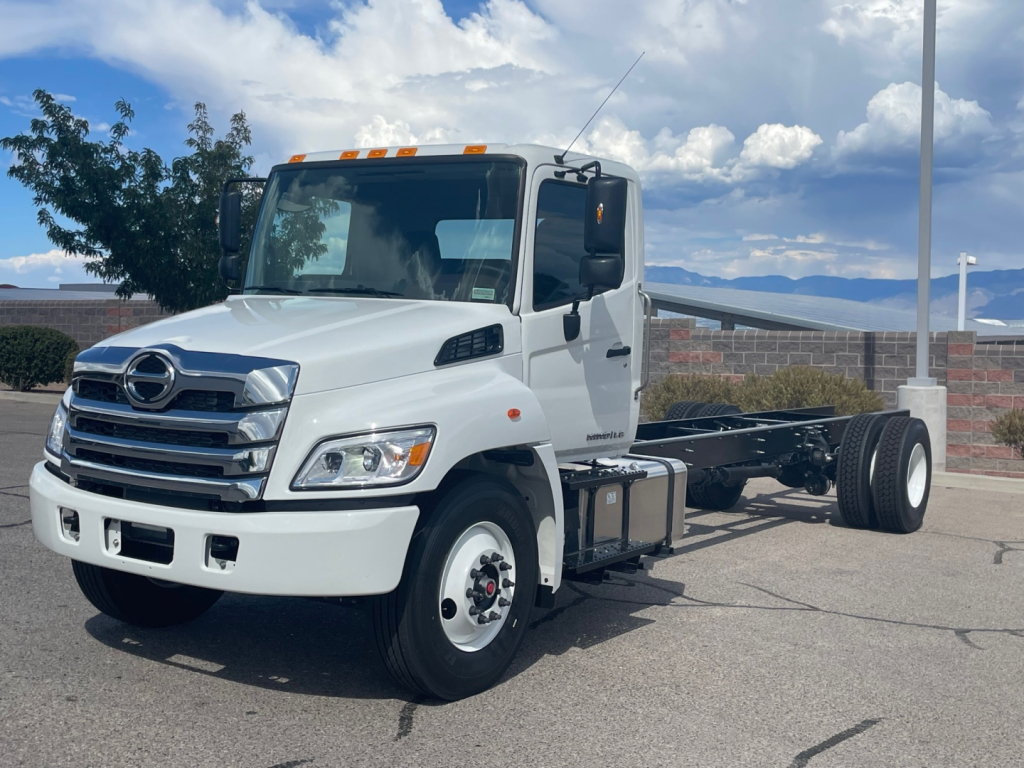
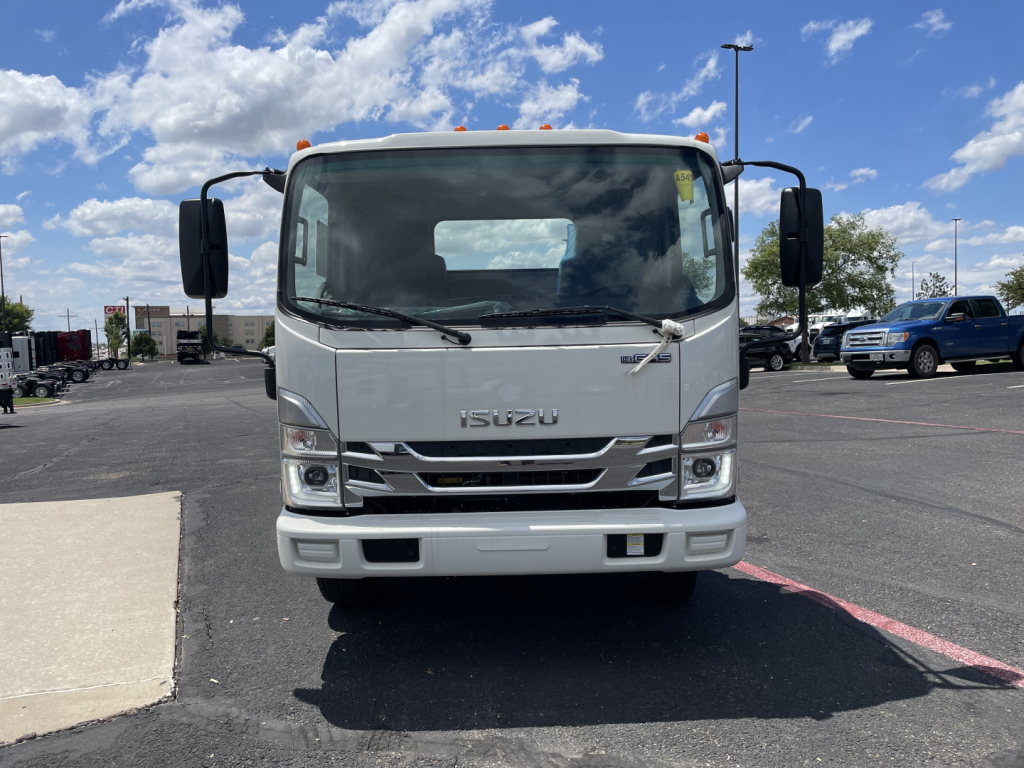
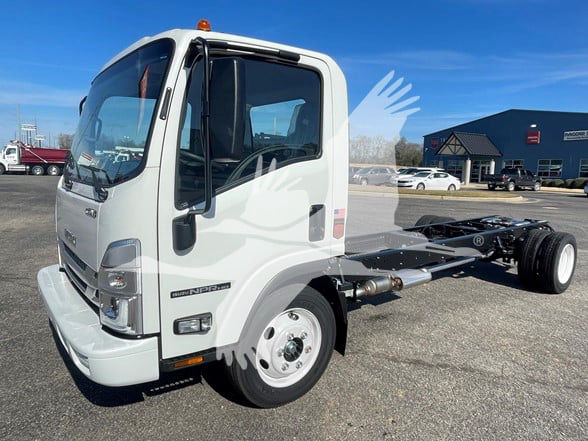
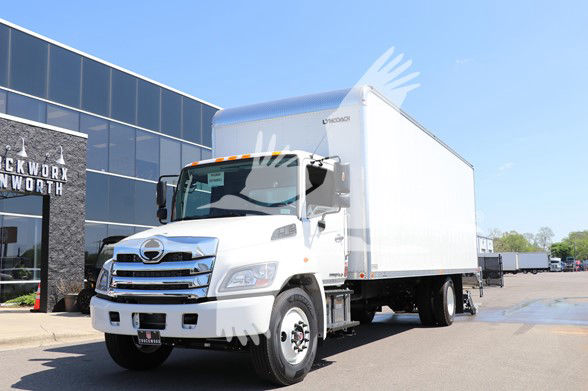
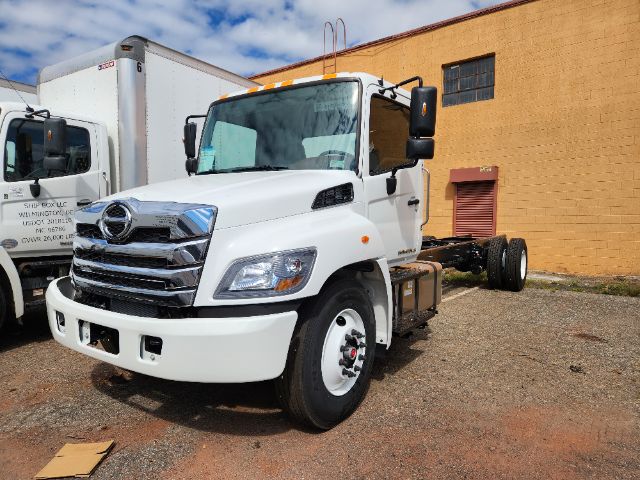
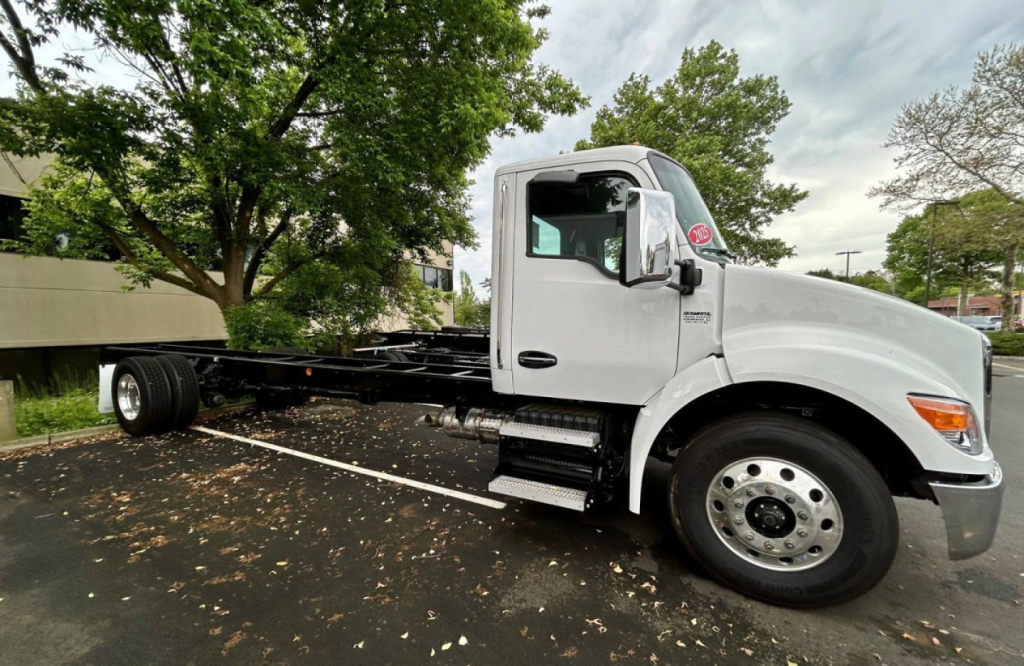
Selling a new 2025 cab and chassis truck? List your new 2025 cab and chassis truck for sale and reach thousands of commercial buyers.
New 2025 Cab and Chassis Trucks
The most important buying decision is chassis layout. Wheelbase and usable cab-to-axle or cab-to-trunnion dimensions determine what body will fit and how the finished truck will balance on the axles. Buyers should confirm front and rear GAWR, GVWR, frame section modulus, suspension capacity, and any bridge formula or local road restrictions that apply to the intended service. Powertrain choice matters just as much. Medium-duty models often prioritize maneuverability, fuel economy, and lower operating cost, while heavier platforms are spec'd for PTO work, severe duty cycles, higher GCWR, and body installations that put constant load on the frame. New 2025 models may also offer cleaner packaging for telematics, advanced driver assistance systems, and easier body-builder integration.
Engine, transmission, and rear axle specs should be selected around duty cycle, not just peak horsepower. A box or reefer build may favor a lighter chassis and efficient automatic transmission, while a dump, mixer, crane, or heavy service body often needs a more robust vocational transmission, locking rears, high-capacity cooling, and PTO provisions. Frame drilling policies, body-builder wiring, fuel tank placement, exhaust routing, and DEF packaging can all affect how quickly and cleanly a body goes on. Suspension type also changes the truck's finished behavior. Spring suspensions are common in vocational work, while air ride may be preferred for cargo protection, ride quality, or specialty bodies.
For many buyers, the value of a new 2025 cab and chassis truck is in getting current emissions hardware, warranty coverage, and a spec that matches the exact body and payload plan from day one. Popular platforms in this category include medium-duty models such as the Hino L7 and Freightliner M2 106, along with heavier vocational chassis like the Kenworth T880. The right choice depends on upfit length, payload distribution, turning radius, PTO demand, and the service environment the truck will see every day. A well-matched cab and chassis saves time at body installation, reduces rework, and delivers a finished truck that performs correctly under load.
Frequently Asked Questions about New 2025 Cab and Chassis Trucks
What is a cab and chassis truck?
A cab and chassis truck is a truck sold with the cab, drivetrain, frame rails, and running gear, but without a permanently installed body. It is designed to accept an upfit such as a dump body, van body, rollback, utility body, service body, tank, crane, or hooklift. Buyers choose this configuration when they need the truck's wheelbase, axle ratings, PTO setup, and frame dimensions matched to a specific application.
How do I choose the right wheelbase for a 2025 cab and chassis truck?
Wheelbase should be chosen based on the body length, axle placement, expected payload distribution, and turning requirements. The key dimensions are not just overall wheelbase, but also cab-to-axle, cab-to-end-of-frame, and any clearance needed for hoists, toolboxes, outriggers, or liftgates. If the wheelbase is too short, the body may not fit or the load may overload an axle. If it is too long, the truck can lose maneuverability and add unnecessary weight.
What are the most common uses for new cab and chassis trucks?
New cab and chassis trucks are commonly used for box trucks, flatbeds, dump trucks, tow trucks, utility trucks, service bodies, refrigerated bodies, landscaping bodies, tank trucks, and municipal equipment. Medium-duty chassis are often used in delivery, service, and local fleet work. Heavy-duty cab and chassis models are more common in severe-duty applications that need higher axle ratings, PTO-driven equipment, and stronger frame specifications.
What specs matter most before ordering an upfit?
The most important specs are GVWR, front and rear GAWR, wheelbase, cab-to-axle measurement, frame strength, suspension rating, PTO compatibility, and fuel or DEF tank placement. Transmission type, rear axle ratio, and engine torque curve also matter because they affect launch, gradeability, and PTO performance. Body-builder wiring and OEM upfit interfaces can reduce installation time and help avoid conflicts with emissions components, exhaust routing, and electrical systems.
Is a medium-duty or heavy-duty cab and chassis better for vocational work?
It depends on the body, payload, and duty cycle. Medium-duty cab and chassis trucks are often the better fit for delivery bodies, light dumps, and service applications where tighter turning radius and lower operating cost matter. Heavy-duty models are typically better for severe-duty work such as large dumps, cranes, heavy wreckers, and high-GCWR applications because they offer stronger frames, higher axle capacities, more aggressive driveline options, and better support for demanding PTO equipment.