
New 2025 Cab and Chassis Trucks For Sale in Alabama
Shop new 2025 cab and chassis trucks in Alabama. Compare wheelbases, GVWR, powertrains, PTO options, and upfit-ready chassis specs.
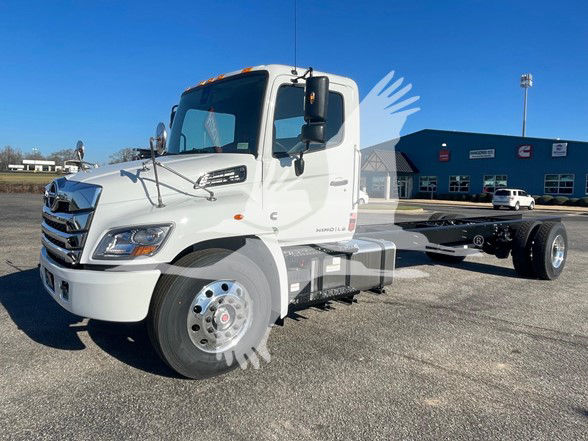
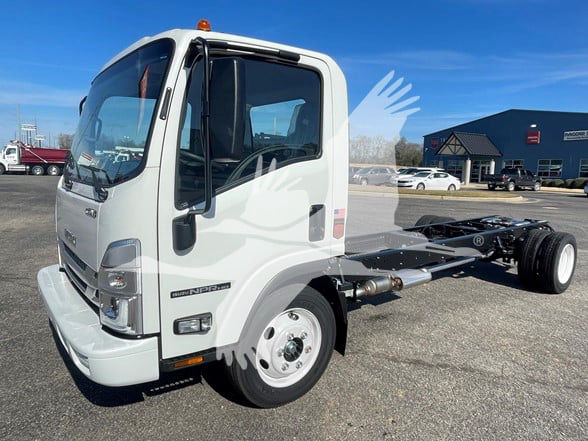
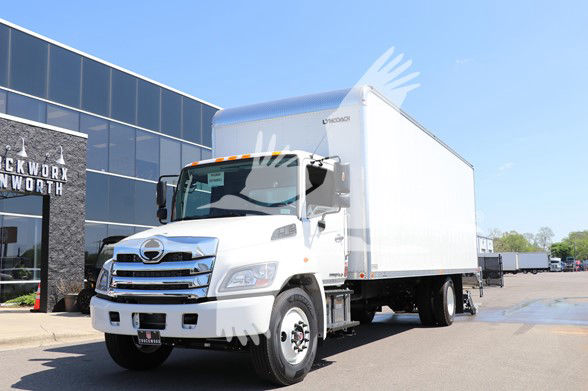
Selling a new 2025 cab and chassis truck? List your new 2025 cab and chassis truck for sale and reach thousands of commercial buyers.
New 2025 Cab and Chassis Trucks in Alabama
The most important buying decision is not just make or horsepower. It is matching axle ratings, wheelbase, frame section, and cab-to-axle measurement to the body and equipment you plan to install. Medium-duty cab and chassis trucks often serve box trucks, landscape bodies, and smaller utility applications, while heavier platforms like vocational-spec chassis handle dumps, cranes, mixers, and severe-service bodies. Buyers should also look closely at GVWR and GCWR, front axle capacity, suspension type, PTO compatibility, transmission programming, and available frame rail reinforcement. If the truck will run hydraulic equipment, verify engine PTO or transmission PTO provisions early, because that affects both upfit cost and body installation timelines.
New 2025 cab and chassis models typically offer cleaner integration with body builders through multiplex electrical architecture, programmable switches, telematics, backup camera support, and factory upfitter interfaces. Powertrain choices vary from efficient diesel packages for regional and municipal work to heavier vocational setups with automated manual or fully automatic transmissions. On larger chassis, common spec points include wheelbases stretching well past 200 inches, locking differentials, vocational rear suspensions, and higher-capacity cooling packages. For buyers comparing models such as a Hino L6, Kenworth T880, or Kenworth L770, the real difference is usually in application fit, service access, and how easily the chassis accepts the exact body and auxiliary equipment required.
A well-bought cab and chassis truck is one that leaves enough capacity after the body, tools, fuel, and crew are added. That means checking payload after upfit, not just published chassis ratings. In Alabama, buyers also tend to pay attention to corrosion protection, cooling performance in hot weather, and bridge-law or route restrictions that affect final axle spacing. If the truck will spend time on jobsites, approach angle, ground clearance, and tire spec deserve as much attention as cab comfort. The best 2025 cab and chassis trucks are the ones spec'd backward from the job, with the body builder, PTO needs, and legal weight target all considered before the order is finalized.
Frequently Asked Questions about New 2025 Cab and Chassis Trucks in Alabama
What is a cab and chassis truck used for?
A cab and chassis truck is a stripped chassis with a factory cab that is built to accept a vocational or commercial body. Common uses include dump trucks, flatbeds, utility trucks, service trucks, box trucks, tow trucks, tank bodies, hooklifts, and municipal upfits. The main advantage is flexibility, because the chassis can be matched to a specific application instead of forcing the buyer to work around a preinstalled body.
How do I choose the right wheelbase and cab-to-axle for a cab and chassis truck?
Wheelbase and cab-to-axle must match the body length, body weight, and axle loading target. A body builder will usually specify the required cab-to-axle dimension for proper installation and weight distribution. If these dimensions are wrong, the truck can be difficult to upfit, may carry weight poorly, and can create legal axle loading problems even when total GVWR looks acceptable on paper.
What should I verify before ordering a PTO-equipped cab and chassis?
Confirm whether the application needs an engine PTO, transmission PTO, or both, and make sure the transmission, programming, and dash controls support that setup. Hydraulic dumps, cranes, compressors, wreckers, and other auxiliary equipment often require specific PTO provisions, pump clearances, and idle management settings. It is also smart to verify alternator output and battery capacity if the body will run electric-over-hydraulic or other power-hungry accessories.
Are medium-duty and heavy-duty cab and chassis trucks suited for different jobs?
Yes. Medium-duty cab and chassis trucks are commonly used for box bodies, stake beds, light dumps, and service bodies where maneuverability and lower operating cost matter. Heavy-duty cab and chassis trucks are built for larger payloads, harsher jobsite conditions, and more demanding equipment such as cranes, severe-duty dump bodies, roll-offs, and heavy wreckers. The right choice depends on the completed vehicle weight, duty cycle, and body equipment requirements.
Why does payload after upfit matter more than chassis rating alone?
The bare chassis rating only tells part of the story. Once a body, hoist, crane, toolbox package, hydraulic system, fuel, and passengers are added, the usable payload can drop quickly. Buyers should calculate the finished curb weight and compare axle-by-axle loading against legal and manufacturer limits. That is the best way to avoid ending up with a new truck that is technically well spec'd but operationally too heavy for the work it is supposed to do.