
New 2025 Cab and Chassis Trucks For Sale in New Mexico
Shop new 2025 cab and chassis trucks in New Mexico. Compare GVWR, wheelbase, axle ratings, engine and upfit-ready specs for fleet use.
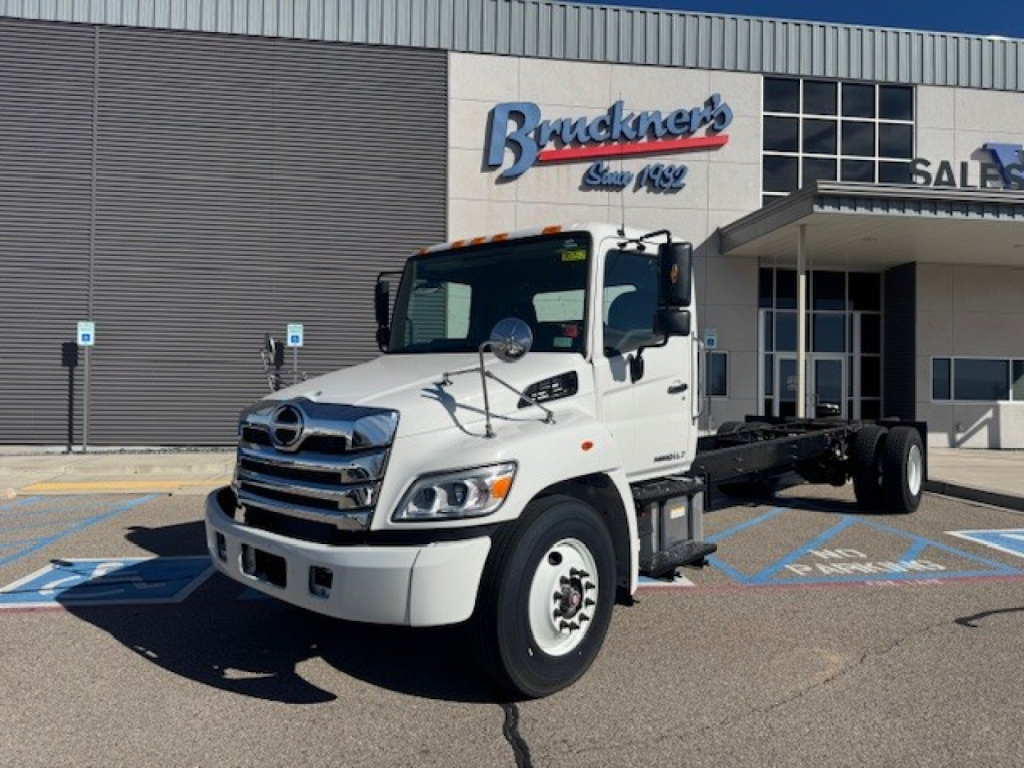
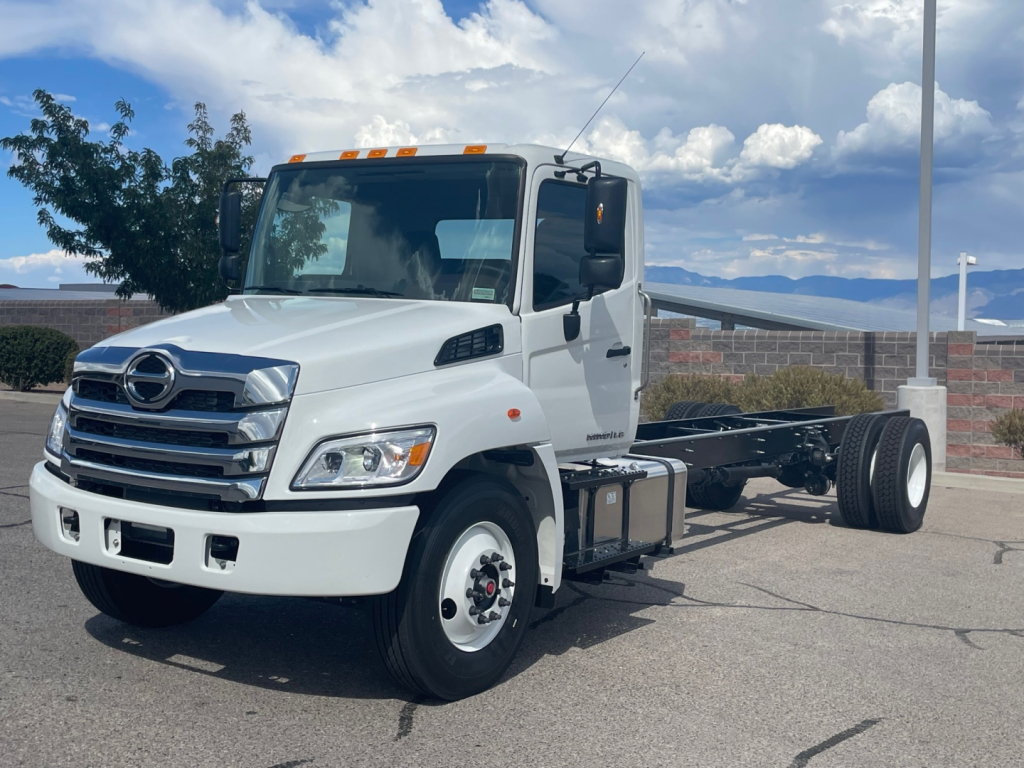
Selling a new 2025 cab and chassis truck? List your new 2025 cab and chassis truck for sale and reach thousands of commercial buyers.
New 2025 Cab and Chassis Trucks in New Mexico
In the current medium-duty market, common 2025 cab and chassis specs include Cummins B6.7 diesel power, Allison automatic transmissions, front axles in the 10,000 to 12,000 pound range, and rear axles around 19,000 to 23,000 pounds, with GVWRs often spanning non-CDL 25,950 pounds up to 33,000 pounds. That spread matters. A non-CDL spec can make sense for delivery fleets trying to widen the driver pool, while a 33,000-pound chassis gives more margin for heavier bodies, denser payloads, and vocational upfits. Suspension choice is another key decision. Air ride can improve ride quality for dry freight or refrigerated applications, while multi-leaf rear suspensions are often preferred for harsher vocational service.
Wheelbase is one of the first numbers to verify. Around 224 inches is common for many 26-foot body applications, while longer 271-inch wheelbases are also frequently used depending on body length, cab-to-axle requirement, and weight distribution target. A buyer should confirm not just overall wheelbase, but also cab-to-axle and frame usable length before assigning a body. Frame strength, rear suspension capacity, locking differentials, brake type, fuel capacity, and electrical provisions should all be reviewed early in the spec process. If the truck will live at altitude, run long distances between towns, or see rough jobsite access in New Mexico, cooling performance, gearing, and traction equipment deserve extra attention.
The biggest advantage of a new 2025 cab and chassis is that it lets the buyer spec the truck around the job instead of compromising around a prebuilt body. For route delivery, the focus is usually turning radius, payload, and dock-friendly body sizing. For construction or utility work, buyers tend to prioritize frame section modulus, PTO compatibility, rear suspension rating, and vocational durability. The best purchase is usually the chassis that leaves enough legal payload after the body is installed, matches the planned upfit without frame modifications, and fits the operating class your drivers, routes, and maintenance program can support.
Frequently Asked Questions about New 2025 Cab and Chassis Trucks in New Mexico
What is a cab and chassis truck used for?
A cab and chassis truck is an incomplete truck delivered with the cab, frame, drivetrain, and axles in place so a body can be installed for a specific job. Common upfits include van bodies, reefer bodies, flatbeds, dump bodies, stake beds, service bodies, and utility bodies. It is the preferred format when the buyer needs the truck built around a payload, body length, or vocational application rather than buying a finished straight truck.
What GVWR should I choose for a 2025 cab and chassis truck?
The right GVWR depends on the combined weight of the body, equipment, cargo, fuel, passengers, and any accessories such as liftgates or cranes. A 25,950-pound GVWR chassis is often selected to stay below CDL thresholds, while a 33,000-pound chassis provides more payload and upfit flexibility for heavier work. The safest approach is to estimate finished curb weight after the body is installed, then leave enough margin for real operating payload instead of choosing only by body length.
How important is wheelbase on a cab and chassis?
Wheelbase is critical because it affects body fit, bridge-law style axle loading, turning radius, and overall drivability. A chassis can have the right GVWR and still be a poor match if the wheelbase and cab-to-axle dimensions do not suit the intended body. Before ordering or comparing trucks, buyers should verify the body manufacturer's required cab-to-axle measurement, frame overhang, and any liftgate or equipment clearance needs.
Are air ride and air brakes worth it on a medium-duty cab and chassis?
Air ride suspension can improve ride quality and help protect sensitive cargo, which is useful for box, beverage, and refrigerated applications. Air brakes are common on heavier medium-duty and Class 7 chassis and are often preferred by fleets that want consistency with heavier truck maintenance practices. The right setup depends on operating weight, driver familiarity, service environment, and whether the truck is a delivery unit, a vocational build, or a mixed-use fleet asset.
What matters most when buying a cab and chassis in New Mexico?
New Mexico buyers often look closely at cooling capacity, fuel range, axle ratios, and traction because routes can involve long highway distances, elevation changes, heat, and occasional rough access roads. A chassis spec that works in flat urban service may not be ideal for mountain grades or remote jobsite work. It is smart to match engine output, transmission, rear axle ratio, suspension, and differential spec to the terrain and duty cycle the truck will actually see.